Plizio Visual Lab

Bandung Tea Plantations
Plizio editorial teamData Sources
Agriculture
—°10
Bandung Tea Plantations (Indonesia)

Weather…

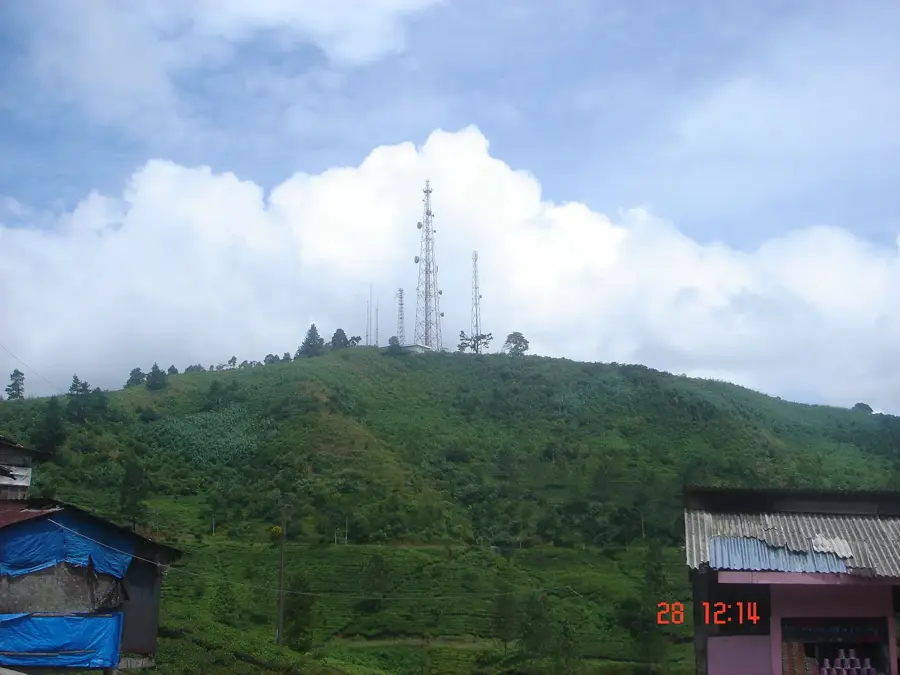
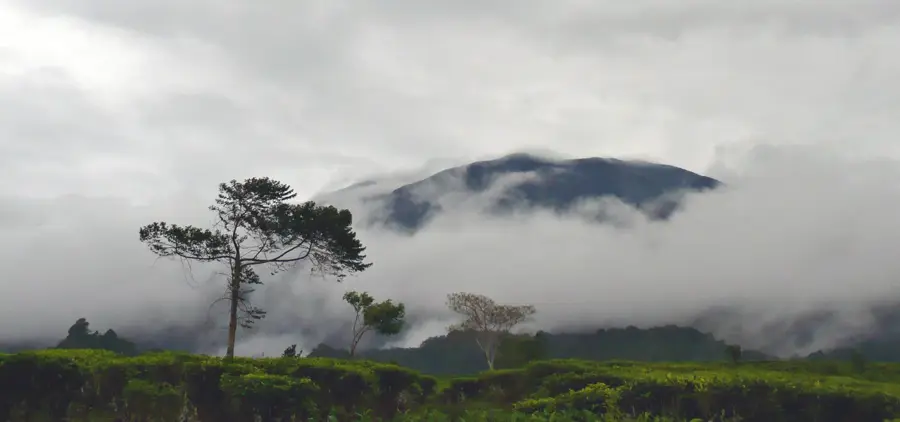
The tea plantations of Bandung, particularly in the Ciwidey and Pangalengan regions, boast a long history dating back to the Dutch colonial era of the 18th century. Situated at altitudes between 1,200 and 2,000 meters above sea level, the rolling hills of Malabar and Rancabali provide good climatic conditions for cultivating high-quality black and green tea. West Java's volcanic soils contribute significantly to the characteristic aroma of the produce, which is exported globally today. Beyond its economic importance as one of Indonesia's largest tea-producing hubs, the plantations serve as a vital recreational escape for residents of the Jakarta metropolitan area. Visitors can tour historic factories, where some colonial-era machinery remains operational, and witness the meticulous process from leaf plucking to drying. The Malabar region is also deeply connected to the legacy of Karel Albert Rudolf Bosscha, who played a pivotal role in developing the local tea industry and community until his death in 1928.

Best time to visit & climate

The most pleasant time to visit is Jul–Sep.

JanFebMarAprMayJunJulAugSepOctNovDec
Avg °C212122222221212121222222
Rain mm337365338285178103754489181294317

📋 Practical info

🏭
What is this place?
The tea plantations in the cool highlands around Bandung are vast, offering memorable landscapes and fresh mountain air. They are a key part of Indonesian tea production and a popular destination for nature lovers.
🚪
Visiting
Many plantations are open to visitors and offer guided tours through the tea gardens and factories. The paths through the plantations are usually easy to walk and provide direct insight into tea cultivation.
👀
Where to view it
The best viewpoints are along the roads that run through the plantations, offering views stretching for kilometers over the green tea terraces. Observation platforms at the edges of the fields enable spectacular panoramic photos.
🧺
Local products
The plantation shops sell various local tea varieties, from green tea to oolong. Local snacks such as tea pastries and fresh tropical fruits are also often available.
📆
Active season
Tea harvesting mainly takes place during the dry season, which typically lasts from May to October. During this time, the plantations are especially busy with workers hand-picking the tea leaves.
Nearby
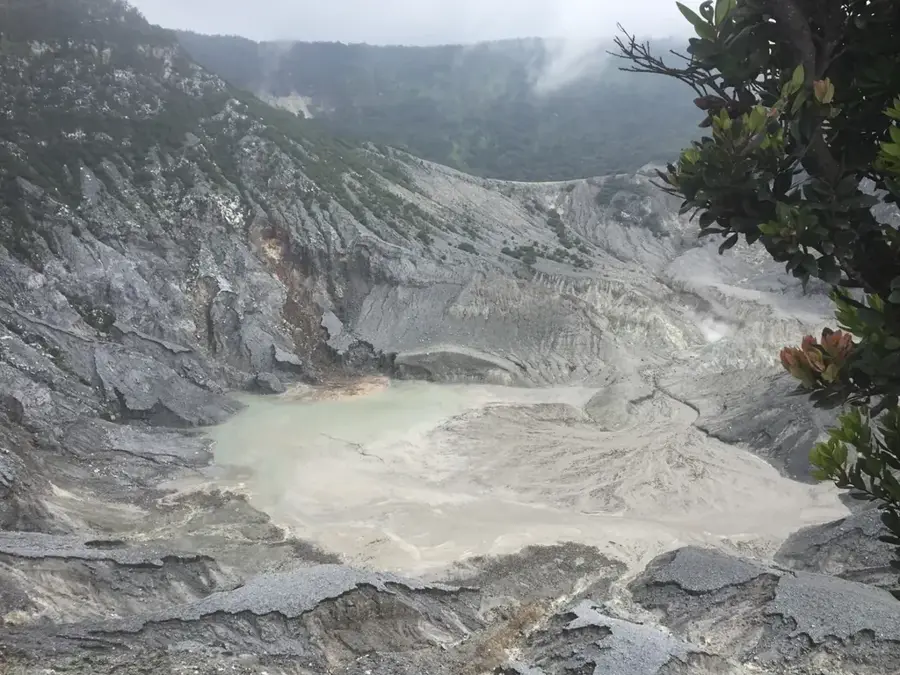
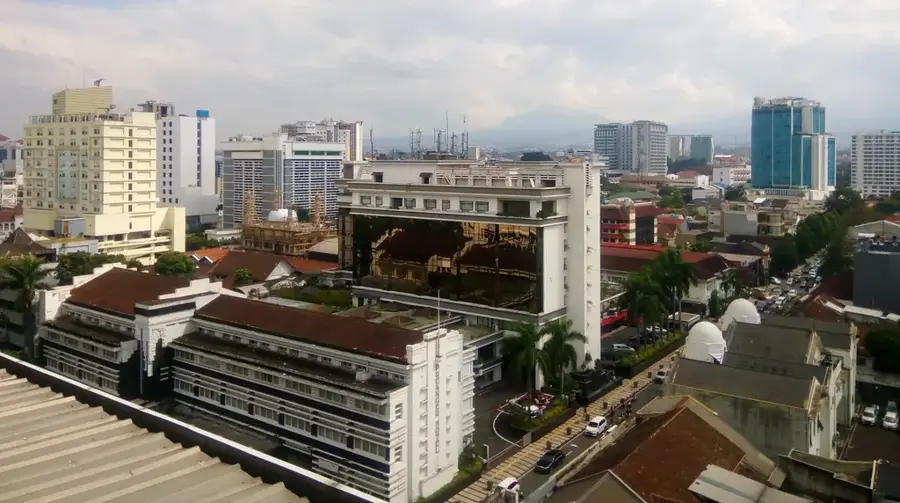
Combine a plantation visit with exploring the city of Bandung, known for its colonial architecture and art scene. Hikes to the nearby Tangkuban Perahu volcano also offer an unforgettable nature experience.

Geography

Coordinates
-7.10000, 107.61000

Facts

  • The plantations are located at altitudes between 1,200 and 2,000 meters.
  • Karel Albert Rudolf Bosscha was the pioneer of the Malabar tea plantation.
  • Indonesia ranks among the top ten tea producers in the world.
  • West Java's volcanic soil is exceptionally nutrient-rich for tea bushes.
  • The Malabar tea factory was established as early as 1896.
  • Many plantations offer guided 'Tea Walks' for visiting tourists.

Explore nearby

Notable places around

Route planner — Car & Motorhome

Where do you start? We build the route here, with stops and country notes along the way.

Vehicle
Only stops with (optional):

© OpenStreetMap contributors · OpenRouteService

Sights in the town Bandung Tea Plantations (10)

Saung Nyingkur🏰 castle

Saung Nyingkur is a distinctive structure noted for its unique architecture in the Bandung region.

Station Malabar🏺 historical

Station Malabar is a recognized monument adding historical value to the Bandung area.

Masjid Persis Ciapus⛪ religious

Masjid Persis Ciapus is an important local mosque for worshippers in the Bandung area.

Pasar Wisata Desa Pangalengan🎭 culture

Pasar Wisata Desa Pangalengan is a lively tourism market in the Bandung region.

Masjid Banjaran📍 landmark

Masjid Banjaran serves as a significant Islamic place of worship in the Bandung region.

Masjid Raya Al Mumtaz Cimaung📍 landmark

Masjid Raya Al Mumtaz Cimaung is a grand Muslim religious site situated near Bandung.

Mesjid Almubarokah📍 landmark

Mesjid Almubarokah is a welcoming Islamic center and place of prayer in the Bandung area.

Desa Langonsari🌿 nature

Desa Langonsari features scenic views over the surrounding landscapes of the Bandung tea plantations area.

Kolam Renang Kampung Sawah🌿 nature

This spot provides relaxing views of the local scenery in the agricultural district of Bandung.

Komplek Tirta Regency🌿 nature

Komplek Tirta Regency is a viewpoint allowing visitors to observe the beautiful Bandung tea plantation region.

Sights nearby

Frequently asked questions

Which is the most famous plantation?
Rancabali and Malabar are very popular choices.
When is the best time for photos?
Early morning at sunrise for the misty landscape.
Can I visit the factories?
Yes, some offer tours of the processing facilities.
Is it cold there?
Yes, it can be quite chilly, especially in the morning.
Can I walk among the tea bushes?
Yes, it is allowed on most of the paths.
Bandung Tea Plantations: where is it located?
Bandung Tea Plantations is located in Indonesia.
Bandung Tea Plantations: what is there to see?
Highlights include Saung Nyingkur, Station Malabar, Masjid Persis Ciapus.
Bandung Tea Plantations: when is the best time to visit?
The most pleasant time to visit is Jul, Sep.
Bandung Tea Plantations: why is it worth visiting?

The tea plantations of Bandung, particularly in the Ciwidey and Pangalengan regions, boast a long history dating back to the Dutch colonial era of the 18th century.
View on map → The Top 50 Attractions → OpenStreetMap →
Asia
Explore with Plizio Discover more places in Asia
More places in Indonesia →

Nearby cities

Nature

More places