Plizio Visual Lab

Ujung Kulon National Park
Plizio editorial teamData Sources
national-park
—°1
Ujung Kulon National Park (Indonesia)

Weather…

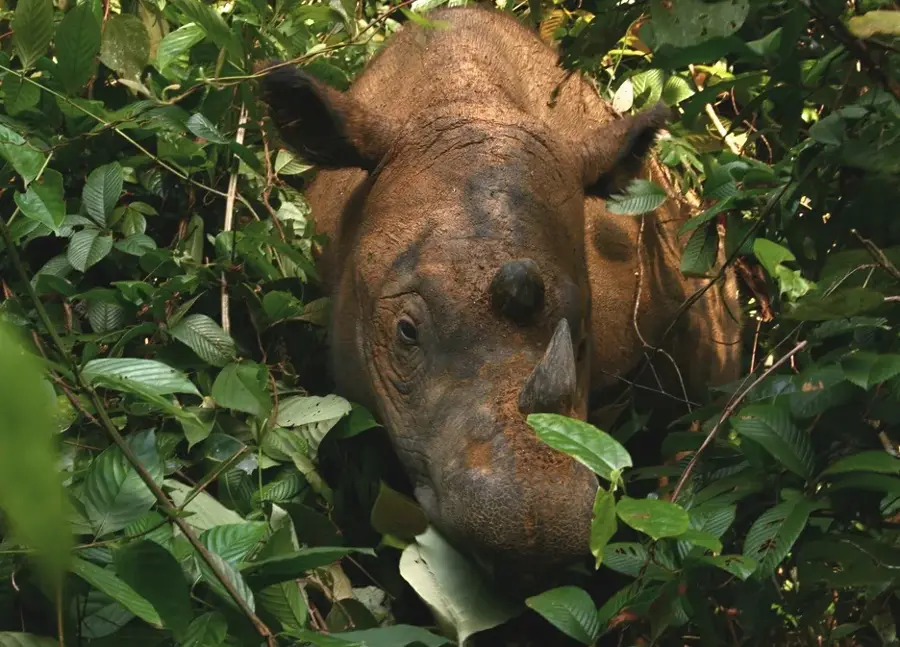
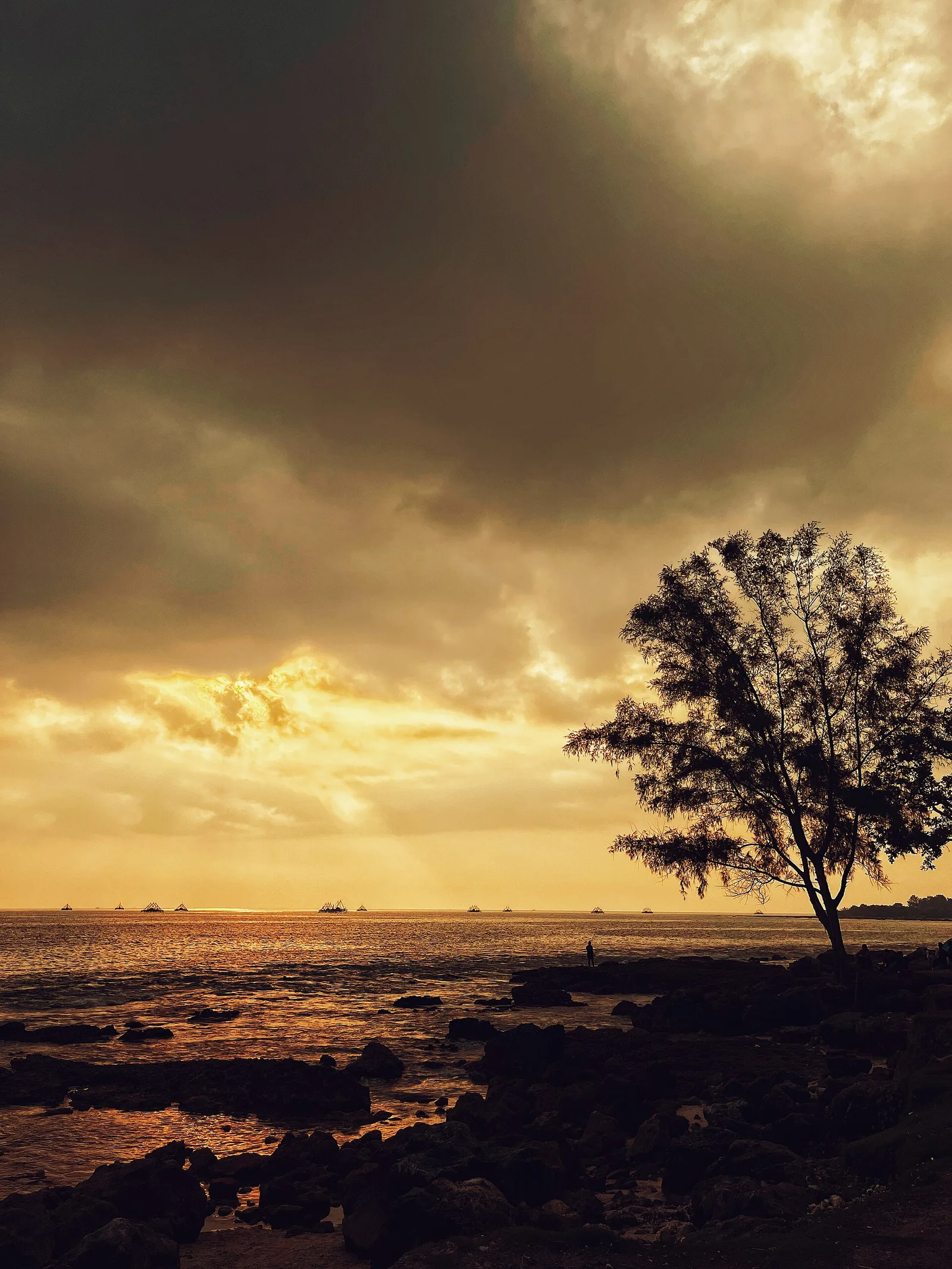
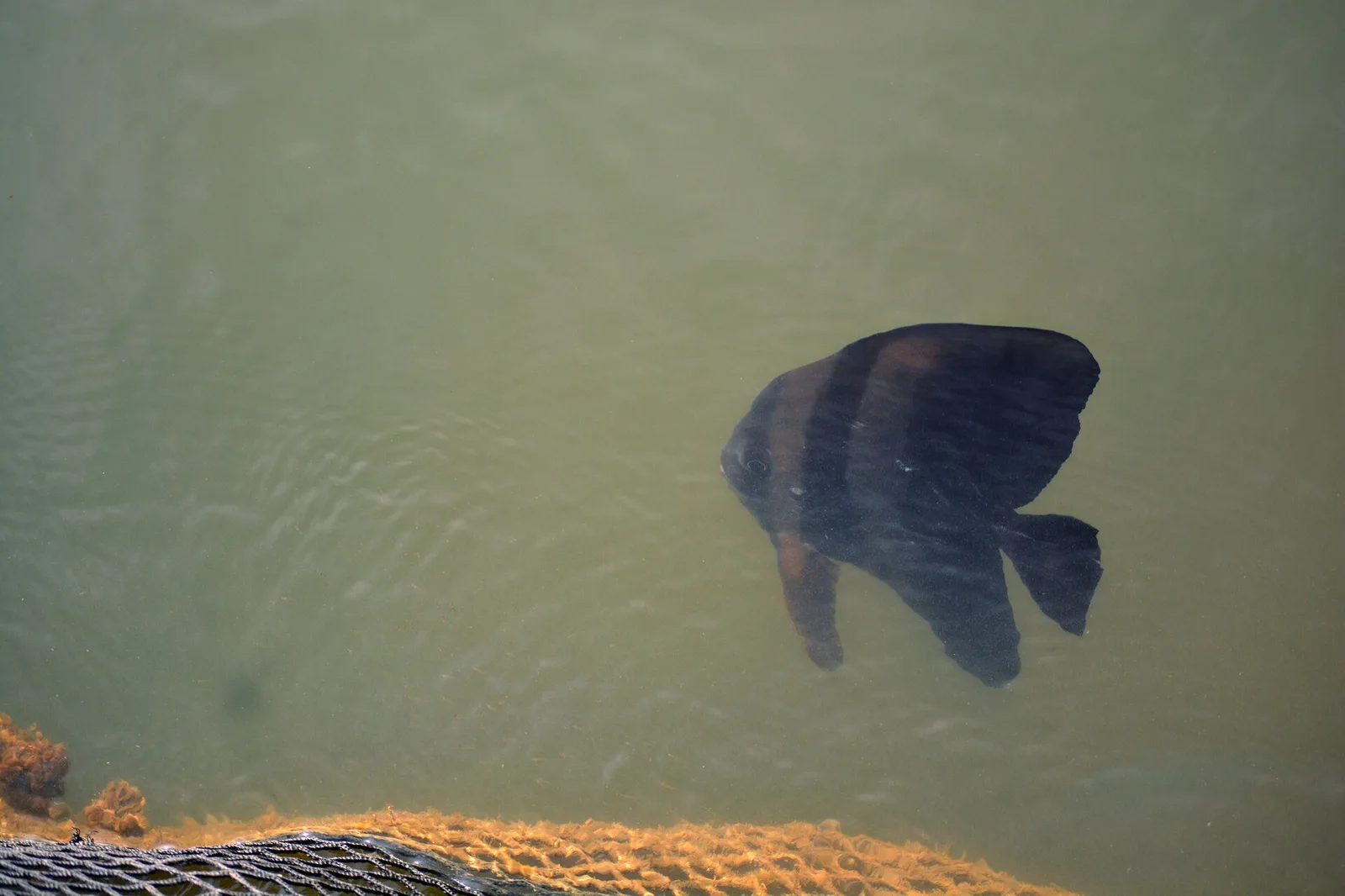
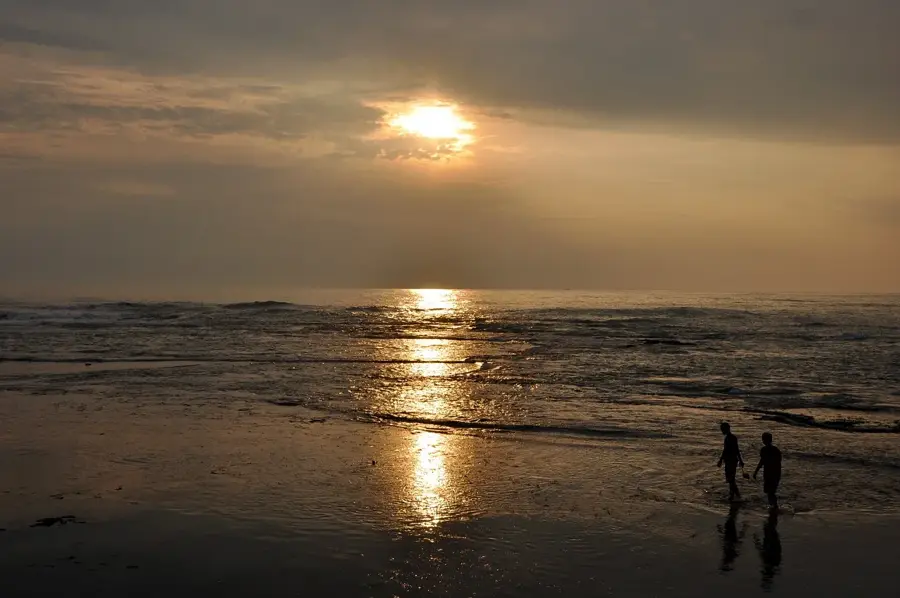
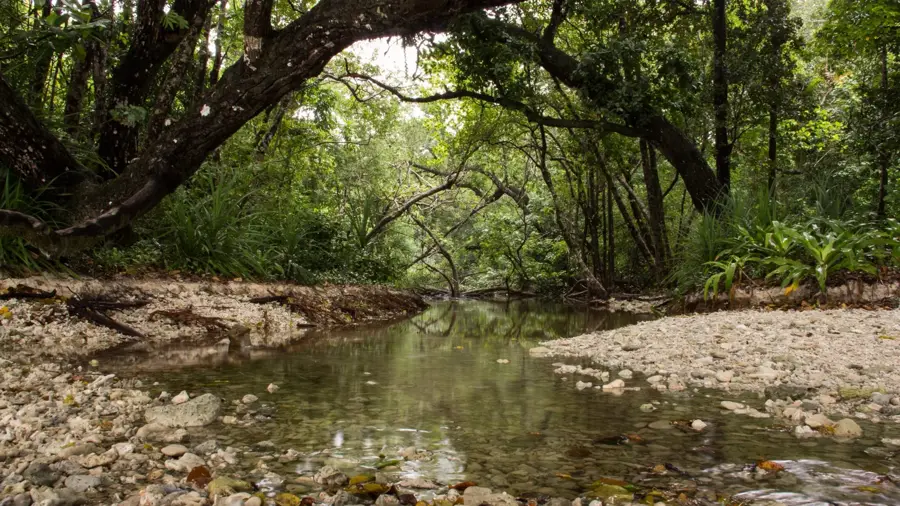
Ujung Kulon National Park, situated at the westernmost tip of Java, serves as the final stronghold for the critically endangered Javan Rhinoceros (Rhinoceros sondaicus). Declared a UNESCO World Heritage site in 1991, the park encompasses the Ujung Kulon peninsula, Panaitan Island, and the surrounding archipelago, including the famous Krakatoa volcano. The region was nearly depopulated in 1883 following the catastrophic eruption of Krakatoa, which paradoxically allowed the natural environment to regenerate undisturbed. Today, the park is a mosaic of lowland rainforests, mangroves, and coastal swamps. In addition to the rare rhinos, the area is home to Javan leopards, banteng wild cattle, and numerous endemic bird species. Due to its isolated location and stringent protection measures, human impact remains minimal, making the park one of Southeast Asia's most valuable wilderness areas. Visitors require specific permits to enter the territory and can explore the rich marine life and pristine coral reefs of the surrounding waters.

📋 Practical info

🧭
Getting there
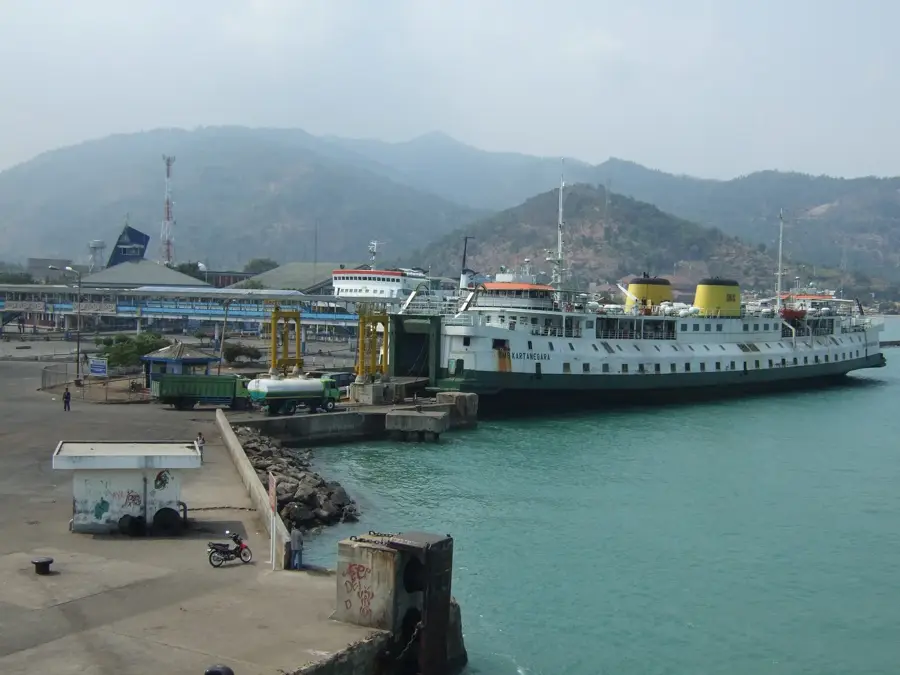
Reaching this remote sanctuary situated on the westernmost tip of Java most commonly involves chartering a boat or joining an organized sea expedition departing from coastal towns like Carita. Overland travel via rugged roads to staging villages is technically possible but frequently arduous, lengthy, and highly dependent on current weather and road conditions.
📅
Best season
The dry season, typically stretching from May to October, unequivocally features the safest navigation conditions across the Sunda Strait and significantly better trail accessibility within the dense jungle. During the fierce wet season, persistent torrential downpours can severely disrupt boat transfers and completely wash out the vital inland trekking paths.
⛰️
Terrain & paths
The protected landscape is a formidable combination of pristine, sweeping coastal beaches and extraordinarily dense, almost impenetrable primary lowland rainforest environments. Trekking routes frequently involve forcefully pushing through thick, humid undergrowth, continuously wading across muddy rivers, and carefully navigating slippery, root-tangled forest floors.
🎒
What to bring
Robust, fast-drying tropical trekking clothing and specialized wet-terrain footwear are absolutely vital for survival and comfort in this intensely humid equatorial climate. Additionally, heavily stocking up on potent insect repellent, reliable anti-leech socks, and completely waterproof dry bags for sensitive electronics is deemed mandatory by experienced rangers.
🅿️
Parking
Motorized vehicles are entirely useless and strictly prohibited within the boundaries of the core national park area, rendering standard parking concepts obsolete here. Any private cars or rented scooters must be securely left behind in designated long-term parking areas at the coastal departure points before officially embarking on the boat journey.
⚠️
Safety
Engaging the services of officially licensed local guides is not just a strong recommendation but a practical necessity to navigate the complex environment and mitigate risks from formidable native wildlife. Strict protocols must be religiously followed to minimize any potential disturbance to the fragile habitat of the exceptionally rare and secretive rhinoceros population.
⏱️
Time needed
Considering the substantial logistical effort simply required to travel to the park boundaries, a mere day trip is considered highly impractical and unsatisfying. Expeditions typically mandate a minimum commitment of three to four days, incorporating overnight stays in basic communal guesthouses or utilizing strategically placed wildlife observation towers.

Geography

Coordinates
-6.75000, 105.33690

Facts

  • Ujung Kulon was designated a UNESCO World Heritage site in 1991.
  • It is the world's last remaining natural habitat for the Javan Rhinoceros.
  • The park spans a total area of approximately 1,206 square kilometers.
  • The 1883 eruption of Krakatoa shaped the park's current ecology.
  • Estimates suggest fewer than 80 Javan Rhinoceroses remain in the wild.
  • Panaitan Island is included within the park's marine protected area.

Explore nearby

Notable places around

Route planner — Car & Motorhome

Where do you start? We build the route here, with stops and country notes along the way.

Vehicle
Only stops with (optional):

© OpenStreetMap contributors · OpenRouteService

Sights in the town Ujung Kulon National Park (1)

Taman Nasional Ujung Kulon🌿 nature

A UNESCO World Heritage site on the tip of Java, the last sanctuary for the Javan rhinoceros.

Sights nearby

Frequently asked questions

Can you see rhinos there?
The Javan rhino is extremely rare and shy, making it hard to spot.
How do you get there?
Mostly by boat from Labuan or Taman Jaya villages.
Is a permit required?
Yes, permits must be obtained at the national park office.
Is the park dangerous?
The wilderness requires a guide and good preparation.
Best time to travel?
The dry season from April to September is convenient for visiting.
Ujung Kulon National Park: where is it located?
Ujung Kulon National Park is located in Indonesia.
Ujung Kulon National Park: why is it worth visiting?

Ujung Kulon National Park, situated at the westernmost tip of Java, serves as the final stronghold for the critically endangered Javan Rhinoceros (Rhinoceros sondaicus).
View on map → The Top 50 Attractions → OpenStreetMap →
Asia
Explore with Plizio Discover more places in Asia
More places in Indonesia →

Nearby cities

More places