Plizio Visual Lab
Létavértes
ℹ️Practical info — Létavértes
▾
🌤 Weather — 5 days
📍 Nearby
Sights nearby
💡 Tips
- Rent a bicycle to explore the flat terrain and cross-border cycling paths near the Romanian border.
- If you visit the local watermill area, bring mosquito repellent during summer evenings.
- Check local boards for wine-tasting events, as the town is part of the historic Érmellék wine region.
- Small local shops often close early on weekends, so buy your essentials by Saturday morning.
🍽 Food
Look for this traditional shepherd's dish made of pasta, potatoes, and bacon at local festivals or traditional taverns.
Taste crisp local white wines directly from the cellars in the nearby vineyard areas.
Enjoy a rich Hungarian meat stew served with dumplings at a local restaurant on the main road.
🛍 Shopping · 🧘 Quiet spots
Buy bottles of local Érmellék wine directly from family-run cellars.
Pick up jars of traditional pickled vegetables at the local farmers' market in the morning.
Take a relaxing walk around the historic watermill and its peaceful surrounding greenery.
Sit by the banks of the local stream for a quiet afternoon of reading or bird watching.
Water temperature…
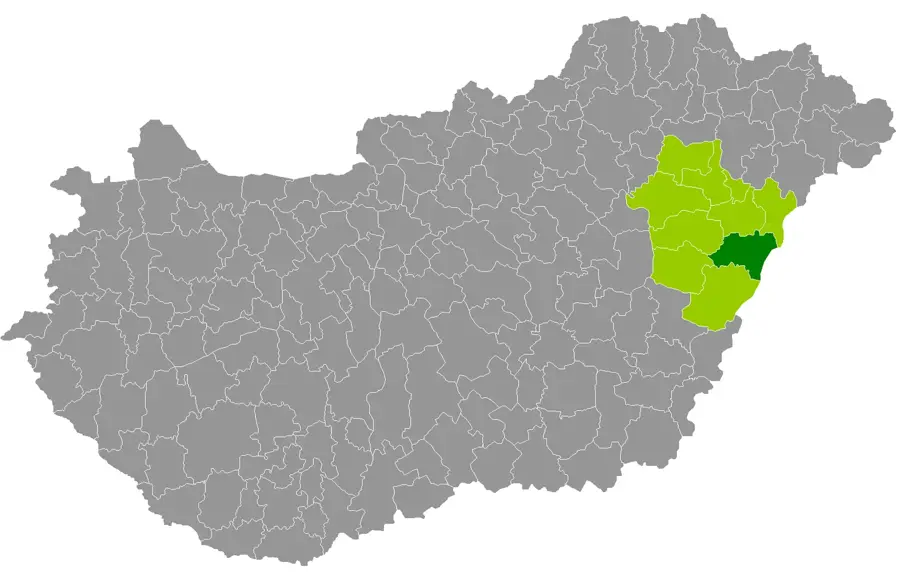
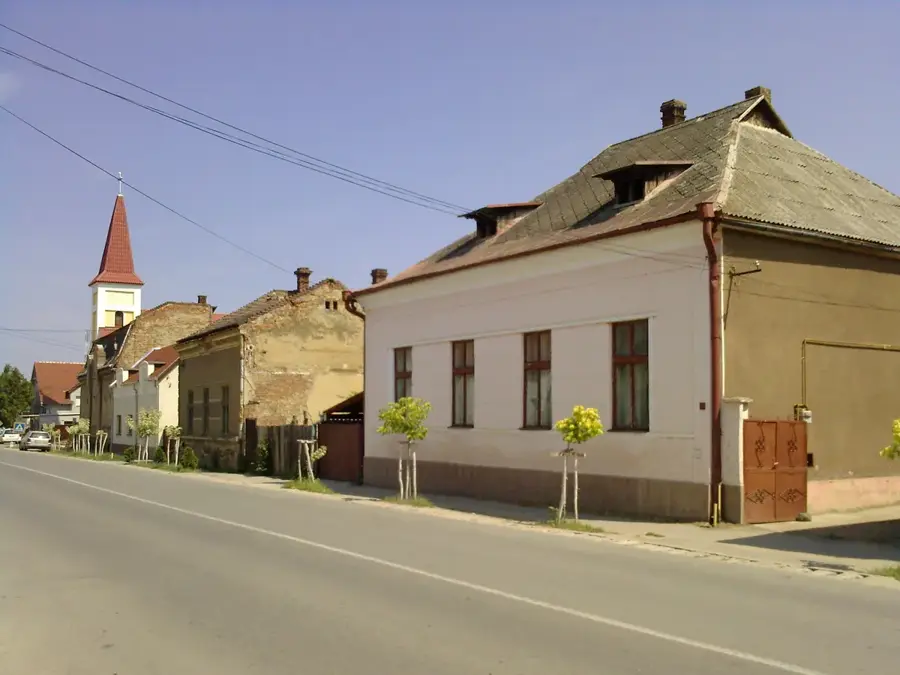
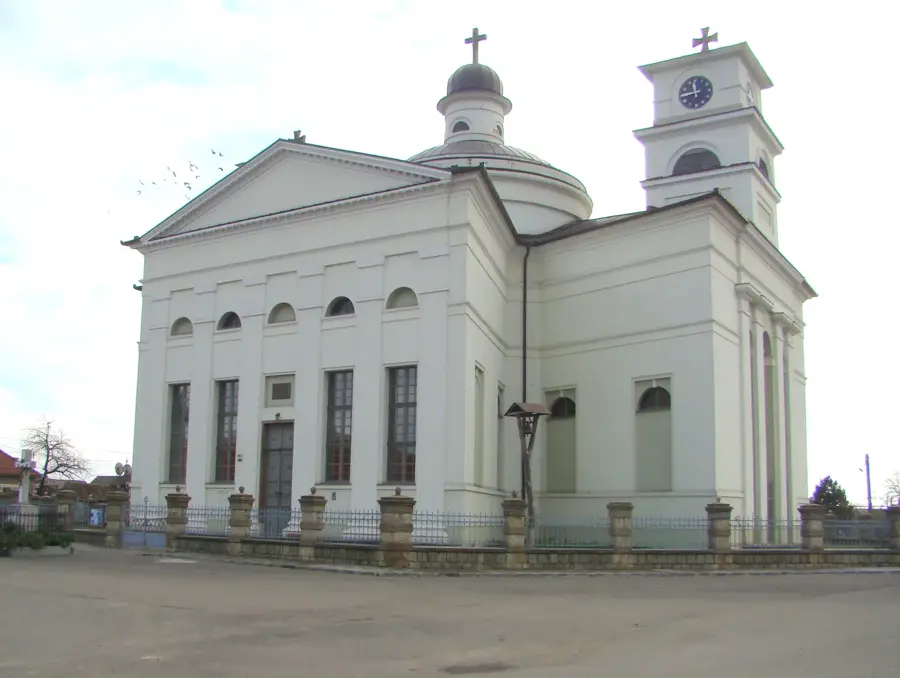
Létavértes is a town in Hajdú-Bihar County, situated directly on the Romanian border, established in 1970 through the merger of Nagyléta and Vértes. The settlement is located at the intersection of the Érmellék and Nyírség regions, which defines its agricultural landscape and natural characteristics. Nagyléta formerly held the rank of a market town and served as a regional economic hub, while the medieval foundations of the church in Vértes date back to the post-conquest era. One of the town's primary cultural assets is the István Rozsnyai Collection, showcasing unique ethnographic items, including a rare blacksmith workshop and historical local documents. The architectural heritage includes a beautifully restored synagogue, serving as a memorial to the once-thriving Jewish community, and Greek Catholic churches catering to both Hungarian and Romanian congregations. The surrounding area is famous for its sand-soil viticulture, with traditional wine cellars carved into the loess hillsides providing a distinctive atmosphere. Today, Létavértes stands as a major center for European horseradish production, with a significant portion of the harvest exported internationally. The nearby reservoirs and forested areas are popular among nature enthusiasts and anglers due to their rich birdlife and tranquil environment on the edge of the Bihar borderlands.
- Location: Hungary
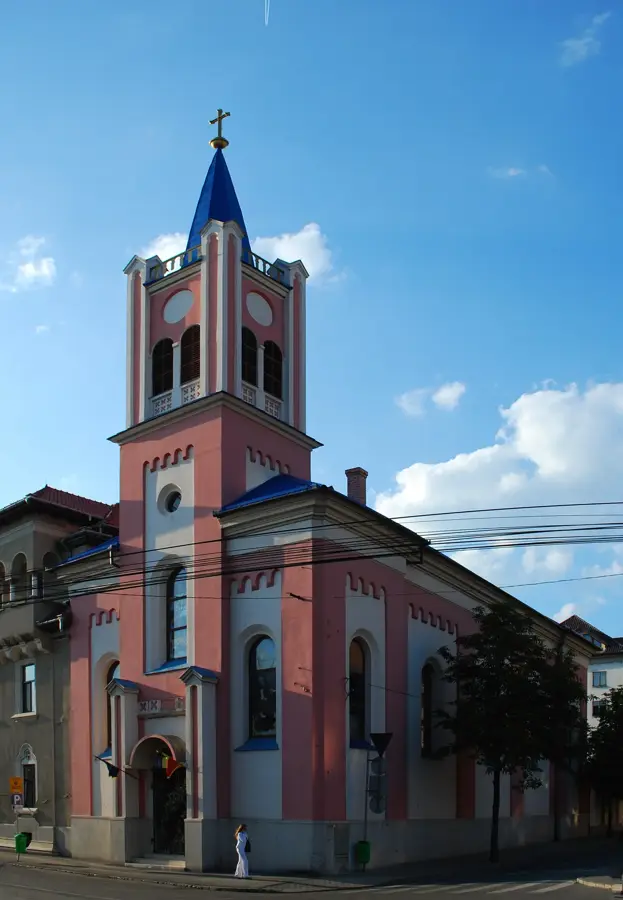
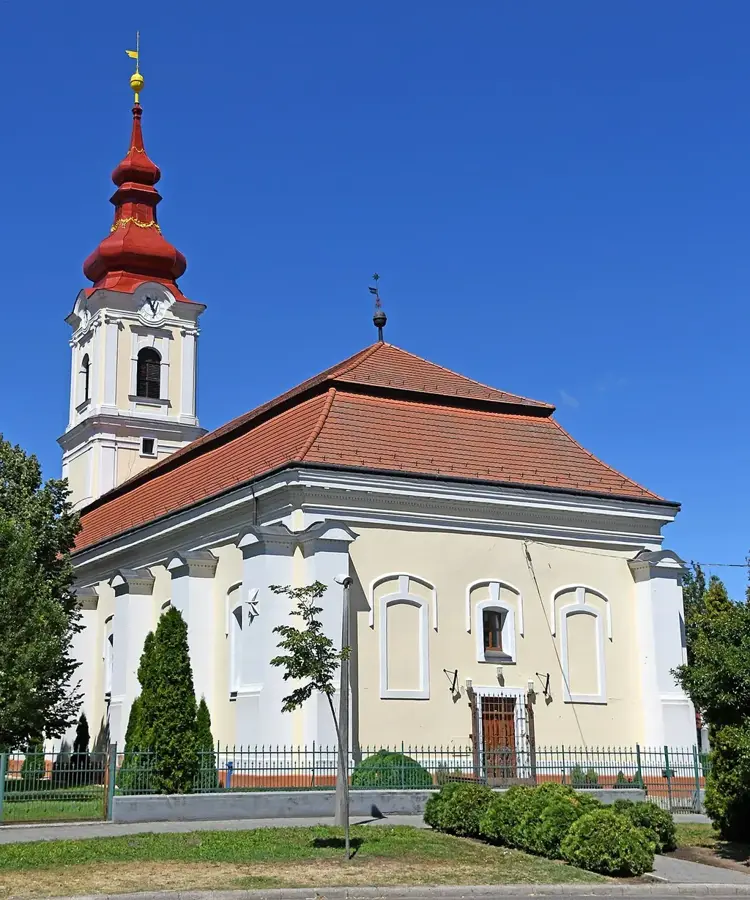
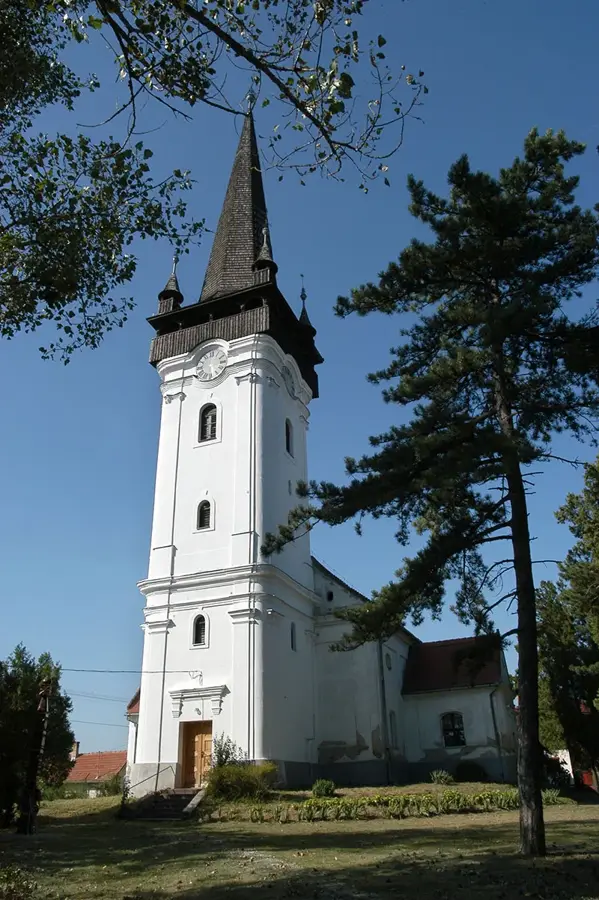
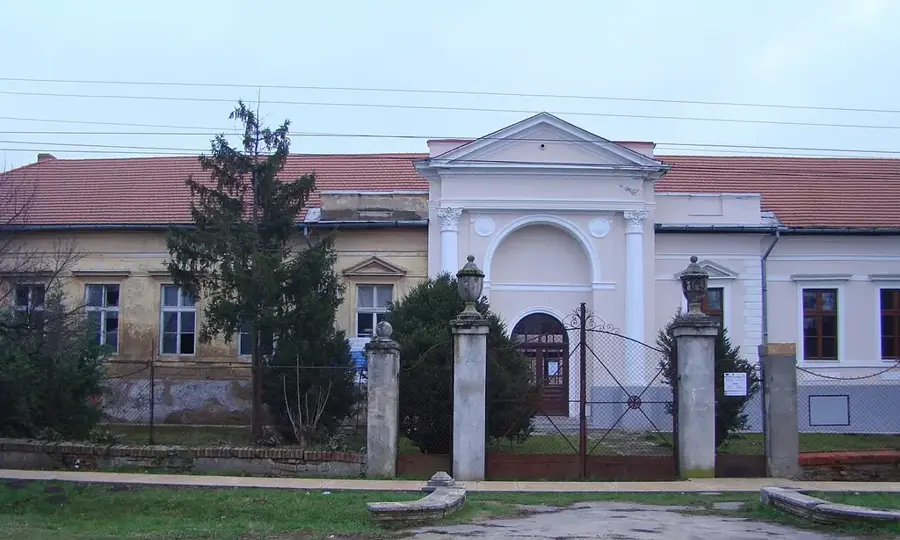
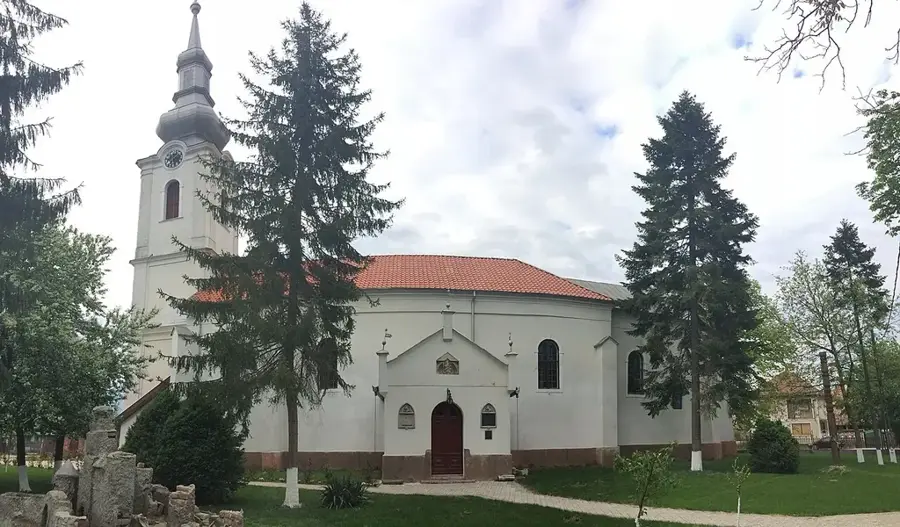
- Top sights: Heimatmuseum of Létavértes · Reformed Church of Nagyléta · Greek Catholic Church of Vértes
- Nearby: Hosszúpályi (11 km)
- Population: ~6.748
Best time to visit & climate
The most pleasant time to visit is Jun, Aug, Sep.
| Jan | Feb | Mar | Apr | May | Jun | Jul | Aug | Sep | Oct | Nov | Dec | |
|---|---|---|---|---|---|---|---|---|---|---|---|---|
| Avg °C | -2 | 1 | 6 | 12 | 17 | 21 | 23 | 23 | 18 | 12 | 6 | 0 |
| Rain mm | 35 | 36 | 40 | 41 | 65 | 75 | 79 | 51 | 52 | 48 | 44 | 43 |
Geography
Facts
- Established in 1970 via merger
- European horseradish export hub
- Home to István Rozsnyai Collection
- Direct border crossing to Romania
- 19th-century restored synagogue
- Significant Romanian ethnic minority
Explore nearby
Notable places around

Route planner — Car & Motorhome
Where do you start? We build the route here, with stops and country notes along the way.
© OpenStreetMap contributors · OpenRouteService
Sights in the town Létavértes (4)
Frequently asked questions
What is the specialty of Létavértes?
Are there functional watermills?
How close is the Romanian border?
What agricultural products are typical?
What can we see in the village museum?
Létavértes: where is it located?
Létavértes: what is there to see?
Létavértes: when is the best time to visit?
Létavértes: why is it worth visiting?

Nearby cities





History & landmarks
Nature