Plizio Visual Lab

Léogâne Plain
Plizio editorial teamData Sources
Relief
—°
Léogâne Plain (Haiti)

Weather…

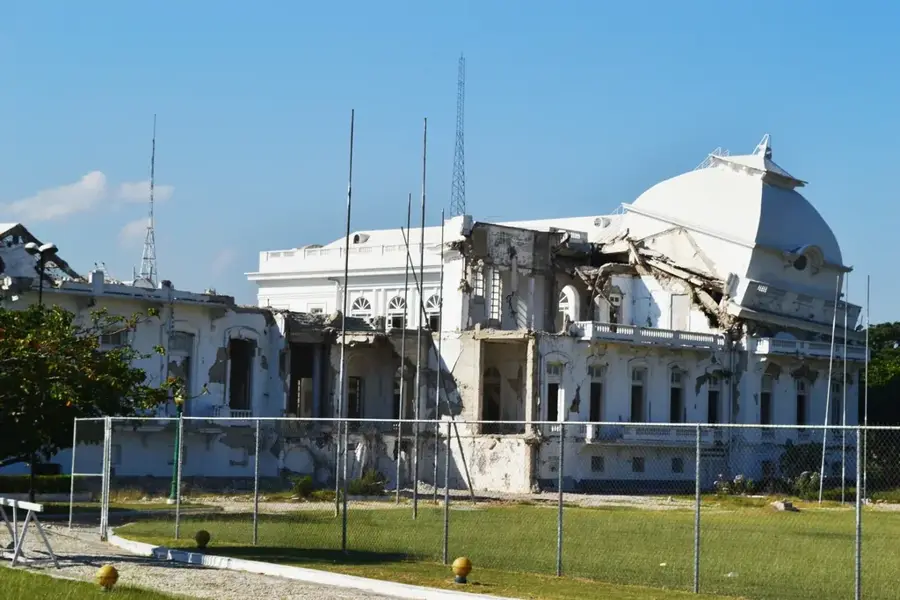
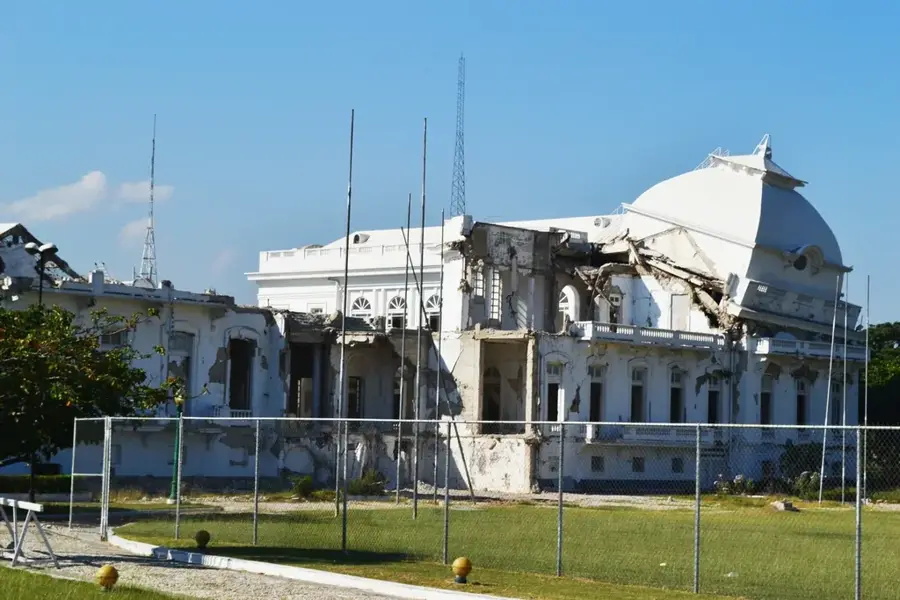
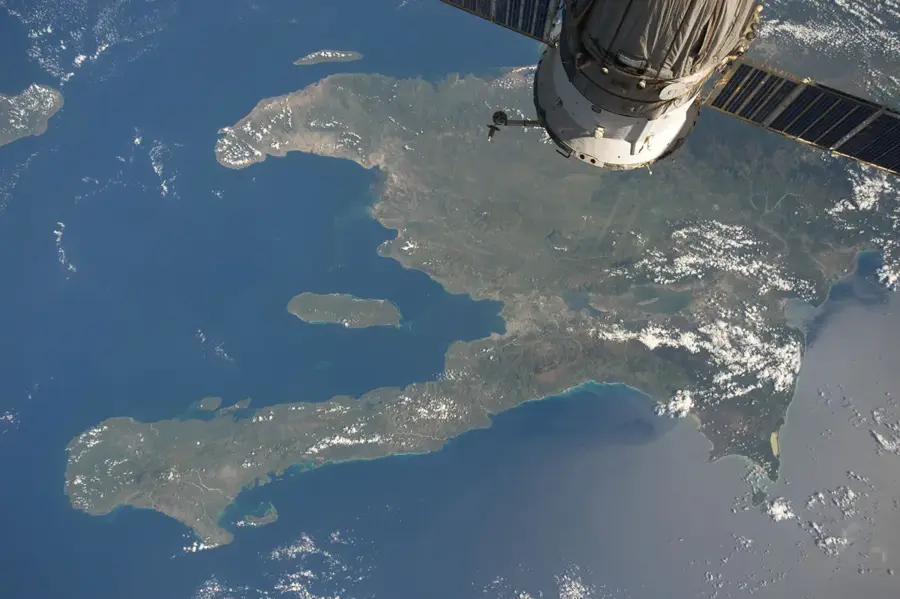
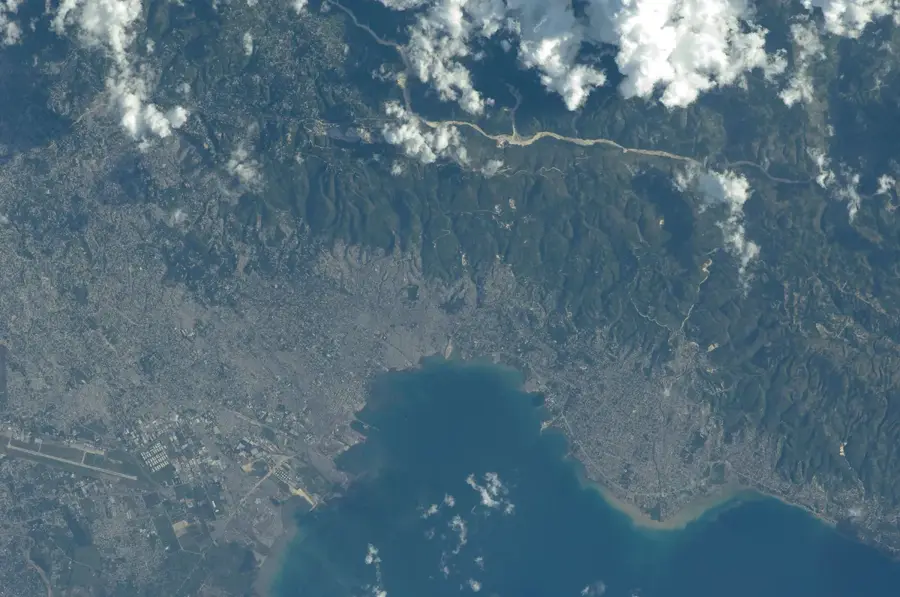
The Léogâne Plain is a fertile coastal lowland west of Port-au-Prince, shaped by alluvial deposits from several rivers, including the Momance. During the French colonial era, this region was one of the most productive areas for sugarcane and indigo cultivation. Agriculture remains central to the local economy today, with crops like bananas and vegetables grown alongside sugarcane for local markets. The plain was catastrophically impacted by the 2010 earthquake, as the epicenter was located nearby. Geologically, the area consists of loose sediments, which led to massive soil liquefaction during the tremors. Rebuilding infrastructure and modernizing irrigation systems are critical tasks for the ongoing economic recovery and future resilience of the region.

Best time to visit & climate

The most pleasant time to visit is Jan–Mar.

JanFebMarAprMayJunJulAugSepOctNovDec
Avg °C262626272828292929282726
Rain mm191625376241386449755628

📋 Practical info

🧭
Getting there
This broad, fertile coastal plain is generally easily and directly accessed by driving west from Port-au-Prince along the primary national highway that connects the bustling capital to the southern peninsula.
📅
Best season
The noticeably drier months spanning from November to March are typically considered the most comfortable time for visiting, successfully avoiding the heavy tropical rains and intense humidity of the long summer season.
⛰️
Terrain & paths
The expansive landscape is predominantly flat and heavily cultivated with historical sugarcane and various other lively crops, featuring rustic rural dirt tracks and essential agricultural roads branching off the highway.
🎒
What to bring
Breathable, highly lightweight tropical clothing, sturdy walking sandals or closed shoes, and significant everyday sun protection are all highly recommended for comfortably exploring this warm agricultural region.
🅿️
Parking
Finding a spot to safely leave a vehicle is usually a rather informal process, often just pulling completely off the main road near local settlements or active agricultural centers, requiring basic spatial awareness.
⚠️
Safety
Visitors should constantly exercise standard situational awareness regarding fast-moving local traffic on the main highway and always respectfully acknowledge the private nature of the intensely farmed agricultural lands.
⏱️
Time needed
Exploring the core agricultural heartland and its surrounding coastal edges typically takes a dedicated half-day trip, very often conveniently combined with broader travel to destinations further out on the beautiful southern peninsula.

Geography

Coordinates
18.50000, -72.60000

Facts

  • Epicenter of the 2010 earthquake was nearby.
  • Heart of Haiti's sugarcane production region.
  • Flowed through by the Momance River.
  • Former stronghold of indigo production.
  • Soil consists of Quaternary alluvium.
  • Key area for plantain (cooking banana) farming.

Explore nearby

Notable places around
Route planner — Car & Motorhome

Where do you start? We build the route here, with stops and country notes along the way.

Vehicle
Only stops with (optional):

© OpenStreetMap contributors · OpenRouteService

Sights nearby

Frequently asked questions

What is the Léogâne Plain?
It is a fertile alluvial plain known for its agriculture and rum production.
What is mainly grown here?
Sugar cane is the most important crop in the region.
How far is it from Port-au-Prince?
The plain begins approximately 30 km west of the capital.
Which spirit is famous here?
The region is famous for Clairin, a traditional Haitian rum.
When should you visit the plain?
During the harvest season, you can see traditional mills in operation.
Léogâne Plain: where is it located?
Léogâne Plain is located in Haiti.
Léogâne Plain: when is the best time to visit?
The most pleasant time to visit is Jan, Mar.
Léogâne Plain: why is it worth visiting?

The Léogâne Plain is a fertile coastal lowland west of Port-au-Prince, shaped by alluvial deposits from several rivers, including the Momance.
View on map → The Top 50 Attractions → OpenStreetMap →
North America
Explore with Plizio Discover more places in North America
More places in Haiti →

More places