Plizio Visual Lab
Cap-Haïtien Marine Reserve
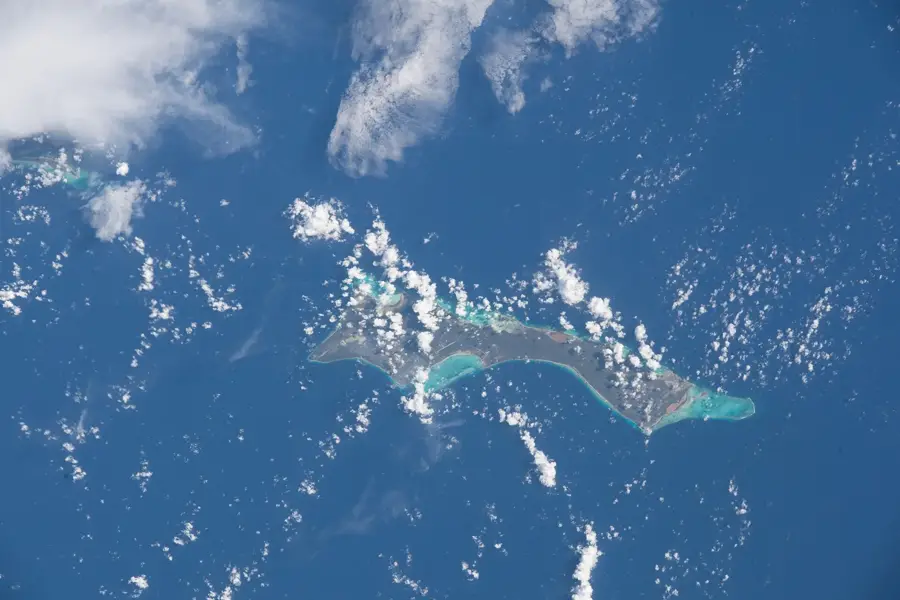
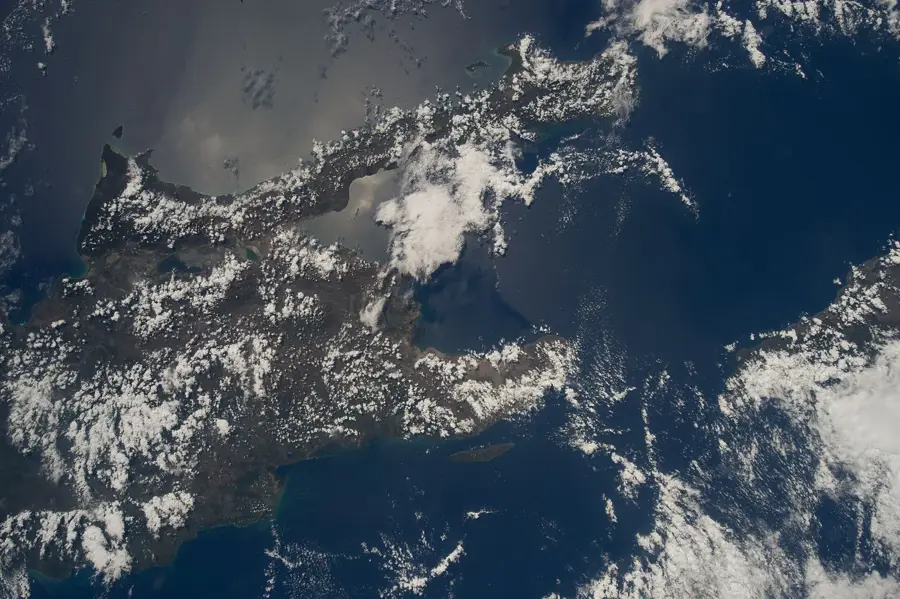
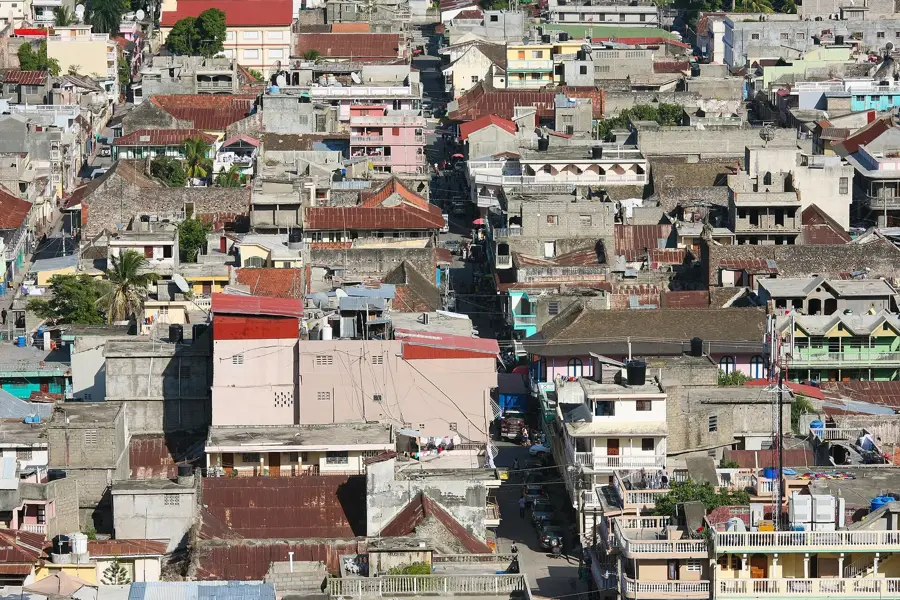
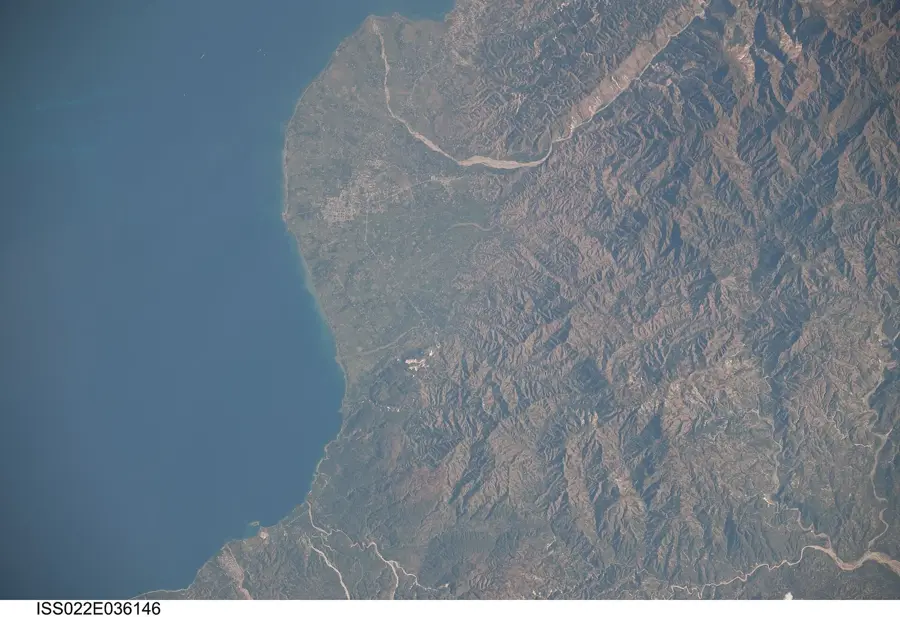
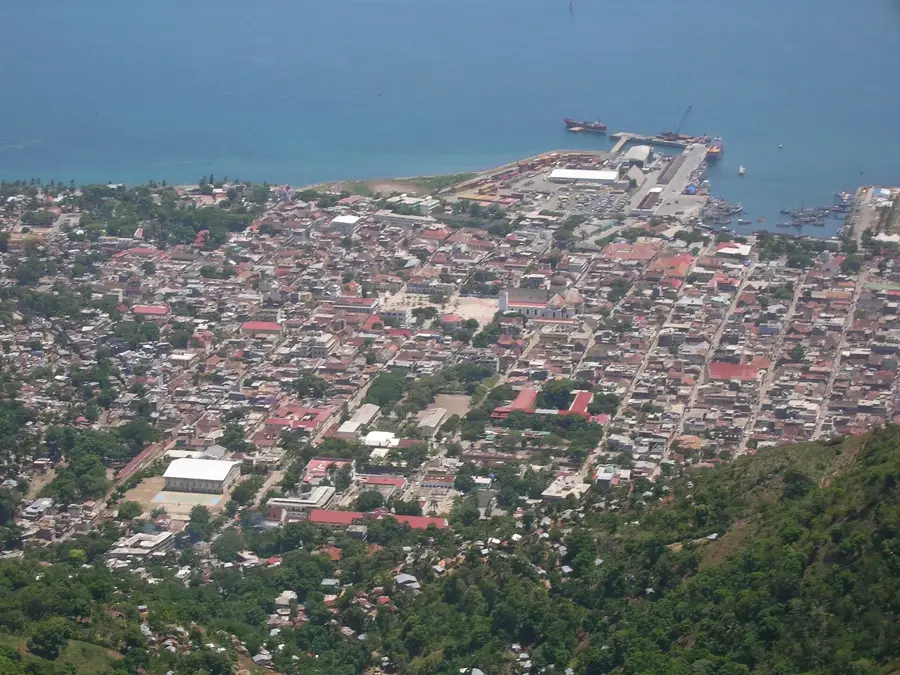
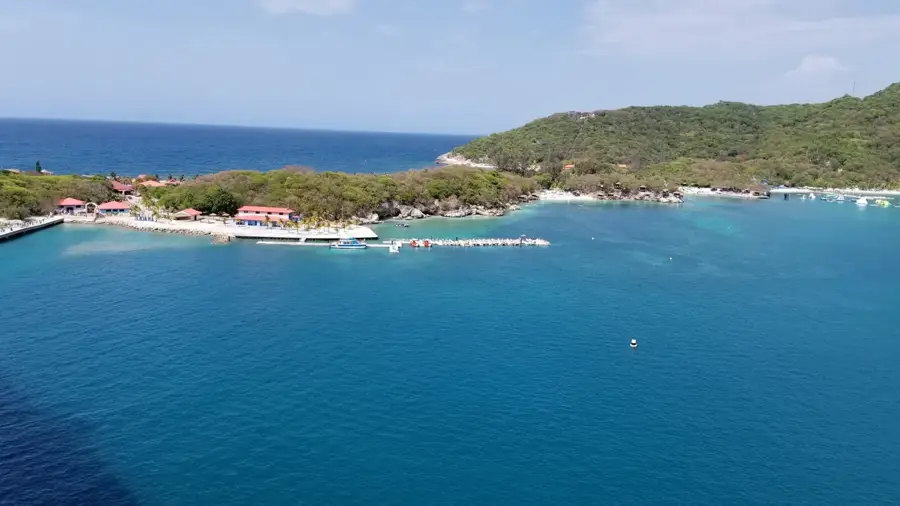
The Cap-Haïtien Marine Reserve protects the valuable marine ecosystems along Haiti's north coast, near the country's second-largest city. Cap-Haïtien, founded in 1670, has a rich history as a former colonial capital and serves today as the gateway to significant historical sites. The reserve encompasses extensive coral reefs, seagrass beds, and coastal mangroves that are vital for Caribbean biodiversity. These habitats act as nurseries for various fish species and shield the coastline from erosion and storm damage. Geographically, the area is defined by the Bay of Cap-Haïtien and offshore islands such as Île à Rat. The reserve promotes sustainable fishing practices and ecological tourism to alleviate pressure on natural resources. Scientific studies have confirmed the presence of rare species, including the West Indian manatee and several types of sea turtles. Protecting this area is closely linked to the region's economic future, as it secures fish stocks and maintains the environmental appeal for visitors.
- Location: Haiti
- Top sights: Cap-Haïtien Arrondissement · Cap-Haïtien fuel tanker explosion · Parc Saint-Victor
- Nearby: Bassin Zim (30 km)
Best time to visit & climate
The most pleasant time to visit is Jan–Mar.
| Jan | Feb | Mar | Apr | May | Jun | Jul | Aug | Sep | Oct | Nov | Dec | |
|---|---|---|---|---|---|---|---|---|---|---|---|---|
| Avg °C | 26 | 25 | 25 | 26 | 27 | 28 | 28 | 29 | 29 | 28 | 27 | 26 |
| Rain mm | 38 | 22 | 37 | 41 | 74 | 53 | 53 | 65 | 81 | 90 | 91 | 45 |
📋 Practical info
Geography
Facts
- Cap-Haïtien was officially established in the year 1670.
- The city served as the capital of Saint-Domingue until 1770.
- The marine reserve includes several offshore coral pinnacles.
- Île à Rat is a well-known diving site within the reserve boundaries.
- Coastal erosion affects about 15% of the unprotected north coast.
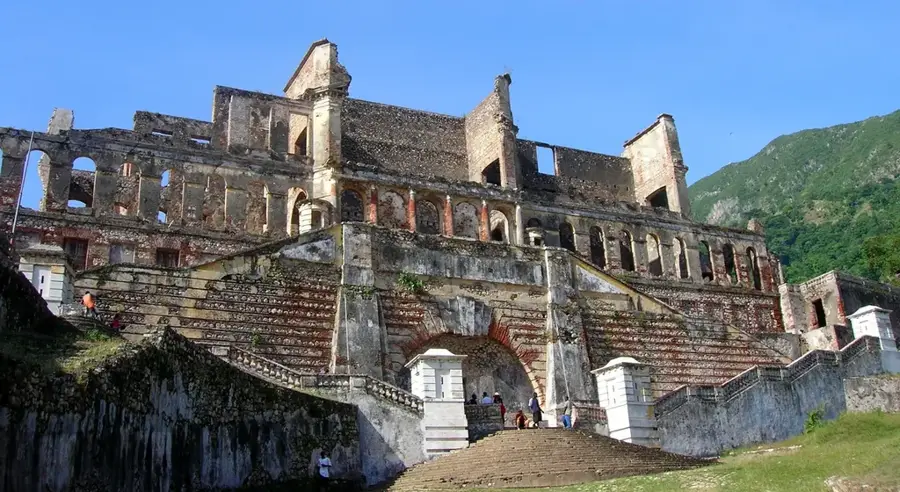
- The region is also home to the Citadelle National Historical Park.
Explore nearby
Notable places around

Route planner — Car & Motorhome
Where do you start? We build the route here, with stops and country notes along the way.
© OpenStreetMap contributors · OpenRouteService
Sights in the town Cap-Haïtien Marine Reserve (3)
Sights nearby
Frequently asked questions
Is diving allowed in the reserve?
What types of coral are found there?
Are there boat tours from Cap-Haïtien?
Do you have to pay a fee for access?
Is fishing allowed there?
Cap-Haïtien Marine Reserve: where is it located?
Cap-Haïtien Marine Reserve: what is there to see?
Cap-Haïtien Marine Reserve: when is the best time to visit?
Cap-Haïtien Marine Reserve: why is it worth visiting?

Nearby cities
History & landmarks

More places