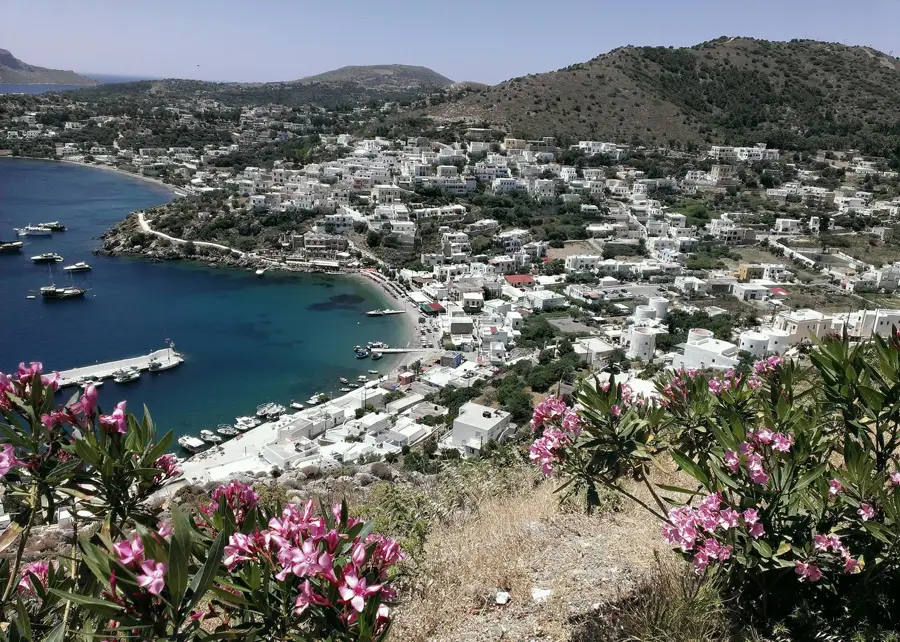
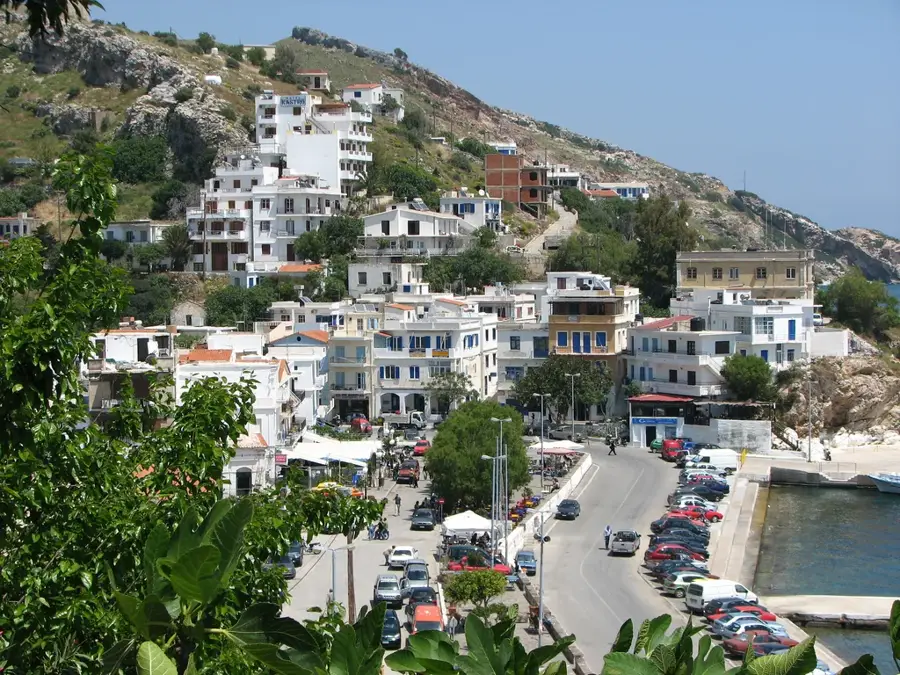
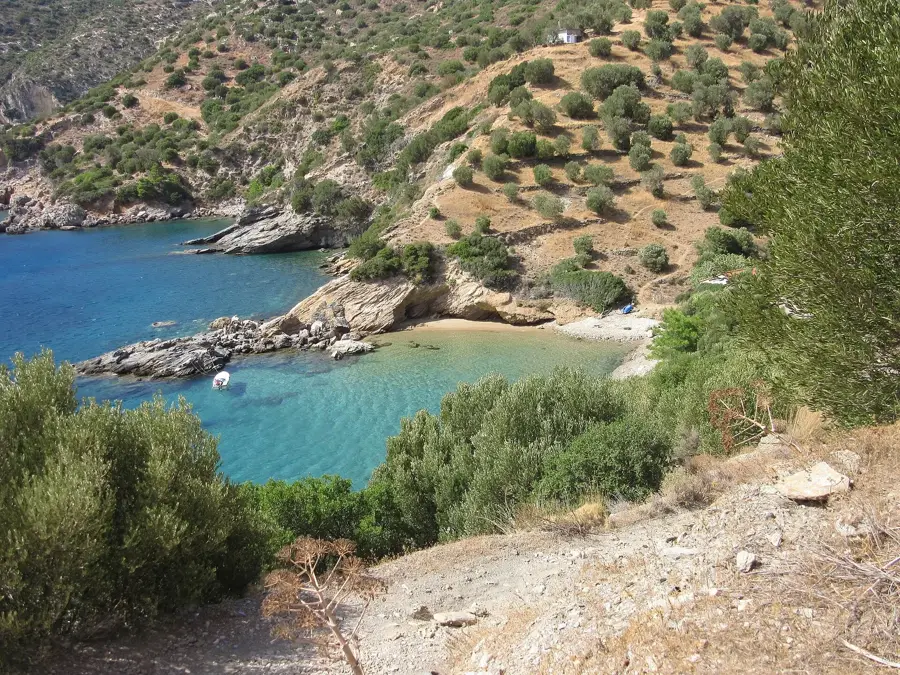
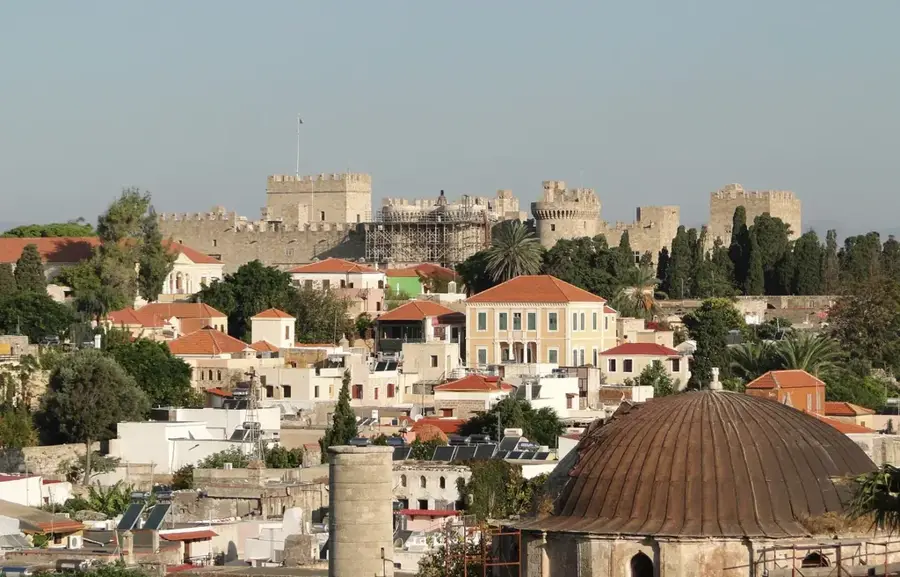
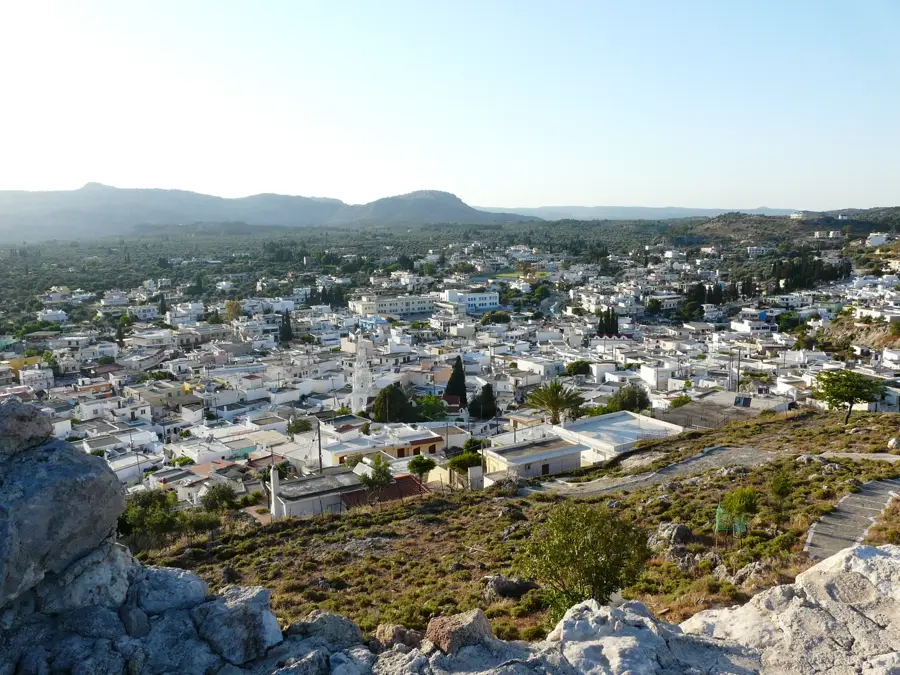
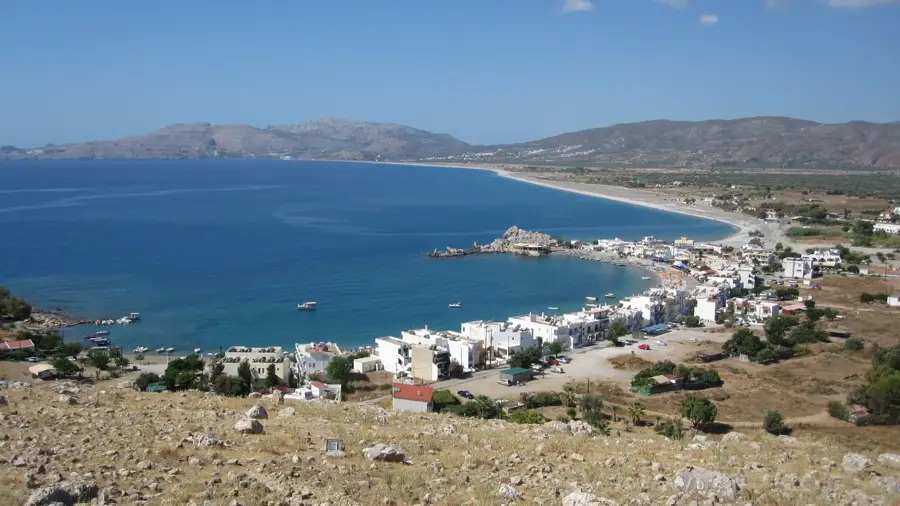
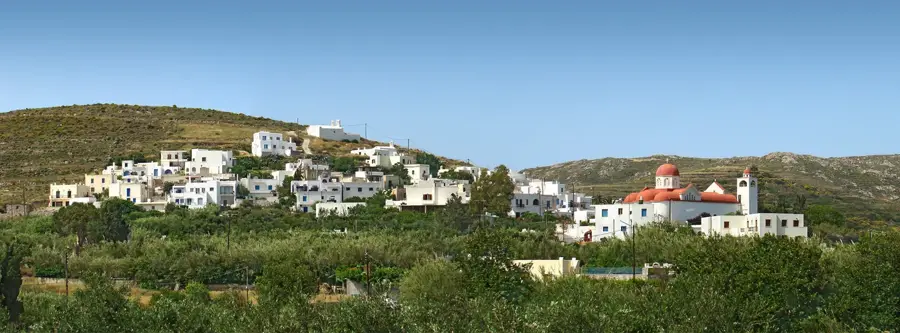
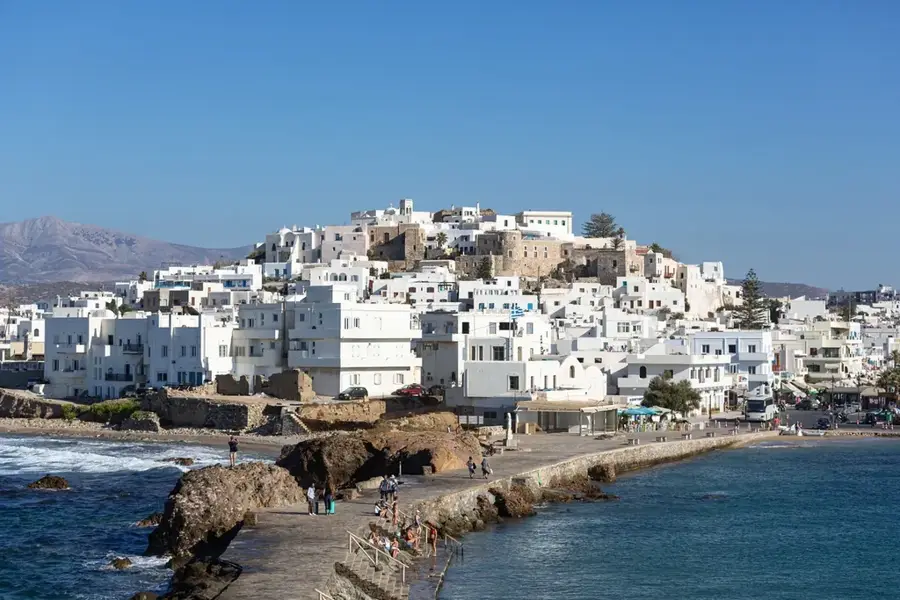
Patmos Town, commonly known as Chora, is an outstanding example of a medieval Aegean settlement and was designated a UNESCO World Heritage site in 1999. The town clings to the slopes surrounding the imposing Monastery of Saint John the Theologian, founded in 1088 by the monk Christodoulos, which resembles a massive fortress. The architecture of Chora features whitewashed houses dating back to the 16th and 17th centuries, connected by narrow, labyrinthine alleys and small courtyards. This layout was originally designed to provide defense against pirate raids. Historically, the location is deeply tied to Christian tradition, as Saint John the Evangelist is said to have authored the Book of Revelation here. Chora maintains its aristocratic character even today, marked by the grand mansions of wealthy sea captains. Despite modern tourism, the town has preserved its spiritual tranquility and authenticity. Culturally and religiously, it remains one of the most significant pilgrimage sites of the Orthodox Church worldwide.
Location: Greece
Top sights: Saint Theologos Beach · Sapsila · Aspri
Nearby: Leros (32 km)
Population: ~541
Best time to visit & climate
The most pleasant time to visit is May, Jun, Oct.
Jan
Feb
Mar
Apr
May
Jun
Jul
Aug
Sep
Oct
Nov
Dec
Avg °C
13
13
14
16
19
23
25
26
23
21
17
14
Rain mm
124
93
55
34
21
7
2
1
17
44
81
107
Geography
Population
541
Coordinates
37.31670, 26.55000
Facts
UNESCO World Heritage site since 1999
Monastery founded by Christodoulos in 1088
Houses date mostly from the 16th century
Situated at the highest point of Patmos island
Contains the historically significant Cave of Revelation
Architecture served as a defense against pirate raids
Pick weather + travel mode, get a concrete day plan.
09:00→17:403 km walk7 places0/7
Day budget: ≈ 22–30 €Entries 26€ · Transport 0€
Start your day exploring the labyrinthine alleys of Chora, a UNESCO World Heritage site. Mid-morning, visit the iconic windmills and the imposing Monastery of Saint John, offering breathtaking views. After lunch, descend to the sacred Cave of the Apocalypse. The afternoon is reserved for a relaxing coffee in Agia Lesvia Square before enjoying a traditional Greek dinner.
← swipe for more places →
📍
09:10 · 47'
Chora Old Town
Get lost in the alleys; every corner is worth a photo.
The morning in Chora starts grey, but the narrow alleys provide good shelter from the wind. At noon, retreat to the Simantiri Mansion, where thick walls make you forget the rain. In the afternoon, head down to the Cave of the Apocalypse, which feels even more mystical in the damp weather. We end the evening in a cozy taverna with local wine, listening to the rain outside.
The winter morning sun glitters on the sea as we explore Chora almost in solitude. At noon, the mild Greek sun warms the church square, perfect for a short rest. The afternoon is dedicated to the silence of the monastery and cave, far from the summer crowds. Since the sun sets around 17:00, we enjoy the golden light over Skala harbor with a warm drink.
Start your bike tour from Skala, heading uphill to the Cave of the Apocalypse. Mid-morning, explore the alleys of Chora and visit the monumental Monastery of Saint John. After a photo stop at the windmills, cycle to the picturesque bay of Grikos for a relaxed lunch and a dip in the sea. The day concludes with a leisurely ride back to Skala to enjoy the port's atmosphere.
← swipe for more places →
📍
09:10 · 47'
Cave of the Apocalypse
The ride is steep, but the spiritual atmosphere is worth it.
The bike tour starts refreshingly in the rain towards the cave. The climb to Chora requires strength and focus on the wet asphalt. At noon, we warm up in the monastery before passing the windmills. The descent to Grikos is windy; once there, we enjoy the view of the grey Aegean from a covered cafe before safely returning to Skala.
A cool breeze accompanies us on the ride to the cave in the morning. The climb to Chora gets the heart rate up and keeps us warm. At noon, we enjoy the silence of the monastery district. The windmills provide a dramatic backdrop against the winter sky. In the afternoon, we cycle to the quiet bay of Grikos, where the winter stillness is palpable, reaching Skala just in time for sunset.
Start your day by driving to the Chora parking area. The morning is dedicated to the sacred cluster: the Monastery of St. John, the windmills, and the alleys of Chora, all explored on foot. After the spiritual stop at the Cave of the Apocalypse, drive north to Lambi beach for lunch and relaxation. The afternoon's highlight is the drive to the remote Psili Ammos for an unforgettable sunset before returning to Skala for dinner.
← swipe for more places →
📍
09:10 · 47'
Monastery of St. John & Chora (Cluster 1)
Park below Chora and walk up. Arrive early to beat the crowds.
By car, we explore Patmos today in a relaxed and dry manner. In the morning, we visit the monastery and Chora while rain drums on the windows. At noon, the windmills offer a raw, beautiful sight. In the afternoon, we head to the cave and then to Lambi Beach, where the colored stones glow intensely in the rain. We end the day with a pleasant dinner in Skala.
Patmos in winter by car is a privilege of tranquility. We drive to the monastery in the morning, without parking worries in Chora. The air is fresh, and the view from the windmills reaches neighboring islands. In the afternoon, we visit the cave and the lonely Lambi beach. The sunset at Psili Ammos is especially colorful in the winter light before we spend the evening in Skala.
← swipe for more places →
📍
09:10 · 47'
Monastery of St. John & Chora (Cluster 1)
Parking spots are easily found right at the entrance in winter.
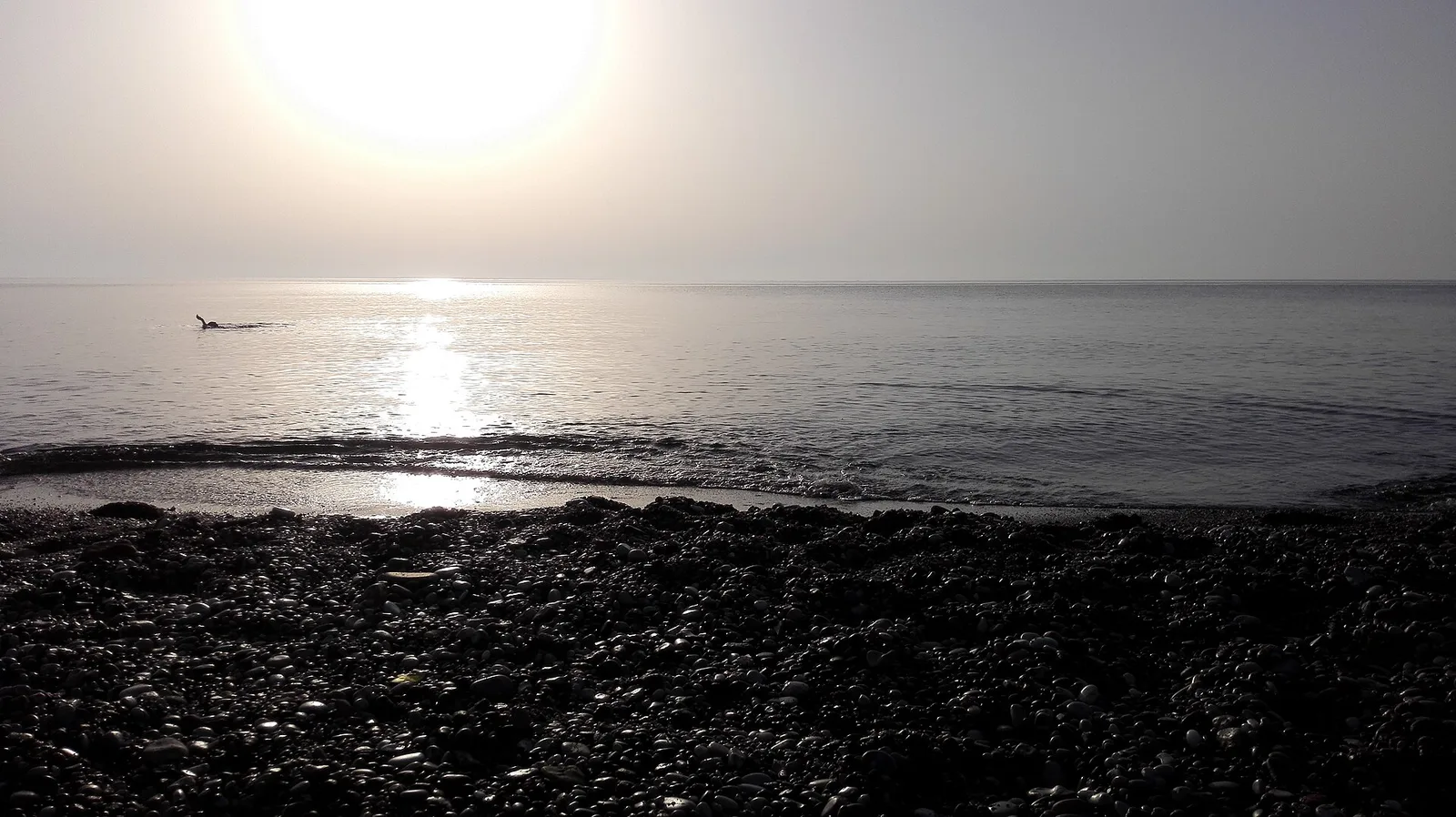
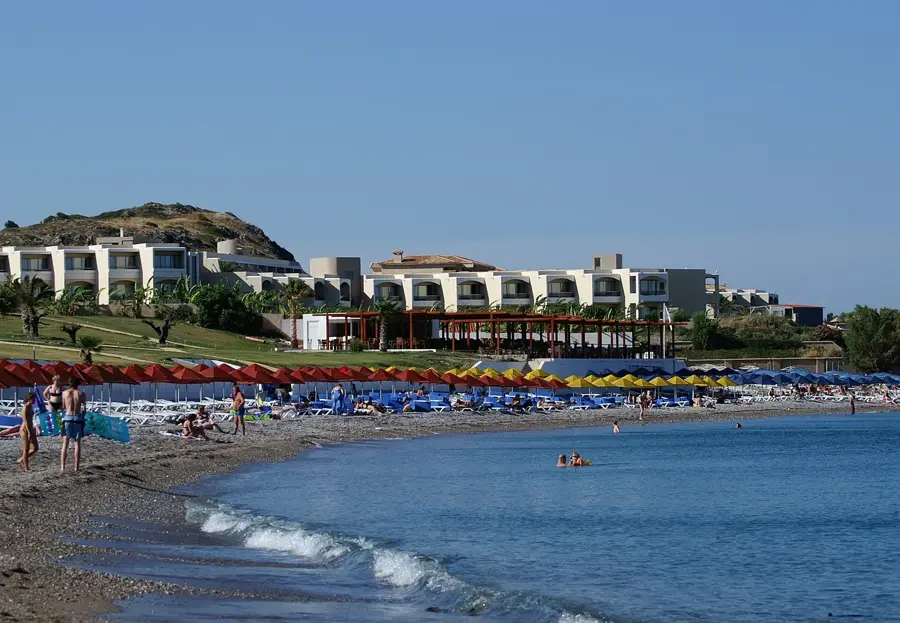
This characterful stretch of beach near Patmos Town captures the typical island vibe of Patmos. Travelers can soak up the sun and enjoy the salty sea breeze in a relatively tranquil setting. It serves as an excellent spot for a relaxing afternoon by the sea.
Sapsila🎡 recreation
Sapsila is a beach on Patmos island.
Aspri🎡 recreation
Aspri is a beach on Patmos.
Monastery of Patmos🏰 castle
A fortified medieval monastery and UNESCO World Heritage site overlooking Patmos.
Ormos Meloi📍 landmark
A sheltered bay on Patmos island with a sandy beach and clear waters.
Joannis Cave📍 landmark
A cave on Patmos traditionally associated with the writing of the Book of Revelation.
🕒 08:00-13:30; Su,Tu,Th 16:00-18:00
Nikolaidis Mansion📍 landmark
A historic 18th-century mansion in Patmos Town showcasing traditional architecture.
Profitis Ilias⛪ religious
A small church dedicated to Prophet Elias, located at the highest point of Patmos.
Paidiki Chara Skalas👨👩👧 family
The Παιδική Χαρά Skalaς playground in Patmos Town provides a great outdoor play area for children to enjoy.
Frequently asked questions
What is the main sight in Patmos Town (Chora)?
The fortified Monastery of Saint John the Theologian, a UNESCO World Heritage site.
What is the Cave of the Apocalypse?
The place where, according to tradition, Saint John the Evangelist wrote the Revelation.
Are cars allowed in Chora?
The narrow streets are mostly pedestrianized; parking is available on the village outskirts.
How do you reach Patmos?
Only by ferry, mostly from Piraeus or neighboring islands like Samos, Kos, and Leros.
When is the festival of sacred music held?
Annually in late summer (August/September), outdoors in front of the cave.
Patmos Town: where is it located?
Patmos Town is located in Greece.
Patmos Town: what is there to see?
Highlights include Saint Theologos Beach, Sapsila, Aspri.
Patmos Town: when is the best time to visit?
The most pleasant time to visit is May, Jun, Oct.
Patmos Town: why is it worth visiting?
Patmos Town, commonly known as Chora, is an outstanding example of a medieval Aegean settlement and was designated a UNESCO World Heritage site in 1999.