Plizio Visual Lab
Rangiroa Lagoon Sanctuary
Weather…
Water temperature…
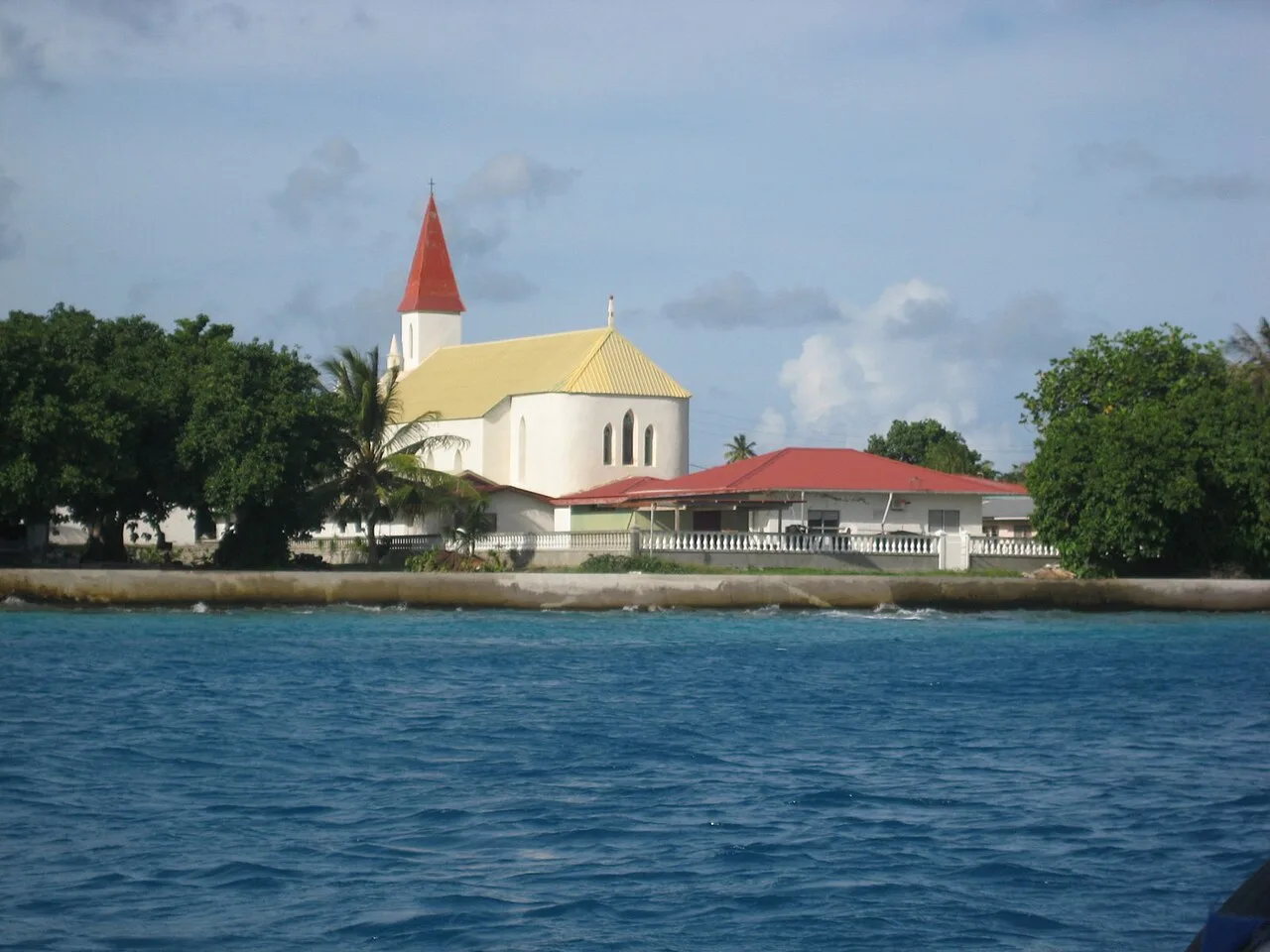
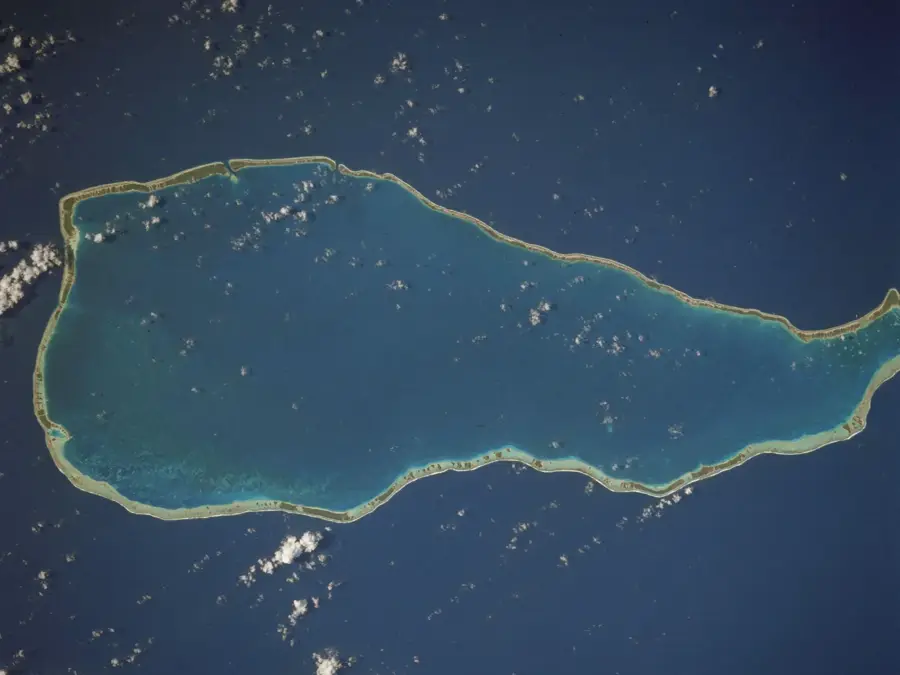
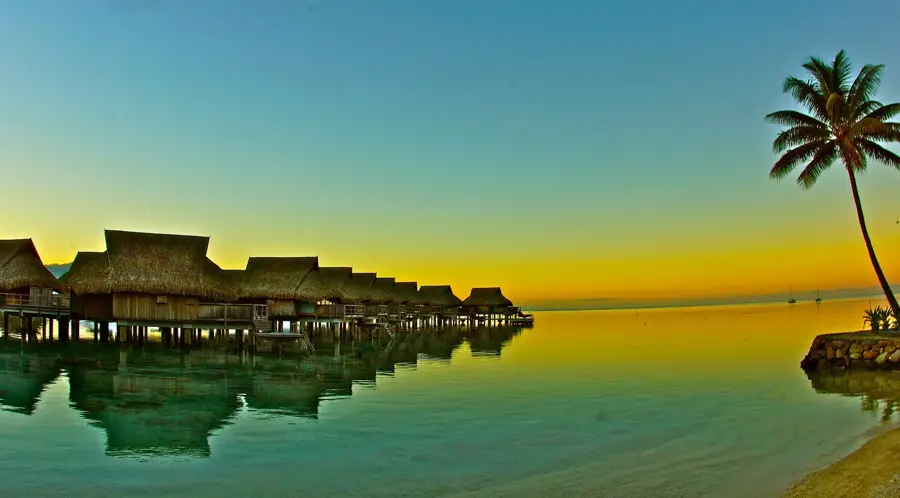
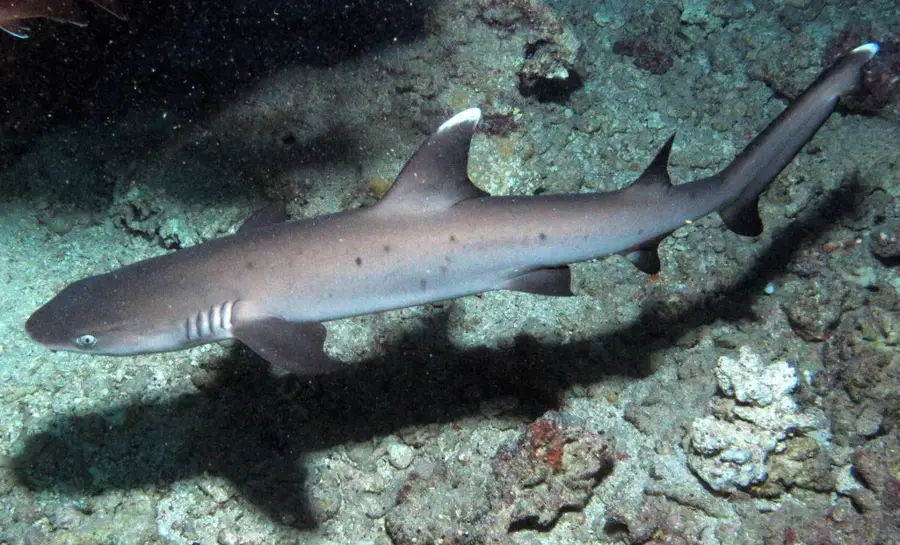
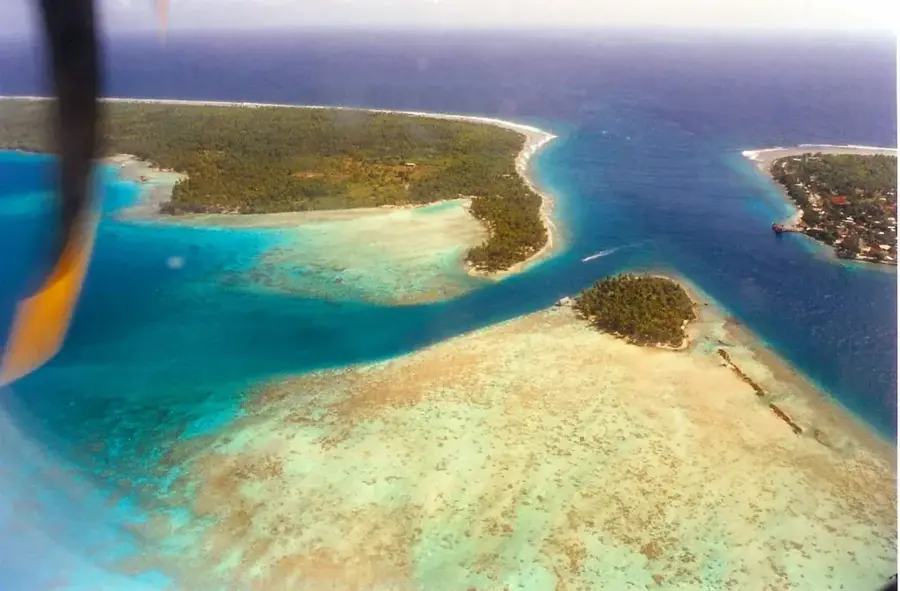
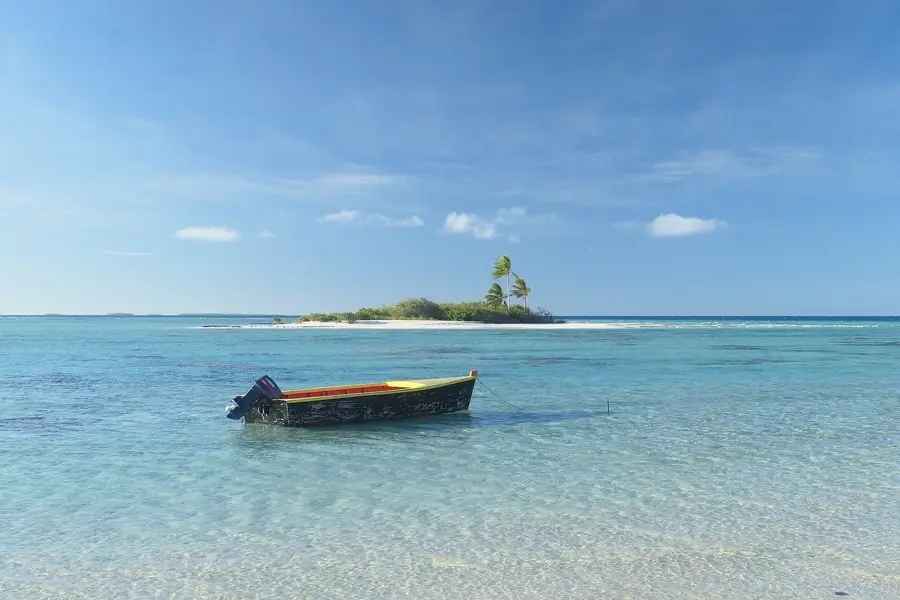
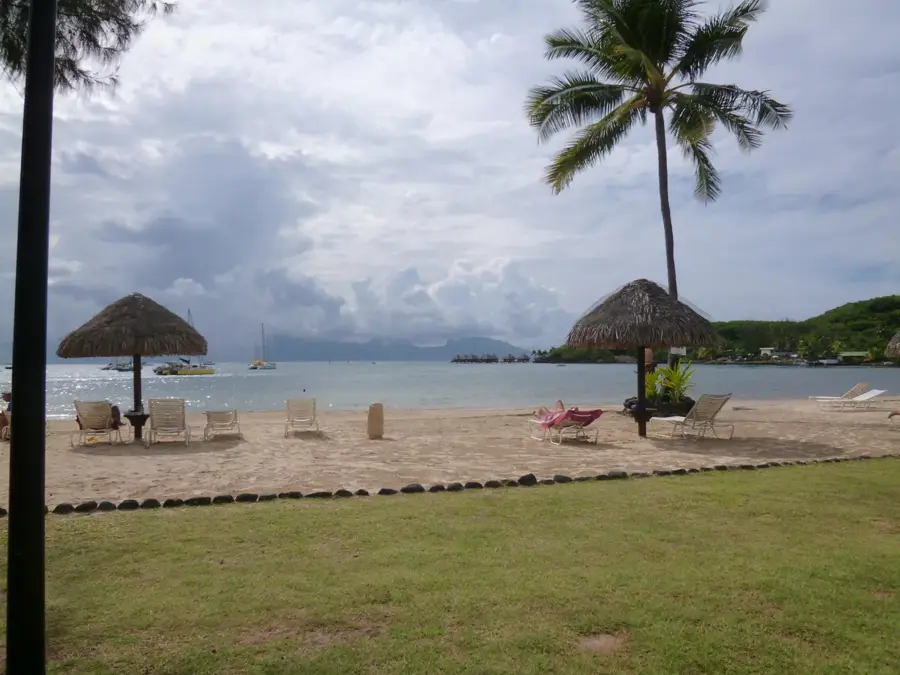
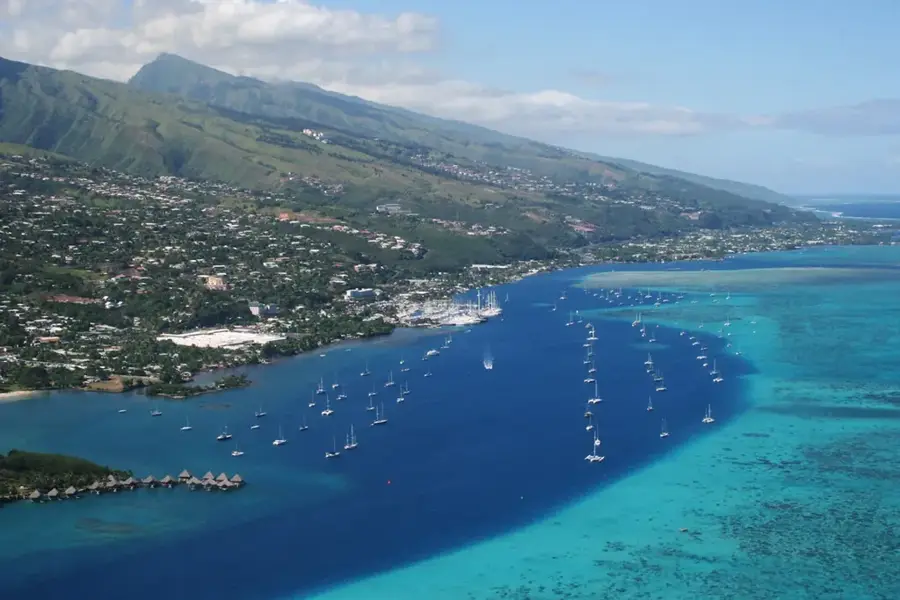
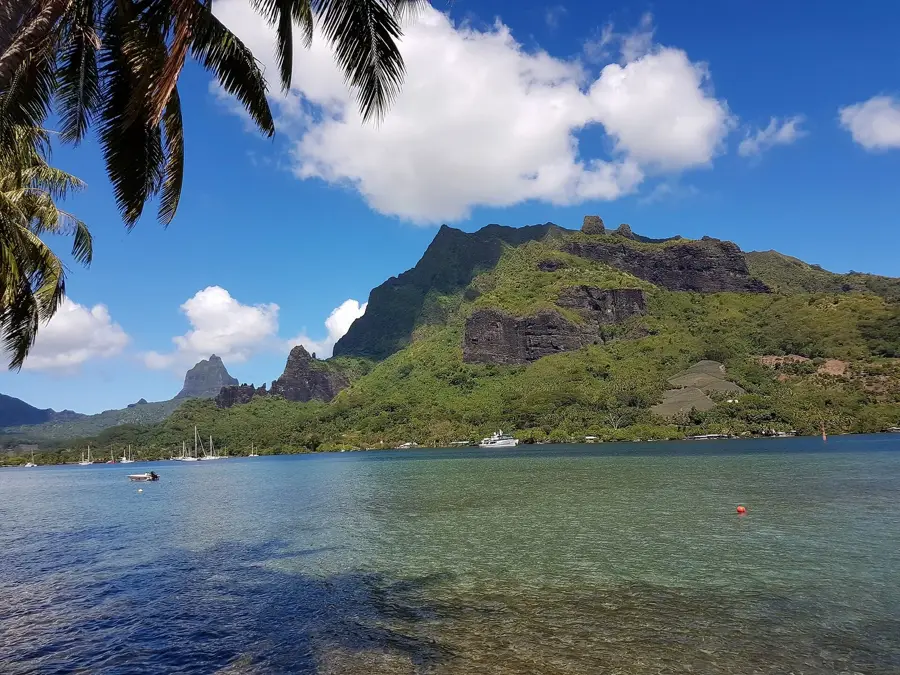
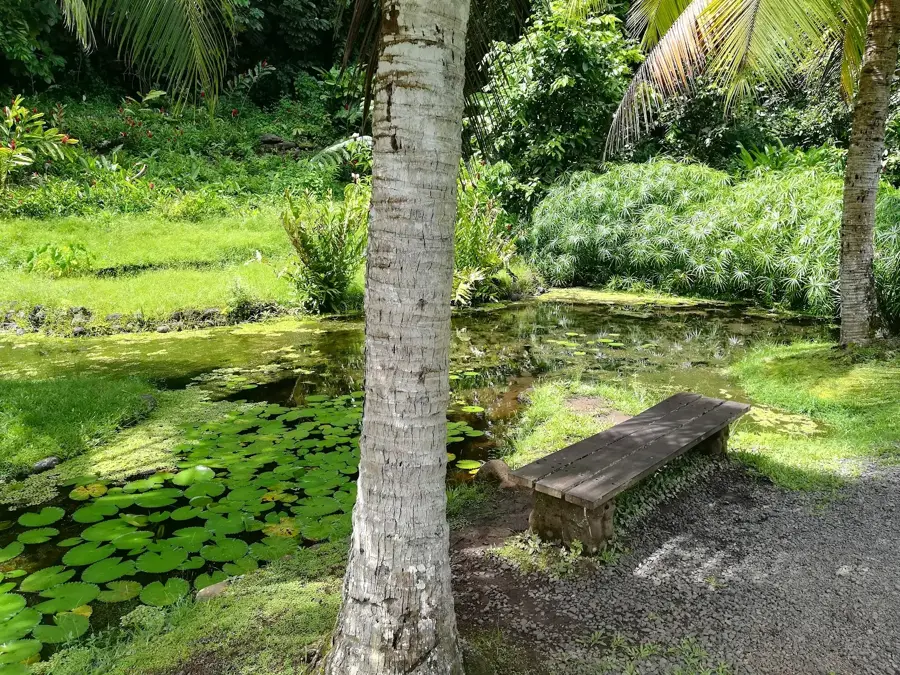
Rangiroa Lagoon Sanctuary encompasses the world's second-largest lagoon, covering 1,440 km². The atoll consists of about 240 motus and is known for rich marine biodiversity including sharks, manta rays, and dolphins. The lagoon reaches depths of 35 meters and hosts over 500 fish species. The sanctuary was established in 1998 to protect coral reefs and fish stocks. The passes between motus are famous for strong currents and diving. The islands are covered with coconut palms and pandanus. The local population of about 2,500 engages in pearl farming and fishing. The sanctuary is an important site for scientific research on coral reefs. The lagoon is also habitat for the green sea turtle (Chelonia mydas).
- Location: French Polynesia
- Top sights: Palliser Islands · Rangiroa
- Nearby: Tiputa (15 km)
Best time to visit & climate
The most pleasant time to visit is Jul–Sep.
| Jan | Feb | Mar | Apr | May | Jun | Jul | Aug | Sep | Oct | Nov | Dec | |
|---|---|---|---|---|---|---|---|---|---|---|---|---|
| Avg °C | 28 | 28 | 28 | 28 | 28 | 27 | 27 | 26 | 26 | 27 | 27 | 27 |
| Rain mm | 175 | 165 | 124 | 78 | 96 | 66 | 40 | 29 | 36 | 74 | 114 | 179 |
📋 Practical info
Geography
Facts
- The lagoon covers 1,440 km².
- It is the second largest in the world.
- The atoll has about 240 motus.
- Depth reaches up to 35 m.
- Over 500 fish species live here.
- The sanctuary was established in 1998.
Explore nearby
Notable places around



Route planner — Car & Motorhome
Where do you start? We build the route here, with stops and country notes along the way.
© OpenStreetMap contributors · OpenRouteService
Sights in the town Rangiroa Lagoon Sanctuary (2)
Sights nearby
Frequently asked questions
What is special about the Rangiroa Lagoon Sanctuary?
Can you also snorkel there?
Do you need a boat?
Is there a hotel there?
What is the best travel time?
Rangiroa Lagoon Sanctuary: where is it located?
Rangiroa Lagoon Sanctuary: what is there to see?
Rangiroa Lagoon Sanctuary: when is the best time to visit?
Rangiroa Lagoon Sanctuary: why is it worth visiting?

Nearby cities


History & landmarks