Plizio Visual Lab
Raivavae Taro Fields
Weather…
Water temperature…
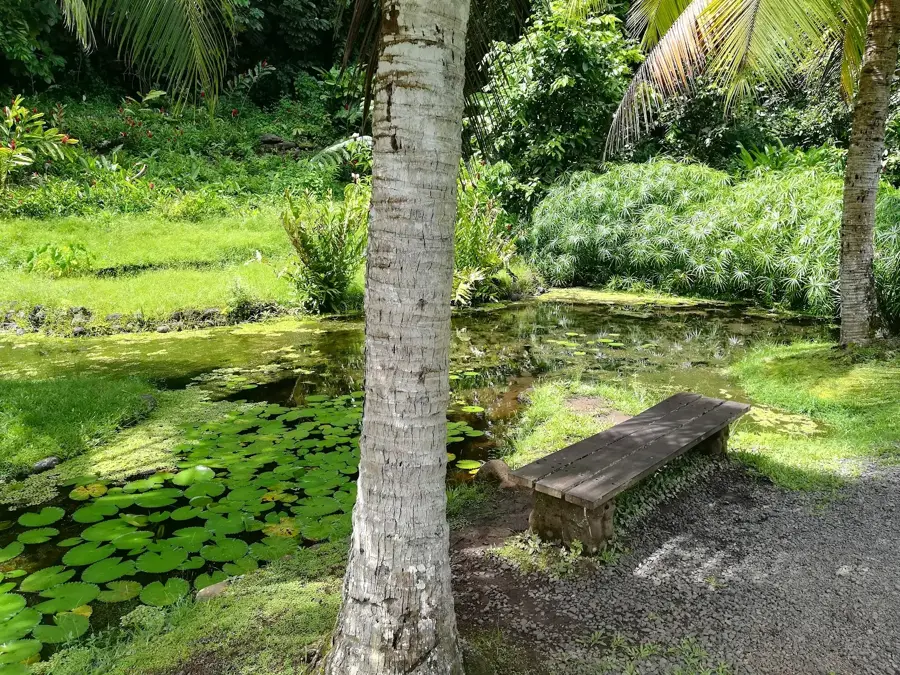
Raivavae's taro fields are deeply woven into the island's cultural fabric. The cultivation of taro (Colocasia esculenta) is accompanied by rituals and taboos passed down through generations. The planting season begins with a ceremonial offering to the gods, seeking a bountiful harvest. Taro is not only a staple food but also features in traditional medicine and ceremonial feasts. The variety 'Raivavae Red' is prized for its bustling color and nutty flavor. Women traditionally pound cooked taro into poi, a fermented paste. However, younger generations show less interest in farming, posing a risk to cultural continuity. Efforts to revive interest include school programs and festivals celebrating the taro harvest. The fields are considered sacred (raa) and access may be restricted during certain periods.
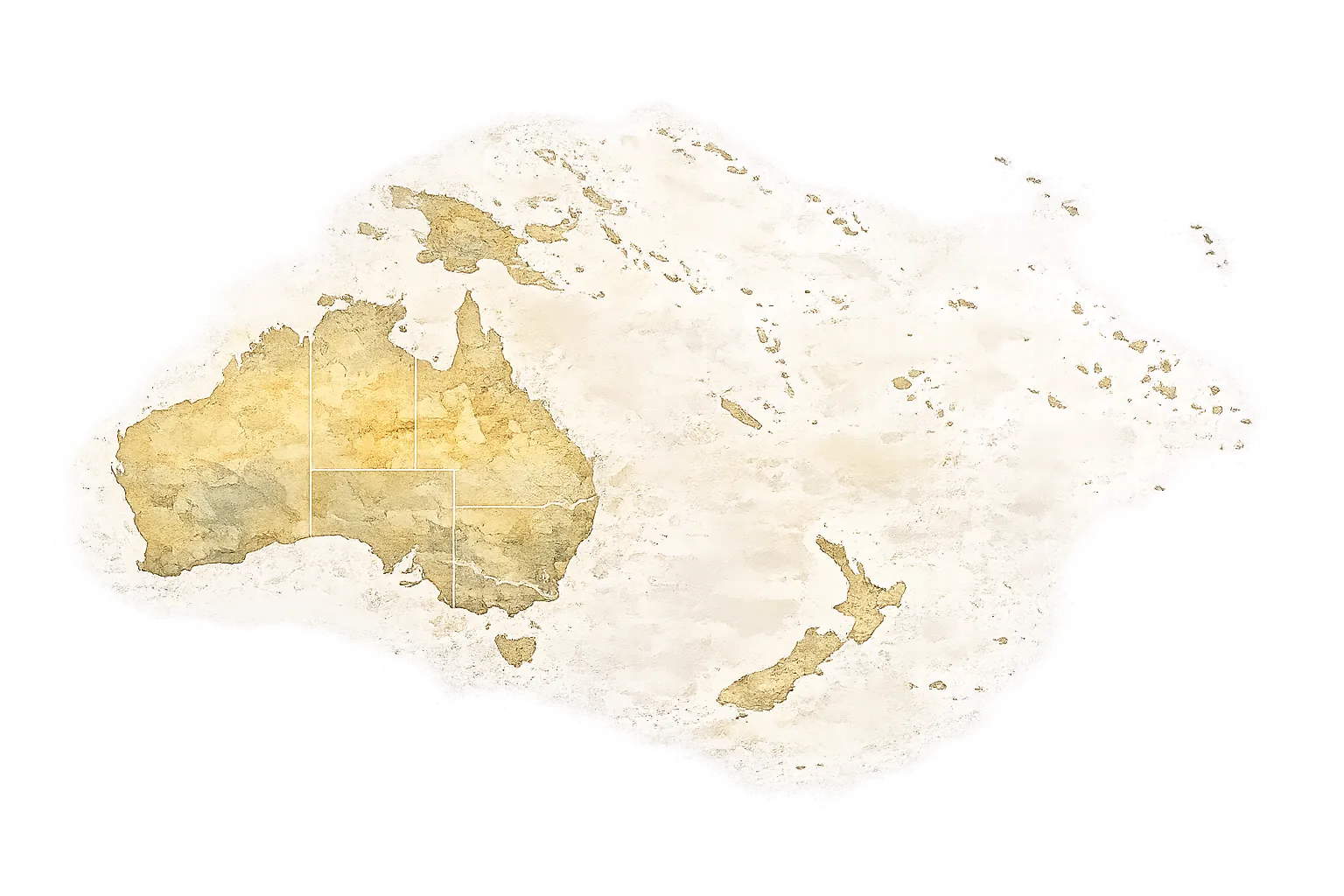
- Location: French Polynesia
- Top sights: Église de Jésus-Christ des saints des derniers jours · Temple adventiste · Tiki
Best time to visit & climate
The most pleasant time to visit is Jul–Sep.
| Jan | Feb | Mar | Apr | May | Jun | Jul | Aug | Sep | Oct | Nov | Dec | |
|---|---|---|---|---|---|---|---|---|---|---|---|---|
| Avg °C | 25 | 26 | 26 | 25 | 24 | 23 | 22 | 21 | 21 | 22 | 23 | 24 |
| Rain mm | 143 | 160 | 164 | 146 | 128 | 117 | 100 | 102 | 80 | 114 | 136 | 211 |
📋 Practical info
Geography
Facts
- Taro has been cultivated on Raivavae for over 1,000 years.
- The 'Raivavae Red' variety has a deep purple color due to anthocyanins.
- Annual taro production is approximately 1,500 metric tons.
- Women traditionally pound taro for poi, a process taking 2-3 hours.
- A festival called 'Tarofest' is held every August since 2005.
- Youth participation in farming has declined by 40% since 2000.
Route planner — Car & Motorhome
Where do you start? We build the route here, with stops and country notes along the way.
© OpenStreetMap contributors · OpenRouteService
Sights in the town Raivavae Taro Fields (7)
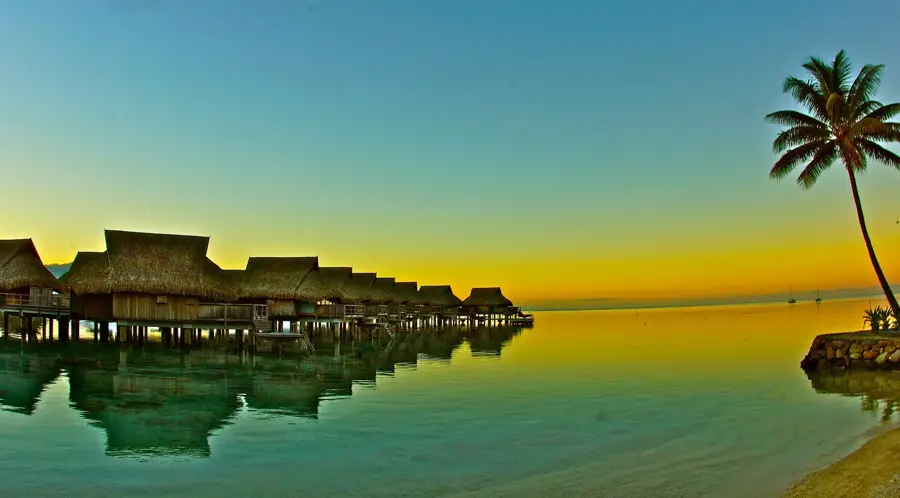
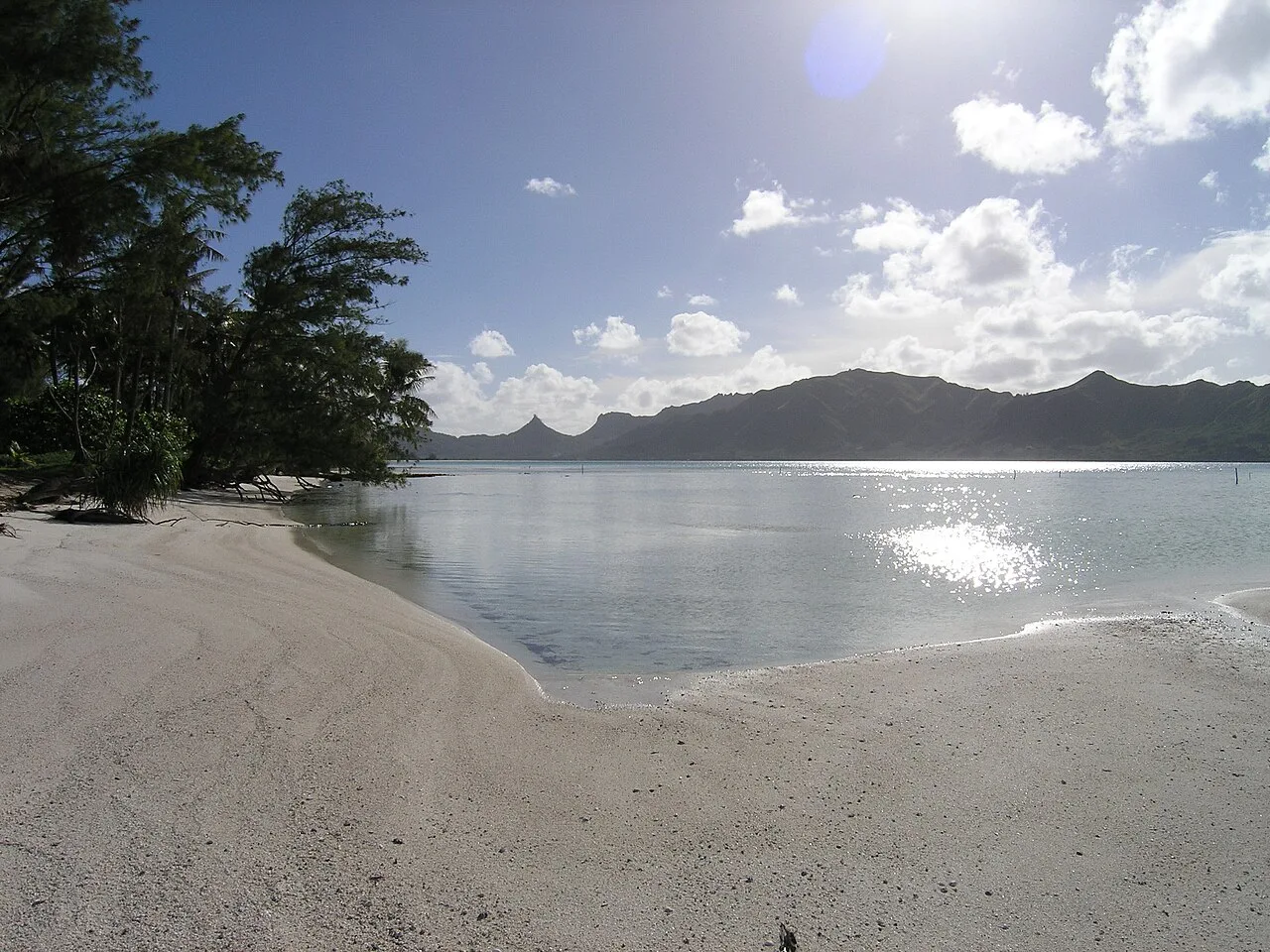
Coucher de soleil
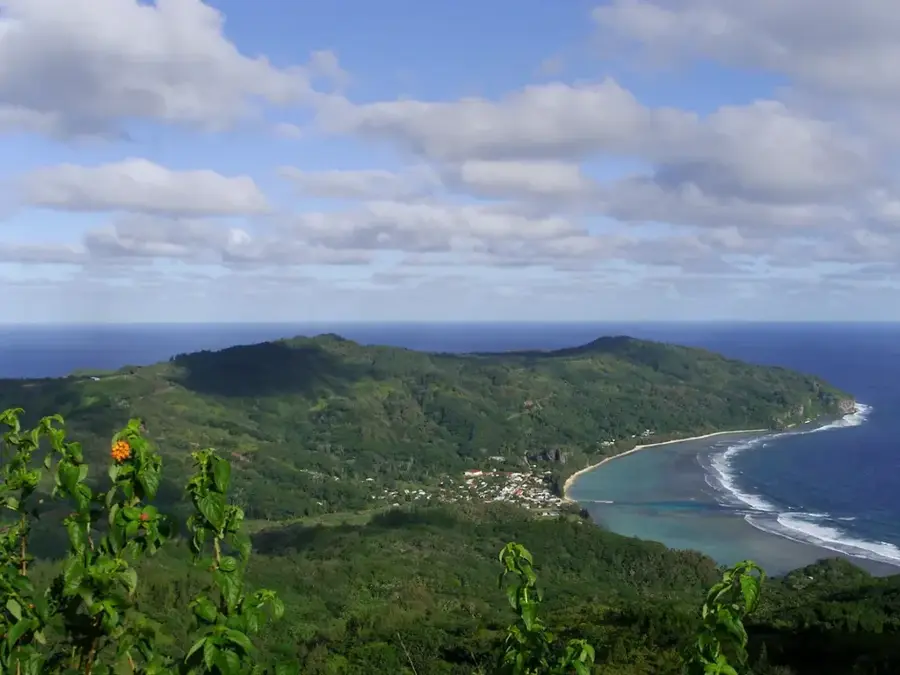
Sunset viewpoint overlooking the lagoon of Raivavae.
Marae
Ancient Polynesian ceremonial platform on Raivavae, used for religious rites.
Temple protestant
Protestant church on Raivavae, place of worship for the Reformed community.
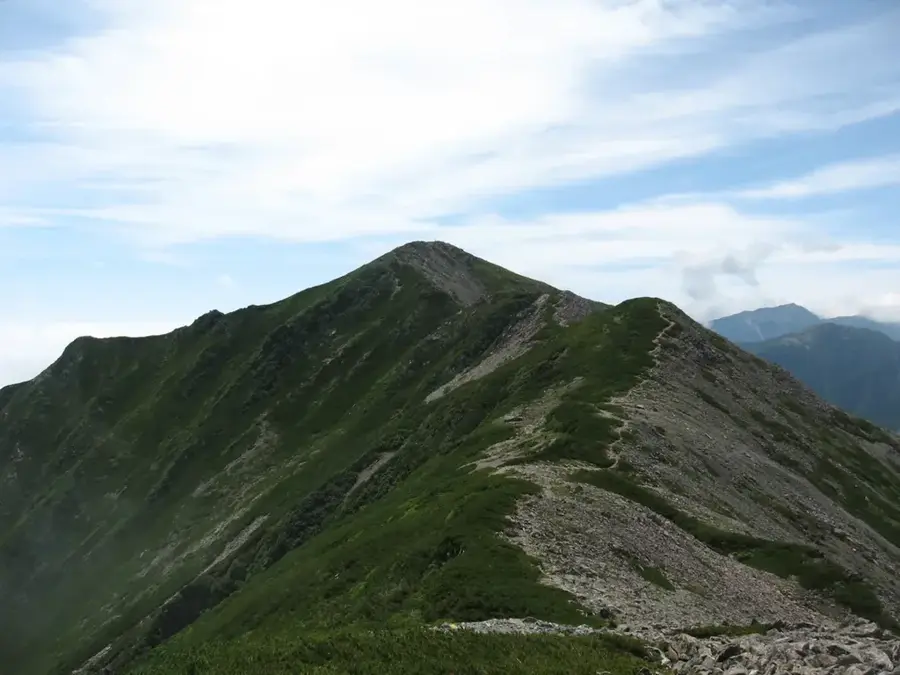
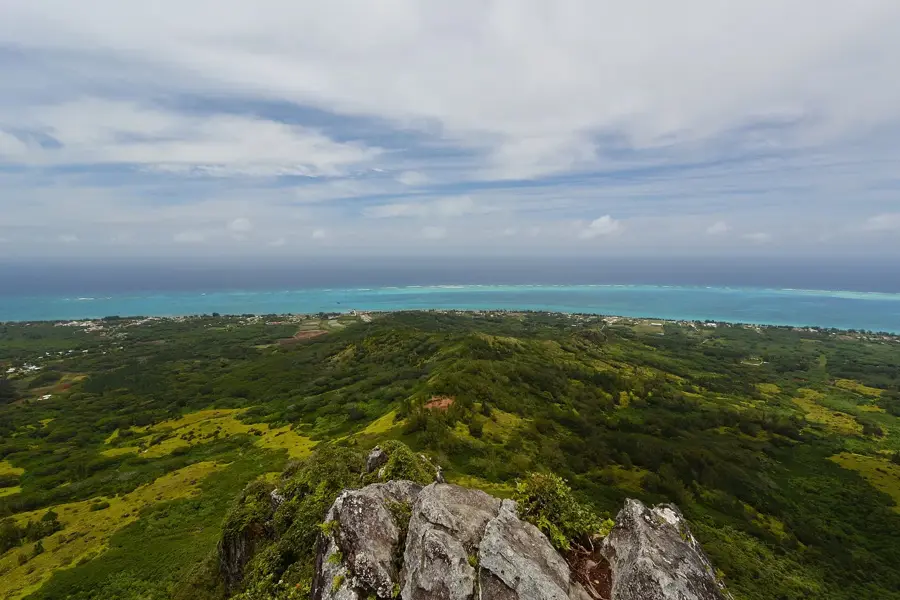
Treck Mont Hiro
Hiking trail to Mont Hiro, the highest point on Raivavae island.
Sights nearby
Frequently asked questions
What are the Tarofelder von Raivavae?
May one visit the fields?
How much time is needed?
When is the best time?
Is it family-friendly?
Raivavae Taro Fields: where is it located?
Raivavae Taro Fields: what is there to see?
Raivavae Taro Fields: when is the best time to visit?
Raivavae Taro Fields: why is it worth visiting?
Nearby cities

History & landmarks
Nature
More places