Plizio Visual Lab

Lake Coatepeque
Plizio editorial teamData Sources
Animal habitat
—°1
Lake Coatepeque (El Salvador)

Weather…

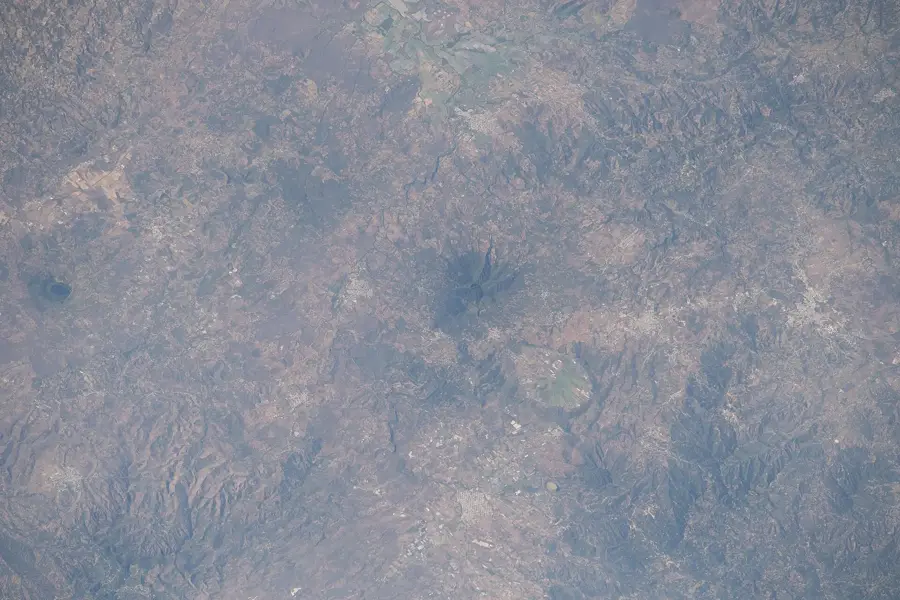
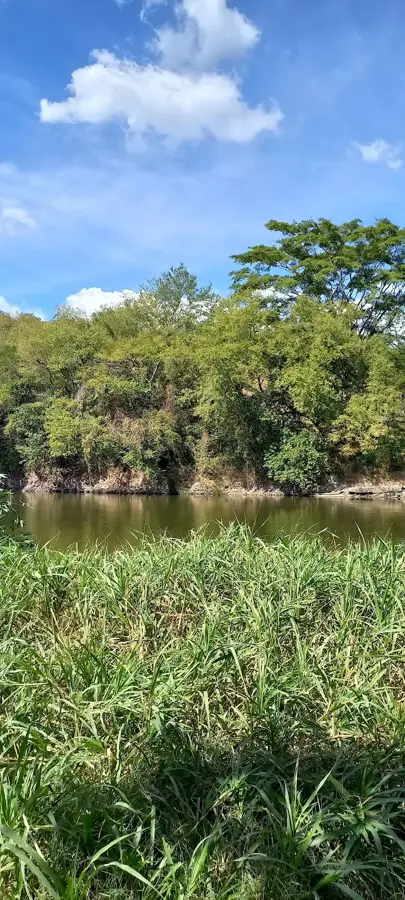
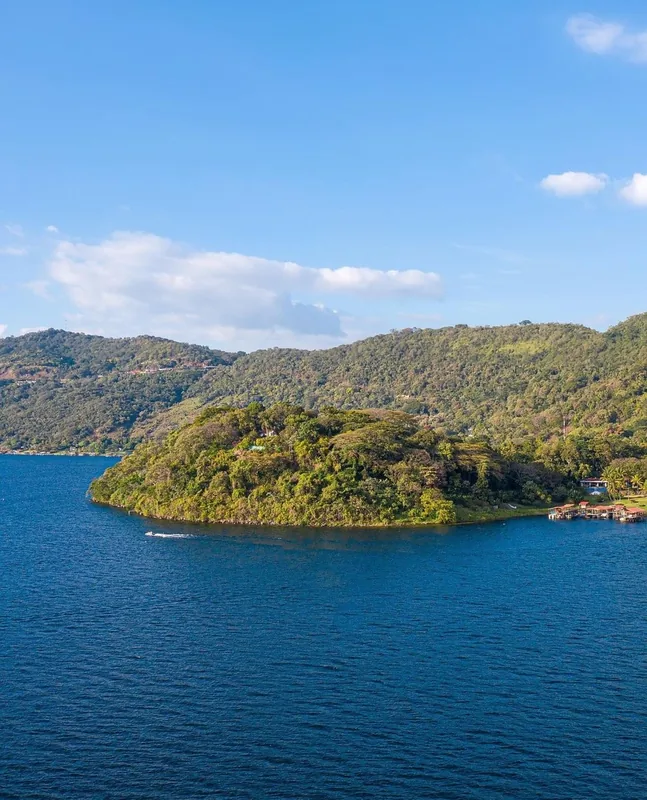
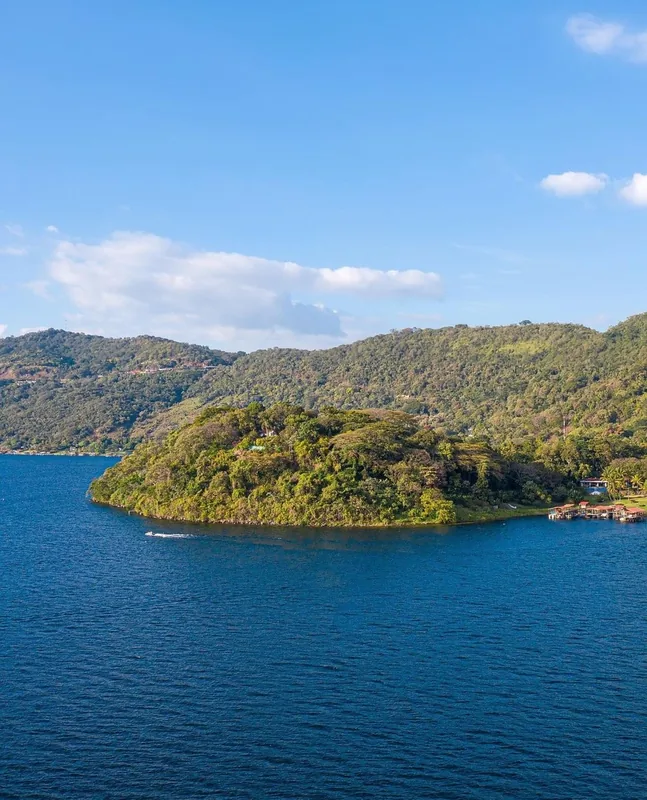
Lake Coatepeque, located in the Santa Ana Department, is one of the most memorable volcanic calderas in the world. It was formed tens of thousands of years ago through a series of massive volcanic eruptions and subsequent collapses. Sitting at an elevation of 745 meters, the lake is famous for its deep blue water, which periodically undergoes a phenomenal change to a bright turquoise color due to specific ecological conditions. With a maximum depth of around 115 meters, it features the "Isla del Teopán," which was a sacred site for the Pipil people. The steep caldera walls rise up to 300 meters above the lake surface and are partially forested. Coatepeque is not only an ecological protected area but also a premier hub for water sports and high-end tourism in El Salvador. Recently, the lake has faced challenges such as algae blooms, sparking increased environmental efforts to preserve its unique beauty.

📋 Practical info

📅
Best season
Lake Coatepeque is best visited in the dry season from November to April, when the weather is stable and the water surface remains calm. During these months, water birds and ospreys are especially active and easy to observe.
🌅
Best time of day
Morning hours between 6 and 9 a.m. offer the best light and the most bird activity over the lake. Late afternoon, when the sun is lower, animals are still active and light conditions are well-suited for photos.
📜
Etiquette
Do not throw trash into the lake and avoid loud noises to avoid disturbing wildlife. Feeding water birds is not allowed, as unnatural food can harm them.
🎒
What to bring
Binoculars and a waterproof camera are handy for observing birds and other animals along the lakeshore. Comfortable hiking shoes for a walk along the shore and a waterproof jacket for occasional showers are recommended.
🧭
Getting there
Lake Coatepeque lies about 20 kilometers south of Santa Ana and is easily reachable via a well-maintained country road. There are several public access points with parking and restaurants along the shore.
🦌
What to expect
Birds may be far out on the lake - find a quiet vantage point and wait for them to come closer. Species diversity is high, but not all animals show themselves immediately; enjoy the tranquility and the view.

Geography

Coordinates
13.86700, -89.55000

Facts

  • Volcanic caldera formed between 25,000 and 72,000 years ago
  • Water color occasionally shifts from deep blue to turquoise
  • Maximum depth of the lake is approximately 115 meters
  • Home to the sacred Pipil island 'Isla del Teopán'
  • Located at an altitude of 745 meters above sea level
  • Nominated as one of the 'Eight Wonders of the World' (natural)

Explore nearby

Notable places around
Route planner — Car & Motorhome

Where do you start? We build the route here, with stops and country notes along the way.

Vehicle
Only stops with (optional):

© OpenStreetMap contributors · OpenRouteService

Sights in the town Lake Coatepeque (1)

Coatepeque Caldera📍 landmark

Coatepeque Caldera is a volcanic crater lake, surrounded by hills and dense vegetation.

Sights nearby

Frequently asked questions

Can one swim in the lake?
Yes, swimming is very popular and the water is mostly warm.
Are there water sports activities?
Yes, kayaking and jet skiing are common activities.
Are there restaurants with lake views?
Many hillside restaurants offer a great view of the lake.
What is the water access like?
Access to the lake is best via private clubs or restaurants.
Is the water clean?
Water quality is generally good for recreational activities.
Lake Coatepeque: where is it located?
Lake Coatepeque is located in El Salvador.
Lake Coatepeque: why is it worth visiting?

Lake Coatepeque, located in the Santa Ana Department, is one of the most memorable volcanic calderas in the world.
View on map → The Top 50 Attractions → OpenStreetMap →
North America
Explore with Plizio Discover more places in North America
More places in El Salvador →

Nearby cities

History & landmarks
Nature
More places