Plizio Visual Lab

Gulf of Aqaba
Plizio editorial teamData Sources
Sea
—°9
Gulf of Aqaba (Egypt)

Weather…

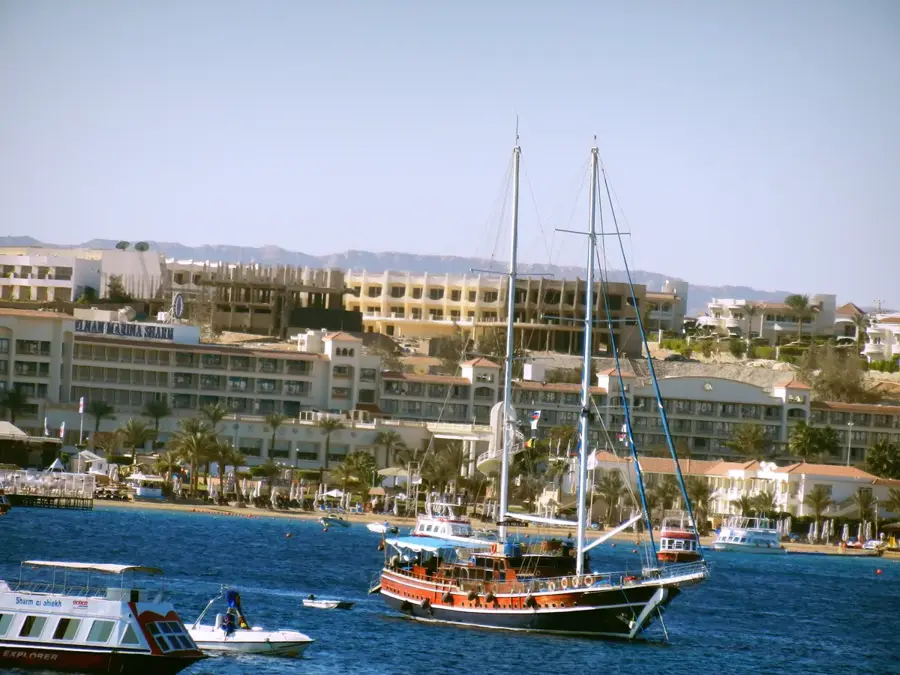
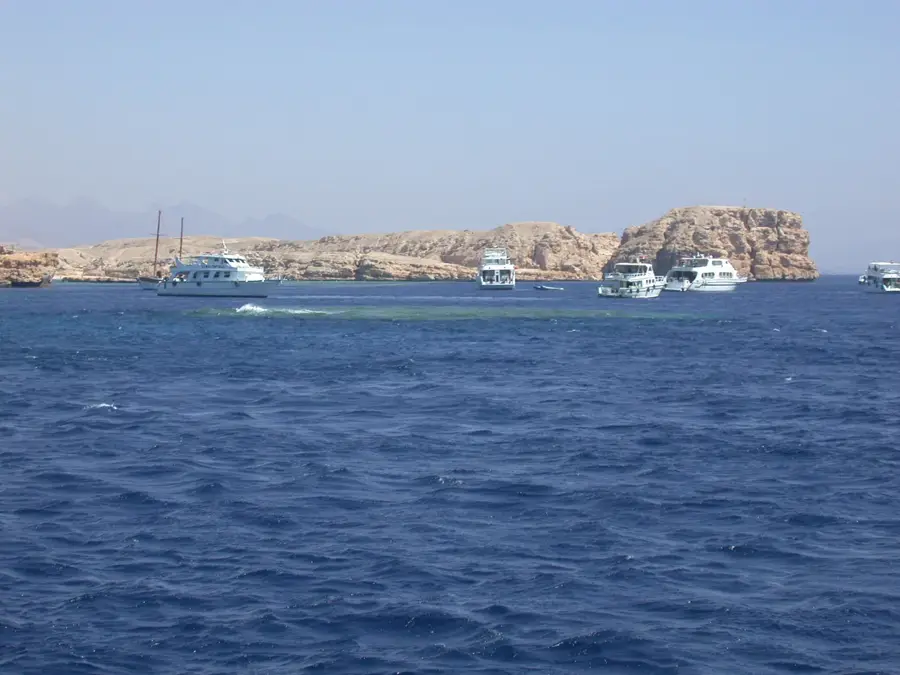
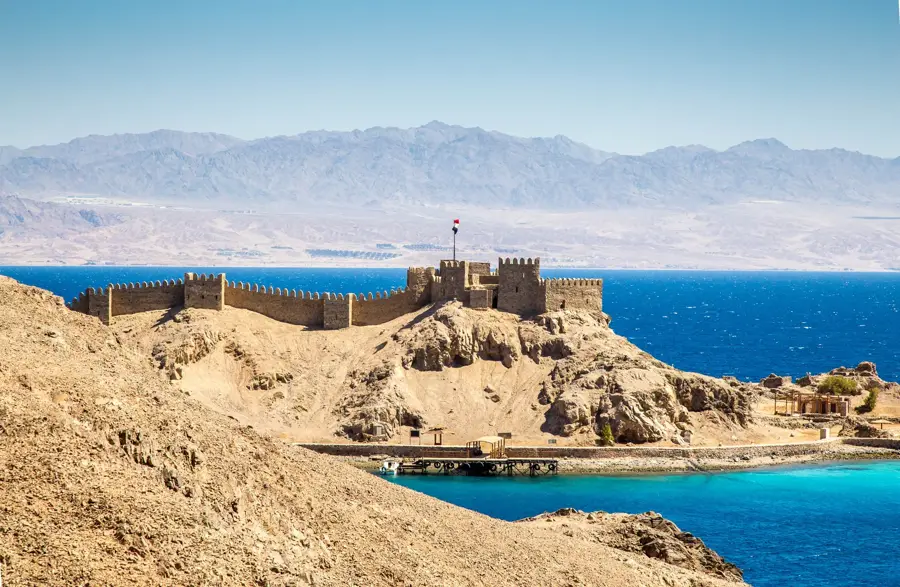
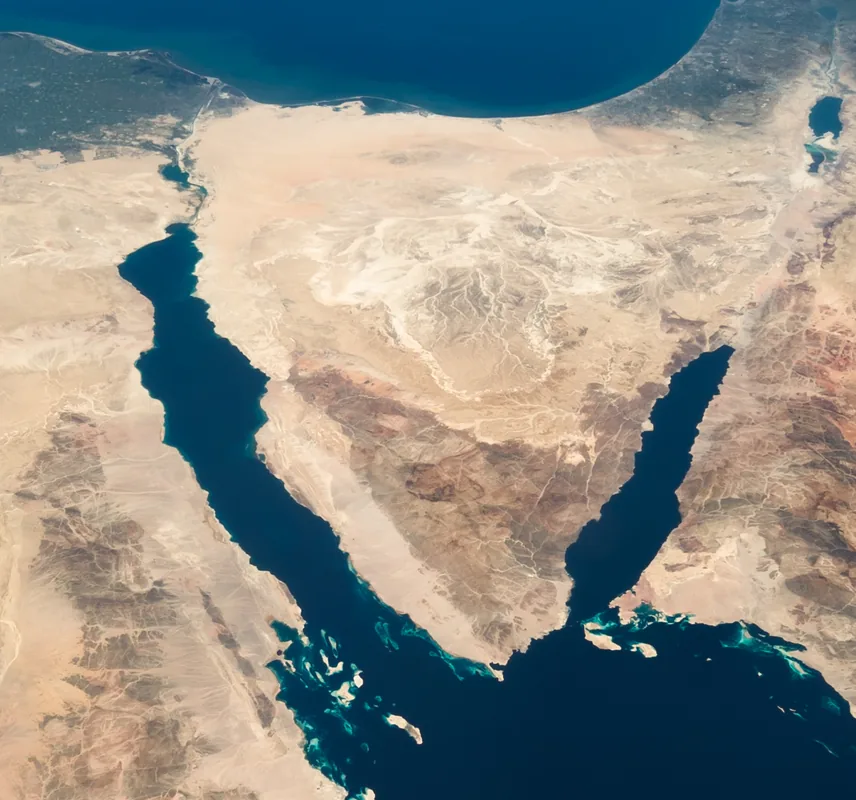
The Gulf of Aqaba is a narrow sea inlet at the northern end of the Red Sea, separating Egypt from the Arabian Peninsula. It extends for about 160 kilometers in length and reaches a maximum depth of 1,850 meters, making it significantly deeper than the neighboring Gulf of Suez. Geologically, the gulf is a segment of the Great Rift Valley, formed by the tectonic separation of the African and Arabian plates. Its shores are shared by four nations: Egypt, Israel, Jordan, and Saudi Arabia. The gulf is world-renowned for its extraordinary marine biodiversity, hosting some of the northernmost coral reef systems on Earth, which attract divers from across the globe. In Egypt, major tourist hubs such as Sharm El-Sheikh and Dahab are located along its western coast. Strategically, it provides vital maritime access to the ports of Aqaba and Eilat. Protecting this fragile marine ecosystem is a key priority for the bordering nations under various international environmental agreements.

Best time to visit & climate

The most pleasant time to visit is Feb, Mar, Dec.

JanFebMarAprMayJunJulAugSepOctNovDec
Avg °C181922252932333332282420
Rain mm224100000221

📋 Practical info

🧭
Getting there
The Gulf of Aqaba is most readily accessible from well-developed coastal resort towns in Egypt, such as Sharm El-Sheikh, Dahab, or Taba, offering numerous direct routes to the water.
📅
Best season
While accessible year-round, the most comfortable months are spring (March to May) and autumn (September to November), avoiding the intense heat of the mid-summer sun.
⛰️
Terrain & paths
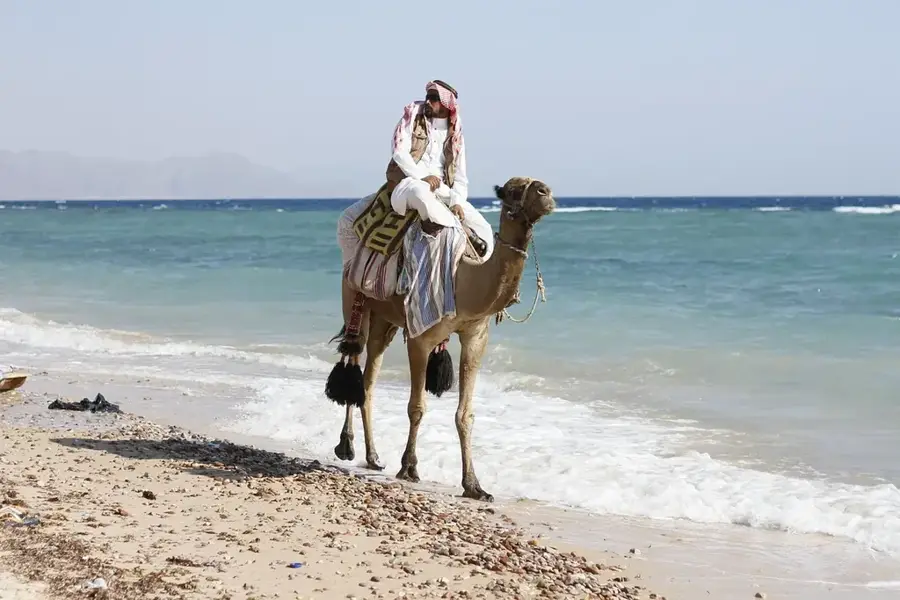
The surrounding landscape features sandy shores and pebbled beaches seamlessly dropping into clear marine waters that are globally renowned for spectacular coral reefs.
🎒
What to bring
Essential items include high-SPF sunscreen, a swimsuit, snorkeling or diving equipment to explore the reefs, and perhaps water shoes to protect against sharp rocks.
🅿️
Parking
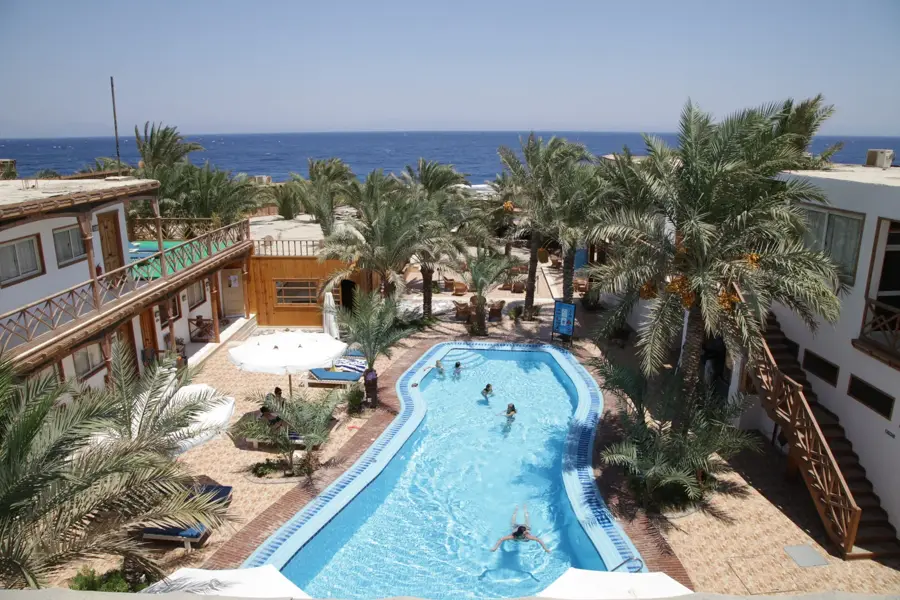
Abundant parking is provided by the many seaside hotels, dive centers, and public beach access areas stretched along the extensive coastal roads of the region.
⚠️
Safety
Swimmers should stay mindful of strong local currents, avoid touching the fragile corals to prevent injuries and damage, and stay properly hydrated in the desert climate.
⏱️
Time needed
A visit can easily consume a full day or more, with most tourists spending hours enjoying boat trips, extensive snorkeling sessions, and simply relaxing on the scenic beaches.

Geography

Coordinates
28.00000, 34.50000

Facts

  • Extends for 160 km between Egypt and Saudi Arabia.
  • Reaches a maximum depth of 1,850 meters below sea level.
  • Part of the geologically active Great Rift Valley system.
  • Bordered by Egypt, Israel, Jordan, and Saudi Arabia.
  • Home to more than 200 species of hard and soft corals.
  • Critical maritime route for the ports of Aqaba and Eilat.

Explore nearby

Notable places around
Route planner — Car & Motorhome

Where do you start? We build the route here, with stops and country notes along the way.

Vehicle
Only stops with (optional):

© OpenStreetMap contributors · OpenRouteService

Sights in the town Gulf of Aqaba (9)

Beach🎡 recreation

A calm beach section on the Red Sea, known for its clear visibility and coral formations.

Amfiteatr🎭 culture

An open-air theatre within a resort, hosting cultural performances and evening shows.

Thomas reef📍 landmark

A famous coral reef in the Straits of Tiran, known for its deep underwater canyon.

Louilla📍 landmark

A coastal attraction on the Red Sea, often serving as a starting point for boat trips to the reefs.

Gordon reef📍 landmark

A popular diving destination where the wreck of the ship Loullia lies on the shallow reef plateau.

Aquapark🎡 recreation

A family-friendly water park with various pools and slides for all ages.

Amphi-Theatre🎭 culture

An outdoor stage used for entertainment programs and live events within the resort complex.

SUNRISE Remal Beach Resort🎡 recreation

A modern beachfront hotel offering panoramic views of Tiran Island and the azure waters.

Jacuzzi pool🌿 nature

A heated relaxation pool with massage jets, part of the resort's spa facilities.

Sights nearby

Frequently asked questions

Why is the Gulf of Aqaba popular with divers?
Because of the extremely clear visibility and the high biodiversity of corals and fish.
How warm is the water on average?
The water temperature is between a pleasant 21 and 27 degrees Celsius year-round.
Are there dangerous currents?
In most coastal sections, the currents are weak, convenient for snorkelers.
Which cities are located on this gulf?
Well-known places include Dahab, Taba (Egypt), Eilat (Israel), and Aqaba (Jordan).
Can you see dolphins here?
Yes, with a little luck, you can observe wild dolphins in the Gulf of Aqaba.
Gulf of Aqaba: where is it located?
Gulf of Aqaba is located in Egypt.
Gulf of Aqaba: what is there to see?
Highlights include Beach, Amfiteatr, Thomas reef.
Gulf of Aqaba: when is the best time to visit?
The most pleasant time to visit is Feb, Mar, Dec.
Gulf of Aqaba: why is it worth visiting?

The Gulf of Aqaba is a narrow sea inlet at the northern end of the Red Sea, separating Egypt from the Arabian Peninsula.
View on map → The Top 50 Attractions → OpenStreetMap →
Africa
Explore with Plizio Discover more places in Africa
More places in Egypt →

Nearby cities

History & landmarks

More places