Plizio Visual Lab
Gabal el-Hosh
Weather…
Water temperature…
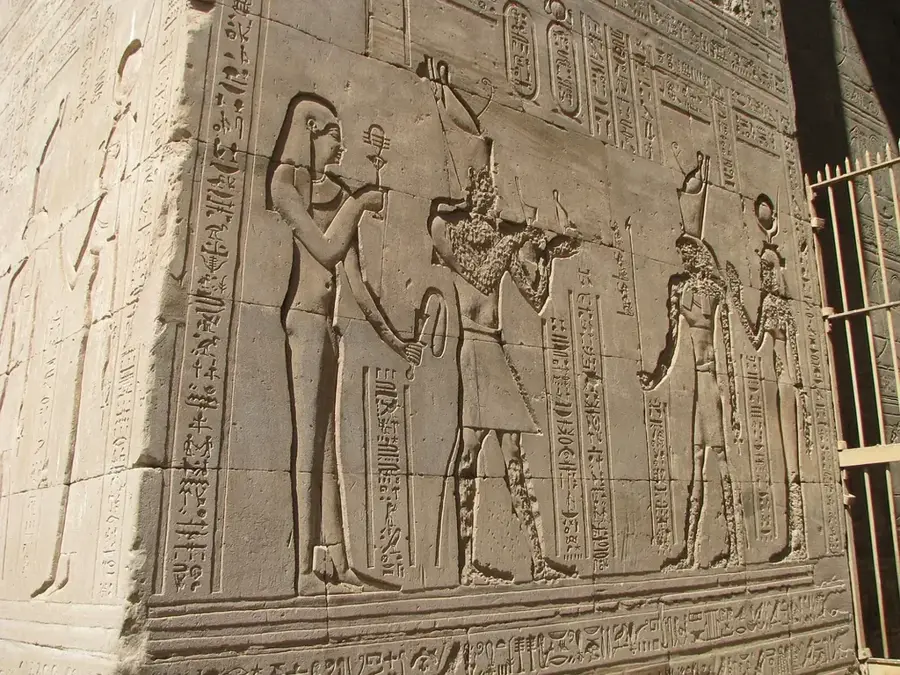
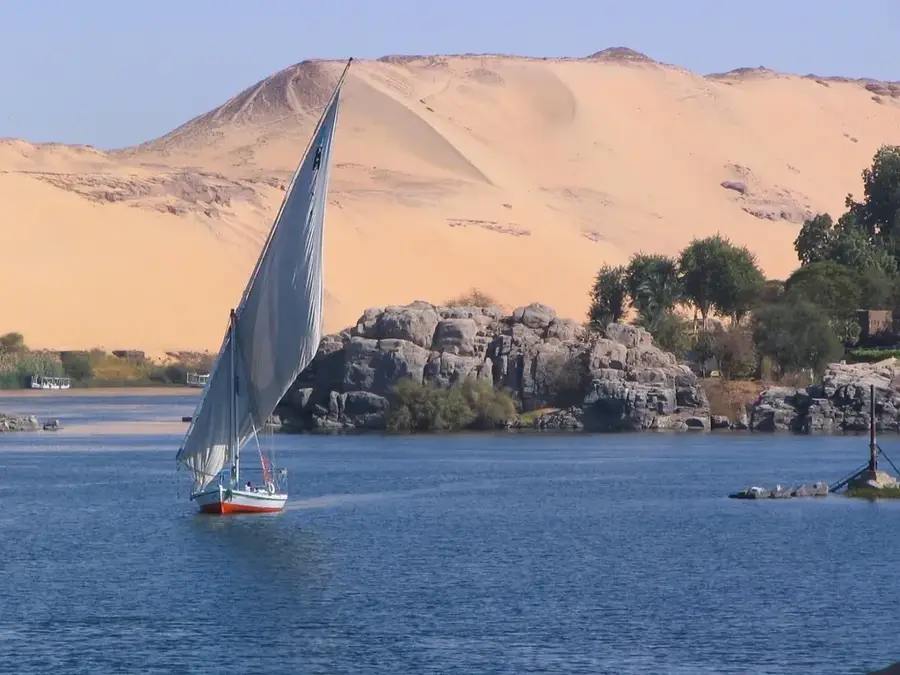
Gabal el-Hosh is a significant sandstone formation situated on the west bank of the Nile in Upper Egypt, located roughly midway between Edfu and Kom Ombo. The region is internationally renowned for its ancient quarries, which supplied the high-quality sandstone used in the construction of numerous Pharaonic temples during the Greco-Roman period. The rock faces are adorned with numerous inscriptions and graffiti left by ancient stonemasons and officials, providing valuable insights into the logistics and administration of quarrying operations. Particularly noteworthy are the Greek inscriptions dating back to the Ptolemaic era and the early Roman Imperial period. Geologically, the site belongs to the Nubian Sandstone formation, prized for its durability and ease of carving. Beyond its ancient industrial importance, the sheltered location of Gabal el-Hosh also served as a residential area for workers and their families, with archaeological remains still visible today.
- Location: Egypt
- Nearby: Idfu (13 km)
Best time to visit & climate
The most pleasant time to visit is Feb, Mar, Nov.
| Jan | Feb | Mar | Apr | May | Jun | Jul | Aug | Sep | Oct | Nov | Dec | |
|---|---|---|---|---|---|---|---|---|---|---|---|---|
| Avg °C | 15 | 17 | 22 | 26 | 31 | 33 | 34 | 34 | 32 | 28 | 22 | 17 |
| Rain mm | 1 | 0 | 0 | 0 | 1 | 0 | 0 | 0 | 0 | 0 | 0 | 0 |
📋 Practical info
Geography
Facts
- The quarries were most extensively used during the Ptolemaic dynasty.
- Sandstone from this site was used to construct the Temple of Horus at Edfu.
- Greek inscriptions date the primary quarrying activities to the 2nd century BC.
- The area is located on the west bank of the Nile near Gebel el-Silsila.
- Stonemason marks and official titles are intricately carved into the cliffs.
- Geologically, the mountain is part of the expansive Nubian Sandstone series.
Explore nearby
Notable places around


Route planner — Car & Motorhome
Where do you start? We build the route here, with stops and country notes along the way.
© OpenStreetMap contributors · OpenRouteService
Sights nearby
Frequently asked questions
What does Gabal el-Hosh mean?
Where is this place located?
Are there ancient inscriptions there?
Was stone quarried here?
What is the best way to visit the inscriptions?
Gabal el-Hosh: where is it located?
Gabal el-Hosh: when is the best time to visit?
Gabal el-Hosh: why is it worth visiting?
More places