Plizio Visual Lab

Dipkarpaz Lowlands

Plizio editorial teamData Sources
valley
—°3
Dipkarpaz Lowlands (Cyprus)

Weather…

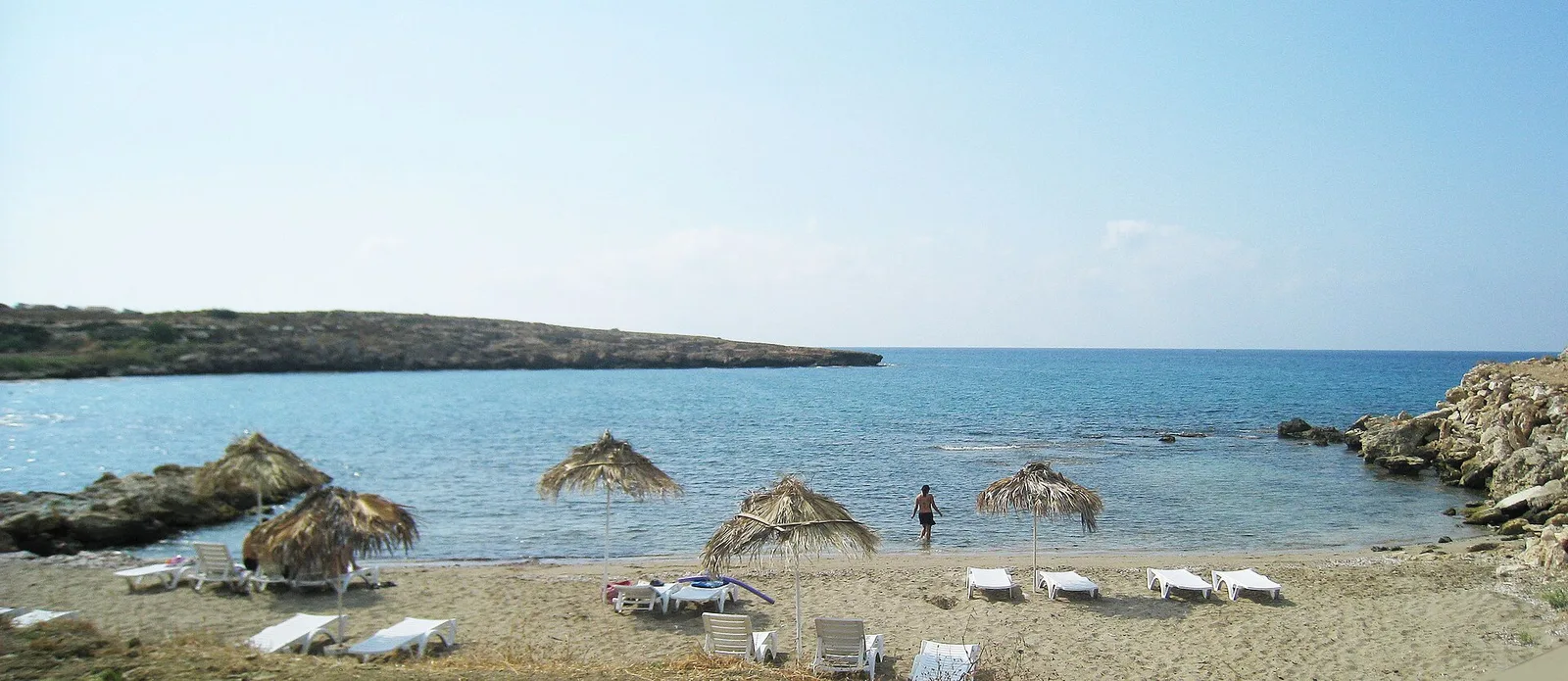
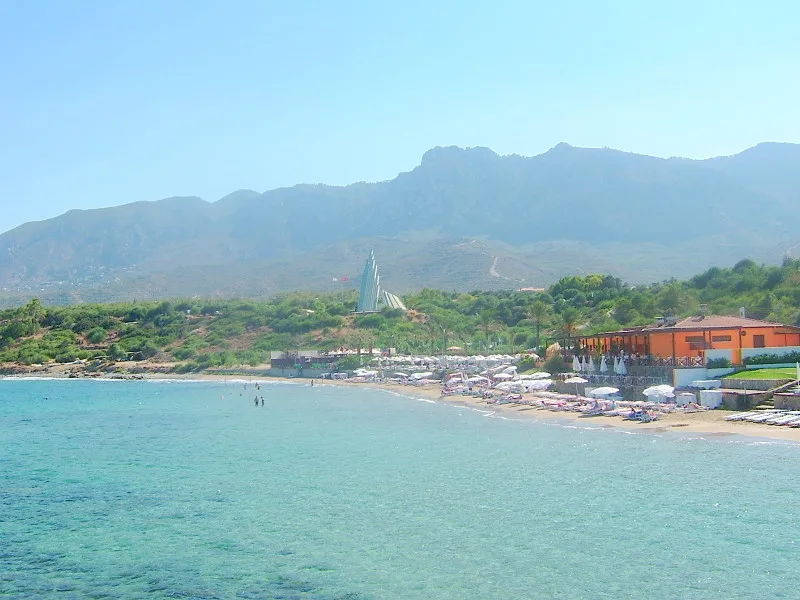
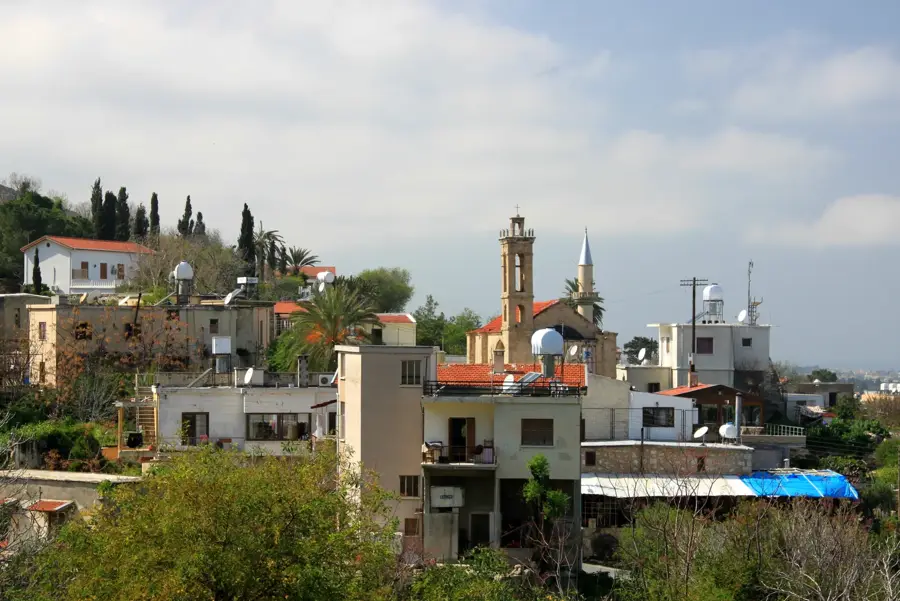
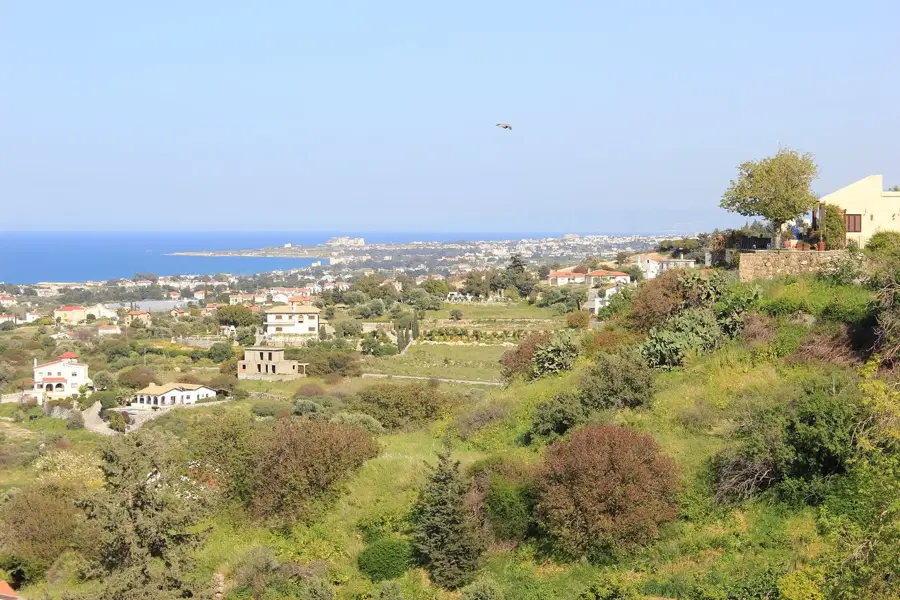
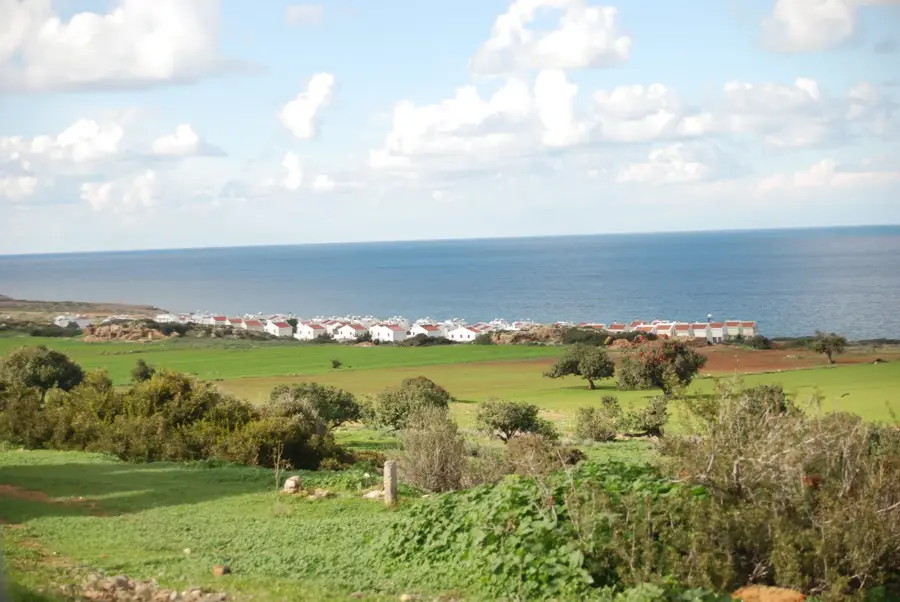
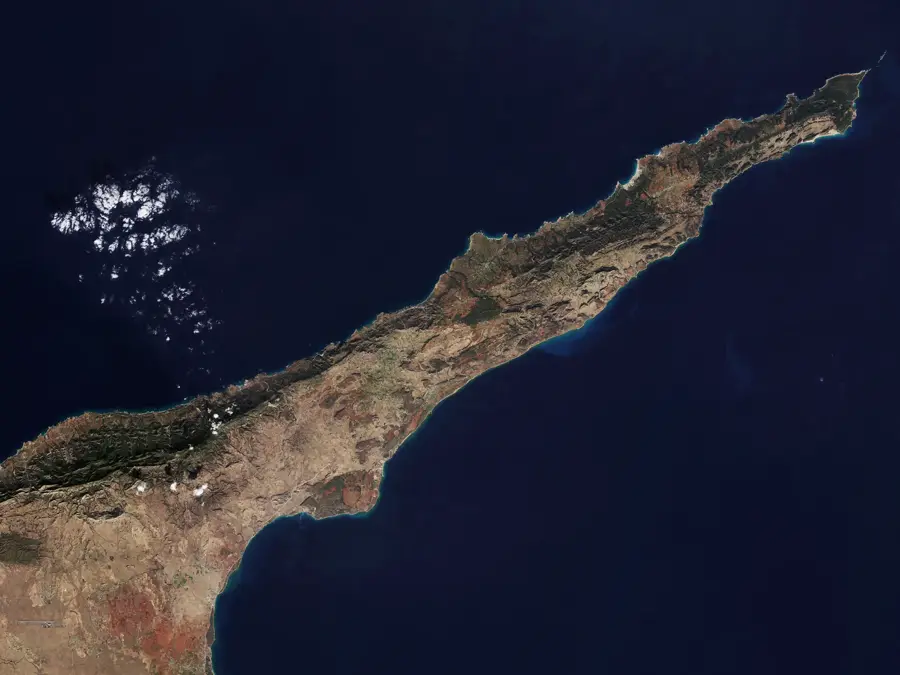
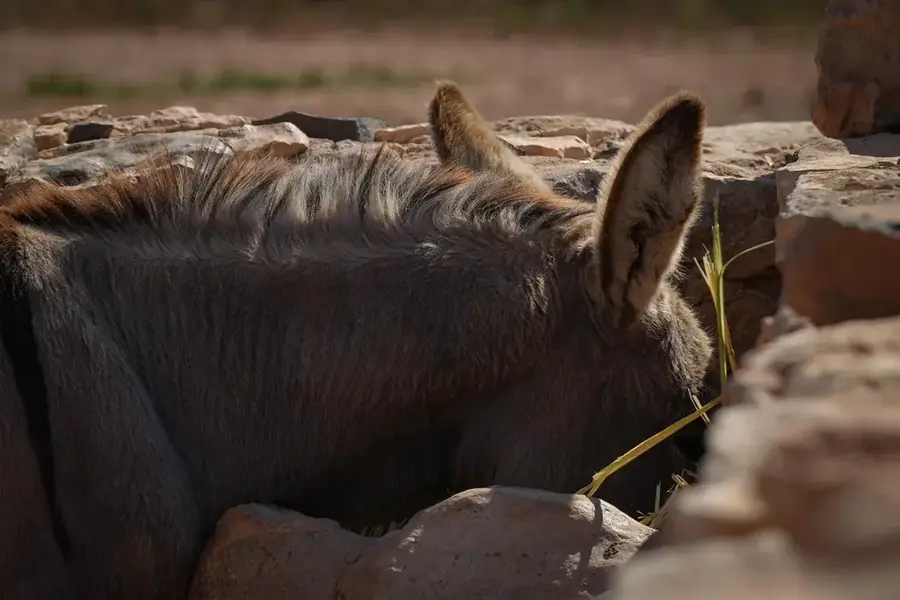
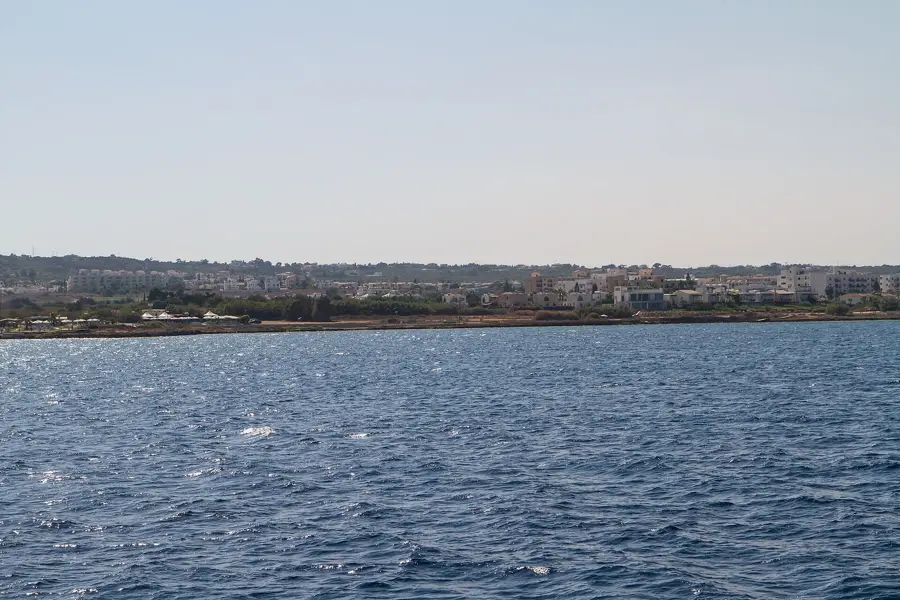
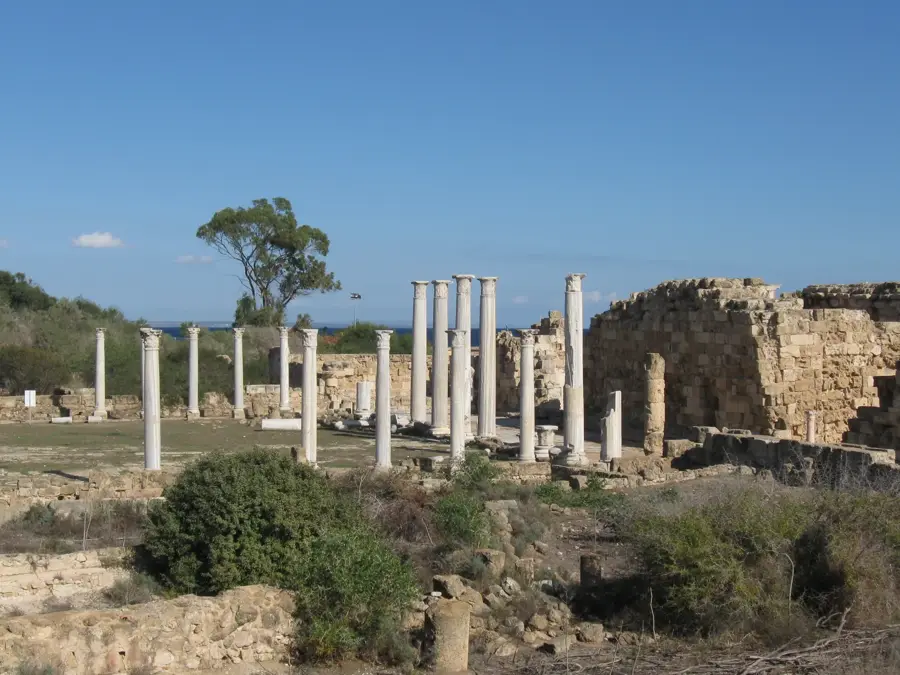
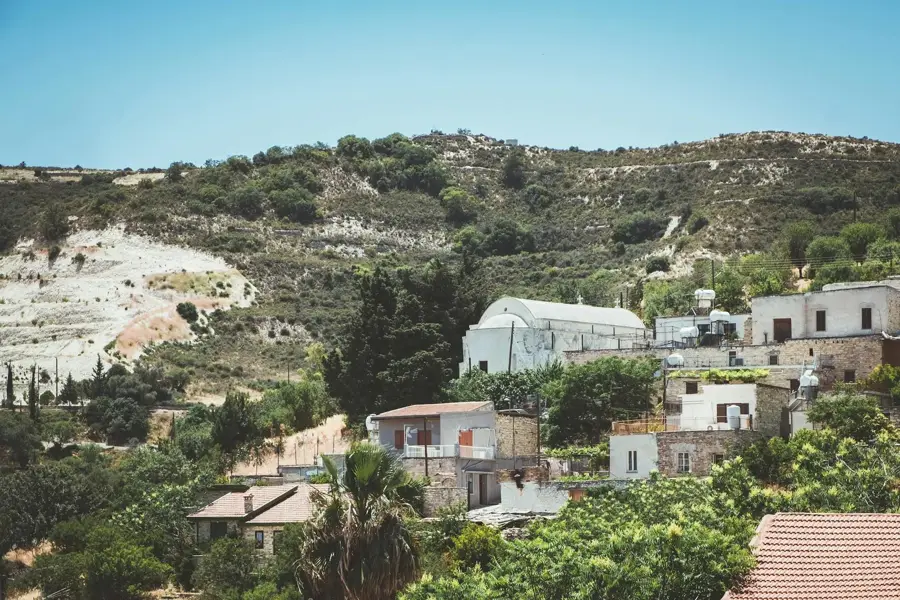
The Dipkarpaz Lowlands span the Karpas Peninsula, the narrow and remote northeastern extension of Cyprus. Geographically, the area is characterized by rolling hills and vast plains that stand in stark contrast to the rugged Kyrenia Mountains to the west. The vegetation primarily consists of Mediterranean maquis, wild carob trees, and olive groves that thrive on fertile sedimentary soils. Historically, the region is significant as it has been inhabited since the Neolithic era and houses remains from the Byzantine and Lusignan periods. Today, the lowlands are best known for their status as a nature reserve, home to the last significant population of the feral Cyprus donkey. The untouched coastal sections also serve as vital nesting sites for endangered sea turtles. Economically, the region is now characterized by sustainable tourism and traditional agriculture, with the Apostolos Andreas Monastery at the tip of the peninsula forming a cultural focal point.

📋 Practical info

🧭
Getting there
Reaching the Dipkarpaz Lowlands involves traveling along the Karpas Peninsula. The established paths are very easily and safely accessible from the main local roads.
📅
Best season
Visiting in the milder spring and autumn months is highly recommended. The pleasant temperatures perfectly complement the gentle coastal topography of this specific area.
⛰️
Terrain & paths
The lowlands feature a gentle topography that is relatively easy to navigate. Despite the predictably flatter terrain, sensible walking shoes are still firmly advised.
🎒
What to bring
Visitors are strongly advised to bring adequate hydration and sun protection, as natural shade can be sparse. A reliable map, sufficient snacks, and basic first-aid are standard precautions.
🅿️
Parking
Vehicles are typically left at designated stopping points or in nearby settlements before continuing on foot. It is generally advisable to arrive earlier in the day to secure a suitable spot.
⚠️
Safety
Remaining mindful of the surroundings is crucial, particularly regarding sudden changes in local weather. It is standard practice to inform someone of your route and stay on established paths.
⏱️
Time needed
A typical visit usually spans a few hours, allowing sufficient time to appreciate the surroundings without feeling rushed. The exact time depends on walking speeds and specific interests here.

Geography

Coordinates
35.56670, 34.33330

Facts

  • The Karpas Peninsula extends approximately 80 kilometers into the Mediterranean Sea.
  • The national park covers a protected area of around 130 square kilometers.
  • Over 1,500 wild donkeys live under state protection in the region.
  • Archaeological finds confirm human settlements dating back to the 6th millennium BCE.
  • The Apostolos Andreas Monastery was completed in its current form in 1867.
  • Hundreds of green sea turtles nest in the dune landscapes every year.

Explore nearby

Notable places around
Route planner — Car & Motorhome

Where do you start? We build the route here, with stops and country notes along the way.

Vehicle
Only stops with (optional):

© OpenStreetMap contributors · OpenRouteService

Sights in the town Dipkarpaz Lowlands (3)

Agios Fotios🏺 historical

A historical monument located in the Dipkarpaz region of Northern Cyprus.

Church of Saint George🏺 historical

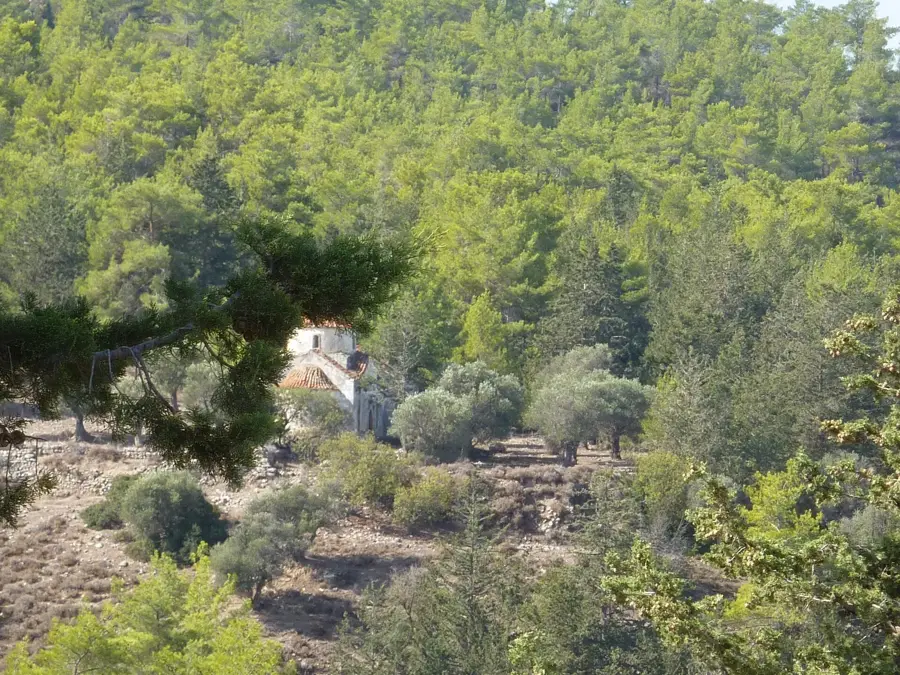
The remains of an ancient Saint George church in the Dipkarpaz lowlands.

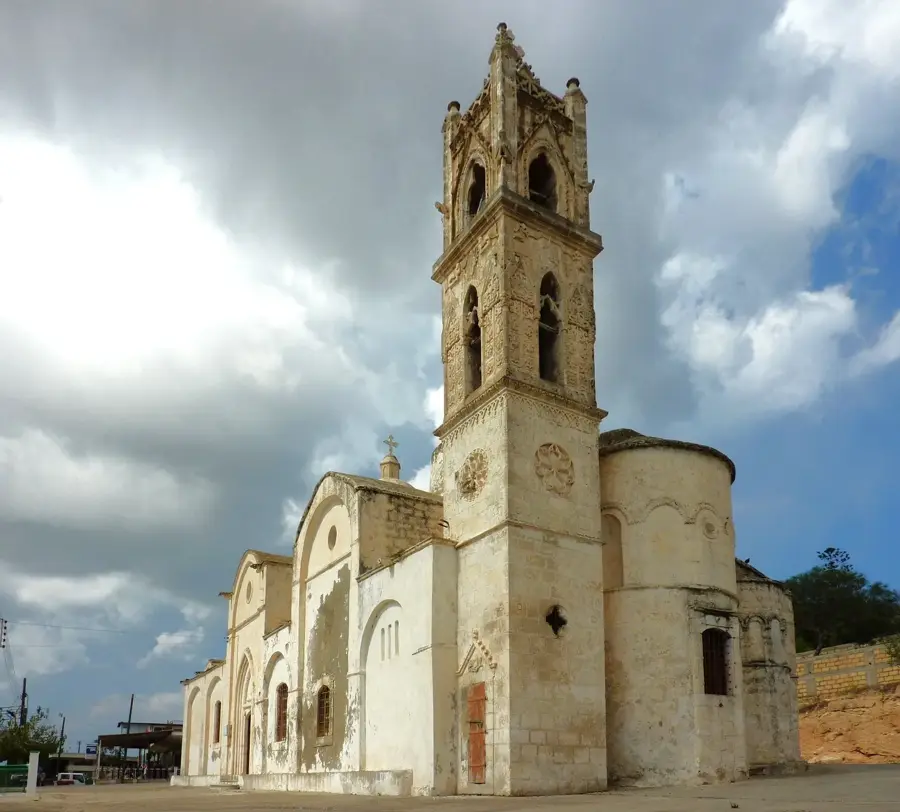
Church of the Panayia Syka🏺 historical

Ruins of a historic Byzantine church located on the Karpas Peninsula.

Sights nearby

Frequently asked questions

How remote is the Dipkarpaz Lowland?
It is one of the most sparsely populated areas in Cyprus, offering absolute peace and nature.
Are there accommodations nearby?
In the small town of Dipkarpaz, there are cozy guesthouses and eco-resorts for nature travelers.
What plants grow here?
The region is characterized by Mediterranean macchia, olive groves, and carob trees.
Are the beaches there suitable for swimming?
Yes, the beaches are often deserted and offer crystal clear water, but have little infrastructure.
Do I need a permit to visit?
No, but you must use the border crossing to the north if traveling from the south.
Dipkarpaz Lowlands: where is it located?
Dipkarpaz Lowlands is located in Cyprus.
Dipkarpaz Lowlands: what is there to see?
Highlights include Agios Fotios, Church of Saint George, Church of the Panayia Syka.
Dipkarpaz Lowlands: why is it worth visiting?

The Dipkarpaz Lowlands span the Karpas Peninsula, the narrow and remote northeastern extension of Cyprus.
View on map → The Top 50 Attractions → Most beautiful beaches → OpenStreetMap →
Europe
Explore with Plizio Discover more places in Europe
More places in Cyprus →

Nearby cities

History & landmarks
Nature
More places