Plizio Visual Lab

Salamis
Plizio editorial teamData Sources
Landmark
—°9
Salamis (Cyprus)

Weather…

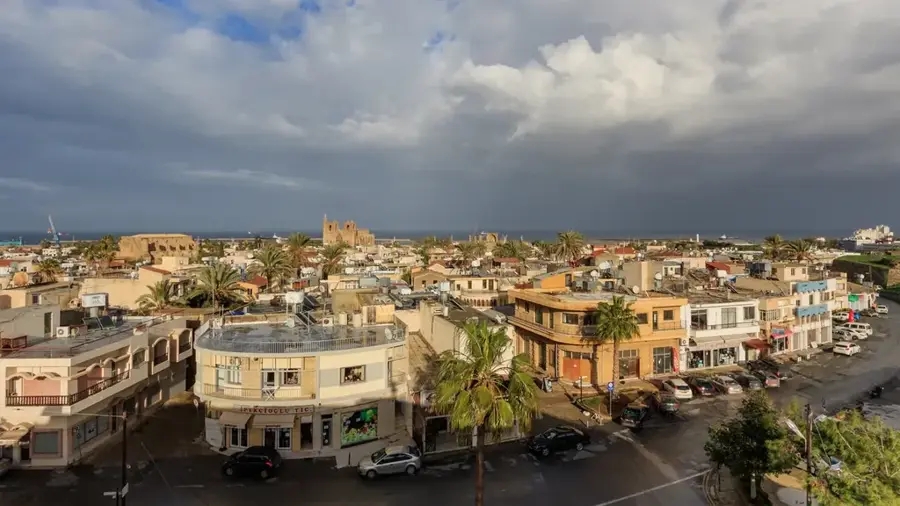
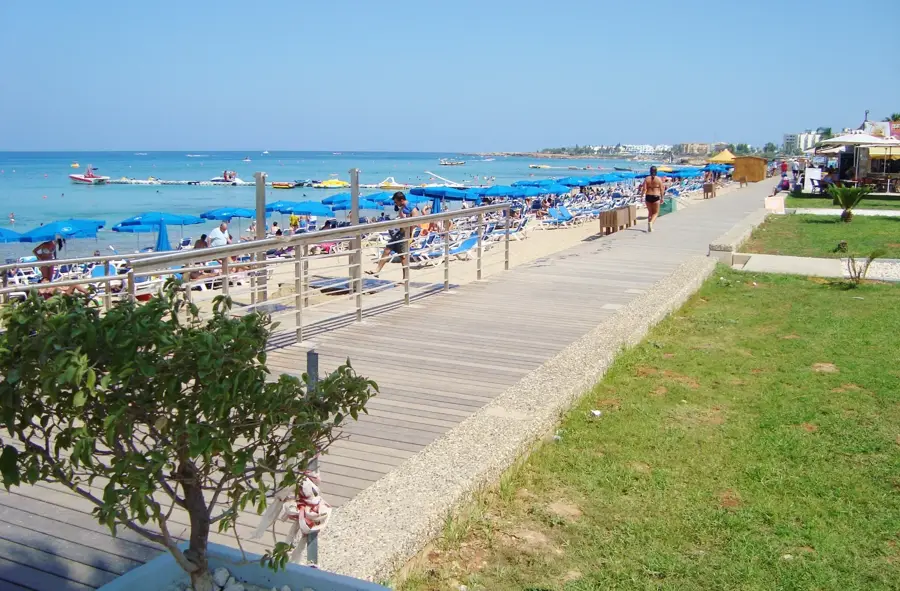
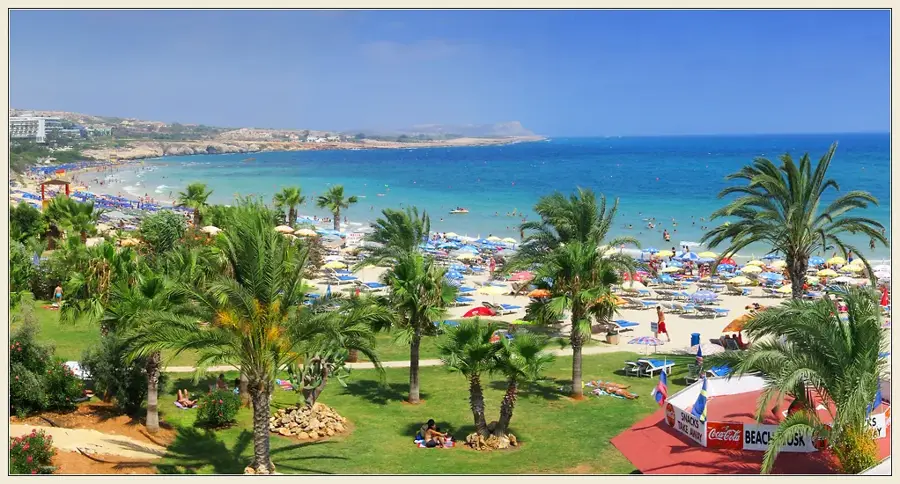
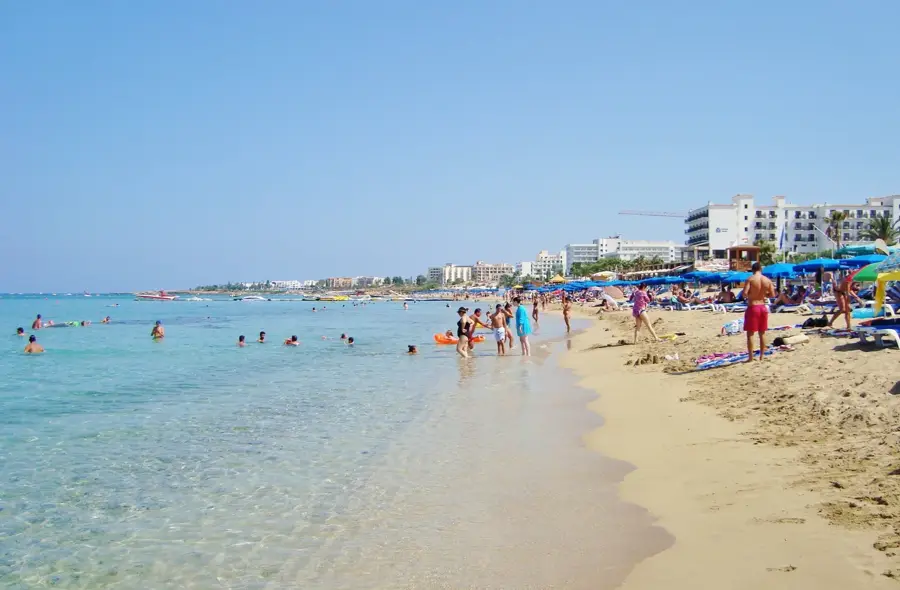
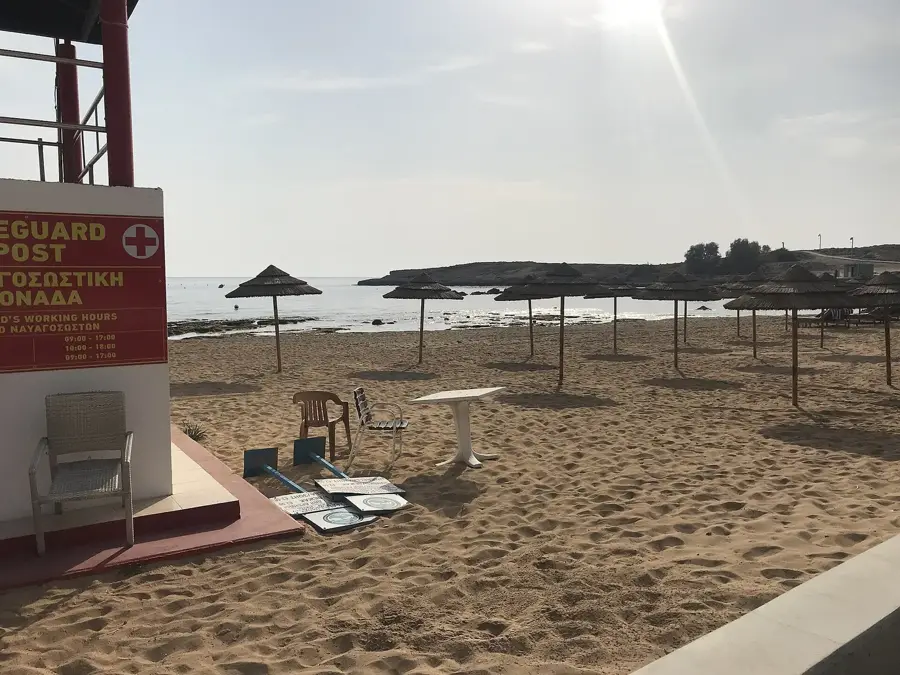
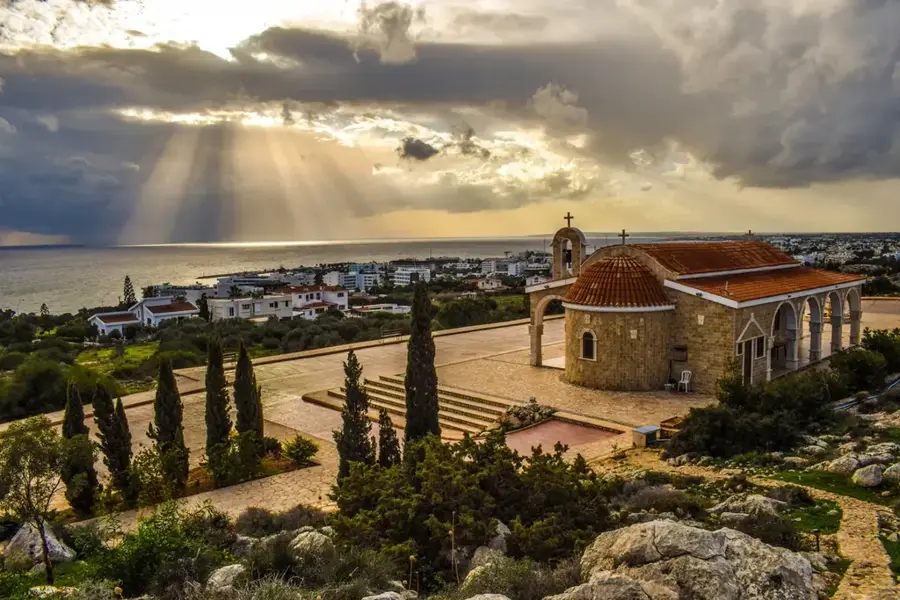
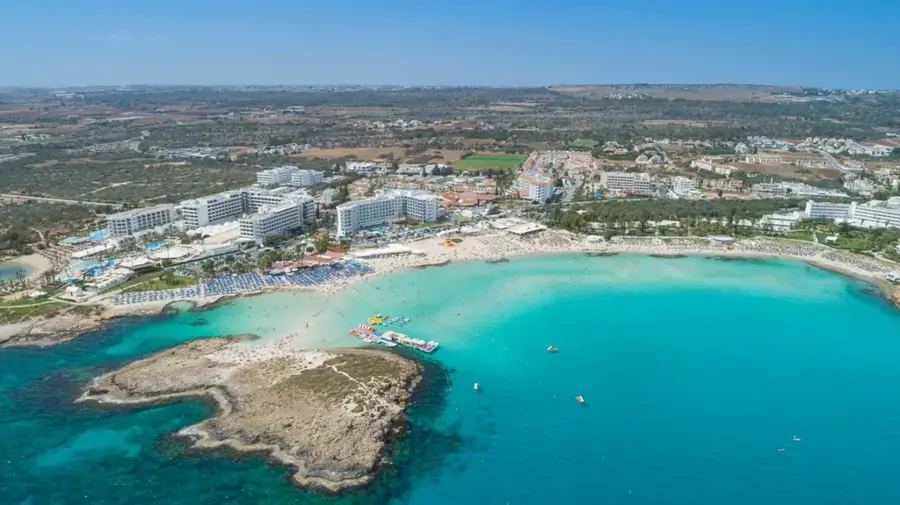
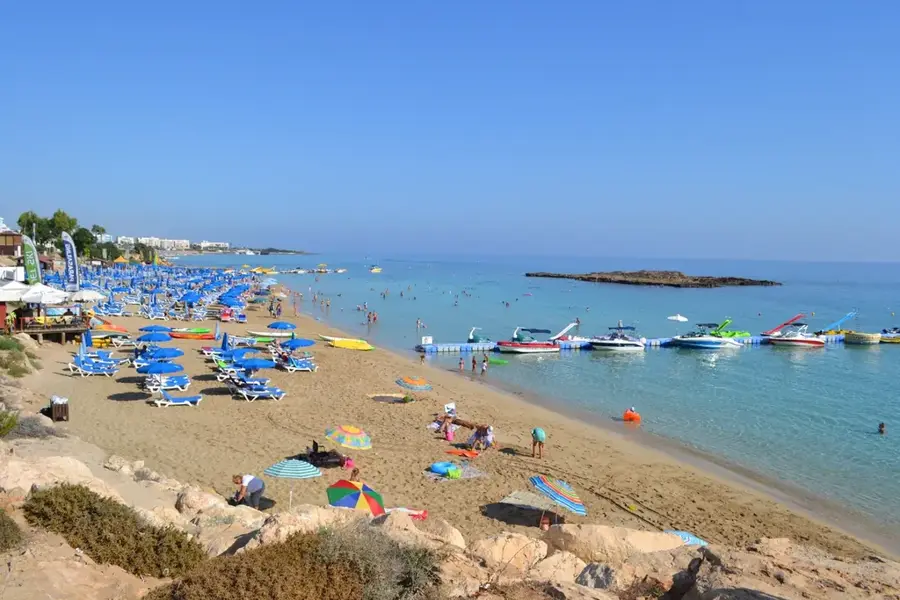
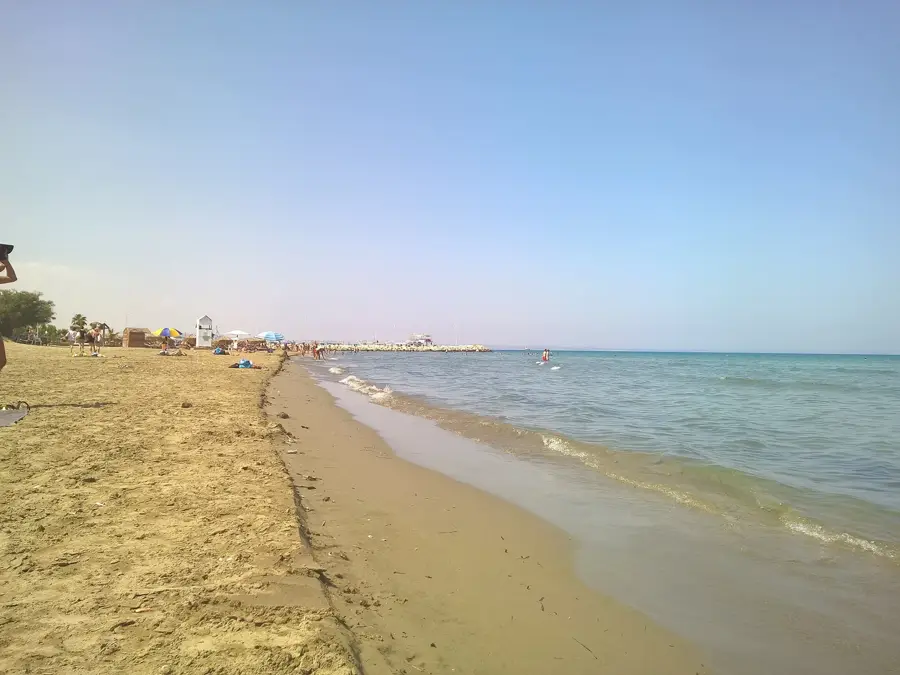
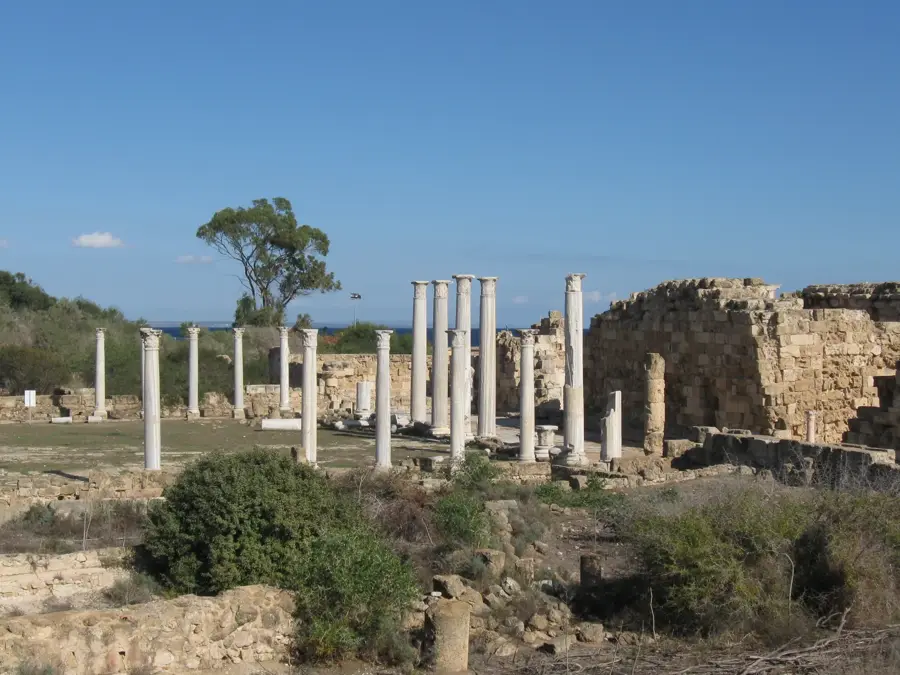
Salamis was for centuries the most powerful city in Cyprus, and today it stands as the island's most extensive archaeological site. Legend says it was founded by Teucer, a hero of the Trojan War. Most of the ruins visible today date from the Roman and Byzantine periods, including the grand Gymnasium with its elegant marble colonnades that once served as a sports and education center. The massive theater, which once held up to 15,000 spectators, is the largest on the island and is still used for cultural events. Visitors can also explore the Roman baths with their complex underfloor heating systems and remnants of beautiful mosaics. The site includes the ruins of early Christian basilicas, like Agios Epiphanios, and an ancient water cistern. Its coastal location adds a refreshing sea breeze to the historic exploration. Located 10 kilometers north of Famagusta, the site is vast and requires at least 2-3 hours to see properly. Comfortable walking shoes and sun protection are essential. There is a small cafe at the entrance for refreshments. A visit to Salamis is often paired with a stop at the nearby St. Barnabas Monastery or a swim at the sandy Salamis beach, which lies right next to the ancient city.

Best time to visit & climate

The most pleasant time to visit is Apr, May, Nov.

JanFebMarAprMayJunJulAugSepOctNovDec
Avg °C141416192327303028242016
Rain mm7242231392116153071

📋 Practical info

🚪
Visiting
The ancient site is an open-air archaeological park; most of the ruins, such as the theater, gymnasium and baths, are outdoors and can be explored freely. The small museum may have limited indoor access.
🕒
Typical hours
The archaeological site is usually open daily from early morning until sunset; in winter, closing time is earlier. The on-site museum has separate hours and may be closed on public holidays.
📷
Photography
Photography is allowed throughout the site, including the theater and baths. Tripods are usually permitted in outdoor areas, while drone use requires special permission.
⏱️
Time needed
Plan at least 2 to 3 hours for the main ruins; add up to 4 hours if you explore the whole complex and the beach. Half a day is well spent.
Combine with
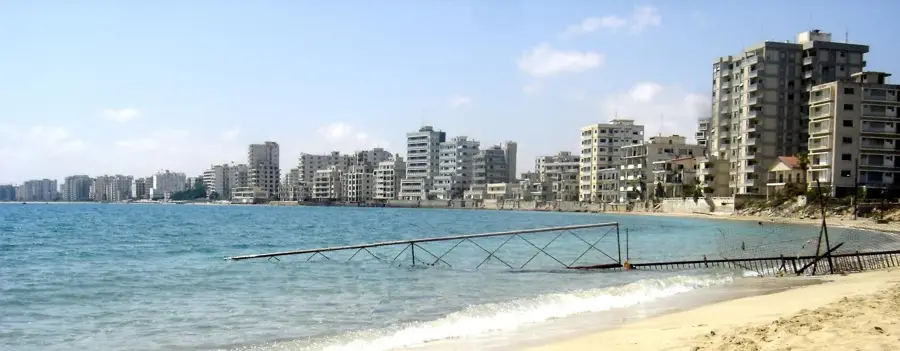
Pair with the Monastery of St. Barnabas and its icons, the walled city of Famagusta, or the ghost town of Varosha. The sandy beach nearby invites a swim after sightseeing.
🧭
Getting there
The ruins lie about 6 km north of Famagusta. Best reached by rental car or taxi; bus services are infrequent. Paid parking is available at the entrance.
💡
Insider tip
Bring plenty of water, a sun hat and sunscreen - there is almost no shade among the ruins. Cool off at the beach inside the archaeological park after your walk.

Geography

Population
20,502 (2023)
Coordinates
35.18333, 33.90000

Facts

  • Ancient capital of Cyprus
  • Founded by hero Teucer
  • Largest theater (15k seats)
  • Gymnasium with marble columns
  • Roman baths & mosaics
  • Located directly on the beach
  • 10km north of Famagusta
  • Ruins of Byzantine basilicas

Explore nearby

Notable places around

Route planner — Car & Motorhome

Where do you start? We build the route here, with stops and country notes along the way.

Vehicle
Only stops with (optional):

© OpenStreetMap contributors · OpenRouteService

Sights in the town Salamis (9)

Salamis Park Havuz🎡 recreation

A public swimming pool within the Salamis archaeological area.

Premier Villas Havuz🎡 recreation

A swimming pool at a villa complex near Salamis ruins.

Archaelogical Museum🏛 museum

The Archaeological Museum in Salamis showcases artifacts discovered from local excavations.

Monastery of Saint Barnabas📍 landmark

The Monastery of Saint Barnabas in Salamis is a prominent attraction featuring a church and an icon museum.

Cellarka🏺 historical

Rock-cut chamber tombs from the Hellenistic period at Salamis.

Erbatu tepeli villa🏺 historical

Remains of a Roman villa with mosaic floors in the Salamis ruins.

Building with Olive Oil Mill🏺 historical

An ancient olive oil production facility within the Salamis archaeological site.

Salamis📍 landmark

Salamis is a renowned ancient city and attraction known for its extensive archaeological ruins.

Basilica of Campanopetra📍 landmark

Early Christian basilica in Salamis.

Sights nearby

Frequently asked questions

Where is Salamis located?
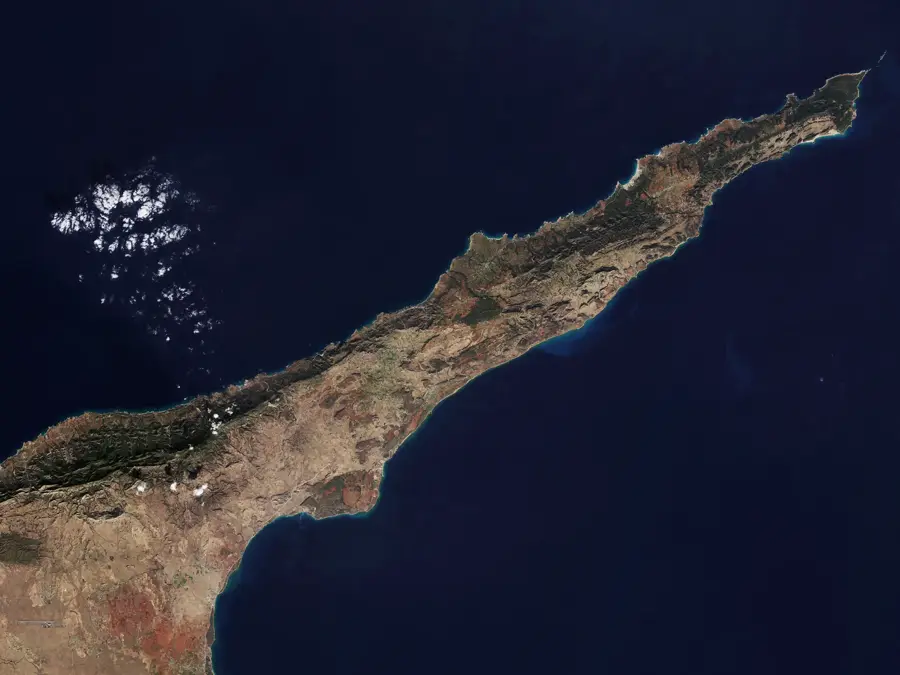
On the eastern coast of Cyprus, north of Famagusta.
What are the main ruins?
The gymnasium with its marble columns and the theatre are impressive.
Do you need a passport to visit?
Yes, as it is in Northern Cyprus, you need to cross the border.
Was Salamis a capital city?
Yes, it was the most important city and the capital of Cyprus for centuries.
Are there mosaics there?
Yes, some mosaic remains are still preserved in the baths of the gymnasium.
Salamis: where is it located?
Salamis is located in Cyprus.
Salamis: what is there to see?
Highlights include Salamis Park Havuz, Premier Villas Havuz, Archaelogical Museum.
Salamis: when is the best time to visit?
The most pleasant time to visit is Apr, May, Nov.
Salamis: why is it worth visiting?
Salamis was for centuries the most powerful city in Cyprus, and today it stands as the island's most extensive archaeological site.
View on map → The Top 50 Attractions → Most beautiful beaches → OpenStreetMap →
Europe
Explore with Plizio Discover more places in Europe
More places in Cyprus →

Nearby cities

History & landmarks
More places