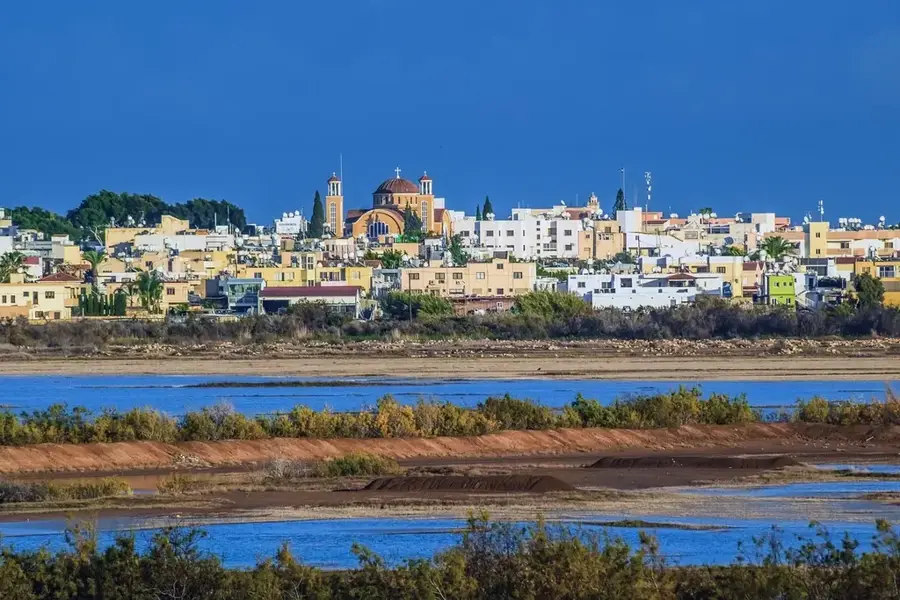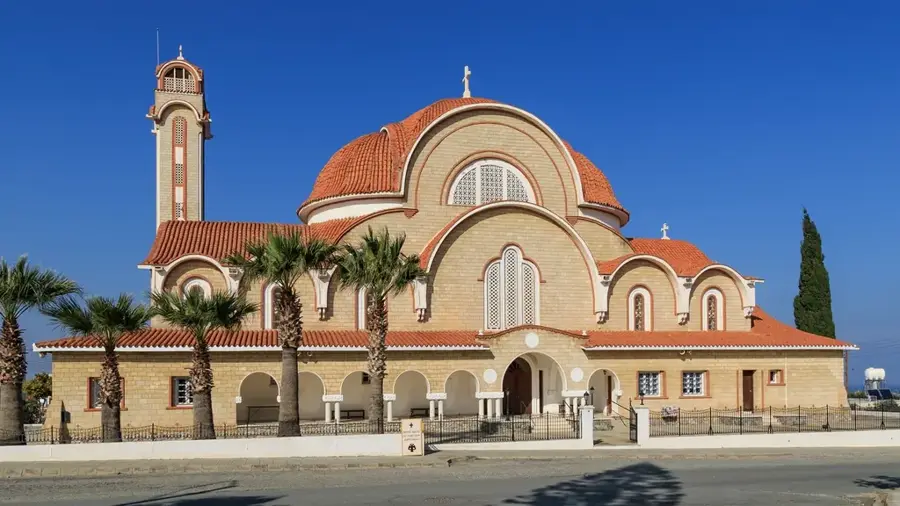
Kataklysmos (Festival of the Flood)
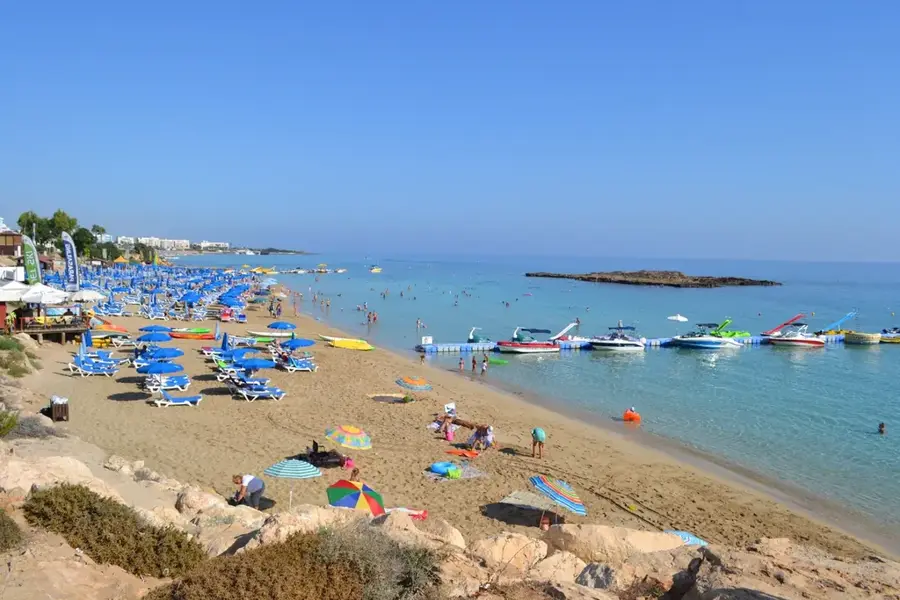
Orthodox water festival in June, marked in the coastal towns of the free Famagusta region with concerts, games and seaside celebrations.
PlizioGo
Look for traditional kebab houses hidden in the side streets of the walled city.
Pick up a freshly baked savory pastry filled with halloumi at a local bakery early in the morning.
A traditional fruit preserve often served with Turkish coffee at cafes near the Lala Mustafa Pasha Mosque.
Available in many colorful varieties at sweet shops near the main square.
While from the south, local vendors in the old town often sell these beautiful handmade textiles.
Climb the ramparts of this medieval citadel for a quiet sea breeze and harbor views.
Walk along the grassy outer perimeter of the massive city walls to escape the tourist crowds.
Water temperature…
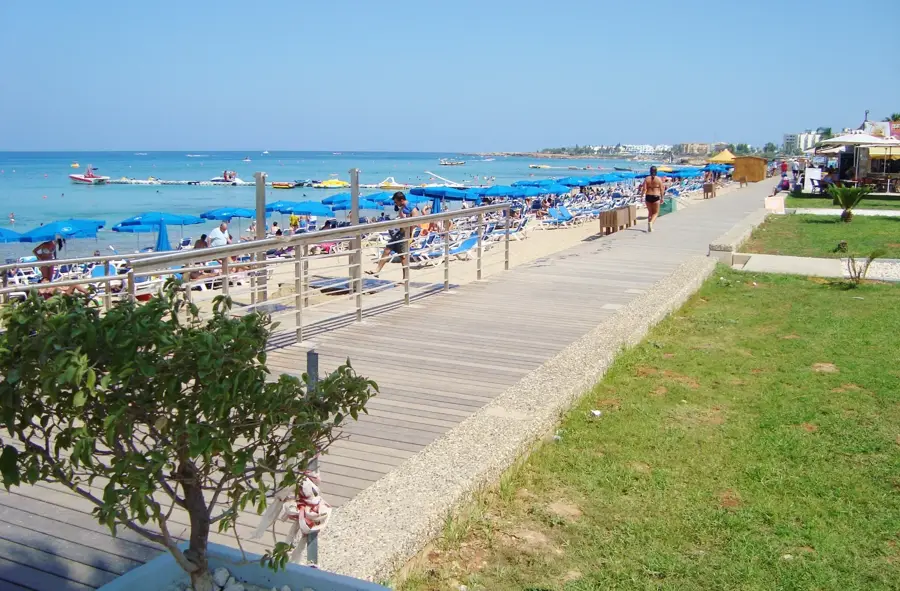
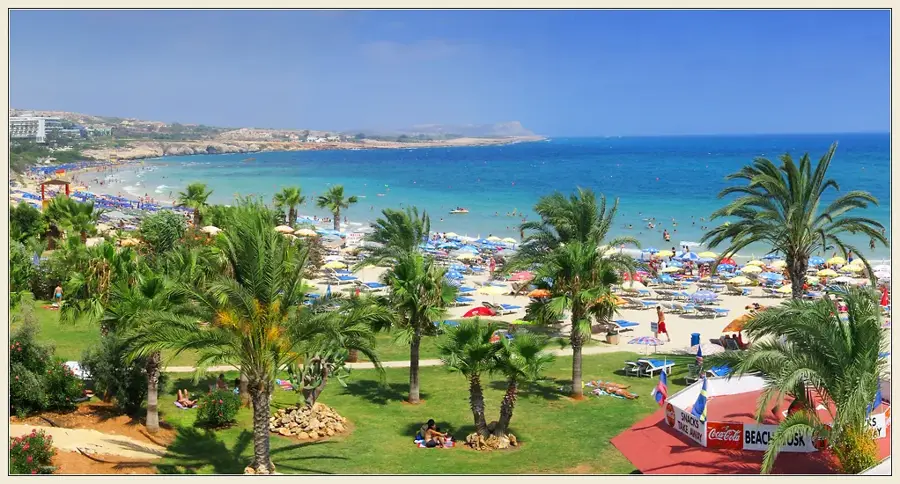
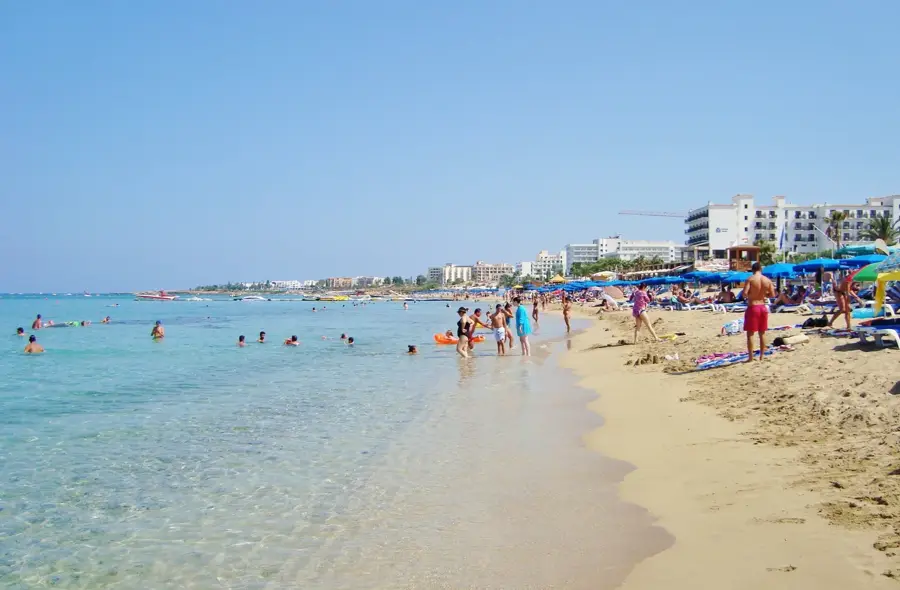
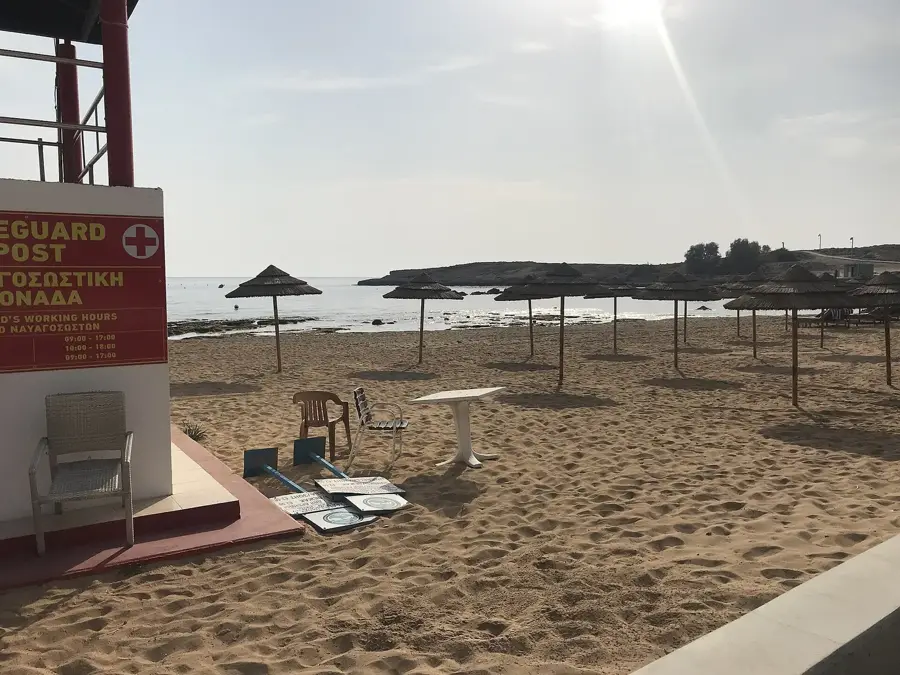
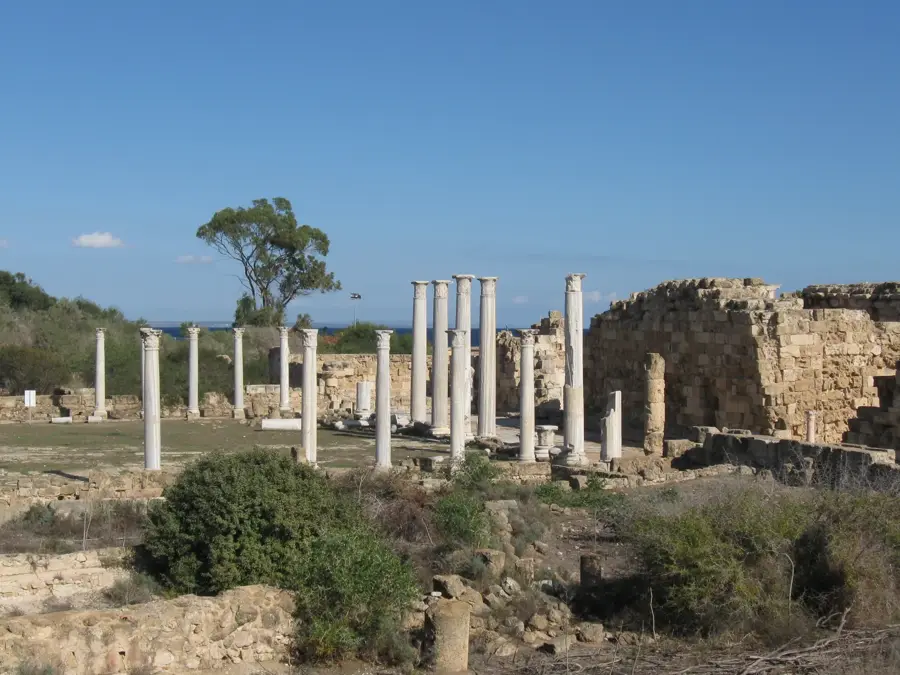
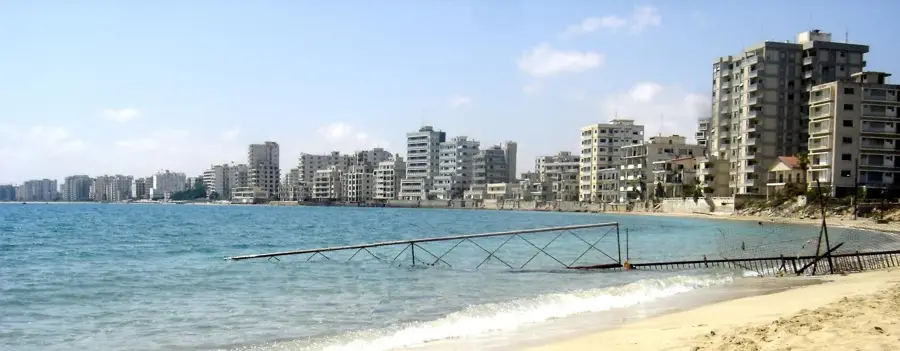
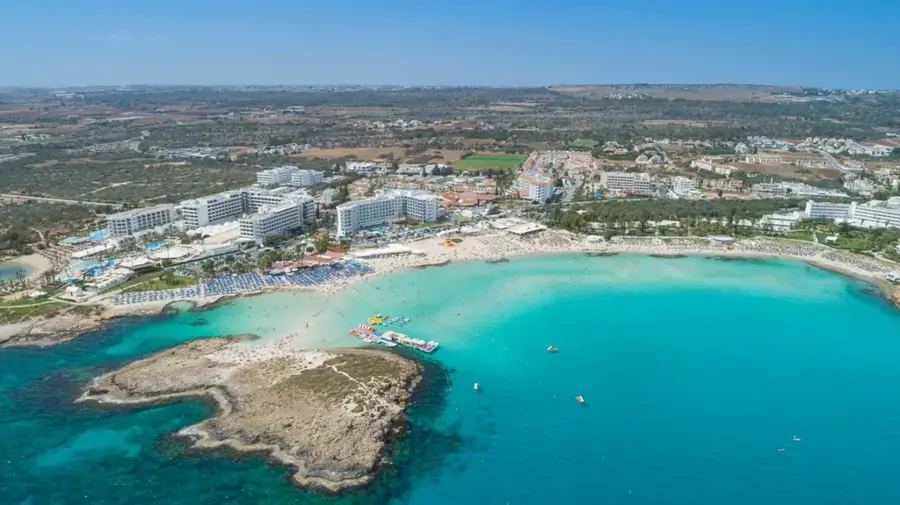
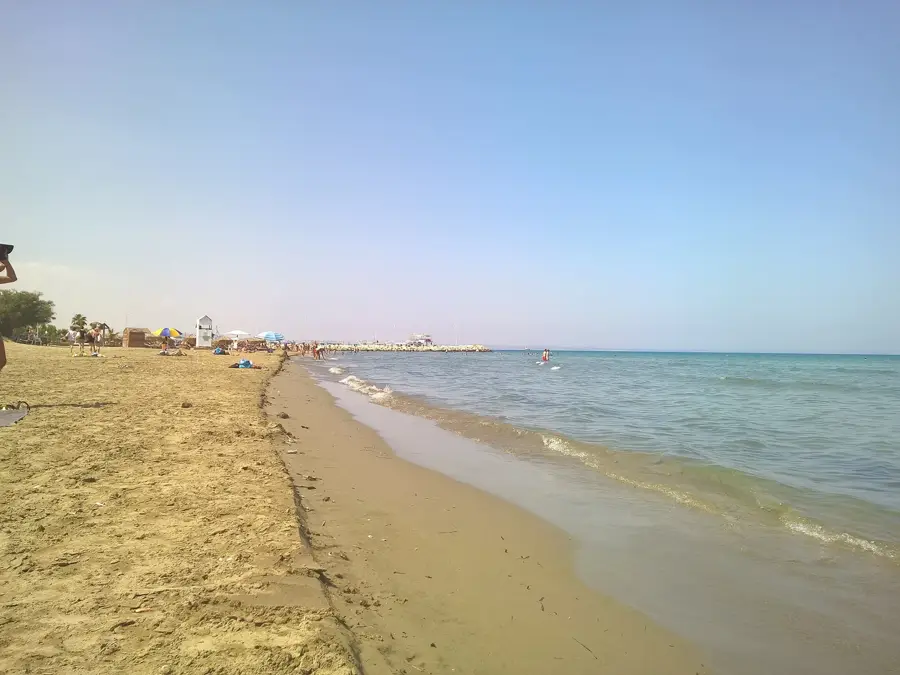
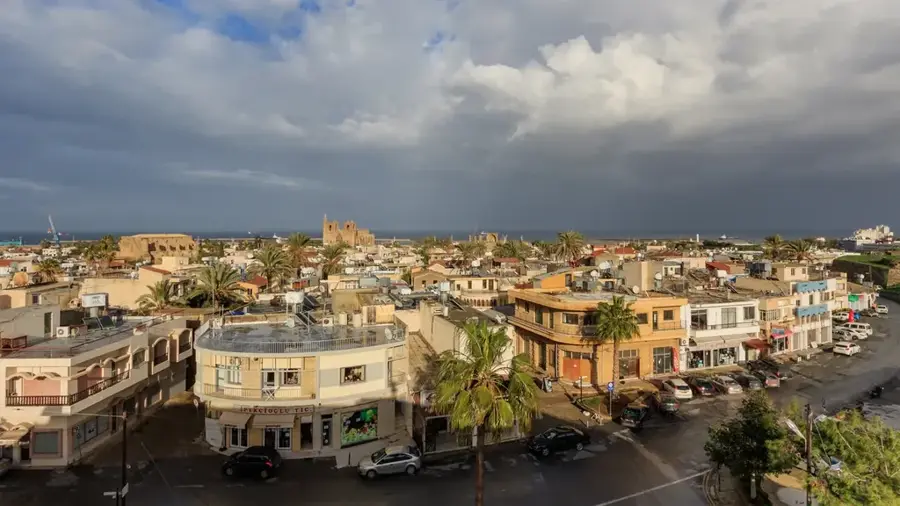
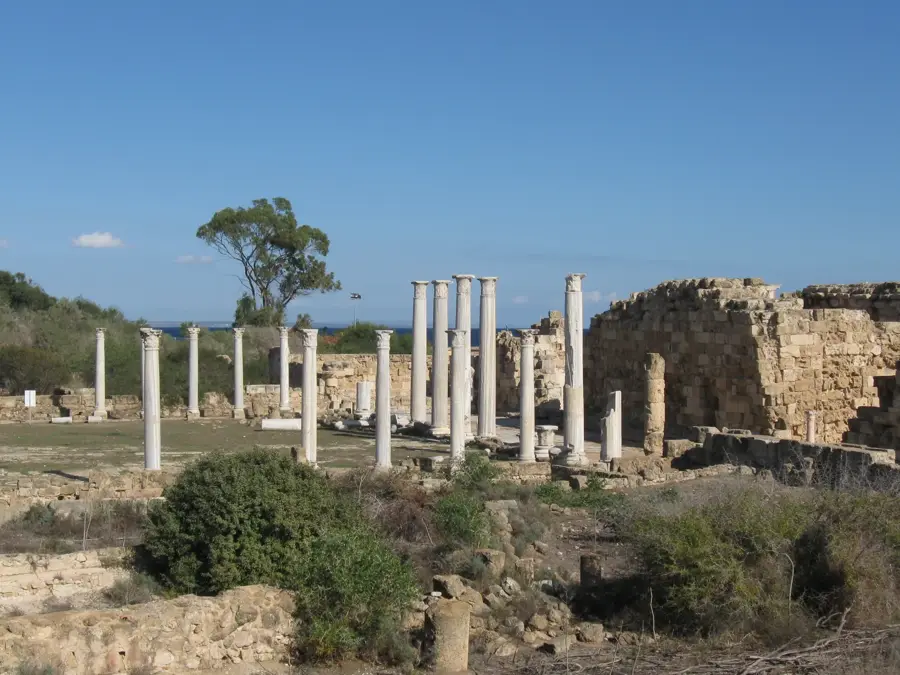
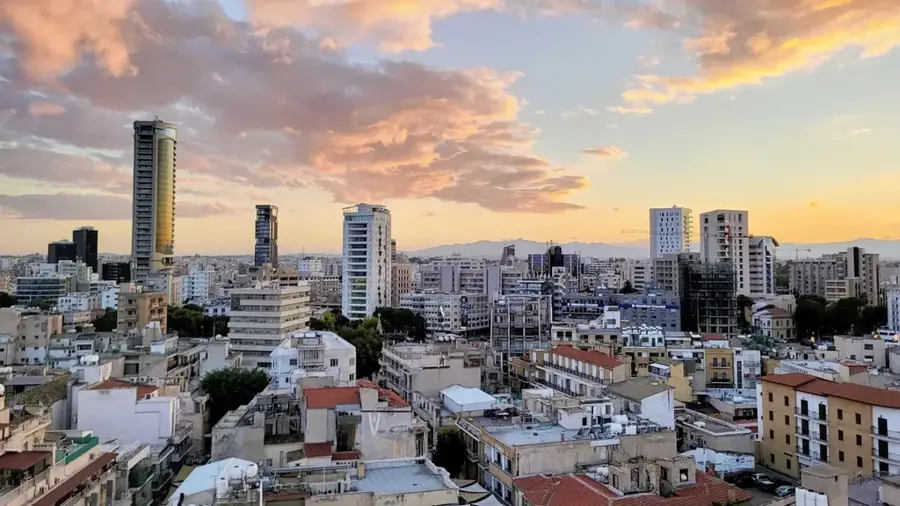
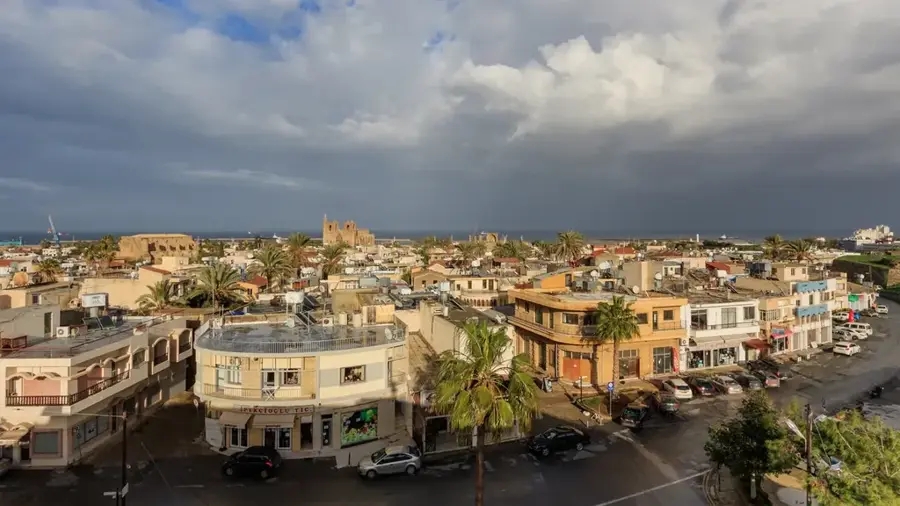
Famagusta, located on the eastern coast of Cyprus, is a city of immense historical depth, once serving as the wealthiest port in the medieval world under the Lusignan dynasty. Its massive Venetian walls, completed in the 15th century, are some of the best-preserved military fortifications in existence, having famously withstood a massive Ottoman siege in 1571. The architectural centerpiece of the old city is the Lala Mustafa Pasha Mosque, originally the Gothic Cathedral of Saint Nicholas, where the Kings of Cyprus were crowned as Kings of Jerusalem. A more somber aspect of the city's identity is Varosha, the luxury resort quarter that became a 'ghost town' following the 1974 Turkish military intervention and remained abandoned for decades. The city is also home to Othello's Castle, a fortress tower that provided the legendary setting for Shakespeare’s famous play. Just north of the city lie the extensive ruins of ancient Salamis, a former capital of Cyprus featuring grand Roman amphitheaters and baths. Today, Famagusta is a spirited university town, blending its medieval ruins with a growing modern population and a busy deep-water port. The region remains famous for its vast stretches of golden sand beaches and crystal-clear waters.
The most pleasant time to visit is Apr, May, Nov.
| Jan | Feb | Mar | Apr | May | Jun | Jul | Aug | Sep | Oct | Nov | Dec | |
|---|---|---|---|---|---|---|---|---|---|---|---|---|
| Avg °C | 14 | 14 | 16 | 19 | 23 | 27 | 30 | 30 | 28 | 24 | 20 | 16 |
| Rain mm | 72 | 42 | 23 | 13 | 9 | 2 | 1 | 1 | 6 | 15 | 30 | 71 |
Notable places around
Where do you start? We build the route here, with stops and country notes along the way.
© OpenStreetMap contributors · OpenRouteService
Start your day in the heart of the Old Town at the Lala Mustafa Pasha Mosque, whose Gothic arches recall French cathedrals. After visiting the historic Namık Kemal Dungeon, explore the massive Othello Castle by the harbor. The afternoon is dedicated to the Venetian walls and the haunting but fascinating sight of the Varosha ghost town by the sea.
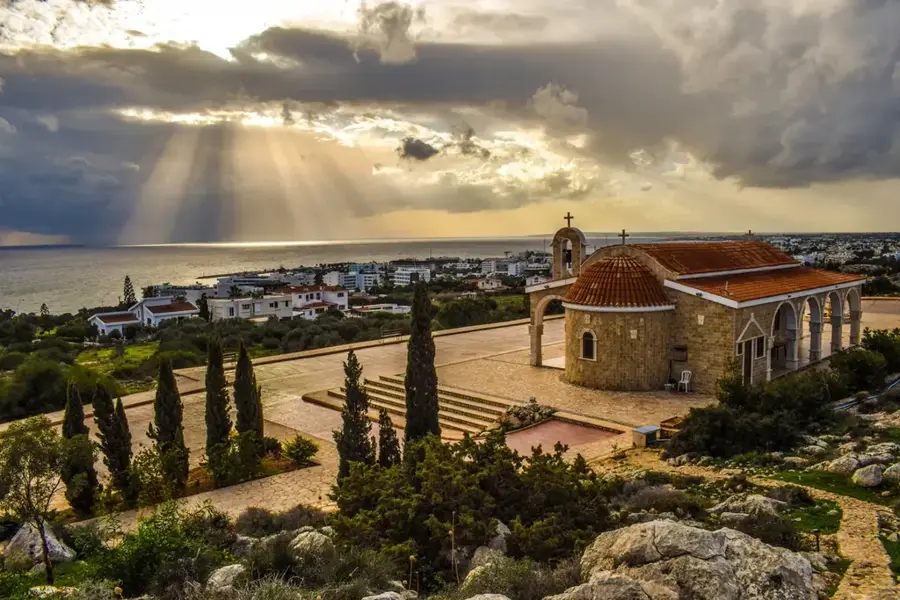
Explore Famagusta efficiently by bike. Start on the mighty city walls and circle the old town to the Martinengo Bastion. After a stop at the harbor and Othello Castle, the route leads north to the ancient Royal Tombs and St. Barnabas Monastery. The day ends with a relaxed ride along the coast near Varosha.
By car, you can comfortably reach the more distant treasures of Famagusta. After the Gothic center of the Old Town, the drive takes you north to the impressive ancient ruins of Salamis and the St. Barnabas Monastery. Finally, return south to experience the melancholy atmosphere of Varosha before ending the day at Palm Beach.