Plizio Visual Lab
Brazzaville
ℹ️Practical info — Brazzaville
▾
🌤 Weather — 5 days
📍 Nearby
Sights nearby
💡 Tips
- Use the green communal taxis for affordable transport; negotiate the fare before getting in if you charter the whole vehicle.
- Poto-Poto is the best neighborhood for experiencing the animated local art scene and lively evening atmosphere.
- Photography of government buildings, military installations, or the port is strictly prohibited and can lead to trouble.
- Take a walk along the Corniche in the late afternoon for spectacular views across the river to Kinshasa.
🍽 Food
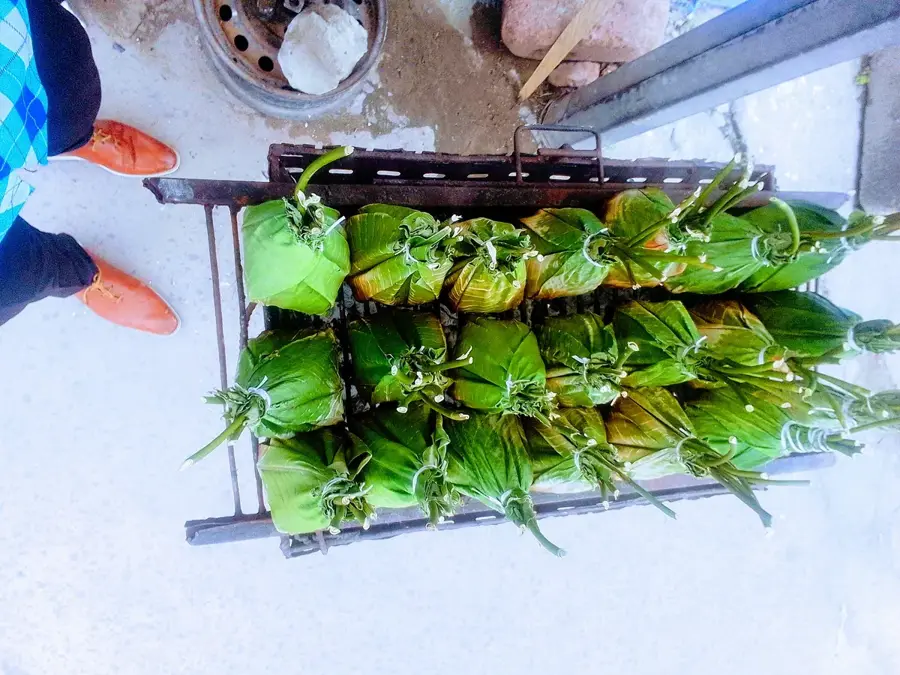
Steamed river fish in leaves, widely available at local 'maquis' (informal restaurants) in Poto-Poto.
Meat or fish cooked with local spices in banana leaves; try it at the food stalls near Marché Total.
Often served with spicy pili-pili sauce at outdoor terraces along the river.
🛍 Shopping · 🧘 Quiet spots
A massive, bustling market convenient for buying colorful wax print fabrics and local fashion.
The go-to spot for traditional masks, malachite jewelry, and wood carvings.
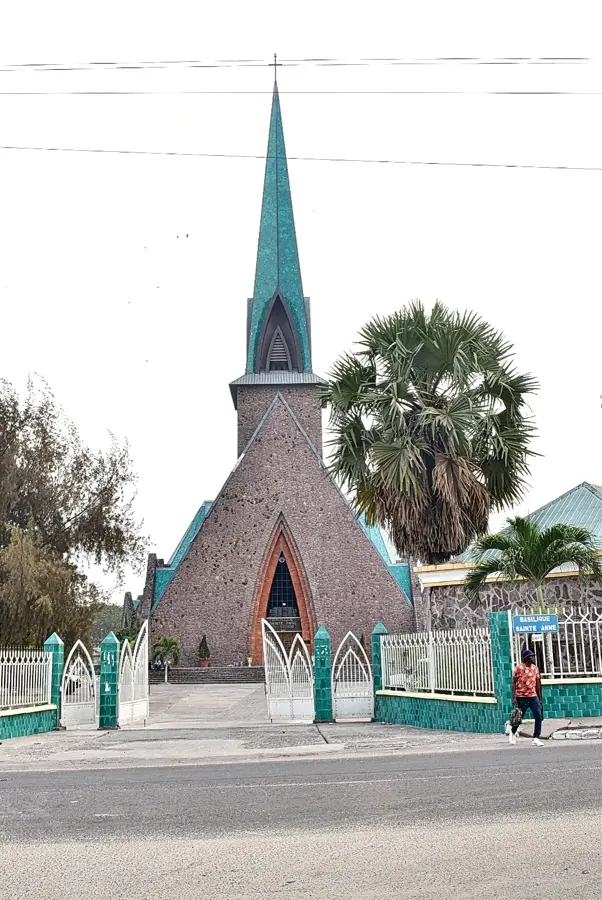
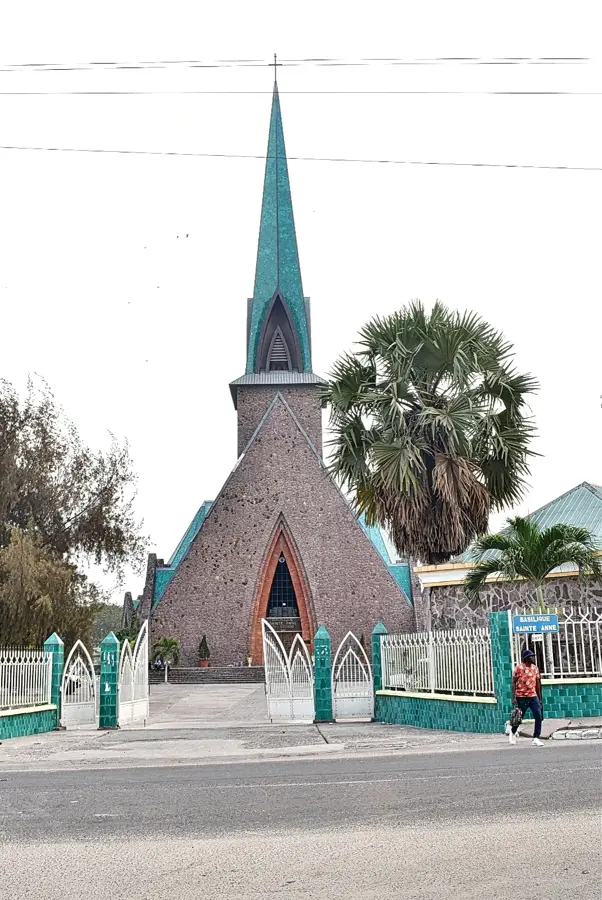
The interior and immediate surroundings of this iconic church offer a serene escape from the city buzz.
The newly renovated riverside promenade is relatively peaceful during weekday mornings.
Water temperature…
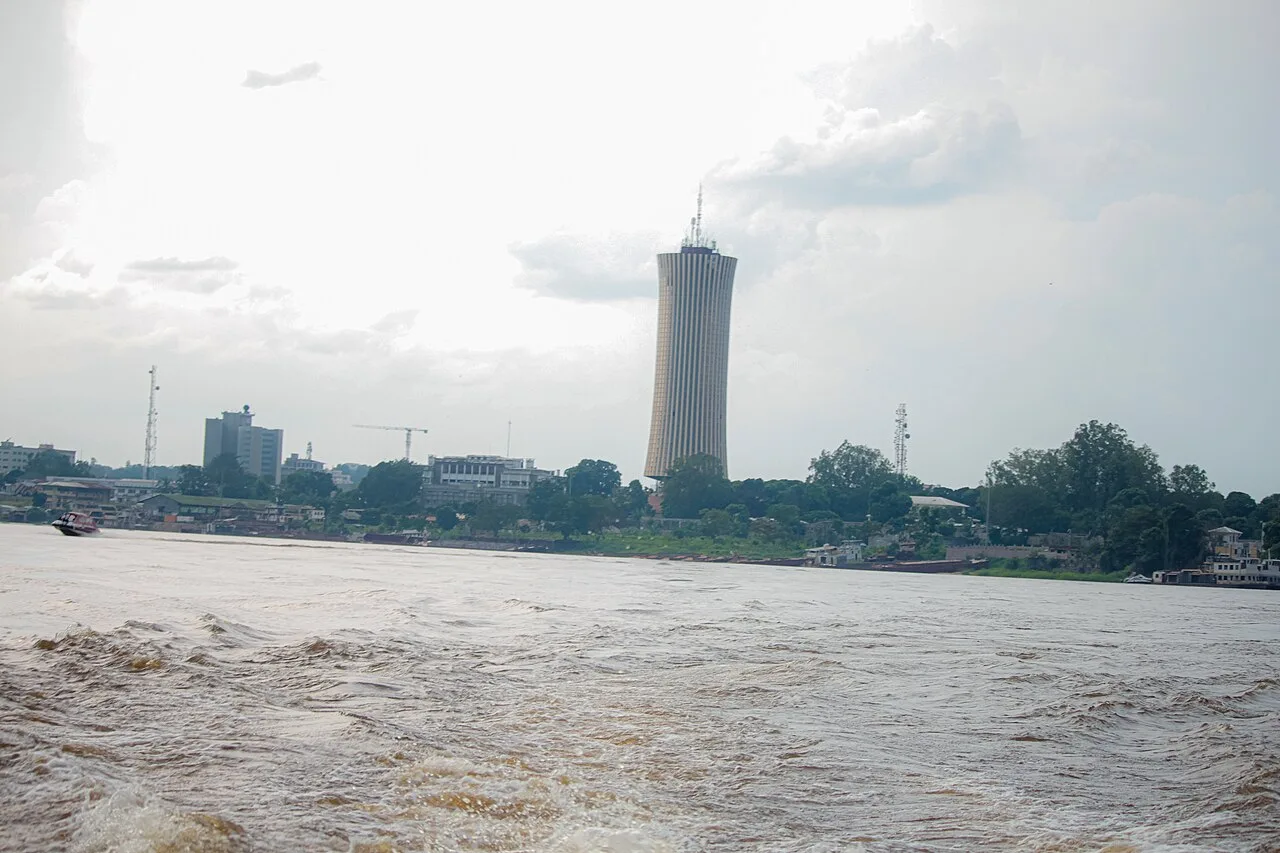
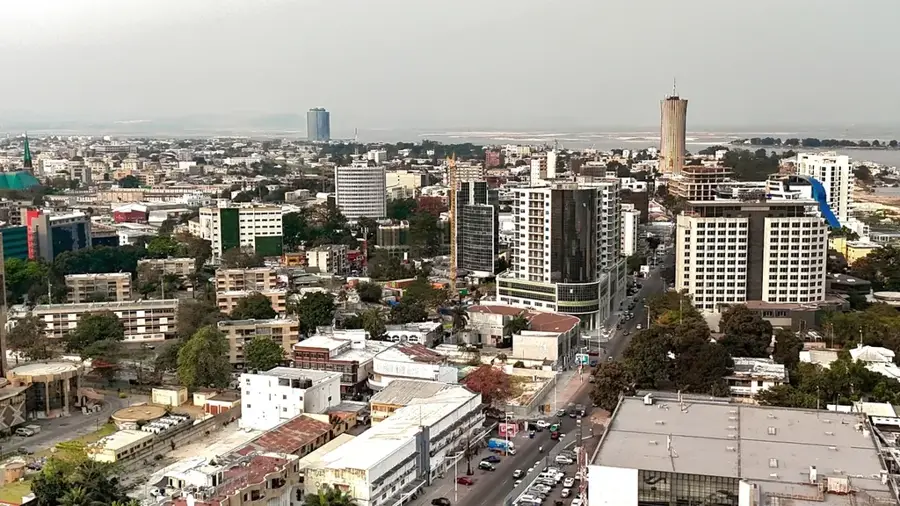
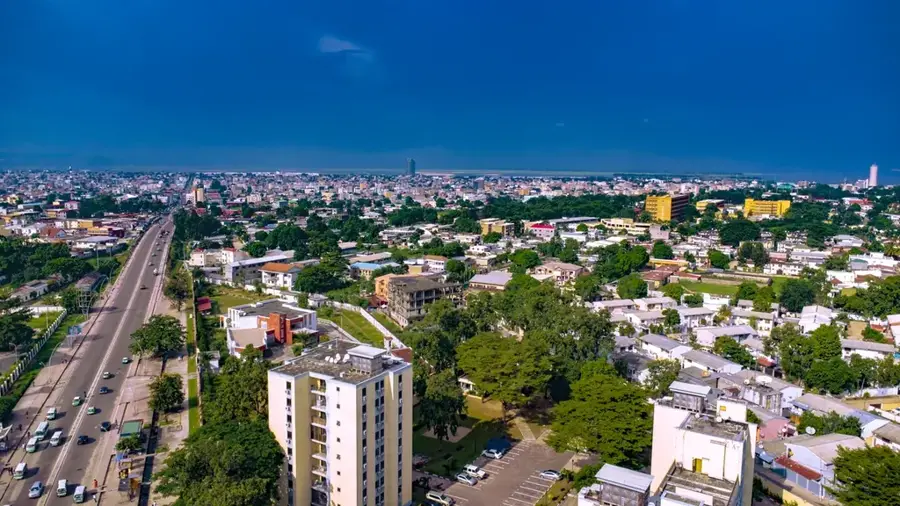
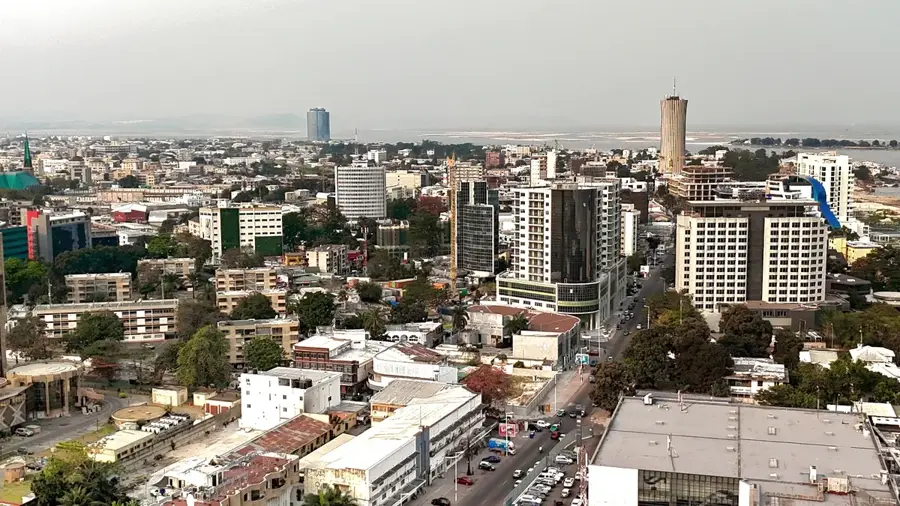
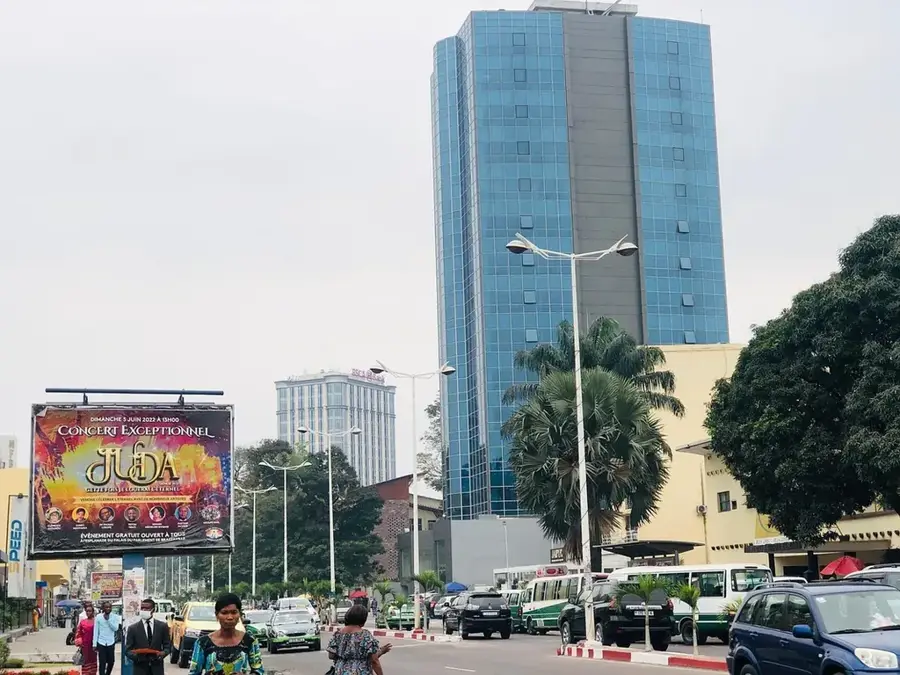
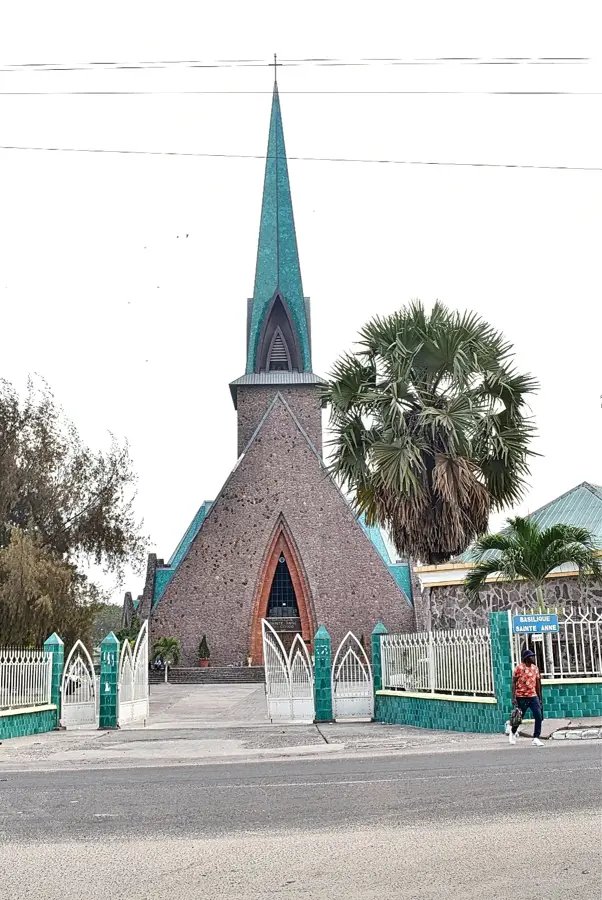
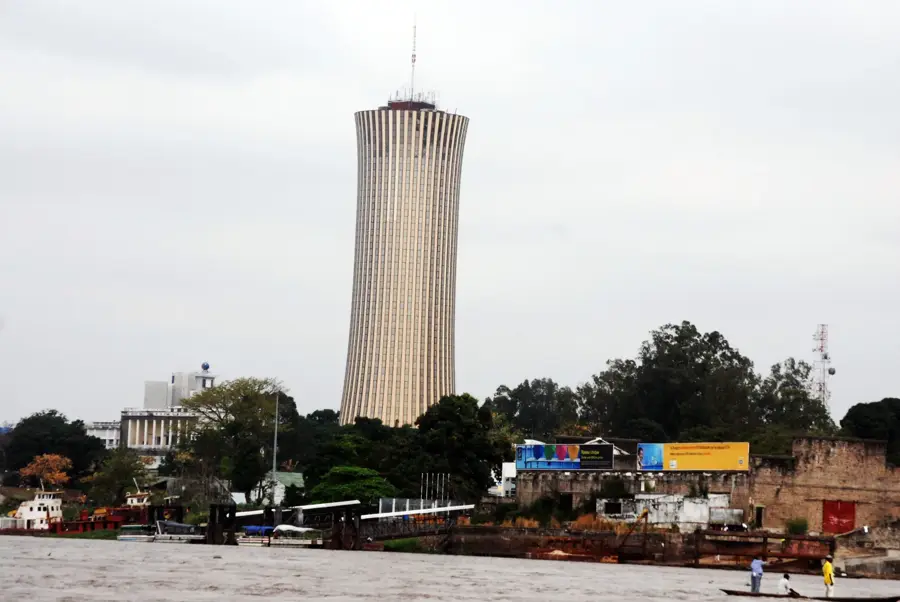
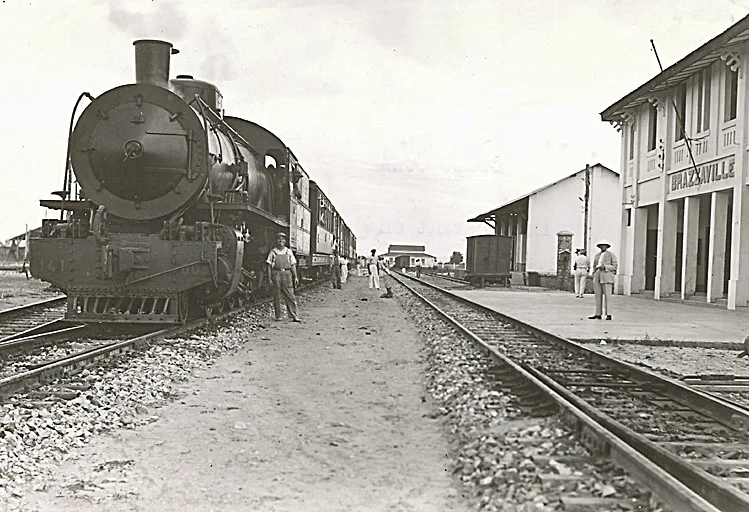
Brazzaville, the capital of the Republic of the Congo, is a historic city situated on the north bank of the Congo River, directly across from Kinshasa, the capital of the DRC. Founded in 1880 by Pierre Savorgnan de Brazza, the city served as the administrative capital of French Equatorial Africa and later gained international prominence as the symbolic capital of Free France during World War II. Its geographic location on the Malebo Pool, a lake-like expansion of the Congo River, has historically made it a key transit point between the interior of the continent and the Atlantic coast. The city’s urban landscape is a blend of colonial heritage, characterized by tree-lined boulevards and churches like the Basilica of Sainte-Anne, and modern developments, exemplified by the Nabemba Tower, the nation's tallest building. Economically, Brazzaville is the nation's political and administrative heart, with a major river port that facilitates the movement of raw materials and manufactured goods. The city is also a significant cultural hub, particularly known for its spirited music scene and its contribution to the Congolese rumba, leading to its designation as a UNESCO Creative City of Music. The Poto-Poto School of Painting is another cultural hallmark, producing distinctive art that is recognized globally. Education is centered around the Marien Ngouabi University, which attracts students from across the region. Brazzaville is widely considered one of the safer and more orderly major cities in Central Africa, offering a stark contrast to its more chaotic neighbor across the river. It hosts several international organizations, including the African headquarters of the World Health Organization. The local social fabric is enriched by the Sapeur movement, a subculture of elegantly dressed men who turn fashion into an art form. With its pleasant climate and significant green spaces, Brazzaville continues to grow as a modern African metropolis while maintaining a deep connection to its multifaceted historical roots.
- Location: Congo - Brazzaville
- Top sights: Basilique Sainte-Anne · Statues des fameux congolais · Musée galerie du bassin du Congo
- Nearby: Loufoulakari Falls (46 km)
- Population: ~1.982.000 (2025)
Best time to visit & climate
The most pleasant time to visit is Jun–Aug.
| Jan | Feb | Mar | Apr | May | Jun | Jul | Aug | Sep | Oct | Nov | Dec | |
|---|---|---|---|---|---|---|---|---|---|---|---|---|
| Avg °C | 25 | 25 | 25 | 25 | 25 | 24 | 24 | 25 | 26 | 25 | 25 | 25 |
| Rain mm | 184 | 186 | 229 | 236 | 155 | 16 | 4 | 21 | 78 | 207 | 317 | 276 |
Geography
Facts
- Brazzaville was founded in 1880 on the site of a small village called Ntamo.
- General Charles de Gaulle made his famous 1944 speech on colonial reform here.
- The city is located at the coordinates 4°16′S 15°17′E.
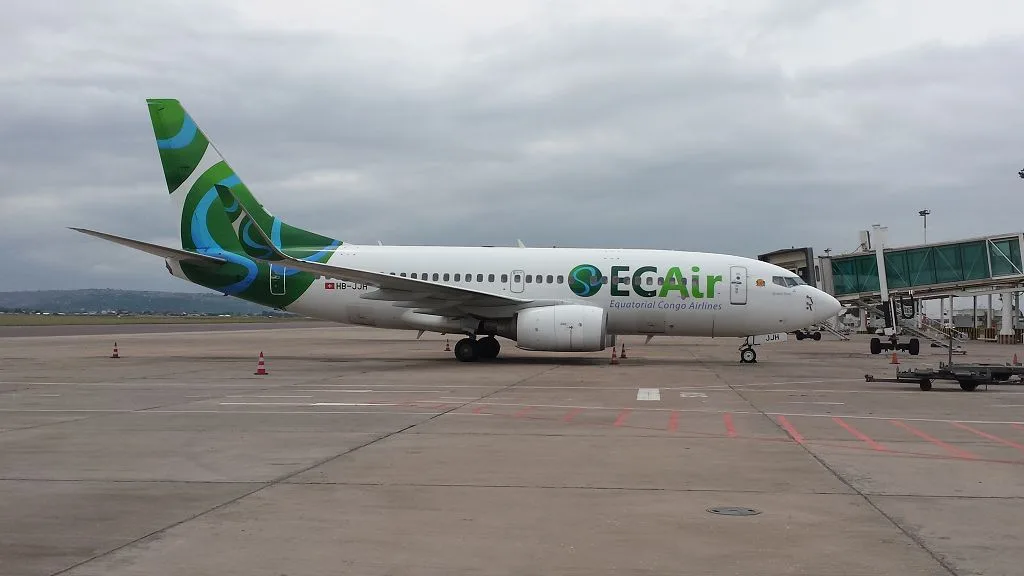
- Brazzaville's Maya-Maya Airport is a major international gateway.
- The Poto-Poto neighborhood is the city's most famous artistic quarter.
- The city sits at an altitude of 320 meters above sea level.
- Brazzaville was the first African city to host the All-Africa Games in 1965.
- The Congo River flow at Brazzaville is the second-largest in the world by volume.
Explore nearby
Notable places around
Route planner — Car & Motorhome
Where do you start? We build the route here, with stops and country notes along the way.
© OpenStreetMap contributors · OpenRouteService
Sights in the town Brazzaville (10)
Plus jamais ça
Plus jamais ça, a monument in Brazzaville commemorating the horrors of war.
Mémorial Pierre Savorgnan de Brazza🏛 museum
Mémorial Pierre Savorgnan de Brazza, a museum in Brazzaville dedicated to the explorer and colonial official.
Amphithéatre le Phénotype
Amphithéatre le Phénotype, a theatre in Brazzaville used for performances and concerts.
Théâtre Jean-Baptiste Tati Loutard
Théâtre Jean-Baptiste Tati Loutard, a theatre in Brazzaville named after the Congolese writer.
Café Coco
Café Coco, a café or meeting spot in Brazzaville, known for its relaxed atmosphere.
La Tanière🏰 castle
La Tanière, a building in Brazzaville referred to as a castle or fortress.
Frequently asked questions
How many days are needed for Brazzaville?
What is the most famous landmark?
How do you cross the Congo to Kinshasa?
Which dish should one try?
Is Brazzaville safe for tourists?
Brazzaville: where is it located?
Brazzaville: what is there to see?
Brazzaville: when is the best time to visit?
Brazzaville: why is it worth visiting?

History & landmarks
More places