Plizio Visual Lab
Qiqihar
ℹ️Practical info — Qiqihar
▾
🌤 Weather — 5 days
📍 Nearby
Sights nearby
💡 Tips
- The Zhalong Nature Reserve is best visited during the crane flight performances; check the daily schedule in advance.
- Winters are extremely cold; dress in heavy layers and try local winter street food like frozen pears.
- Qiqihar-style BBQ uses a hot iron plate rather than charcoal grills, focusing heavily on high-quality local beef.
- Taxis are very affordable, but ensure you have your destination written in Chinese or a map app ready.
🍽 Food
Fresh beef mixed with onions, grilled on a hot plate. Found everywhere in the city.
Hearty dishes like iron pot stewed goose, well-suited for cold winter days.
Influenced by northern neighbors, you can find flavorful smoked sausages in local markets.
🛍 Shopping · 🧘 Quiet spots
Thanks to surrounding pastures, local milk and yogurt are very popular in supermarkets.
Pine nuts, dried mushrooms, and ginseng are available at traditional markets.
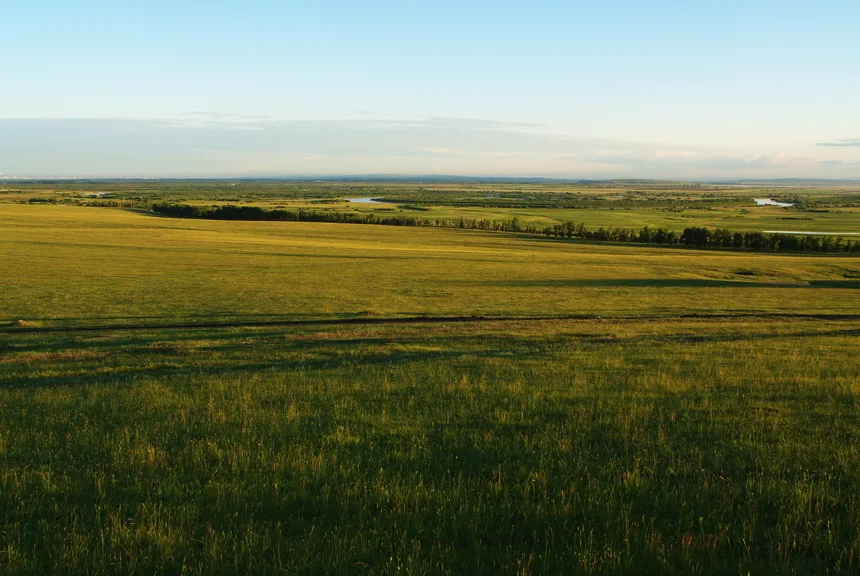
A vast wetland landscape outside the city, very serene outside of crane performance times.
The largest park in the city, featuring a lake, classical pavilions, and shaded walking paths.
Water temperature…
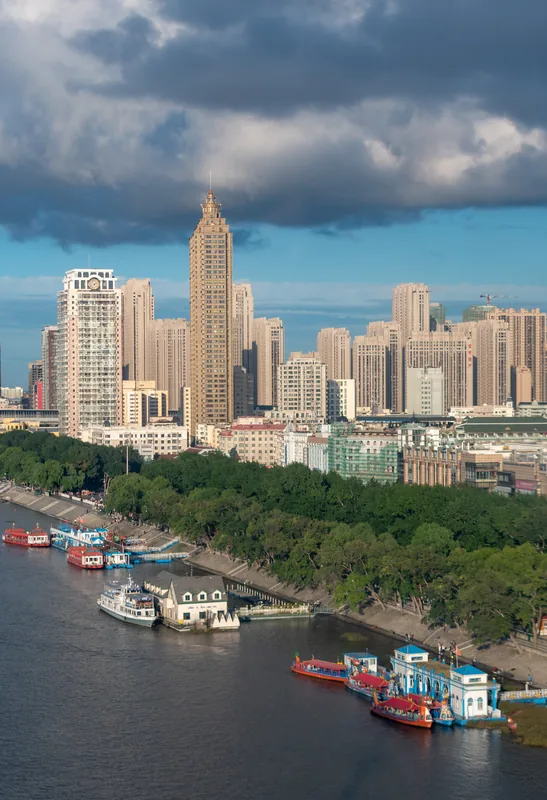
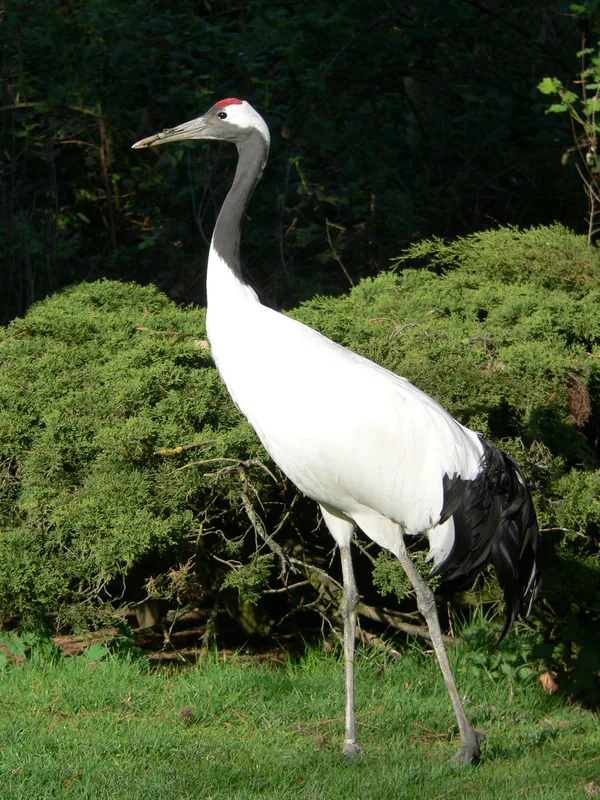
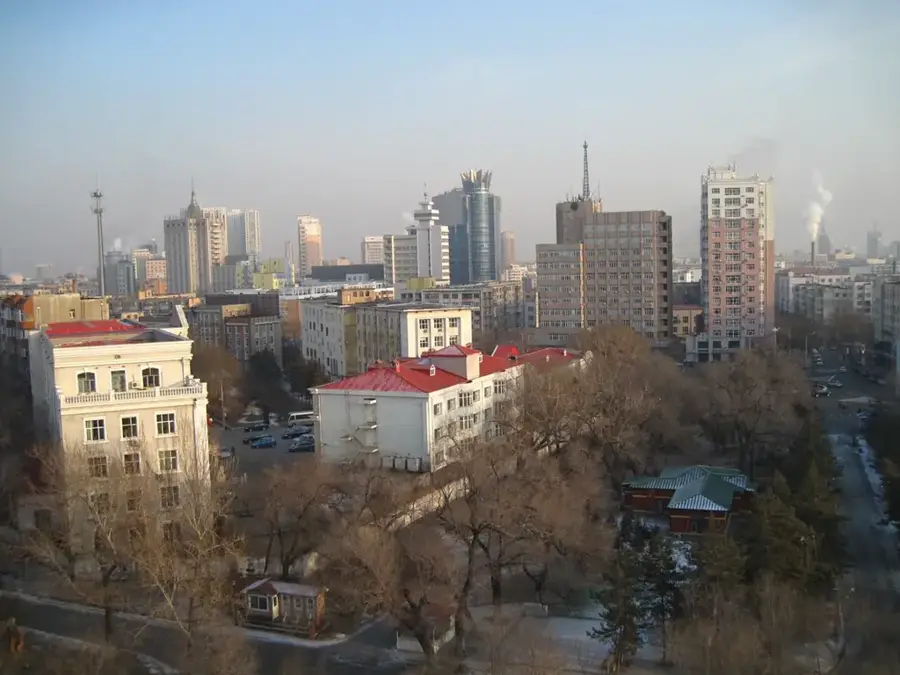
Qiqihar is the second-largest city in Heilongjiang Province in northeastern China, boasting a history of over 800 years and serving for a long time as the region's political and cultural center. The city is internationally renowned for the Zhalong Nature Reserve, one of the world's most significant wetlands and a vital breeding ground for the endangered red-crowned crane. This bird has earned Qiqihar the nickname "City of Cranes" and is deeply rooted in local symbolism. Geographically, the city lies on the banks of the Nen River in the vast Songnen Plain, making it an important agricultural hub for grain and livestock production. In industry, Qiqihar is a major site for heavy machinery manufacturing and the production of railway rolling stock in China. The climate is characterized by long, cold winters and short, warm summers, which has influenced the residents' lifestyle and the city's architecture. Historically, Qiqihar was the capital of Heilongjiang Province during the Qing Dynasty and maintained this role well into the 20th century. Today, the city combines its industrial strength with efforts in nature conservation and the promotion of ecotourism.
- Location: China
- Top sights: Electric Power Cultural Palace · Museum of Qiqihar · Artistic Theater: Opera Center
- Population: ~882.364 (2024)
Best time to visit & climate
The most pleasant time to visit is May, Jun, Aug.
| Jan | Feb | Mar | Apr | May | Jun | Jul | Aug | Sep | Oct | Nov | Dec | |
|---|---|---|---|---|---|---|---|---|---|---|---|---|
| Avg °C | -19 | -15 | -4 | 6 | 15 | 21 | 24 | 21 | 14 | 4 | -7 | -17 |
| Rain mm | 4 | 4 | 8 | 21 | 42 | 96 | 133 | 91 | 53 | 18 | 8 | 6 |
Geography
Facts
- Established as a city in 1691 during the reign of Emperor Kangxi
- Zhalong Nature Reserve covers an area of approximately 2,100 square kilometers
- Home to about 400 red-crowned cranes, a large portion of the wild population
- The city's name originates from the Daur language, meaning "natural pasture"
- Significant producer of heavy machine tools and railway freight wagons
- Prefecture-level population is approximately 5.2 million people
Route planner — Car & Motorhome
Where do you start? We build the route here, with stops and country notes along the way.
© OpenStreetMap contributors · OpenRouteService
Sights in the town Qiqihar (6)
Frequently asked questions
What can you see at the Zhalong Nature Reserve?
What food is popular in Qiqihar?
Where is Qiqihar located?
How is the weather in winter?
Are there any ice and snow festivals?
Qiqihar: where is it located?
Qiqihar: what is there to see?
Qiqihar: when is the best time to visit?
Qiqihar: why is it worth visiting?

Nearby cities