Plizio Visual Lab

Kotto River
Plizio editorial teamData Sources
River
—°
Kotto River (Central African Republic)

Weather…

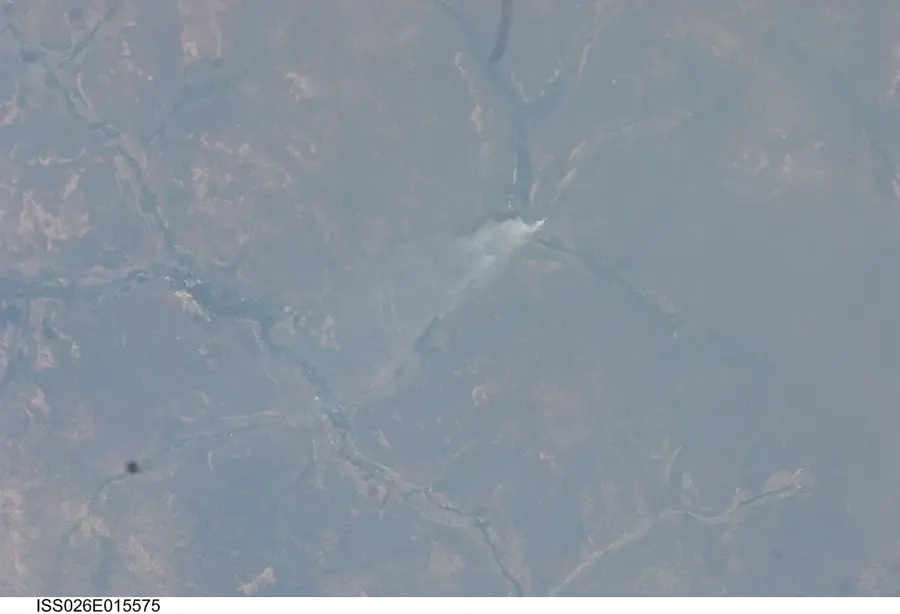
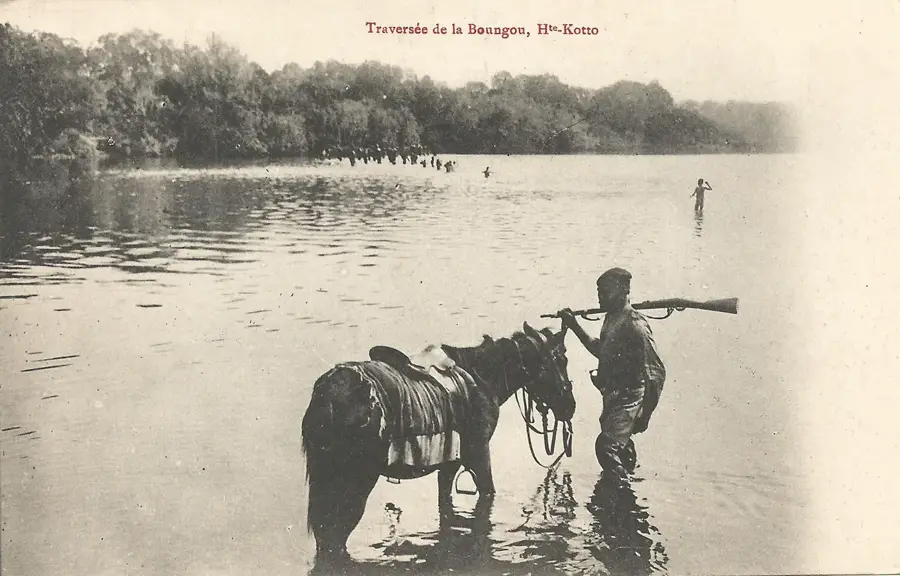
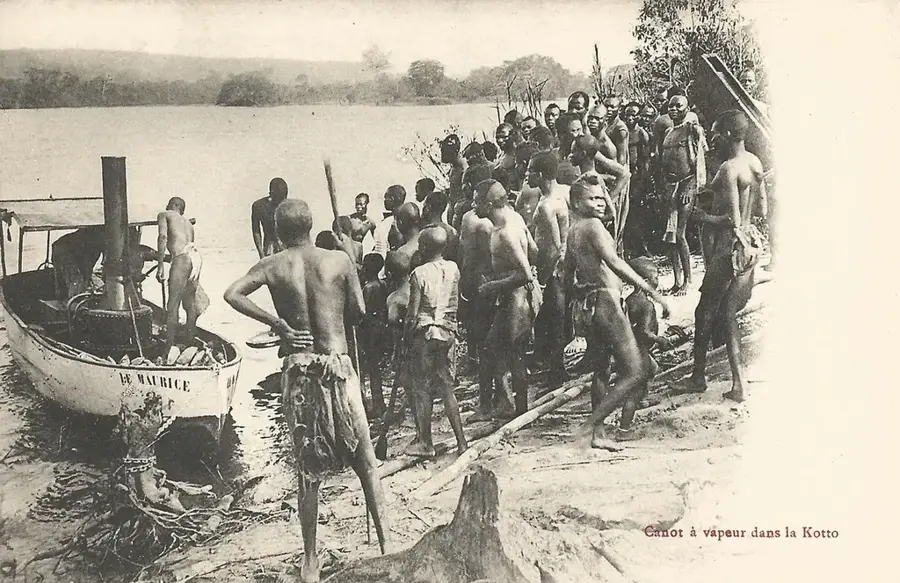
The Kotto River is a prominent geographical feature in the eastern Central African Republic and a major tributary of the Ubangi River. It originates in the Bongo Massif near the border with Sudan and flows southward for over 660 kilometers. The river is famous for the Kembe Falls, a spectacular natural sight where water plunges over massive rock formations. The banks of the Kotto are lined with dense gallery forests that host a rich biodiversity, including numerous primates and rare bird species. Near the city of Bria, the river widens, providing important fishing grounds for the local population. The river's hydrological dynamics are determined by the region's distinct rainy and dry seasons, with the discharge reaching its peak in late summer. As a transport route, the Kotto is only limitedly usable due to numerous rapids, which has helped preserve its pristine nature. It remains a vital resource for agriculture and drinking water supply in the eastern provinces.

Best time to visit & climate

The most pleasant time to visit is Jan, Nov, Dec.

JanFebMarAprMayJunJulAugSepOctNovDec
Avg °C262928272625242424252525
Rain mm31574125160165189214210203503

📋 Practical info

🧭
Getting there
Accessing the Kotto River typically involves launching expeditions from nearby settlements like Bria or traversing overland via rough, unpaved tracks. Finding navigable sections and waterfall viewpoints requires robust four-wheel-drive vehicles and deep knowledge of the local geography.
📅
Best season
The optimal time to witness the river and its numerous waterfalls is shortly after the rainy season, when water levels are majestically high. However, navigating the surrounding terrain is practically easier during the dry season, balancing road accessibility against river volume.
⛰️
Terrain & paths
The riverbanks are predominantly characterized by thick, lush gallery forests and rocky outcrops that dramatically shape the water's flow into spectacular falls. Traversing the immediate shorelines can be arduous, requiring hiking through dense vegetation and slippery muddy banks.
🎒
What to bring
Visitors must pack strong insect repellent, reliable water purification systems, and durable, quick-drying outdoor clothing for navigating the humid riverine environment. Carrying sturdy hiking boots is essential for safe footing around the rocky and potentially slippery waterfall viewing areas.
🅿️
Parking
Dedicated parking spots simply do not exist along the majority of this untamed river; vehicles are typically left at remote base camps or within the nearest welcoming village. Professional guides are vital for coordinating safe vehicle storage while exploring the riverbanks on foot.
⚠️
Safety
The remoteness of the region presents significant safety considerations, demanding travel with highly experienced, well-equipped local outfits. River currents near the waterfalls can be extremely powerful and treacherous, making unauthorized swimming highly dangerous and ill-advised.
⏱️
Time needed
An excursion to locate and properly appreciate the significant waterfalls along the Kotto typically requires planning a multi-day journey from the nearest logistical hubs. The challenging terrain ensures that travel time deeply outweighs the actual duration spent stationary at the scenic viewpoints.

Geography

Coordinates
6.50000, 22.00000

Facts

  • The total length of the river is approximately 660 kilometers.
  • The famous Kembe Falls have a drop height of about 25 meters.
  • It empties into the great Ubangi River south of the city of Mobaye.
  • The Bongo Massif serves as the river's primary source in the northeast.
  • Diamond mining in the river sediment began in the Bria region in 1947.
  • The average annual discharge rate is approximately 450 cubic meters per second.

Explore nearby

Notable places around

Route planner — Car & Motorhome

Where do you start? We build the route here, with stops and country notes along the way.

Vehicle
Only stops with (optional):

© OpenStreetMap contributors · OpenRouteService

Sights nearby

Frequently asked questions

What is the Kotto highlight?
The spectacular Kotto Falls.
Are there crocodiles in the river?
Yes, crocodiles are native here.
Is the Kotto navigable?
Only partially with small pirogues.
Where does it flow into?
It flows into the Ubangi River.
Are there rapids?
Yes, especially in the upper course.
Kotto River: where is it located?
Kotto River is located in Central African Republic.
Kotto River: when is the best time to visit?
The most pleasant time to visit is Jan, Nov, Dec.
Kotto River: why is it worth visiting?

The Kotto River is a prominent geographical feature in the eastern Central African Republic and a major tributary of the Ubangi River.
View on map → The Top 50 Attractions → OpenStreetMap →
Africa
Explore with Plizio Discover more places in Africa
More places in Central African Republic →

Nearby cities

Nature

More places