Plizio Visual Lab

Kotto Massif
Plizio editorial teamData Sources
Relief
—°1
Kotto Massif (Central African Republic)

Weather…

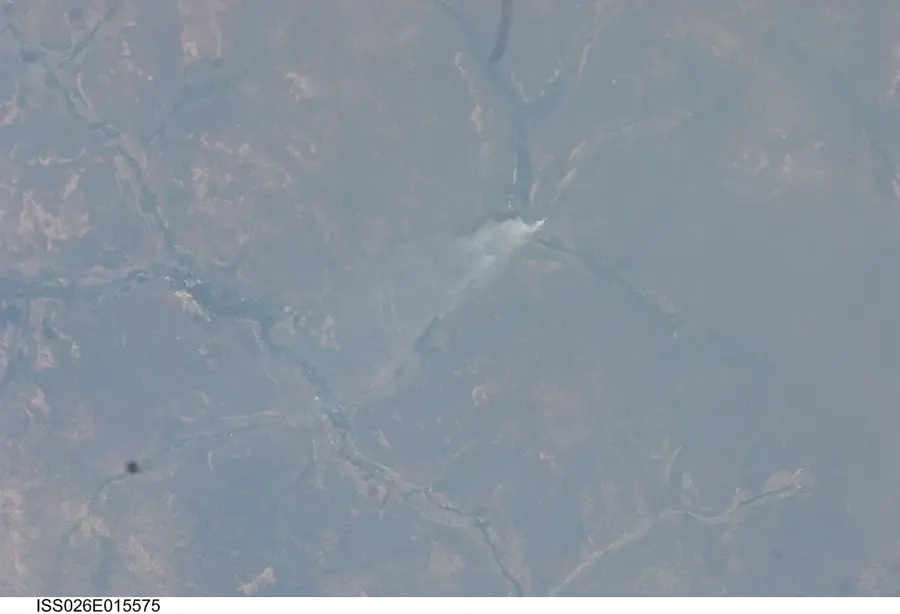
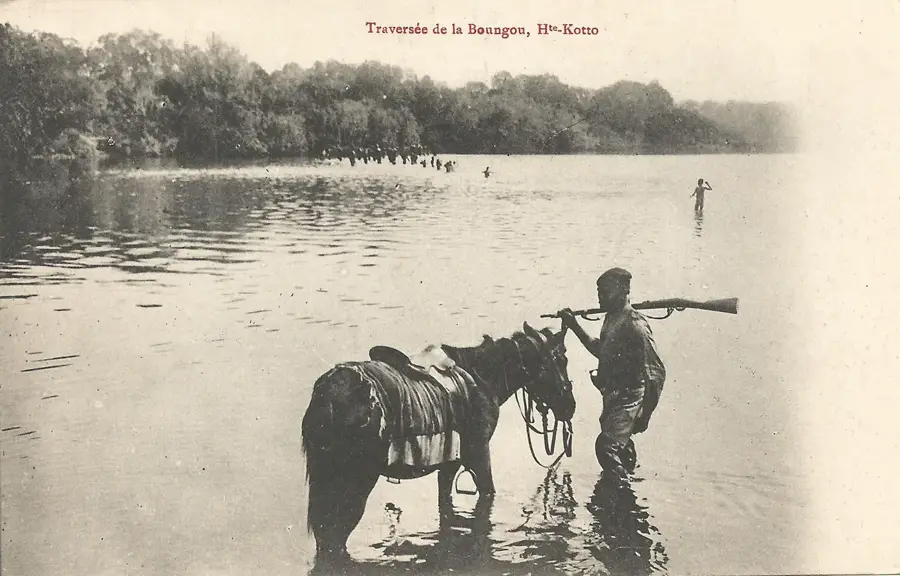
The Kotto Massif is an extensive mountain and highland area in the southern Central African Republic, closely linked to the course of the Kotto River. Geographically, this region is characterized by spectacular granite formations and a multitude of waterfalls, with the Kembé Falls being the most renowned. The massif's relief is the product of tectonic processes and prolonged erosion, which have carved deep gorges and broad plateaus. Botanically, the Kotto Massif hosts a mosaic of dense gallery forests and moist savannas that support immense biodiversity. Historically, the area was a center for trade and agriculture, with the Kotto River serving as the primary transportation route. The massif plays a decisive role in the regional hydrological system, feeding numerous springs that are essential for irrigating the surrounding coffee and cocoa plantations. The geological stability of the massif has contributed to the formation of fertile soils that underpin the local economy. Despite the significant tourism potential offered by its waterfalls, the region remains largely pristine due to challenging infrastructure, thereby aiding the conservation of rare plant and animal species.

Best time to visit & climate

The most pleasant time to visit is Jan, Nov, Dec.

JanFebMarAprMayJunJulAugSepOctNovDec
Avg °C252829282725242324242424
Rain mm3104495176186200225211189292

📋 Practical info

🧭
Getting there
Reaching the remote Kotto Massif often requires substantial preparation, typically starting from regional eastern hubs like Bria and relying on sturdy four-wheel-drive vehicles. The infrastructure is severely limited, meaning travel involves navigating long stretches of rough, unpaved terrain.
📅
Best season
The dry season, usually stretching from December to March, is broadly considered the most viable time for expeditions, as the unpaved roads are less likely to be flooded. Conversely, the intense rainy season drastically deteriorates travel conditions and makes river crossings exceedingly difficult.
⛰️
Terrain & paths
The massif presents a highly complex geographical profile, featuring rugged mountains, deep valleys, and dense, largely undisturbed natural vegetation. Exploring this wilderness demands a good level of physical fitness, as established trails are practically nonexistent in many sectors.
🎒
What to bring
Comprehensive wilderness survival gear is an absolute necessity, including advanced navigational tools, emergency medical supplies, and durable trekking boots. Visitors must be entirely self-sufficient, bringing adequate food, water purification methods, and reliable camping equipment.
🅿️
Parking
There is no formal parking infrastructure in this wild expanse; vehicles are generally parked at the very last accessible village or makeshift base camp. Employing local fixers or guides is crucial to ensure vehicles are left in secure locations before continuing on foot.
⚠️
Safety
Traveling in this extremely remote area requires careful security assessments due to political instability and the significant distance from emergency services. Hiring experienced local guides and maintaining constant communication via satellite phones are highly recommended safety protocols.
⏱️
Time needed
Exploring the Kotto Massif is not a casual day trip; expeditions typically demand several days to a couple of weeks to properly navigate and appreciate the terrain. The immense logistical challenges dictate that visitors must commit significant time to travel and setup alone.

Geography

Coordinates
7.50000, 23.00000

Facts

  • Renowned for the spectacular Kembé Falls on the Kotto River.
  • Geologically composed mainly of massive granite formations.
  • Key agricultural region for coffee and cocoa due to fertile soils.
  • Functions as a hydrographic hub for the southern part of the country.
  • Combines gallery forests with a high density of endemic plant species.
  • Historically significant transportation route for regional trade.

Explore nearby

Notable places around

Route planner — Car & Motorhome

Where do you start? We build the route here, with stops and country notes along the way.

Vehicle
Only stops with (optional):

© OpenStreetMap contributors · OpenRouteService

Sights in the town Kotto Massif (1)

Zone d'interêt cynégétique de Poula / secteur N°33🌿 nature

This designated hunting zone and nature reserve protects the savanna wildlife near the Kotto Massif.

Sights nearby

Frequently asked questions

Are there waterfalls in the massif?
Yes, the Kotto region is famous for its spectacular waterfalls.
How do you get to the Kotto Massif?
Access is usually from Bambari via often difficult tracks.
Is swimming allowed in the rivers?
Caution is advised due to currents and parasites; ask your guide.
When is the best time to travel?
At the end of the rainy season, the waterfalls are most impressive.
Are there large mammals there?
Forest elephants and buffaloes may occur in remote parts.
Kotto Massif: where is it located?
Kotto Massif is located in Central African Republic.
Kotto Massif: when is the best time to visit?
The most pleasant time to visit is Jan, Nov, Dec.
Kotto Massif: why is it worth visiting?

The Kotto Massif is an extensive mountain and highland area in the southern Central African Republic, closely linked to the course of the Kotto River.
View on map → The Top 50 Attractions → OpenStreetMap →
Africa
Explore with Plizio Discover more places in Africa
More places in Central African Republic →

Nearby cities

Nature

More places