Plizio Visual Lab

Great Slave Lake
Plizio editorial teamData Sources
Lake
—°
Great Slave Lake (Canada)

Weather…

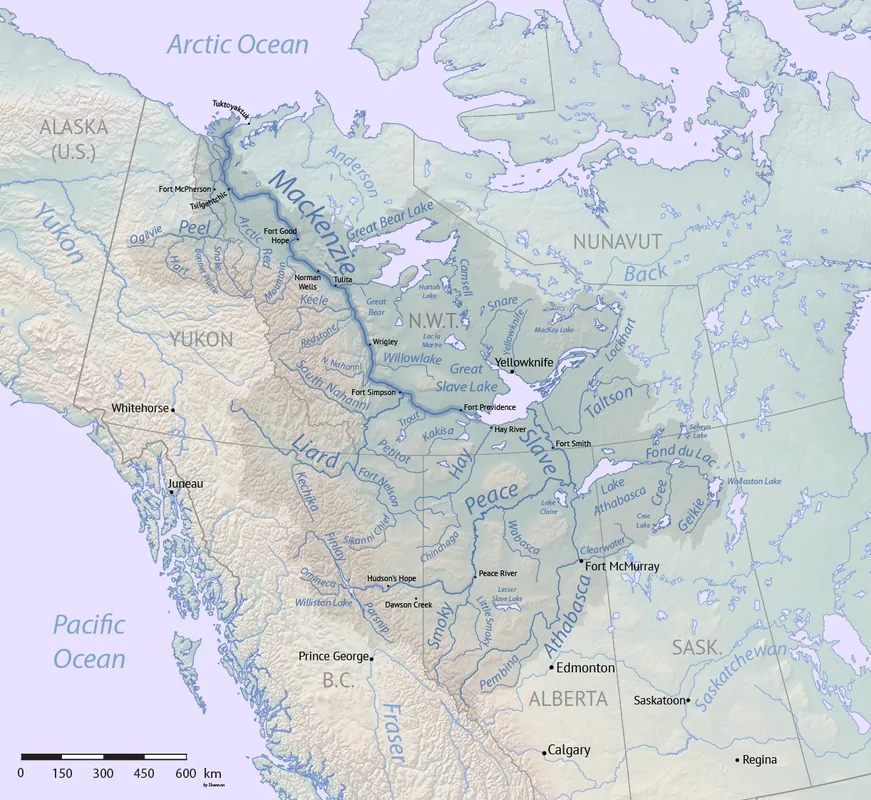
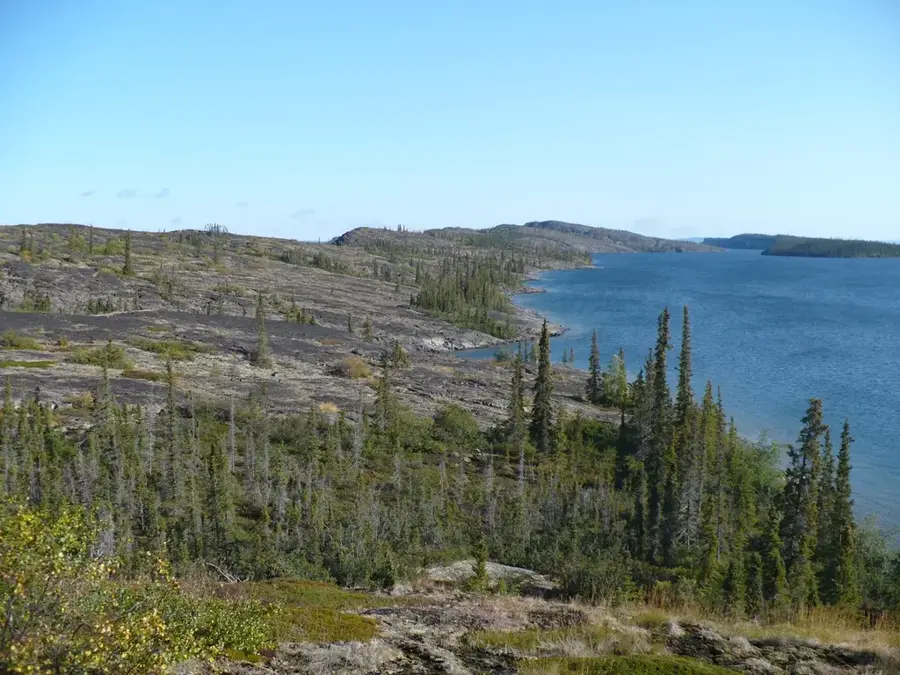
Great Slave Lake in the Northwest Territories is the deepest lake in North America, reaching a maximum depth of 614 meters, and the second-largest lake within the territory. It covers an area of approximately 27,200 square kilometers and is fed by the Slave River, while serving as the source of the mighty Mackenzie River. The lake is frozen for about eight months of the year, allowing for the construction of ice roads that connect remote communities and the capital city, Yellowknife. Geologically, it sits on the edge of the Canadian Shield, resulting in a varied landscape of rugged rocky shores and deep bays. It provides a critical habitat for numerous fish species, including lake trout and northern pike, as well as various migratory birds. Indigenous peoples have relied on the lake for fishing and transportation for millennia, and today it is a hub for Arctic tourism, particularly famous for viewing the Aurora Borealis.

Best time to visit & climate

The most pleasant time to visit is Jun–Aug.

JanFebMarAprMayJunJulAugSepOctNovDec
Avg °C-29-26-17-571518158-4-20-27
Rain mm211418194251595945292518

📋 Practical info

🧭
Getting there
The immense lake is primarily successfully accessed via the Frontier Trail highway leading directly straight into Yellowknife. Numerous well-maintained public boat launches connect the slightly more isolated shores.
📅
Best season
Summer firmly has universally handy conditions for exciting boating and hiking directly under the amazing midnight sun. Winter strongly attracts adventurous visitors for truly spectacular aurora borealis viewing.
⛰️
Terrain & paths
The extremely vast shoreline varies dramatically from heavily rugged rocky outcrops in the east to much flatter, forested areas in the west. This massive deep water body regularly experiences ocean-like rough weather.
🎒
What to bring
Exceptionally high-quality thermal layers are absolutely mandatory in winter, while summer distinctly requires strong bug spray. Extremely reliable marine navigation equipment is totally vital for any boating excursions.
🅿️
Parking
Generously spacious parking facilities are very readily available exactly at municipal marinas and community centers. Interestingly, thick winter parking often extends directly right onto the completely frozen lake ice.
⚠️
Safety
The exceptionally deep, intensely frigid waters instantly pose extreme hypothermia risks completely year-round. Sudden, surprisingly violent local storms can easily generate massive waves, demanding constant daily attention.
⏱️
Time needed
Due to its absolutely sheer immense size, experiencing the lake thoroughly and completely requires a commitment of several days. A typical recreational scenic fishing trip spans anywhere directly from three to seven full days.

Geography

Coordinates
62.00000, -114.00000

Facts

  • At 614 meters deep, it is the deepest lake on the North American continent.
  • The lake's total surface area is approximately 27,200 square kilometers.
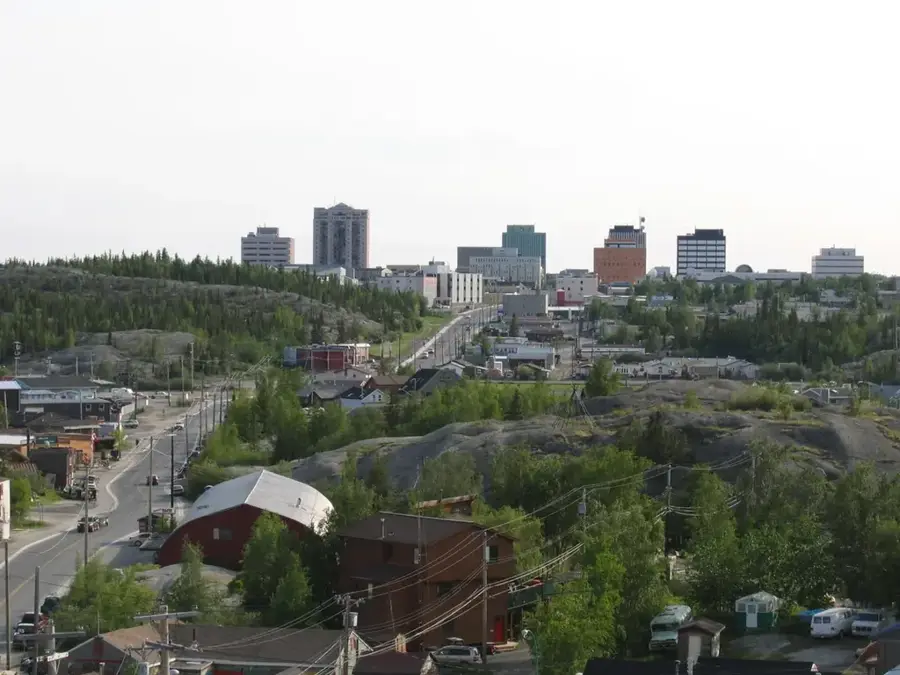
  • Yellowknife, the capital of the territories, is located on the lake's north shore.
  • The lake was named after the Slavey (Dehcho Dene) First Nations people.
  • Ice roads on the lake can support heavy trucks weighing up to 40 tonnes in winter.
  • The Mackenzie River drains the lake's water towards the Arctic Ocean.

Route planner — Car & Motorhome

Where do you start? We build the route here, with stops and country notes along the way.

Vehicle
Only stops with (optional):

© OpenStreetMap contributors · OpenRouteService

Sights nearby

Frequently asked questions

How deep is the lake?
At 614 meters (2,014 feet), it is the deepest lake in North America.
Can you see the Northern Lights there?
Yes, Yellowknife on its shore is one of the world's best spots for viewing.
Is the lake traversable in winter?
Yes, ice roads are built across it for vehicles.
What fish are found in the lake?
Giant lake trout and northern pike are popular with anglers.
Can you go sailing on the lake?
Yes, sailing and boating are very popular during the summer.
Great Slave Lake: where is it located?
Great Slave Lake is located in Canada.
Great Slave Lake: when is the best time to visit?
The most pleasant time to visit is Jun, Aug.
Great Slave Lake: why is it worth visiting?
Great Slave Lake in the Northwest Territories is the deepest lake in North America, reaching a maximum depth of 614 meters, and the second-largest lake within the territory.
View on map → The Top 50 Attractions → OpenStreetMap →
North America
Explore with Plizio Discover more places in North America
More places in Canada →

History & landmarks

Nature

More places