Plizio Visual Lab
Bujumbura
ℹ️Practical info — Bujumbura
▾
🌤 Weather — 5 days
📍 Nearby
Sights nearby
💡 Tips
- Carry some cash in Burundian Francs, as card payments are rare outside large hotels.
- French and Kirundi are the main languages; learning a few Kirundi greetings goes a long way.
- Use trusted taxis for getting around after dark.
- The sun is strong near the equator, so sunscreen and hats are a must.
- Explore the shores of Lake Tanganyika in the late afternoon for the best light.
🍽 Food
Try this local fish from Lake Tanganyika at a lakeside restaurant.
Taste the popular meat skewers often paired with fried plantains.
Look for these small fried fish at local street food stalls for a quick snack.
🛍 Shopping · 🧘 Quiet spots
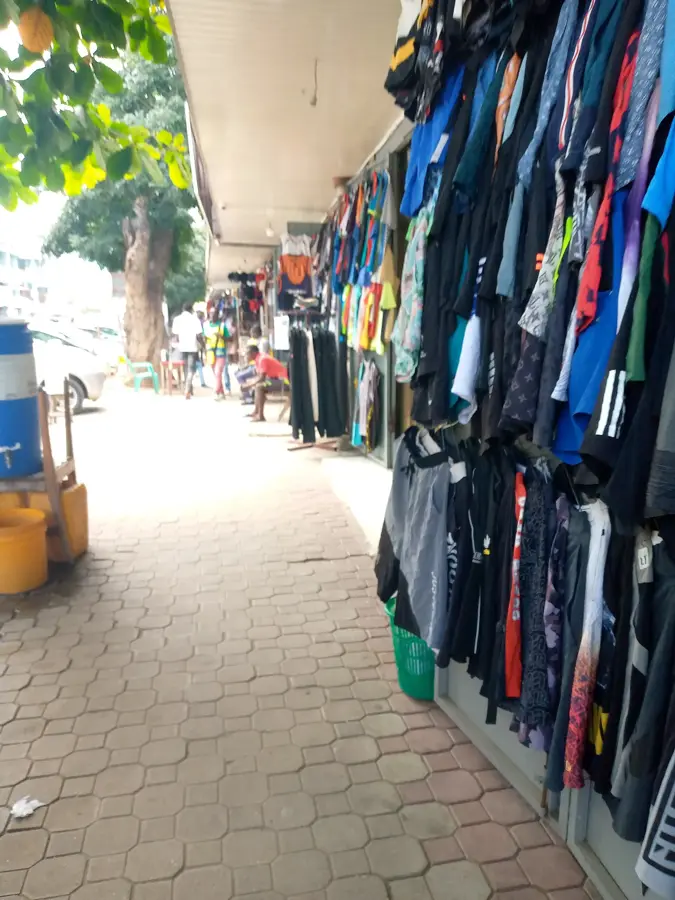
Visit the main market for colorful fabrics, spices, and the bustling local vibe.
Buy woven baskets and wood carvings directly from local craftsmen.
Purchase high-quality local coffee beans from a specialty store.
Relax on the quieter sandy beaches located just outside the busy city center.
Enjoy a peaceful walk with an excellent panoramic view over the city.
Water temperature…
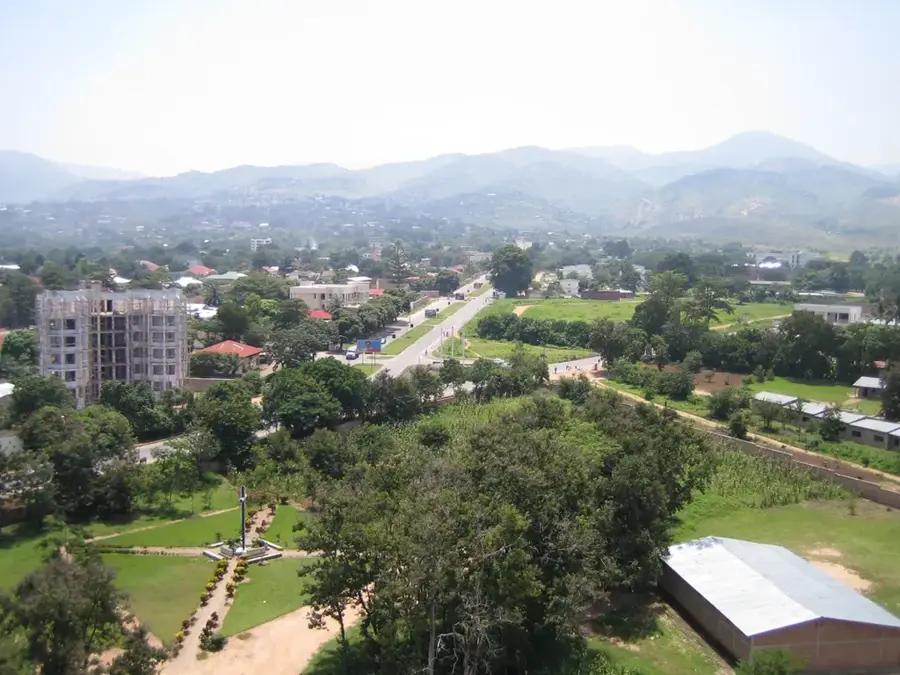
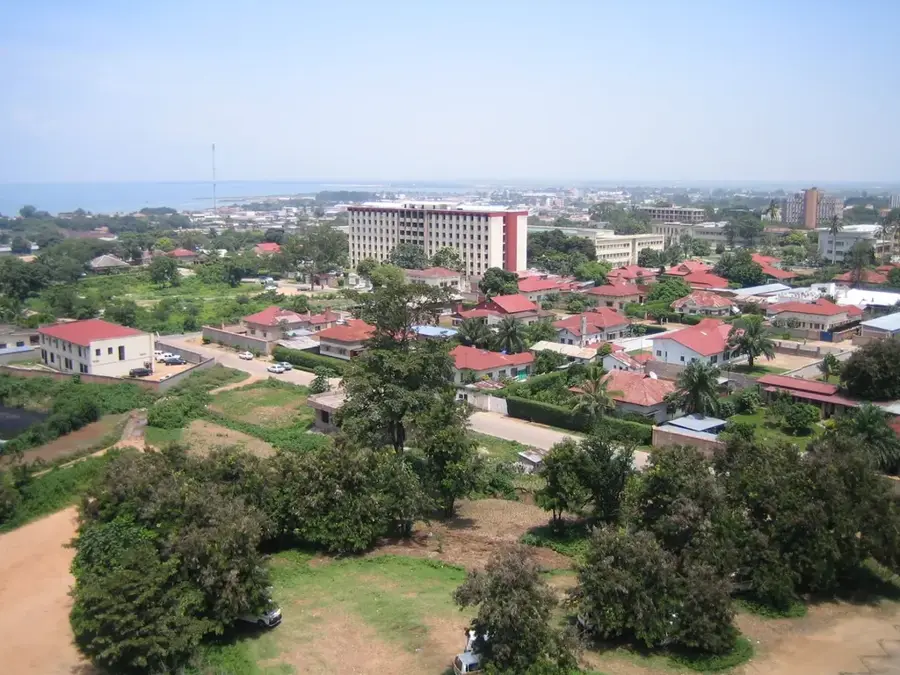
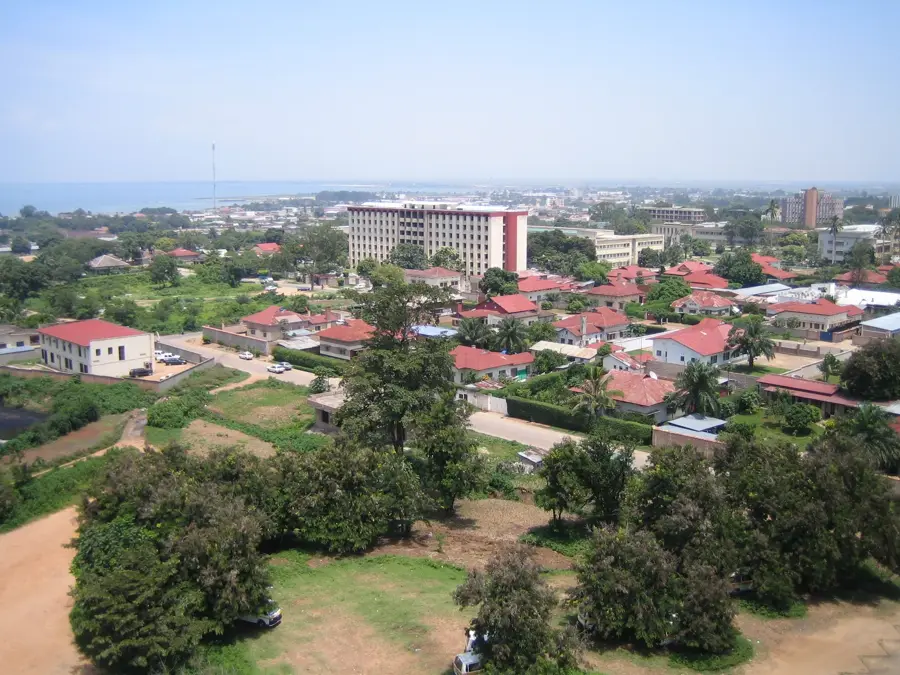
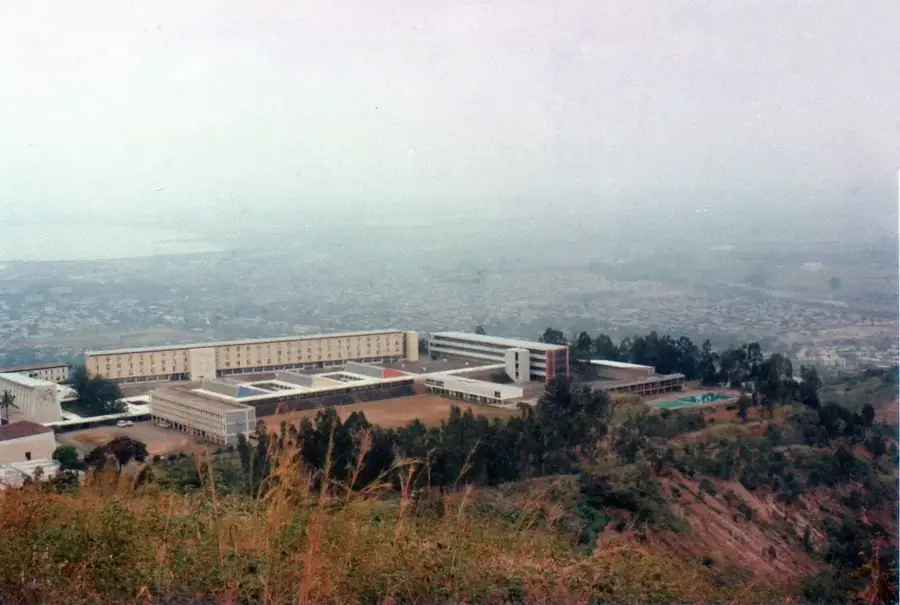
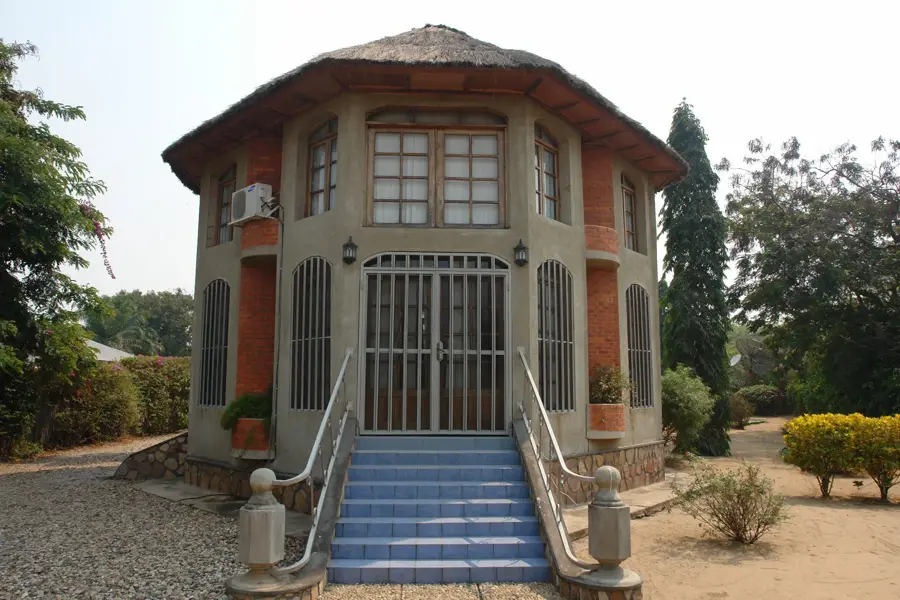
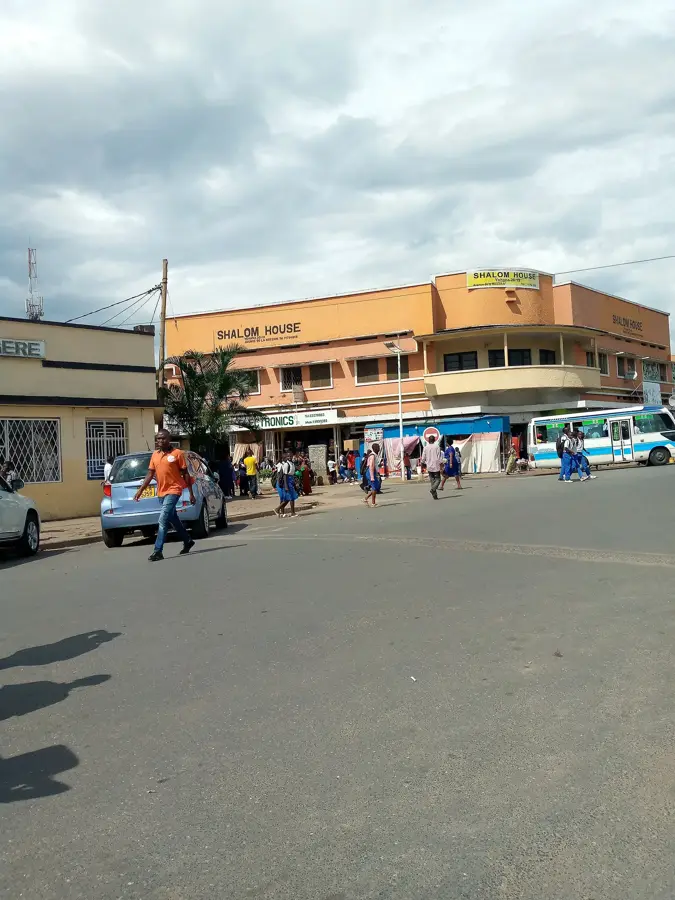
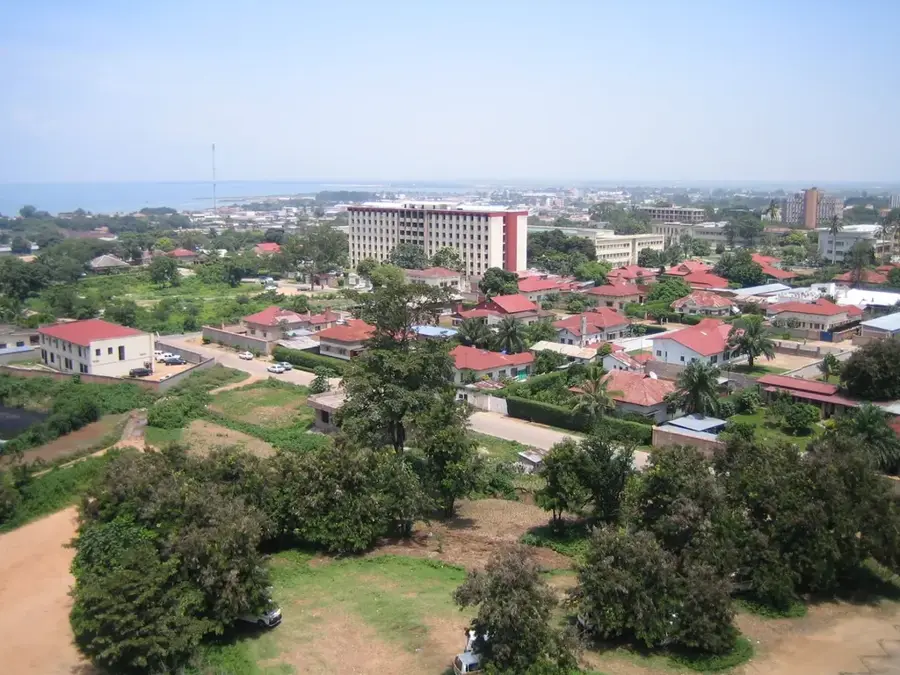
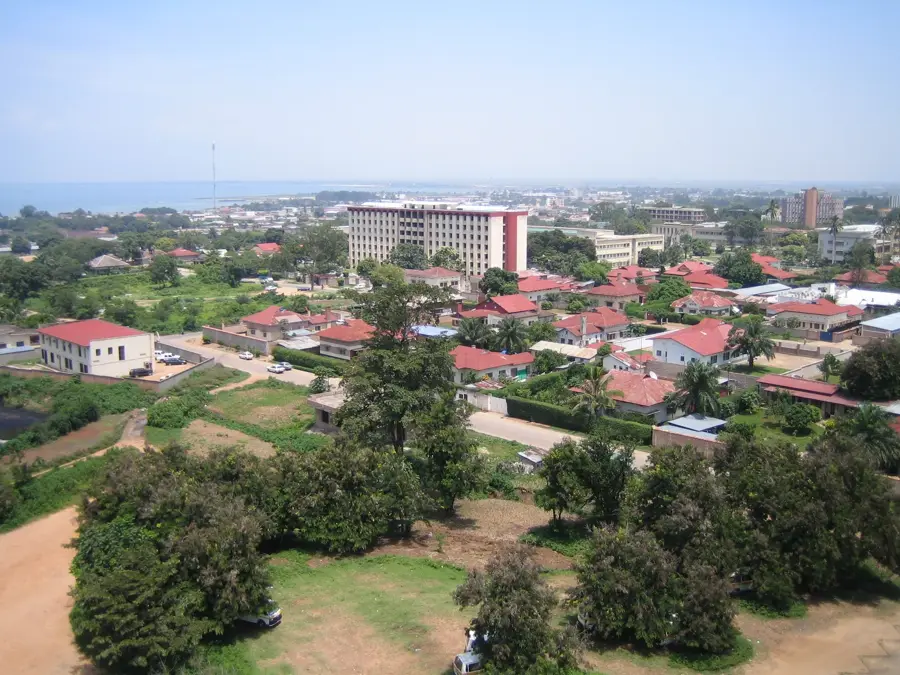
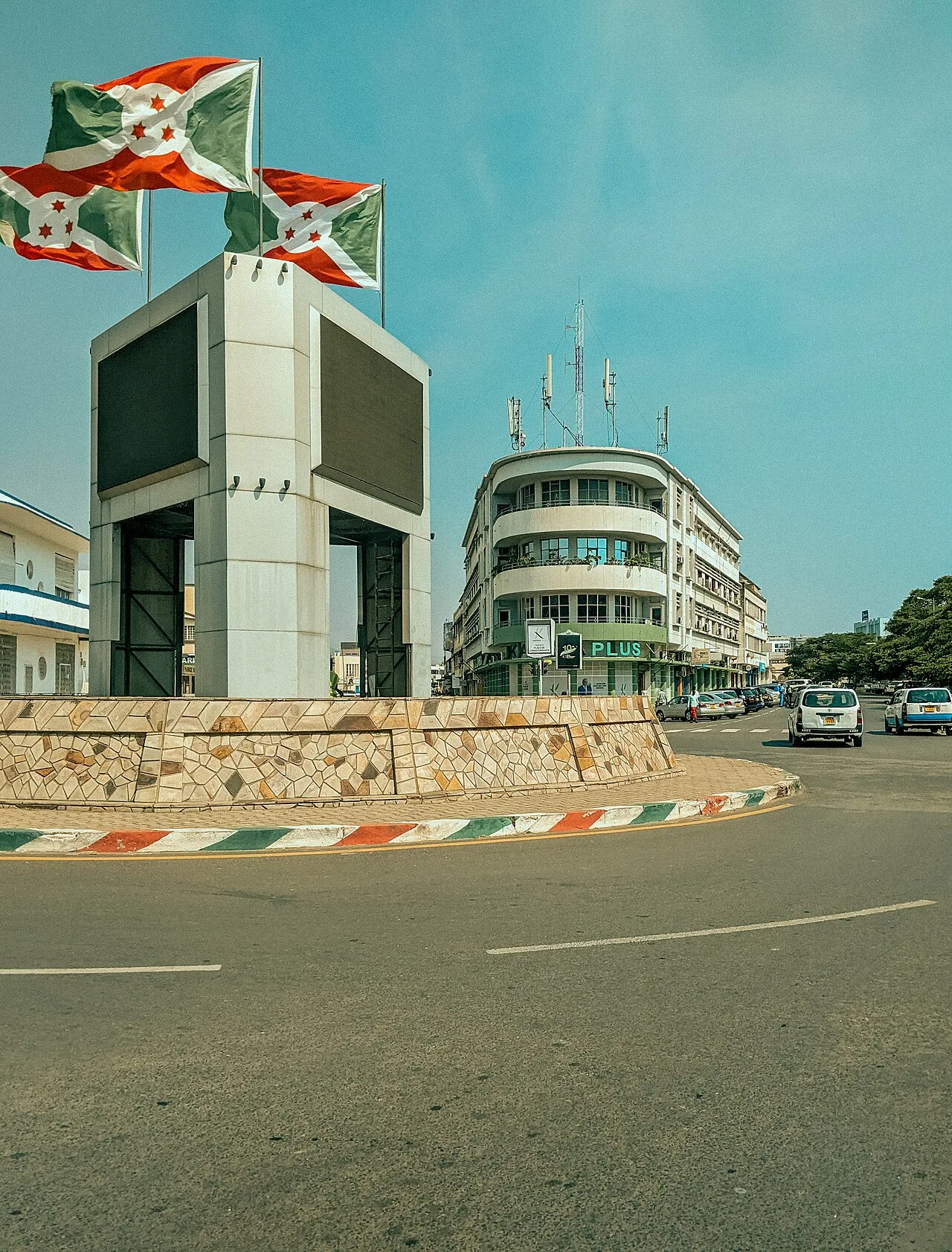
Bujumbura, the largest city and primary port of Burundi, occupies a strategic position at the northeastern tip of Lake Tanganyika. Established in the late 19th century as a German military post, it flourished under Belgian administration to become the administrative capital of the territory. Despite the relocation of political capital status to Gitega in 2019, Bujumbura maintains its dominance as the economic and commercial powerhouse of the nation. The city's geography is defined by its lakeside setting and the surrounding Imbo Plain, which provides a dramatic backdrop of mountains to the east. Economically, the Port of Bujumbura is the lifeblood of the country, handling the vast majority of Burundi's foreign trade, particularly the export of high-quality Arabica coffee and tea. The urban landscape features a colonial-style grid in the central business district, characterized by wide streets and low-rise buildings, transitioning into more diverse residential neighborhoods. Culturally, the city is a melting pot of ethnic traditions and modern urban life. The Living Museum of Bujumbura serves as a key cultural institution, preserving traditional crafts, architecture, and indigenous wildlife. Educational prestige is upheld by the University of Burundi, fostering a significant intellectual community. The city's atmosphere is famously relaxed compared to other East African hubs, with its lakeside restaurants and beaches offering unique leisure opportunities. However, Bujumbura faces significant urban challenges, including rapid population growth and the need for sustainable infrastructure development to manage environmental impacts on the lake. As a regional transport hub, the city remains essential for connectivity within the Great Lakes region, linking Burundi to the Democratic Republic of the Congo and Tanzania. Its resilient spirit and economic importance ensure that Bujumbura will remain the central focus of Burundian public life for the foreseeable future.
- Location: Burundi
- Top sights: Palais des Arts et de la Culture · Snakes · Musée Vivant
- Nearby: Saga Beach (5 km)
- Population: ~769.317 (2026)
Best time to visit & climate
The most pleasant time to visit is Jun–Aug.
| Jan | Feb | Mar | Apr | May | Jun | Jul | Aug | Sep | Oct | Nov | Dec | |
|---|---|---|---|---|---|---|---|---|---|---|---|---|
| Avg °C | 21 | 22 | 22 | 21 | 21 | 20 | 20 | 21 | 22 | 22 | 21 | 21 |
| Rain mm | 202 | 168 | 219 | 213 | 94 | 29 | 15 | 42 | 94 | 172 | 341 | 219 |
Geography
Facts
- Bujumbura is located at an elevation of 774 meters on the shores of Lake Tanganyika.
- The city was established in 1897 as a German military post named Usumbura.
- It remained the capital of Burundi until 2019, when Gitega was officially designated.
- The Port of Bujumbura handles the majority of the nation's coffee and tea exports.
- It is home to the Bujumbura International Airport, the country's only international gateway.
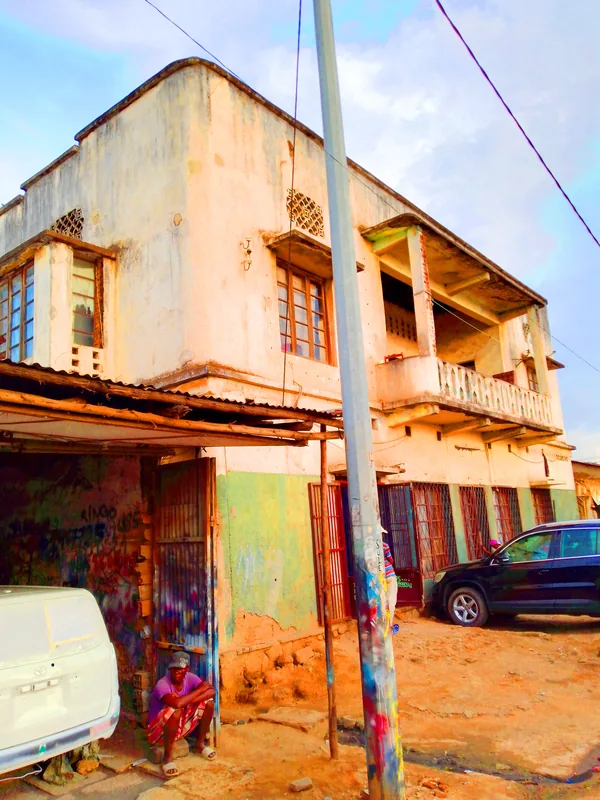
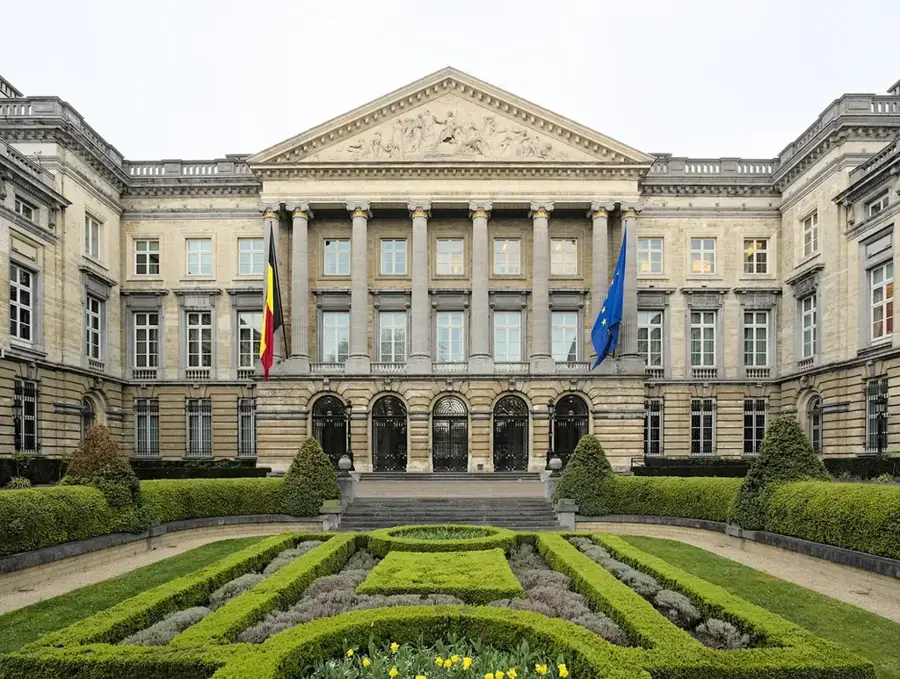
- The city's architecture reflects German, Belgian, and post-independence influences.
- Bujumbura is the cultural hub for traditional Burundian drumming and dance.
- The surrounding Imbo Plain is one of the most fertile agricultural regions in Burundi.
Explore nearby
Notable places around


Route planner — Car & Motorhome
Where do you start? We build the route here, with stops and country notes along the way.
© OpenStreetMap contributors · OpenRouteService
Sights in the town Bujumbura (8)
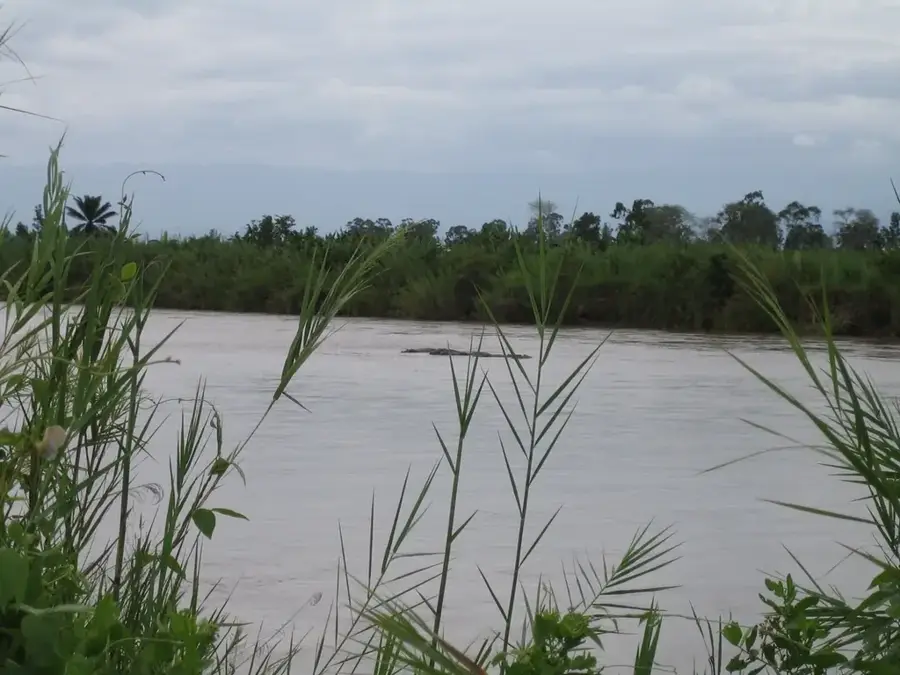
Crocodiles
Crocodiles in Bujumbura, Burundi. Large reptiles are presented.
Plage de Bujumbura
Beach in Burundi, located on Lake Tanganyika. Sandy shore for swimming and relaxation.
Regina Mundi Cathedral
Building in Burundi, Regina Mundi Cathedral in Bujumbura. Catholic church.
Monument du soldat inconu
Monument to the unknown soldier in Bujumbura, Burundi. Memorial for fallen soldiers.
Frequently asked questions
Is Bujumbura safe for tourists?
What is the best local food?
When is the best time to travel?
What language is spoken?
What can you do at the lake?
Bujumbura: where is it located?
Bujumbura: what is there to see?
Bujumbura: when is the best time to visit?
Bujumbura: why is it worth visiting?

History & landmarks
Nature
More places