Plizio Visual Lab
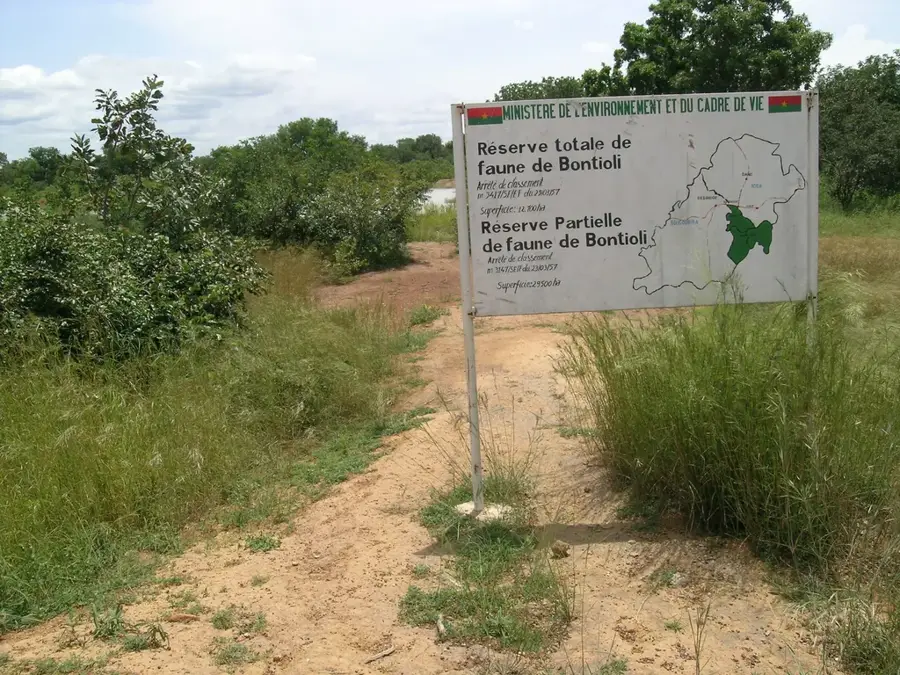
Bontioli-North Reserve
Weather…
Water temperature…
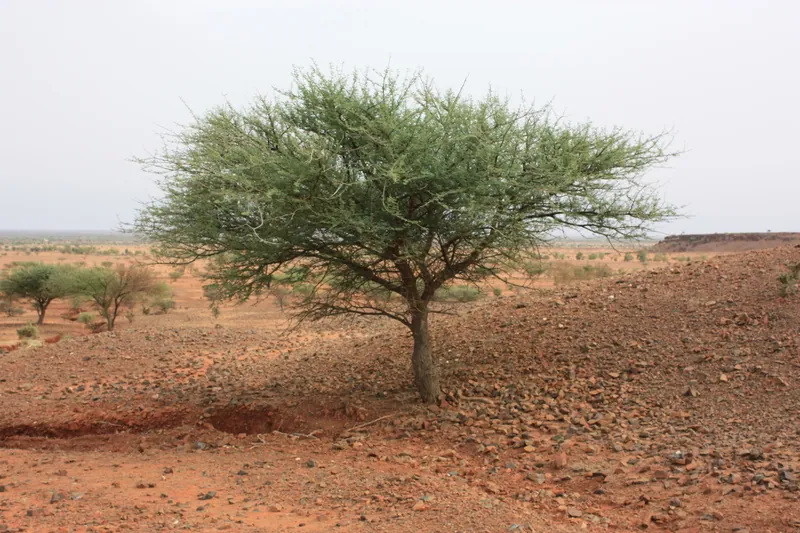
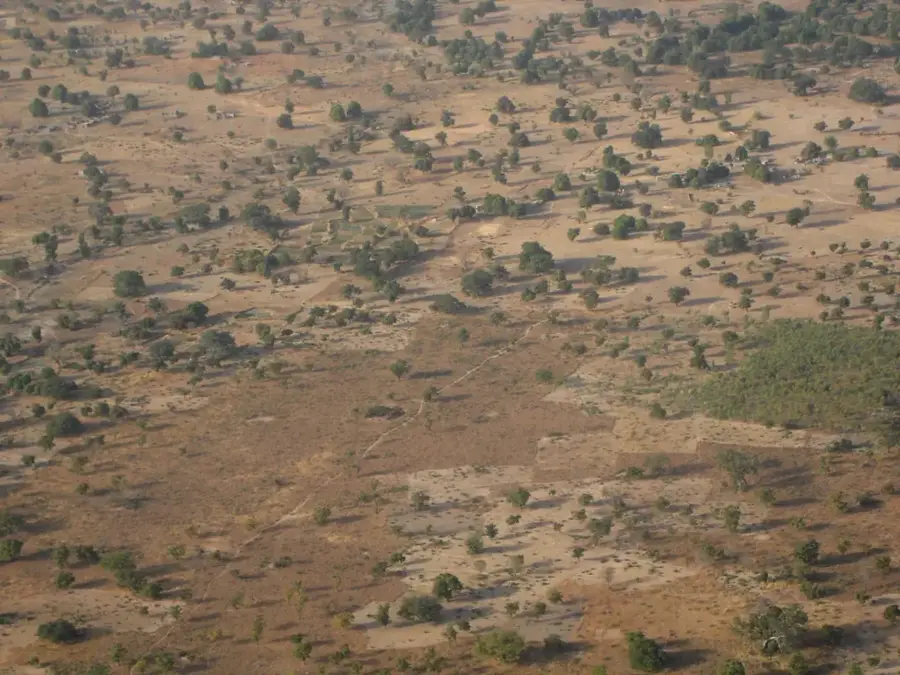
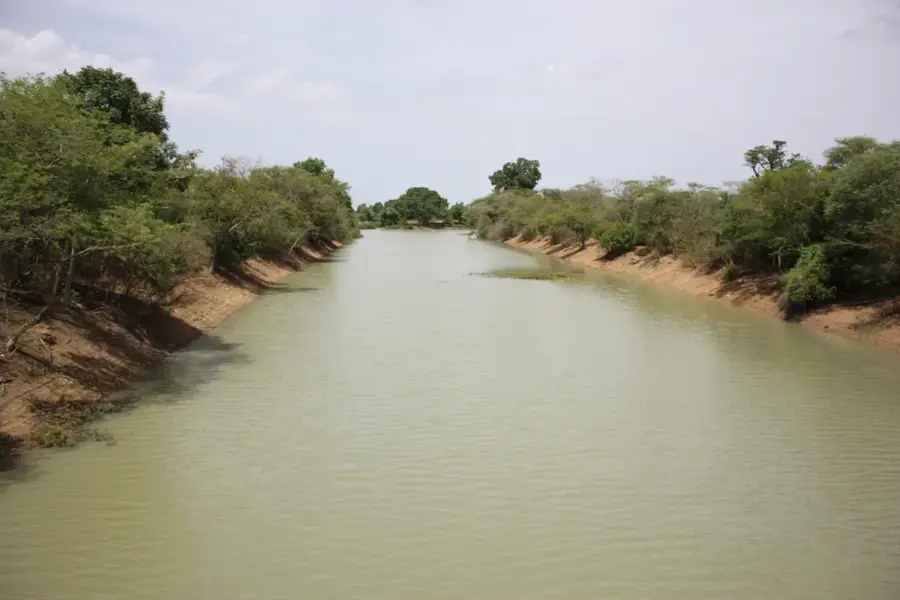
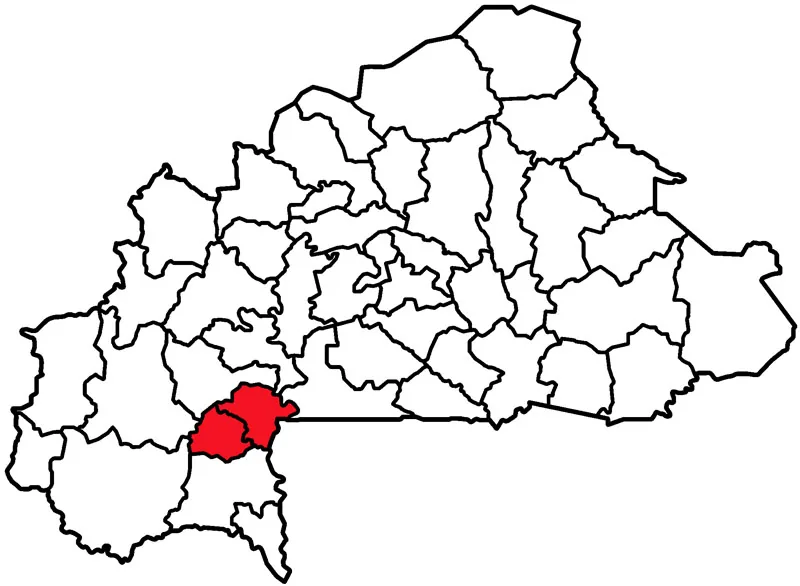
The Bontioli-North Faunal Reserve is located in southwestern Burkina Faso, approximately 15 kilometers north of the town of Diébougou. Established in 1957, this protected area covers approximately 12,700 hectares and is primarily dedicated to the conservation of Sudanese savannah flora and fauna. The ecosystem supports a wide variety of bird species and large mammals, including warthogs, various types of antelopes, and elephants that occasionally migrate from neighboring regions. Geographically, the reserve is characterized by hilly terrain interlaced with seasonal watercourses that are crucial for sustaining local biodiversity during the dry months. Managing the reserve involves addressing significant challenges such as illegal logging and poaching, which necessitates ongoing conservation efforts to protect this vital natural heritage for future generations. It stands as a critical sanctuary in the Sud-Ouest region, playing a major role in the country's ecological balance.
- Location: Burkina Faso
- Nearby: Diébougou (12 km)
Best time to visit & climate
The most pleasant time to visit is Jan, Nov, Dec.
| Jan | Feb | Mar | Apr | May | Jun | Jul | Aug | Sep | Oct | Nov | Dec | |
|---|---|---|---|---|---|---|---|---|---|---|---|---|
| Avg °C | 25 | 28 | 31 | 31 | 30 | 28 | 26 | 26 | 26 | 27 | 26 | 24 |
| Rain mm | 1 | 5 | 15 | 54 | 94 | 134 | 209 | 258 | 187 | 73 | 5 | 0 |
📋 Practical info
Geography
Facts
- Established as a protected area in 1957.
- Covers a total area of approximately 12,700 hectares.
- Located 15 kilometers north of the town of Diébougou.
- Primarily protects the Sudanese savannah ecosystem.
- Habitat for elephants, antelopes, and warthogs.
- Features hilly terrain and seasonal watercourses.
Explore nearby
Notable places around


Route planner — Car & Motorhome
Where do you start? We build the route here, with stops and country notes along the way.
© OpenStreetMap contributors · OpenRouteService
Sights nearby
Frequently asked questions
What is the difference from the southern Bontioli part?
Can you see elephants there?
Are there water holes there?
What is the vegetation like?
Should I take a guide?
Bontioli-North Reserve: where is it located?
Bontioli-North Reserve: when is the best time to visit?
Bontioli-North Reserve: why is it worth visiting?

Nearby cities
Nature
More places