Plizio Visual Lab

São Cristóvão
Plizio editorial teamData Sources
Historical site
—°10
São Cristóvão (Brazil)

Weather…

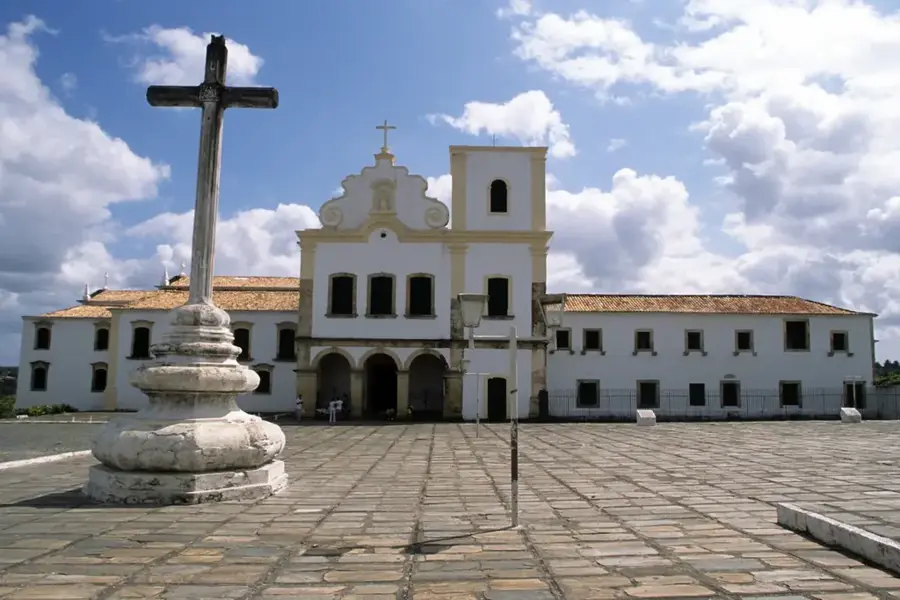
São Cristóvão is the fourth oldest city in Brazil and served as the first capital of the state of Sergipe until 1855. The city was founded in 1590 during the period of the Iberian Union, when Spain and Portugal were under a single crown, which is reflected in its unique architecture. The central Praça São Francisco is the heart of the city and was designated a UNESCO World Heritage Site in 2010. This square is a rare example of the integration of Spanish urban planning regulations with traditional Portuguese colonial buildings. Notable structures include the São Francisco Convent, the Misericórdia Church, and the former Governor's Palace. The town has preserved its original late 16th-century street plan, providing a deep insight into early Brazilian administrative history. São Cristóvão is also famous for its traditional "Bricelets," thin wafers made following an ancient recipe by the sisters of the local convent. Its quiet atmosphere and beautifully maintained religious monuments make it a key destination for cultural and historical tourism in Northeast Brazil.

Best time to visit & climate

The most pleasant time to visit is Sep, Nov, Dec.

JanFebMarAprMayJunJulAugSepOctNovDec
Avg °C272728282726252525262727
Rain mm5658741161911581458958472725

📋 Practical info

🚪
Visiting
The historic centre and São Francisco Square are freely accessible outdoors, with cobblestone streets and colonial architecture. Most churches permit entry during daytime hours, but some interiors may be closed for services.
🕒
Typical hours
Churches and museums typically open Tuesday to Sunday, around 9 am to 5 pm. It is advisable to check exact hours in advance, as they may change with the season.
📷
Photography
Photography is generally allowed outdoors and inside most churches without flash. Some museums may restrict photos of specific exhibits; look for signs.
⏱️
Time needed
Visiting the main square and historic streets takes about two to three hours. If you plan to enter multiple churches, allow half a day.
Combine with
Combine your visit with the nearby colonial town of Laranjeiras (20 km away). The beaches of Aracaju are also a good addition for a day trip.
🧭
Getting there
The city is about 25 km from Aracaju, reachable by bus from the central terminal or by taxi. Driving takes roughly 30 minutes via the BR-101 highway.
💡
Insider tip
Arrive early in the morning to enjoy the square before the heat and crowds. The local market nearby features handmade crafts and regional snacks.

Geography

Coordinates
-11.01470, -37.20690

Facts

  • Designated a UNESCO World Heritage Site in 2010
  • Fourth oldest city in Brazil, founded in the year 1590
  • Served as the capital of Sergipe until 1855
  • Home to one of the most important sacred art museums in Brazil
  • Famous for "Bricelets" wafers made by convent sisters
  • The Praça São Francisco is a unique fusion of Spanish and Portuguese styles

Route planner — Car & Motorhome

Where do you start? We build the route here, with stops and country notes along the way.

Vehicle
Only stops with (optional):

© OpenStreetMap contributors · OpenRouteService

Sights in the town São Cristóvão (10)

Casa do Folclore🏛 museum

This museum in São Cristóvão preserves regional folk traditions, handicrafts, and local customs.

Cristo Redentor🌿 nature

A viewpoint featuring a statue of Christ, offering expansive views over the historic city of São Cristóvão.

VIDAM Náutico Clube & Praias🎡 recreation

A leisure complex on the banks of the Vaza-Barris River, featuring pools and direct waterfront access.

💶

Church of Our Lady of the Rosary of Black Men⛪ religious

Built in the 18th century by a black brotherhood, this church is a significant example of colonial architecture.

Praça da Bandeira🌳 park

A central, tree-lined square in São Cristóvão that serves as a meeting point in the historic center.

Paróquia Nossa Senhora do Amparo📍 landmark

The Catholic parish of Nossa Senhora do Amparo is a religious anchor for the local residents.

Centro Espirita Rei de Uruba⛪ religious

An Afro-Brazilian place of worship in São Cristóvão that maintains spiritual traditions and religious ceremonies.

Primeira Igreja Batista em Areia Branca📍 landmark

The first Baptist church in Areia Branca features Christian services in a simple, modern building.

Paróquia São Francisco📍 landmark

This parish dedicated to Saint Francis is a center of Franciscan spirituality in the community.

Mercado Municipal Lauro Rocha de Andrade🎭 culture

The municipal market is a spirited spot for trading fresh food and local handicrafts.

Sights nearby

Frequently asked questions

Was São Cristóvão ever a capital?
Yes, it was the first capital of Sergipe state.
What is São Francisco Square?
A UNESCO World Heritage site surrounded by historic religious buildings.
Are there sacred art museums?
Yes, the Sacred Art Museum is considered one of the best in Brazil.
What is the town's typical pastry?
Queijadas, small delicious tarts made of cheese and coconut.
Is the city far from Aracaju?
No, it is only about 25 km from the current capital.
São Cristóvão: where is it located?
São Cristóvão is located in Brazil.
São Cristóvão: what is there to see?
Highlights include Casa do Folclore, Cristo Redentor, VIDAM Náutico Clube & Praias.
São Cristóvão: when is the best time to visit?
The most pleasant time to visit is Sep, Nov, Dec.
São Cristóvão: why is it worth visiting?
São Cristóvão is the fourth oldest city in Brazil and served as the first capital of the state of Sergipe until 1855.
View on map → The Top 50 Attractions → OpenStreetMap →
South America
Explore with Plizio Discover more places in South America
More places in Brazil →

Nearby cities

More places