Plizio Visual Lab
Natal
ℹ️Practical info — Natal
▾
🌤 Weather — 5 days
📍 Nearby
Sights nearby
💡 Tips
- When booking a buggy ride over the Genipabu dunes, always use an accredited driver (bugueiro) for safety.
- The sun near the equator is exceptionally strong; reapply heavy sunscreen frequently and drink plenty of coconut water.
- Use ride-hailing apps like Uber at night instead of public transport, as it is generally safer and more reliable.
- Ponta Negra beach is fantastic but gets very crowded on weekends; go on a weekday morning for a quieter spot.
🍽 Food
A creamy shrimp stew made with manioc purée, coconut milk, and dendê oil. Enjoy it at seafood restaurants in Ponta Negra.
A versatile flatbread made from cassava flour, filled with sweet or savory ingredients. Grab one from a beachside kiosk.
Small, crispy fried fish served inside a warm tapioca crepe. A classic local street food found near local markets and beaches.
🛍 Shopping · 🧘 Quiet spots
A historic former prison building where each cell now houses a small shop selling local crafts and lacework.
A handy artisan market in Ponta Negra, well-suited for buying souvenirs, hammocks, and regional snacks without traveling far.
A large protected urban nature reserve with guided walking trails through pristine sand dunes and native Atlantic forest.
A long stretch of coastal road connecting the beaches; its paved sidewalk is convenient for a peaceful ocean-side jog or walk.
Water temperature…
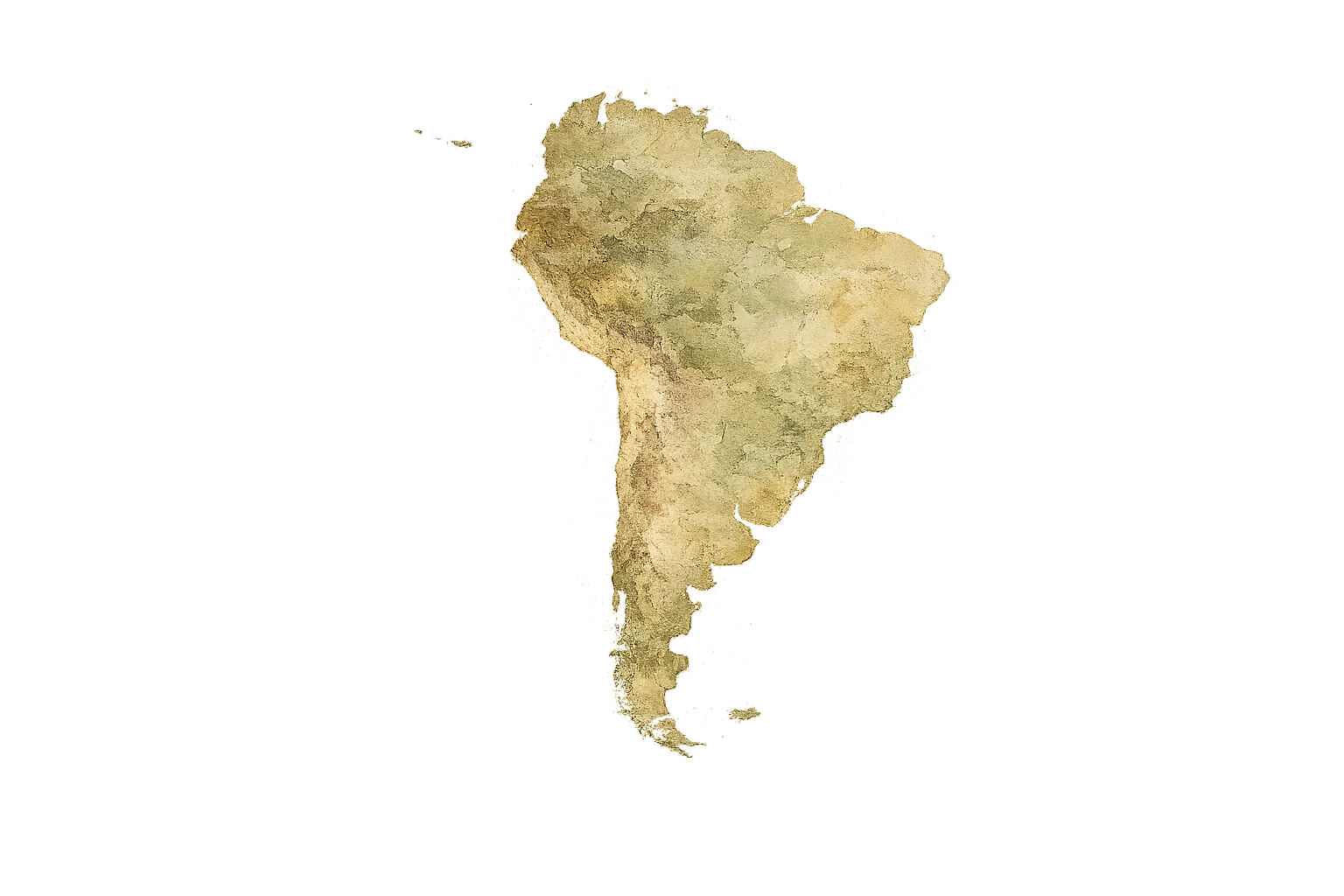
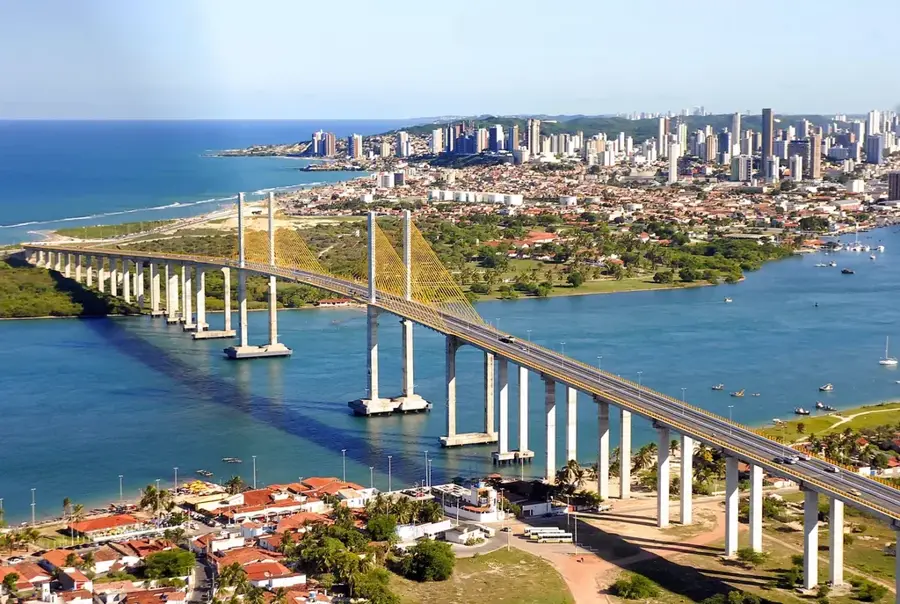
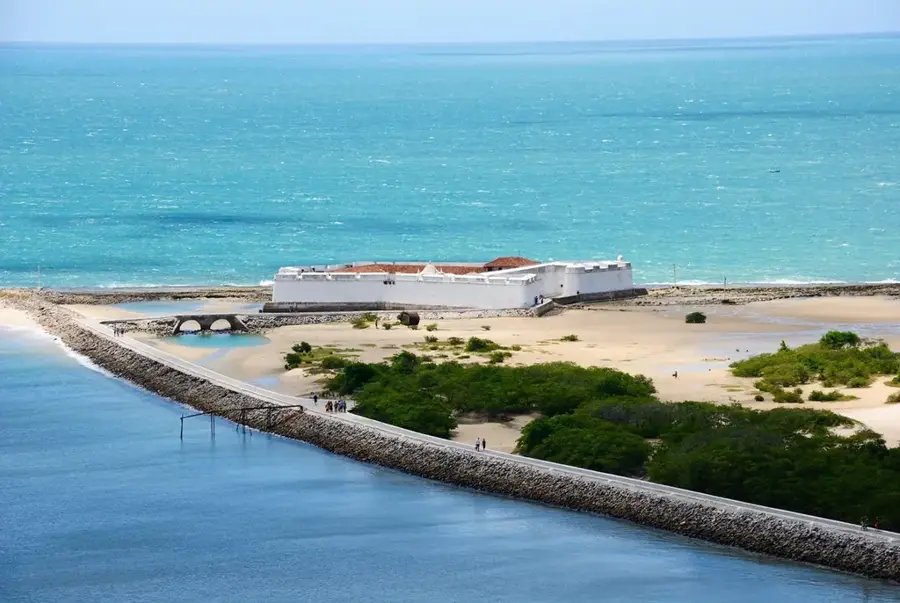
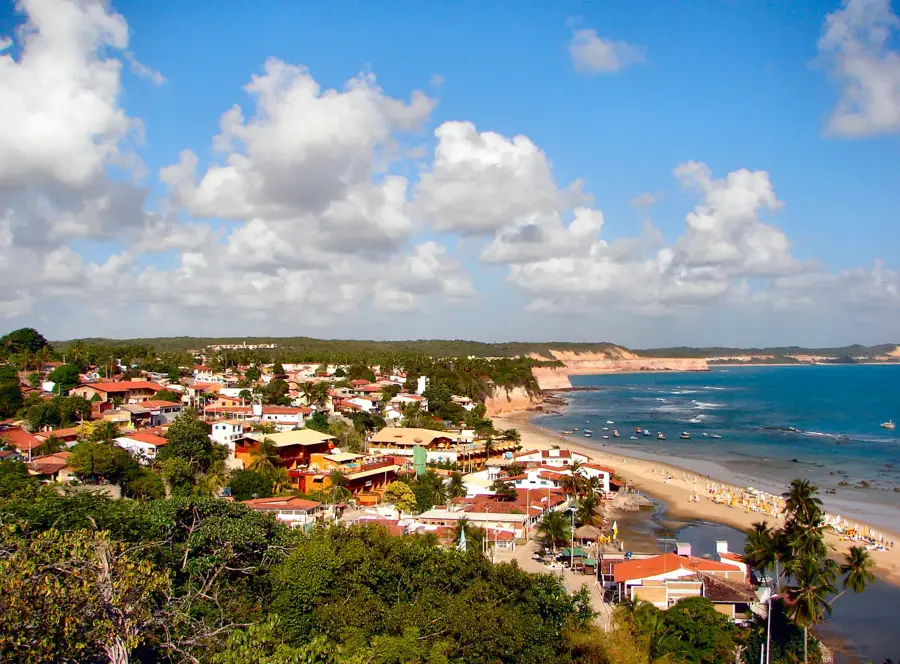
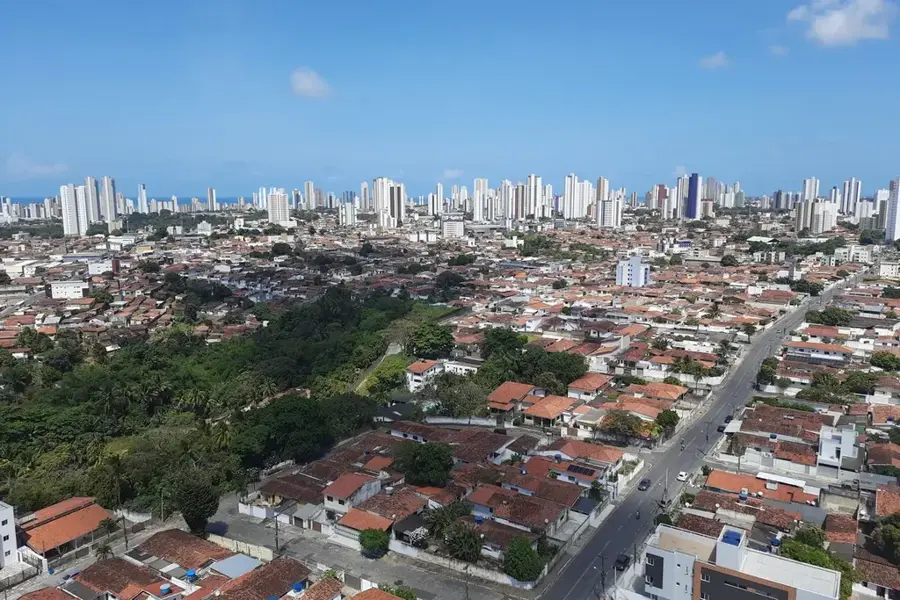
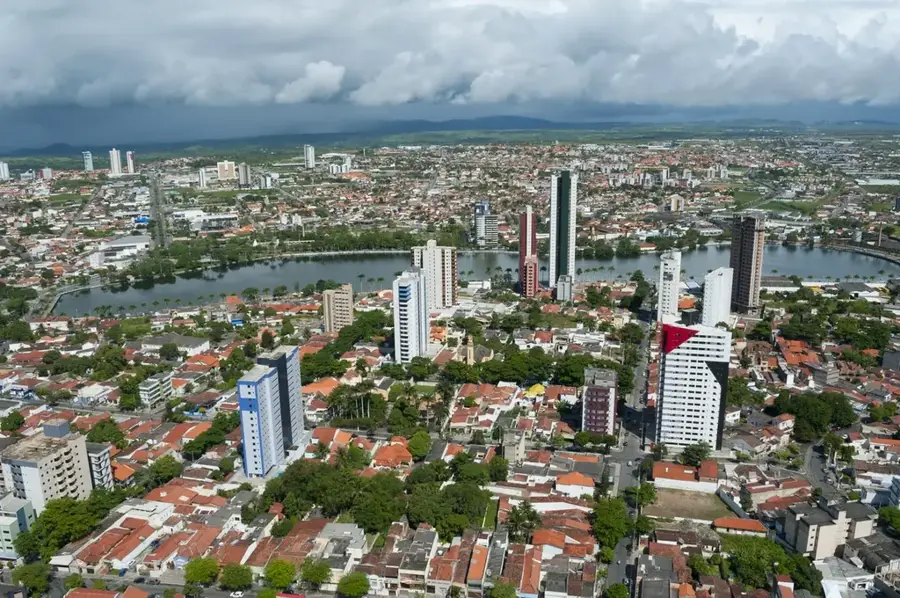
Natal, the sun-drenched capital of Rio Grande do Norte, is perched on the northeastern tip of Brazil, occupying a strategic position known as the 'Corner of South America.' Founded on Christmas Day in 1599, its name translates to 'Christmas' in Portuguese. The city's history is anchored by the Forte dos Reis Magos, a star-shaped fortress built at the mouth of the Potengi River to deter French and Dutch incursions. Natal is world-renowned for its dramatic coastal geography, characterized by massive shifting sand dunes and crystalline urban beaches. It is widely considered to have the cleanest air in the Americas, a fact attributed to the constant trade winds that sweep across the Atlantic, moderating the tropical heat. The city played a pivotal role in global history during World War II, earning the nickname 'Trampoline to Victory.' Due to its proximity to West Africa, it hosted the Parnamirim Field, which at the time was the largest American airbase outside of U.S. territory. This American presence accelerated Natal's modernization and left a lasting cultural impact on the local population. Today, Natal is a major hub for tourism and trade. The Ponta Negra district, with the iconic Morro do Careca dune, serves as the city's primary postcard image. Economically, the region is a leader in onshore oil production and salt extraction, and it has recently emerged as Brazil's capital of wind energy. The urban landscape was further modernized with the 2007 completion of the Newton Navarro Bridge, one of the tallest cable-stayed bridges in the country. Natal combines a relaxed coastal atmosphere with a growing service sector, making it a vital economic engine for the Brazilian Northeast.
- Location: Brazil
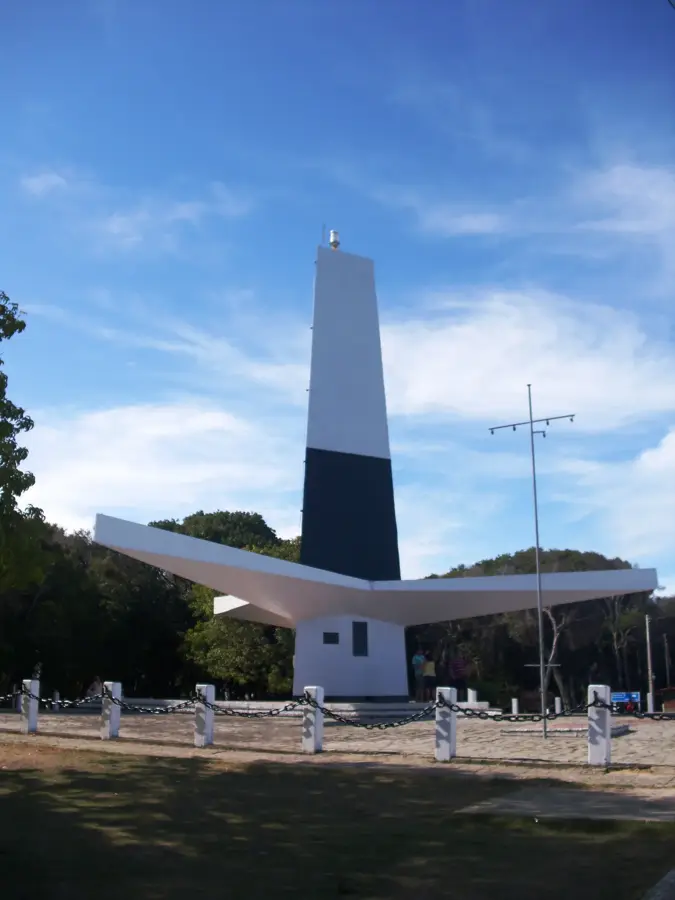
- Top sights: Catedral Metropolitana de Natal · Alberto Maranhão Theatre · Farol de Mãe Luiza
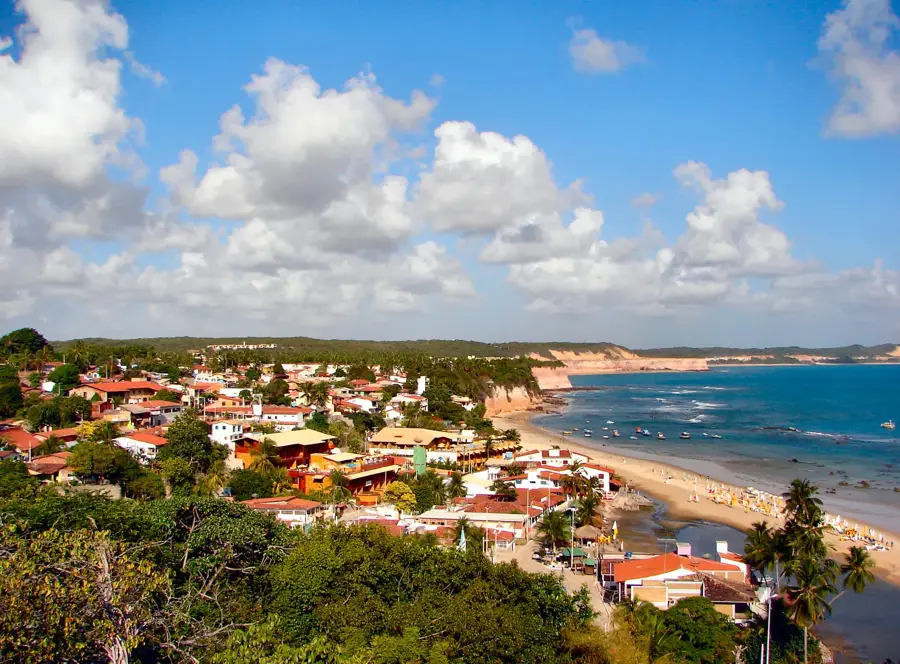
- Nearby: Tibau do Sul (38 km)
- Population: ~896.708 (2026)
Best time to visit & climate
The most pleasant time to visit is Sep–Nov.
| Jan | Feb | Mar | Apr | May | Jun | Jul | Aug | Sep | Oct | Nov | Dec | |
|---|---|---|---|---|---|---|---|---|---|---|---|---|
| Avg °C | 27 | 28 | 28 | 28 | 28 | 27 | 26 | 26 | 26 | 27 | 27 | 27 |
| Rain mm | 85 | 95 | 142 | 180 | 158 | 209 | 145 | 63 | 32 | 19 | 16 | 26 |
Geography
Facts
- Natal was founded on December 25, 1599, hence its name 'Christmas'.
- The city enjoys an average of 15 hours of sunlight during the summer.
- Forte dos Reis Magos was listed as a national heritage site in 1949.
- Natal is located approximately 2,800 kilometers from the coast of Africa.
- The Newton Navarro Bridge stands 55 meters above the Potengi River.
- Rio Grande do Norte produces 95% of Brazil's total sea salt.
- The Dunes Park was the first environmental conservation unit in the state.
- The 1942 'Potenji Conference' between FDR and Vargas took place here.
Explore nearby
Notable places around
Route planner — Car & Motorhome
Where do you start? We build the route here, with stops and country notes along the way.
© OpenStreetMap contributors · OpenRouteService
Sights in the town Natal (16)
Frequently asked questions
Why is Natal popular with tourists?
What is Morro do Careca?
Can you do dune buggy tours?
What is the world's largest cashew tree?
Is Natal safe for families?
Natal: where is it located?
Natal: what is there to see?
Natal: when is the best time to visit?
Natal: why is it worth visiting?