Museu do Ceará🏛 museum
A historical museum established in January 1933 that documents the local history of Ceará.
🌐 secult.ce.gov.br🕒 Tu-Sa 09:00-17:00
Plizio Visual Lab
A traditional Thursday night feast at the Praia do Futuro beach clubs.
Rice and beans mixed with cheese; a must-try in traditional Northeastern restaurants.
Grab these cassava pancakes from the evening street stalls along Beira-Mar.
Four floors packed with local crafts, cashews, and traditional lace (renda).
A lively open-air craft market that sets up every evening.
A massive urban park offering shaded trails and boat rides.
A breakwater pier offering peaceful, unobstructed views of the sunset.
Water temperature…
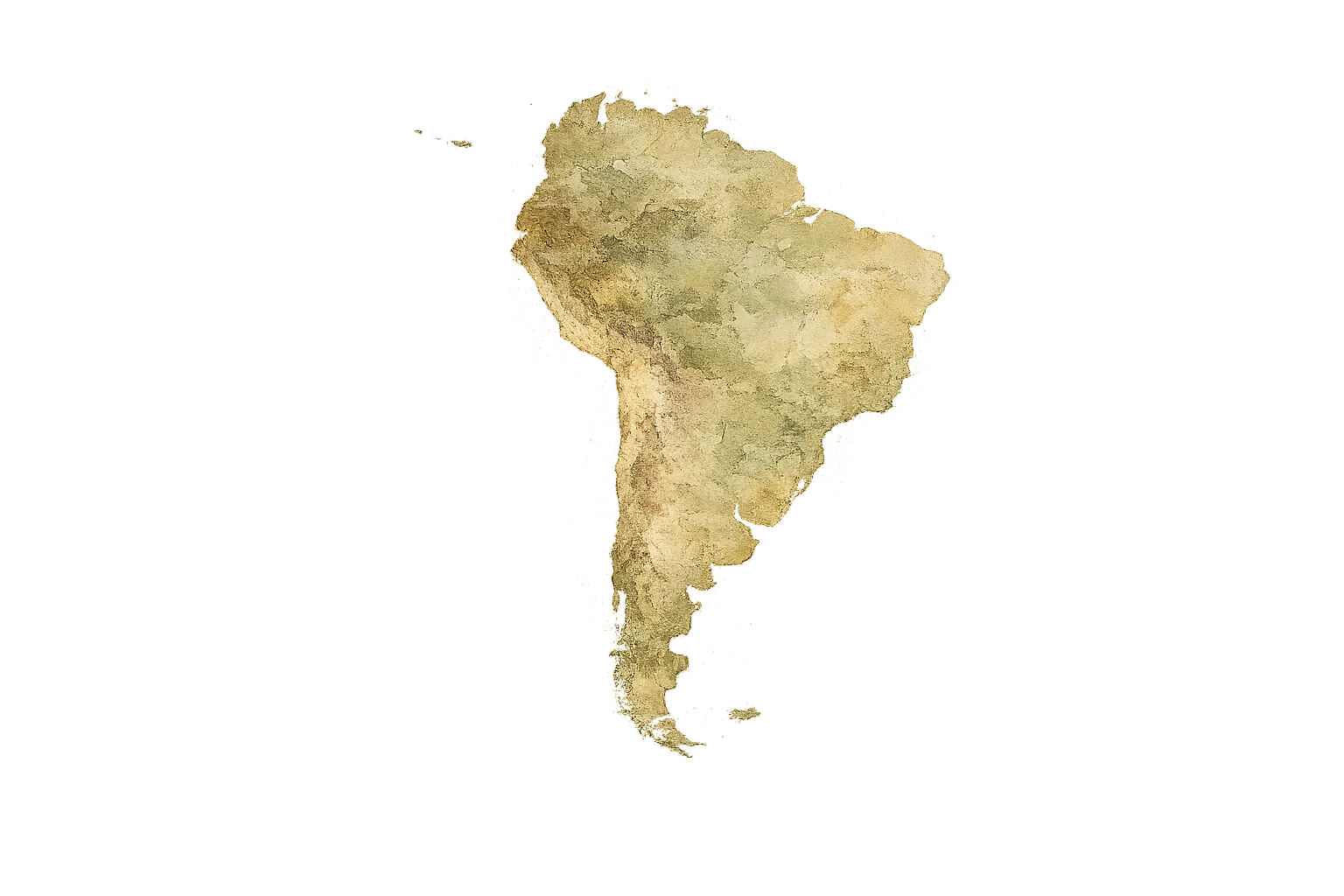
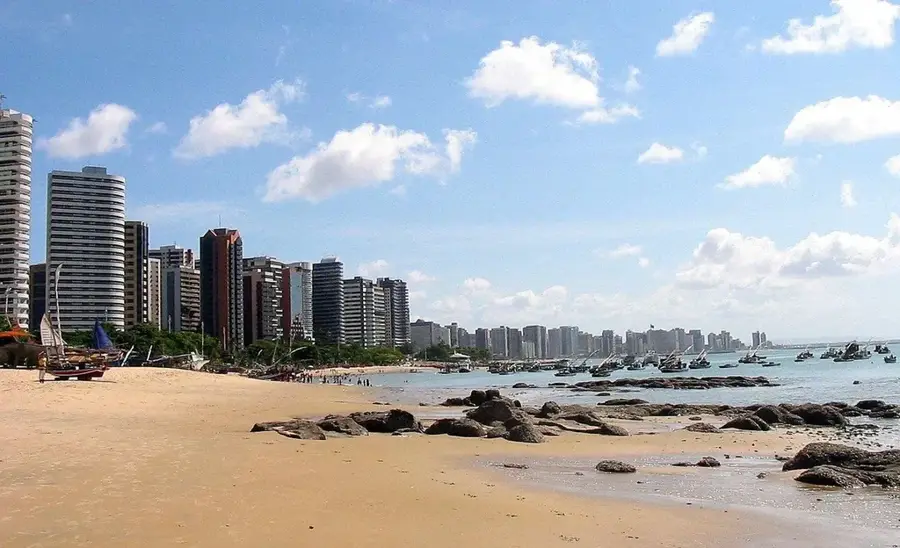
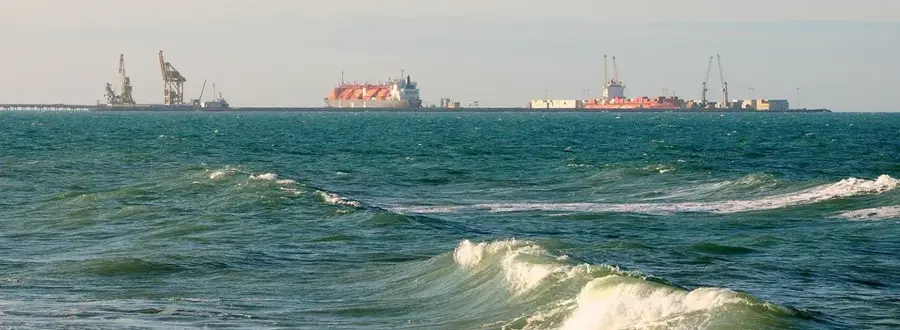
Fortaleza, the dynamic capital of Ceará state in Northeastern Brazil, is the country's fourth most populous city and a major economic powerhouse. Located just south of the equator, it enjoys a tropical climate with consistent temperatures and a refreshing sea breeze known as the 'Viração.' Geographically, the city is defined by its 34 kilometers of urban coastline, featuring famous stretches like Praia do Futuro, Meireles, and Iracema. Fortaleza holds a unique strategic position as the primary landing point for over a dozen submarine fiber-optic cables connecting South America to Europe, Africa, and North America, making it a critical hub in the global digital infrastructure. The city's history is rooted in the 17th-century colonial struggles between the Dutch and the Portuguese. The Dutch built Fort Schoonenborch in 1649, which was later renamed Fortaleza de Nossa Senhora da Assunção by the Portuguese. The 19th century saw Fortaleza grow into a major urban center driven by the cotton trade and the emergence of a merchant elite. Today, its economy is highly diversified, encompassing a robust textile and footwear industry, a growing renewable energy sector (wind power), and a massive service industry. The Port of Pecém, a deep-water port nearby, is a vital gateway for international trade, particularly for steel and tropical fruit exports. Culturally, Fortaleza is famous for its lively nightlife and the rhythmic energy of Forró music. It is also widely celebrated as the birthplace of Brazilian humor, producing many of the nation's most beloved comedians. The Dragão do Mar Center of Art and Culture is architectural landmark that highlights the state's artistic heritage. Fortaleza's culinary scene is a delight, blending indigenous, African, and European influences, with a focus on sundried meat (carne-de-sol) and fresh seafood, especially lobster, of which the state is a leading global exporter.
The most pleasant time to visit is Aug–Oct.
| Jan | Feb | Mar | Apr | May | Jun | Jul | Aug | Sep | Oct | Nov | Dec | |
|---|---|---|---|---|---|---|---|---|---|---|---|---|
| Avg °C | 28 | 27 | 27 | 27 | 27 | 27 | 26 | 27 | 27 | 27 | 28 | 28 |
| Rain mm | 128 | 155 | 223 | 249 | 145 | 90 | 44 | 9 | 3 | 5 | 7 | 25 |
Notable places around
Where do you start? We build the route here, with stops and country notes along the way.
© OpenStreetMap contributors · OpenRouteService
A historical museum established in January 1933 that documents the local history of Ceará.
An arts and cultural center inaugurated on September 27, 1919, in the former home of poet Juvenal Galeno.