Plizio Visual Lab
Maceió
ℹ️Practical info — Maceió
▾
🌤 Weather — 5 days
📍 Nearby
Sights nearby
💡 Tips
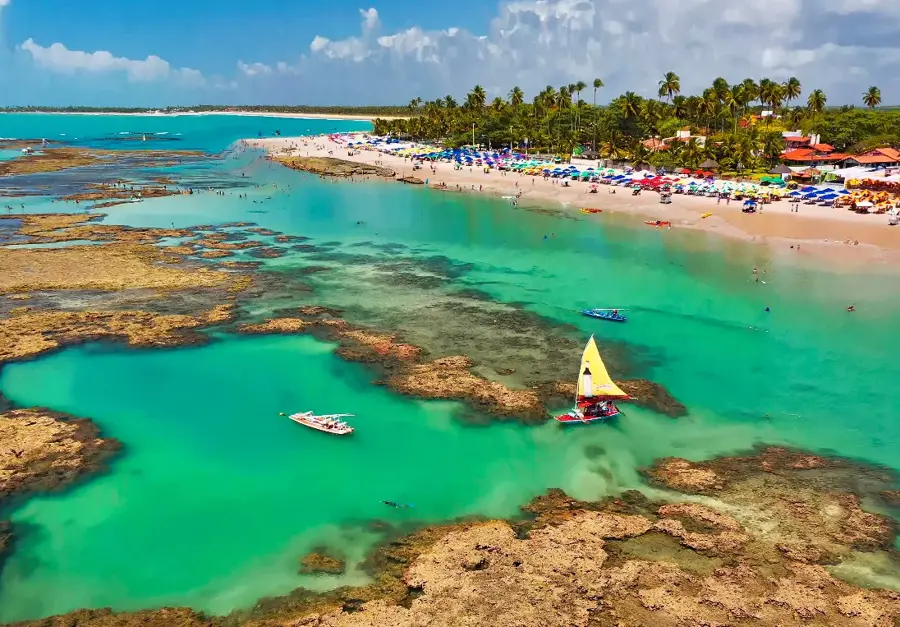
- To see the natural pools at Pajuçara, you must go during low tide; check the lunar tide chart beforehand.
- Avoid leaving valuables unattended on the urban beaches, even though the waterfront is heavily patrolled.
- Rent a car or use ride-sharing apps to explore the striking beaches on the north and south coasts.
- The sun sets quite early (around 5:30 PM) year-round, so start your beach days early in the morning.
🍽 Food
A local lagoon mussel stew, best enjoyed at waterfront restaurants in the Pontal da Barra district.
A popular street food with sweet or savory fillings, widely available along the beachfront promenade.
Sun-dried meat served with cassava, a staple of the Northeastern Brazilian diet available in traditional eateries.
🛍 Shopping · 🧘 Quiet spots
An excellent evening market for lace, hammocks, and regional souvenirs.
The neighborhood of artisans, famous for the intricate 'Filé' lace embroidery.
A much quieter, pristine beach option north of the main city center.
A tranquil Atlantic forest reserve with trails and native wildlife like marmosets.
Water temperature…
Maceió, the capital of the state of Alagoas, is uniquely positioned on a narrow strip of land between the Atlantic Ocean and the Mundaú Lagoon. The city’s name is derived from the Tupi indigenous language, referring to the natural springs that characterize the local geography. Established initially as a port for the regional sugar industry, Maceió rose to political prominence in 1839 when it replaced Marechal Deodoro as the provincial capital. This transition marked the beginning of a rapid urban expansion, centered around the historic district of Jaraguá, where colonial warehouses and grand residences still stand as witnesses to the 19th-century sugar boom. Today, the city is a major metropolitan center that balances its industrial roots with a world-class tourism industry, driven by some of the most remarkable urban beaches in South America. The city’s coastline is famous for its barrier reefs, which create calm, crystalline natural pools during low tide, particularly at Pajuçara beach. Beyond the tourism sector, Maceió serves as an important industrial hub, with significant activity in the chemical industry, salt mining, and agribusiness processing. However, recent years have brought geological challenges related to mining subsidence, prompting significant urban restructuring and a renewed focus on sustainable development. Culturally, Maceió is a bastion of Northeastern Brazilian traditions. It is famous for the 'Filé' lace, a colorful and intricate needlework technique that reflects the region's artistic identity. The local gastronomy is heavily influenced by the surrounding waters, featuring dishes based on lagoon mollusks and fresh saltwater fish. With a population of over a million, Maceió is a dynamic city that continues to grow as a regional leader in education, healthcare, and logistics, while preserving the natural beauty that makes it a top destination for travelers seeking both history and relaxation.
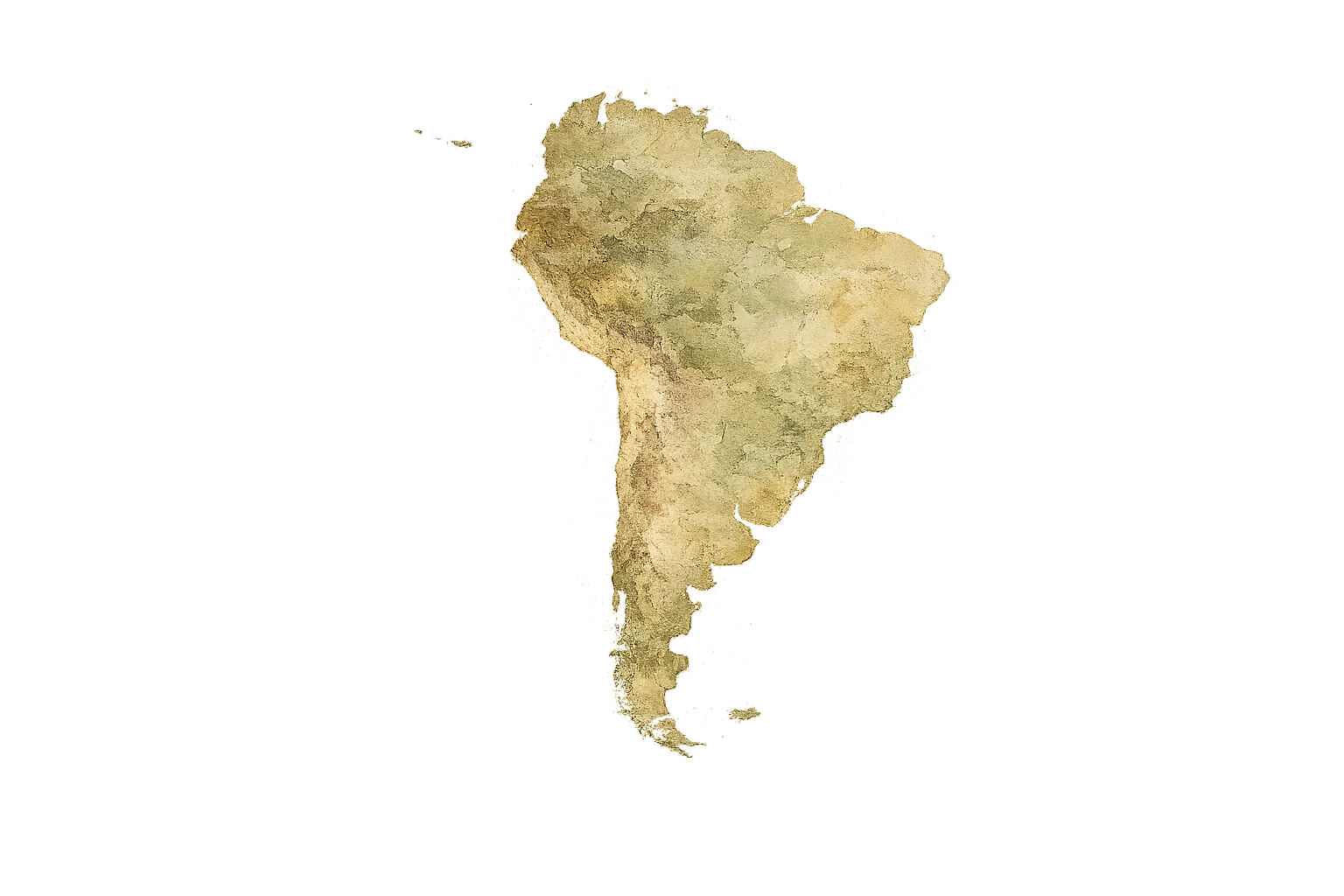
- Location: Brazil
- Top sights: Farol de Ponta Verde · Igreja Nossa Senhora dos Prazeres (Catedral) · Museu Theo Brandão
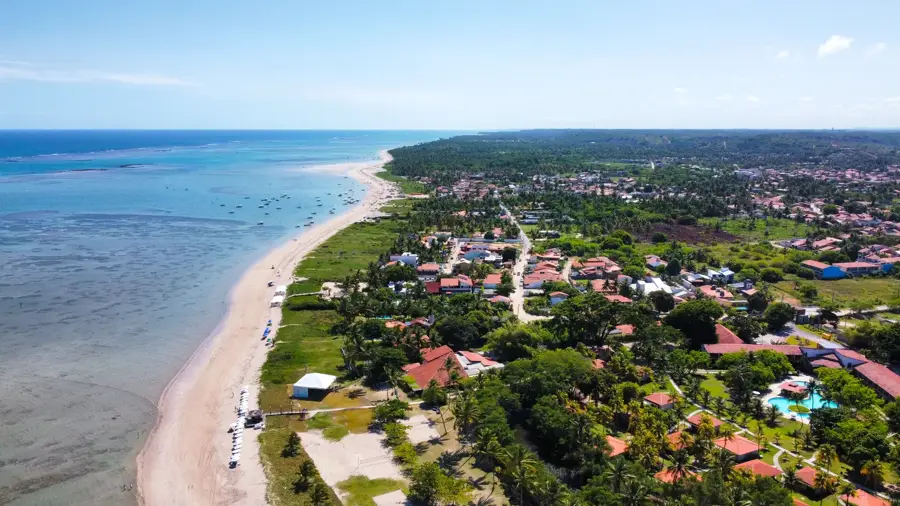
- Nearby: Sao Miguel dos Milagres (54 km)
- Population: ~1.031.597 (2026)
Best time to visit & climate
The most pleasant time to visit is Sep–Nov.
| Jan | Feb | Mar | Apr | May | Jun | Jul | Aug | Sep | Oct | Nov | Dec | |
|---|---|---|---|---|---|---|---|---|---|---|---|---|
| Avg °C | 27 | 27 | 27 | 27 | 26 | 25 | 24 | 24 | 25 | 26 | 27 | 27 |
| Rain mm | 72 | 68 | 87 | 123 | 176 | 204 | 164 | 105 | 60 | 45 | 25 | 29 |
Geography
Facts
- Maceió officially became the capital of Alagoas in December 1839.
- The city covers a total land area of approximately 511 square kilometers.
- The metropolitan area is home to more than 1 million residents.
- Jaraguá district was the primary sugar export hub during the colonial era.
- Maceió features some of Brazil's largest urban coral reef formations.
- The city is located at an average elevation of only 7 meters above sea level.
- Tourism and chemical processing are the city's primary economic drivers.
- Maceió is known for having the highest concentration of artisans in the state.
Explore nearby
Notable places around

Route planner — Car & Motorhome
Where do you start? We build the route here, with stops and country notes along the way.
© OpenStreetMap contributors · OpenRouteService
Sights in the town Maceió (13)
Centro Cultural Arte Pajuçara🎭 culture
Cultural space near Pajuçara beach featuring an independent cinema and rotating art exhibitions.
Frequently asked questions
Why is Maceió often praised?
Which beaches are the best?
What can you do in Pajuçara?
Is a trip to Maragogi worth it?
What is typical handicraft?
Maceió: where is it located?
Maceió: what is there to see?
Maceió: when is the best time to visit?
Maceió: why is it worth visiting?