Amagüestu Festival
An autumn festival where roasted chestnuts and fresh sweet cider are shared to celebrate the harvest season.
PlizioGo
Try this local fish at the cider houses (siderías) around Plaza de la Marina.
Order it by the harbor; it is traditionally poured from a height (escanciar).
A traditionally cured fish historically eaten by fishermen, found in select authentic restaurants.
Look for local varieties like Cabrales or Afuega'l Pitu in the village's delicatessens.
Small shops along the main pedestrian street offer handmade maritime-themed crafts.
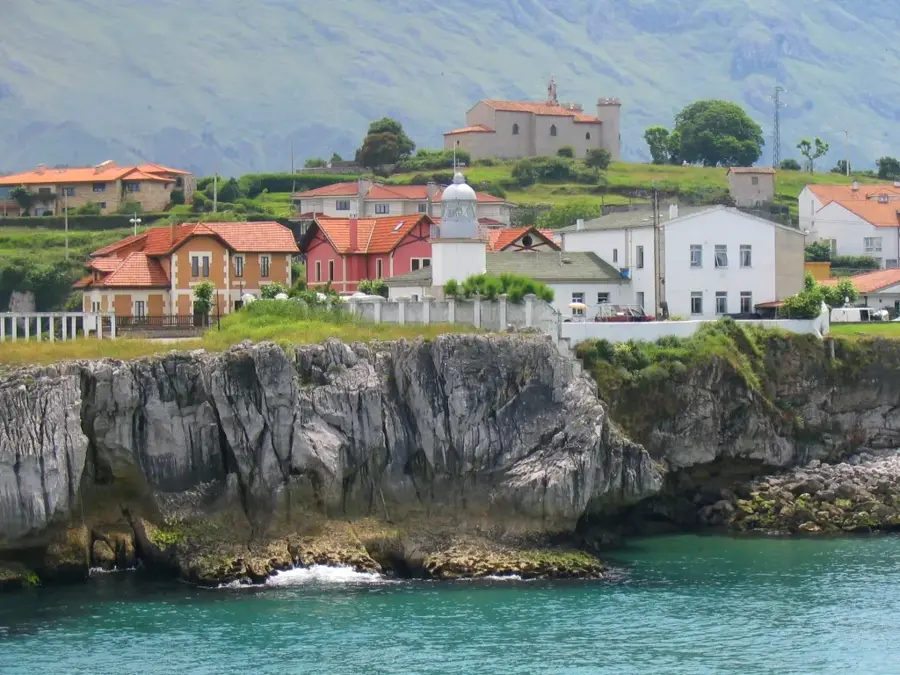
A short walk from the village center takes you to this lighthouse with peaceful ocean views.
A nearby beach, well-suited for a calm walk outside the bustling village center.
Water temperature…
An autumn festival where roasted chestnuts and fresh sweet cider are shared to celebrate the harvest season.
A unique open-air concert experience at Explanada de la Rula in the picturesque Cudillero.
A solemn maritime procession in honor of the patron saint of fishermen, accompanied by festively decorated boats.
A traditional summer festival following San Pedro's day, featuring local music, dances, and open markets.
Cudillero's most famous festival, featuring a sailor delivering a humorous sermon in Asturian about the year's events.
Contemplative processions through the steep, narrow streets of the fishing village, creating a unique atmosphere.
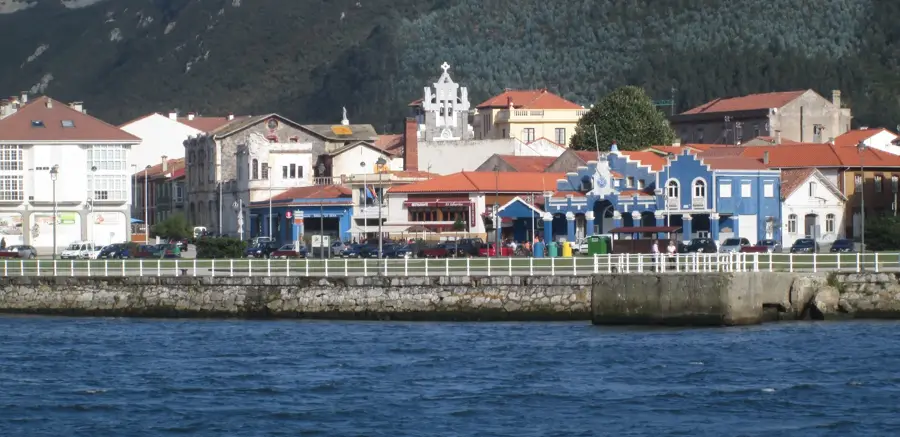
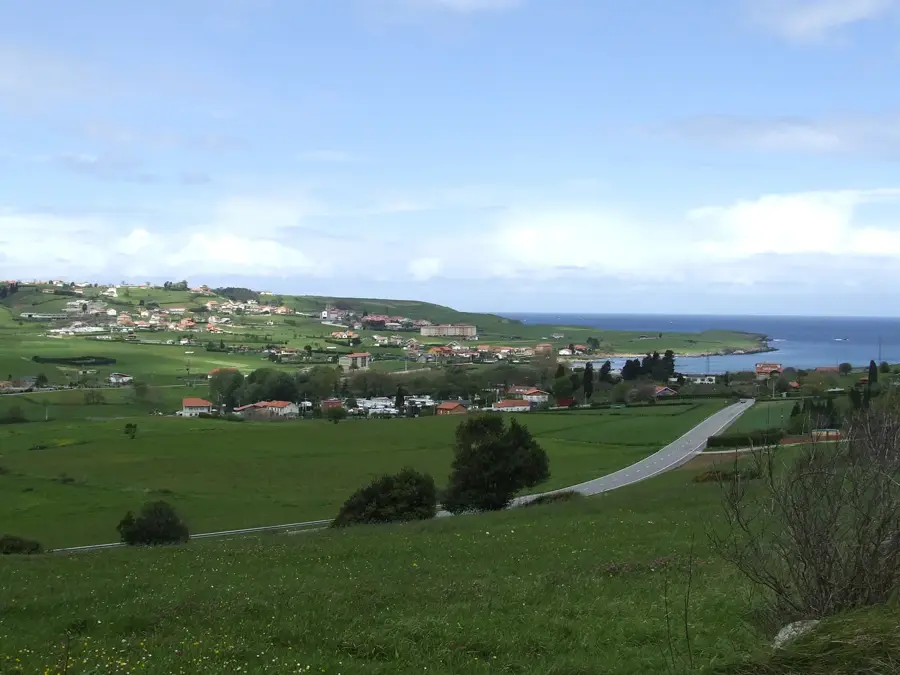
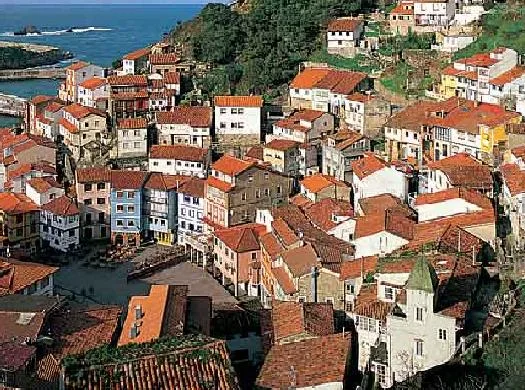
Cudillero is widely regarded as one of the most pretty villages in Spain, serving as a signature icon of the Asturian coast. Located in a natural bay, its layout is legendary: brightly colored houses cling to the steep hillsides, creating a natural amphitheater overlooking the harbor. Historically, this design allowed fishermen's families to spot their boats returning from the sea from their own balconies. Wandering through its narrow, steep alleys leads visitors to sweeping viewpoints such as 'La Garita' or 'El Pico'. Beyond its maritime allure, the municipality hosts the Selgas Palace, often called the 'Asturian Versailles' for its magnificent gardens and art collection including works by Goya. Cudillero maintains a strong cultural identity, best experienced through its seafaring traditions and a gastronomy centered on the daily catch from the Bay of Biscay.
The most pleasant time to visit is Jul–Sep.
| Jan | Feb | Mar | Apr | May | Jun | Jul | Aug | Sep | Oct | Nov | Dec | |
|---|---|---|---|---|---|---|---|---|---|---|---|---|
| Avg °C | 9 | 8 | 10 | 12 | 14 | 17 | 19 | 20 | 18 | 15 | 11 | 9 |
| Rain mm | 105 | 82 | 82 | 75 | 64 | 53 | 32 | 42 | 47 | 93 | 126 | 108 |
Notable places around
Where do you start? We build the route here, with stops and country notes along the way.
© OpenStreetMap contributors · OpenRouteService
Start your day at the old port, where fishing boats sway gently, then stroll to Plaza de la Marina to admire the iconic amphitheater of colorful houses. At midday, explore the Gothic San Pedro church and then climb to Mirador de la Garita for the best coastal views. The afternoon takes you to the lighthouse and ends at the charming Humilladero Chapel.
The morning begins mystically in the misty Old Port as rain lashes against the colorful facades. At midday, Plaza de la Marina offers shelter under awnings for enjoying fresh local fish. In the afternoon, the path to the church and viewpoint winds through narrow, partly sheltered alleys. The lighthouse is particularly dramatic in stormy weather. The evening ends at the Humilladero Chapel, providing a quiet, dry conclusion to a rainy day.
In winter, a peaceful silence hangs over the Old Port. The morning is cool and clear, ideal for photos without the crowds. Plaza de la Marina invites you for a warm soup at midday. In the afternoon, the low winter sun bathes San Pedro Church in soft colors. The walk to the lighthouse is windy but offers clear views over the Atlantic. As it gets dark early, the day ends cozily by candlelight in the chapel or a nearby tavern.
This bike tour combines Cudillero's coastal atmosphere with the majestic Selgas Palace in El Pito. After starting at the port, pedal inland to the palace's impressive gardens. The route continues uphill to the Santa Ana Hermitage, offering broad views over Asturias' green hills, before returning to the Baluarte viewpoint and finally back to the village center.
A wet tour through the Asturian coastal mist. The morning at the port requires caution on the stones. Selgas Palace offers a cultural break in the dry at midday. In the afternoon, the climb leads to Santa Ana Hermitage, where the rain makes the landscape look lush and green. The Baluarte Viewpoint shows the wild sea. The day ends at Plaza de la Marina, where the bike can be safely parked while you warm up inside.
Crisp winter air and clear views on your bike tour. The port is quiet in the morning, the air salty. Selgas Palace shines in the low sunlight while the gardens rest. In the afternoon, the climb to Santa Ana tests your fitness but rewards you with panoramas. The descent to Baluarte is cool but invigorating. In the evening, return to Plaza de la Marina, where the cider houses provide a warm atmosphere.
By car, you can comfortably reach the highlights of Cudillero and its surroundings. Start with the elegant Selgas Palace before driving into the village center. Enjoy lunch at the port and explore the viewpoints. To finish, take a trip to nearby Cabo Vidio to see some of Asturias' most spectacular cliffs.
A relaxed drive through rainy Asturias. Selgas Palace is a perfect indoor stop in the morning. At midday, park conveniently near Plaza de la Marina. In the afternoon, the port provides a dramatic backdrop even from the car before heading to the lighthouse. Mirador del Pico shows Cudillero shrouded in mist. The day ends with an excursion to Cabo Vidio, where you can safely watch the raging surf from the cliff's edge or your vehicle.
A cozy winter drive along the coast. In the morning, explore Selgas Palace without the summer heat. At midday, you'll easily find parking near the Marina. In the afternoon, enjoy the crisp winter air at the port and lighthouse. Mirador del Pico offers fantastic long-distance views over the mountains. To finish, drive to Cabo Vidio for an undisturbed sunset over the Atlantic before the winter chill sets in.
May to September, with June and September best for mild weather and fewer day-trippers. Lunch by the harbour is essential - but reserve in summer, this amphitheatre village has very few tables.
Very safe, but the steep stepped lanes are brutal with heavy luggage. Cobbles get genuinely slippery in rain. The harbour wall is low - in storms waves spray right over it.
Local fishermen still speak an old dialect called Pixueto among themselves, but tourists hear standard Spanish. English works in harbour restaurants only - up the amphitheatre stairs, gesture it out. It's a tiny village, everything tight.
A magnificent 19th-century palace complex famous for its extensive French gardens and impressive art collection.
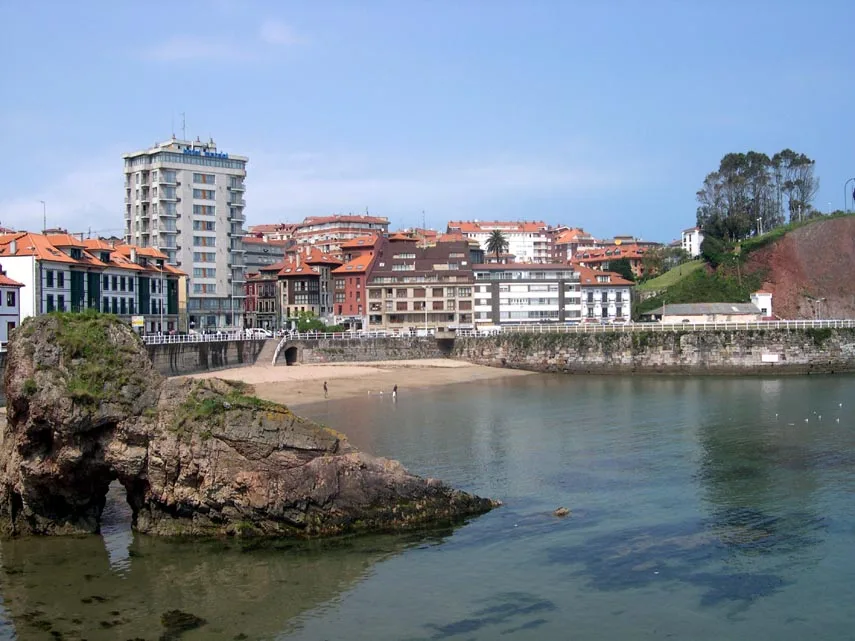
Situated at the photogenic harbor basin of Cudillero, Plaza de la Marina forms the beating heart of this coastal town. During the summer months, the square fills with lively terraces, exuding a cheerful and rustic fishing village atmosphere. Visitors enjoy strolling along the harbor edge or sitting down to taste the freshly caught local seafood. An evening walk here provides a deliciously fitting end to any seaside excursion.
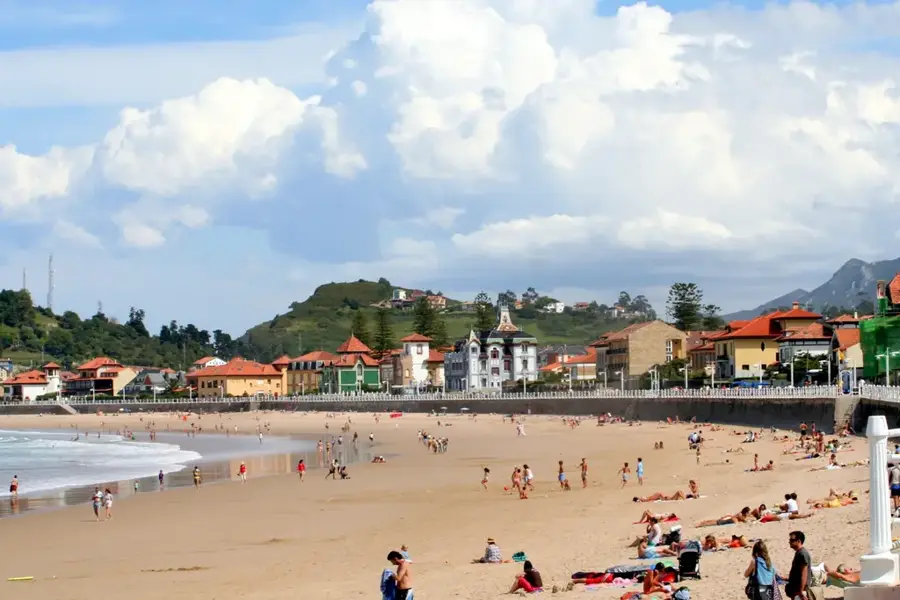
Surrounded by the rugged Spanish coastline, Playa de la Conchiquina is a pleasant local beach in Cudillero. This small, unspoiled bay exudes a wonderfully relaxed atmosphere, first-rate for nature lovers. Visitors will discover a quiet spot here for sunbathing, gently dipping into the sea, and enjoying the ocean breeze. Sturdy shoes are advisable for safely exploring this natural shoreline.