Plizio Visual Lab

Lagoa do Fogo, Azores
Plizio editorial teamData Sources
nature
—°6
Lagoa do Fogo, Azores (Portugal)

Weather…

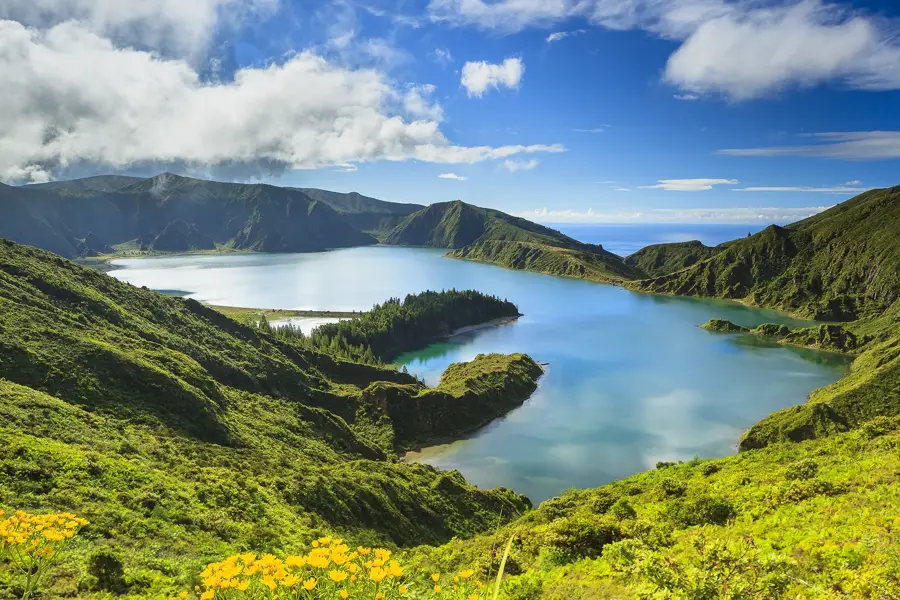
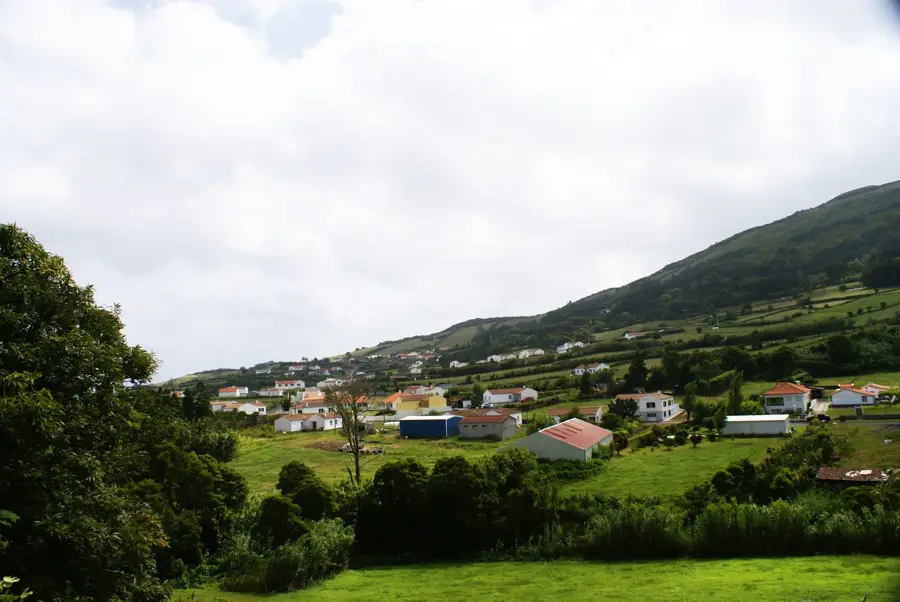
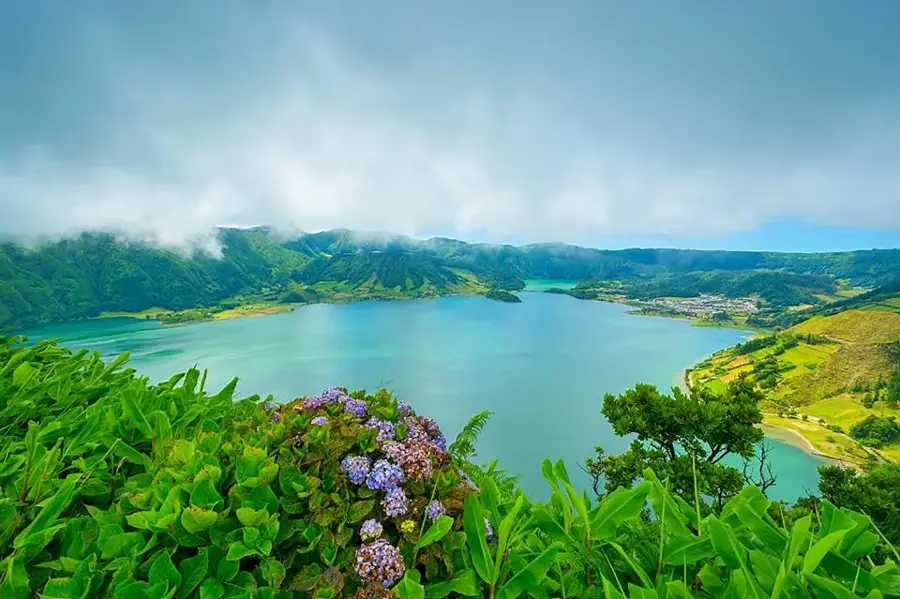
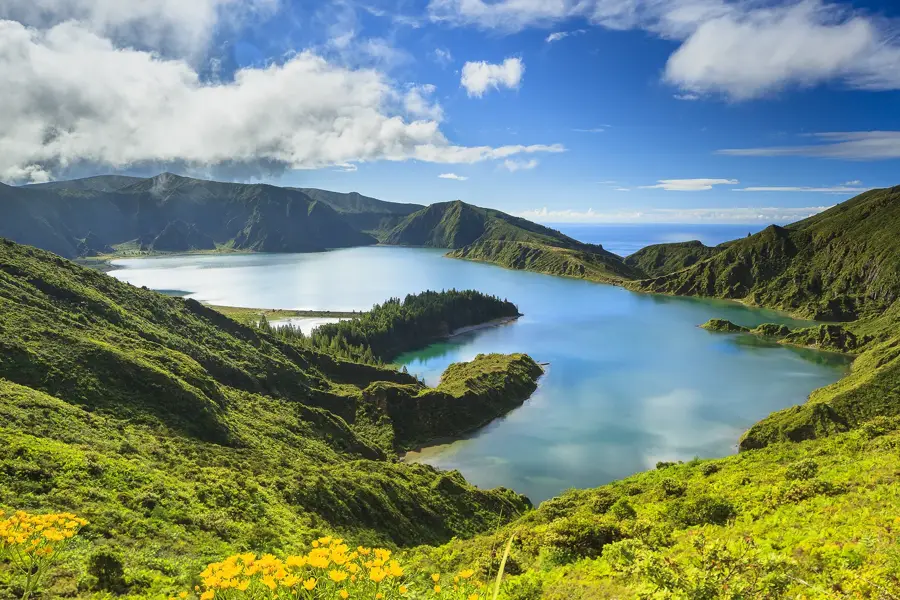
Lagoa do Fogo (Lake of Fire) is a dramatic crater lake located in the heart of São Miguel Island in the Azores and is regarded as one of the most pristine landscapes in the archipelago. The lake occupies the central caldera of the Água de Pau volcano, which was formed approximately 15,000 years ago. Because the area has been strictly protected as a nature reserve since 1974, there are no buildings or human settlements surrounding the lake, preserving its wild and natural state. Situated at an altitude of about 575 meters above sea level, the lake is often shrouded in a mystical mist that can suddenly clear to reveal spirited blue waters and lush green crater walls. The surrounding vegetation consists largely of endemic species such as the Azores heather and the Azores juniper. Hiking trails allow visitors to descend to the white sandy shores of the lake, offering spectacular vantage points of the entire island during the trek. Lagoa do Fogo is also a critical nesting ground for various bird species, including the Azores gull and the common tern. Its geological significance and ecological richness make it a protected site of European importance.

Best time to visit & climate

The most pleasant time to visit is Jun–Aug.

JanFebMarAprMayJunJulAugSepOctNovDec
Avg °C161515161719212322201817
Rain mm6768655643301827567466105

📋 Practical info

🧭
Getting there
The crater lake is usually accessible by rental car or guided tour via a winding mountain road from either Ribeira Grande or Ponta Delgada. Public transport to the high viewpoints is virtually nonexistent, making independent or organized transport generally essential.
📅
Best season
Summer typically has the clearest skies and warmest weather, significantly increasing the chances of seeing the animated lake without dense fog. The Azores experience rapid weather shifts, so even in summer, the crater can be completely enveloped in thick clouds very quickly.
⛰️
Terrain & paths
While observing from the upper viewpoints is extremely easy, hiking down to the lake's shores involves a very steep, unpaved, and often muddy trail. Navigating this descent requires good balance and agility, as the narrow paths are deeply rutted by rainfall.
🎒
What to bring
For descending to the lake, proper hiking boots with excellent grip are highly recommended due to the persistently slippery clay. A reliable rain jacket and layers are always necessary on the island, as conditions at altitude are notoriously much cooler and wetter.
🅿️
Parking
Small parking bays are typically available right next to the high road viewpoints, but these become notoriously congested during midday peak hours. Arriving early in the morning or later in the afternoon is generally the smartest strategy to secure a spot without stress.
⚠️
Safety
The steep trails down to the water can be quite treacherous after recent rains, making slips and minor falls a fairly common occurrence. Swimming in the lake is strictly forbidden to thoroughly protect this pristine nature reserve and its unique delicate ecosystem.
⏱️
Time needed
Stopping briefly at the high viewpoints usually only takes about twenty to thirty minutes for most typical sightseeing visitors. Conversely, hiking down to the lake shore and slowly climbing back up generally requires around two to three hours of dedicated effort.

Geography

Coordinates
37.77000, -25.48000

Facts

  • Nestled within the caldera of the Água de Pau volcano.
  • Situated at an elevation of 575 meters above sea level.
  • The entire area has been a protected nature reserve since 1974.
  • The lake reaches a maximum depth of approximately 30 meters.
  • The volcano's last significant eruption occurred in the year 1563.
  • One of the largest lakes in the entire Azores archipelago.

Explore nearby

Notable places around

Route planner — Car & Motorhome

Where do you start? We build the route here, with stops and country notes along the way.

Vehicle
Only stops with (optional):

© OpenStreetMap contributors · OpenRouteService

Sights in the town Lagoa do Fogo, Azores (6)

Central Hídrica da Fajã Redonda🏛 museum

A hydroelectric plant built in 1927 at Lagoa do Fogo, Azores.

Centro de interpretação Ambiental da Caldeira Velha🏛 museum

This environmental interpretation centre near Lagoa do Fogo provides information on the ecology and geology of the Caldeira Velha area.

Termas das Caldeiras da Ribeira Grande📍 landmark

Termas das Caldeiras da Ribeira Grande are thermal baths known for their hot springs and relaxation opportunities.

Miradouro da Bela Vista🌿 nature

Viewpoint with panoramic views over the Lagoa do Fogo crater lake in the Azores.

Miradouro da Lagoa do Fogo🌿 nature

From Miradouro da Lagoa do Fogo, visitors can enjoy a famous view of the crater lake of the same name in the mountains.

Barragem🌿 nature

This viewpoint gives a look at the dam and the surrounding water landscape of the region.

Sights nearby

Frequently asked questions

What is Lagoa do Fogo?
A crater lake located in the center of São Miguel Island in the Azores.
Can you swim in the lake?
Swimming is officially not allowed to protect the ecosystem.
Is there often fog there?
Yes, the lake is at a high altitude and often in clouds; check webcams.
How do you reach the lake?
There are viewpoints along the road, but you can also hike down to the shore.
Are there parking restrictions?
Yes, in peak season there are restrictions for rental cars; use shuttles.
Lagoa do Fogo, Azores: where is it located?
Lagoa do Fogo, Azores is located in Portugal.
Lagoa do Fogo, Azores: what is there to see?
Highlights include Central Hídrica da Fajã Redonda, Centro de interpretação Ambiental da Caldeira Velha, Termas das Caldeiras da Ribeira Grande.
Lagoa do Fogo, Azores: when is the best time to visit?
The most pleasant time to visit is Jun, Aug.
Lagoa do Fogo, Azores: why is it worth visiting?

Lagoa do Fogo (Lake of Fire) is a dramatic crater lake located in the heart of São Miguel Island in the Azores and is regarded as one of the most pristine landscapes in the archipelago.
View on map → The Top 50 Attractions → Most beautiful beaches → OpenStreetMap →
Europe
Explore with Plizio Discover more places in Europe
More places in Portugal →

Nearby cities

Nature