Plizio Visual Lab
Tacna
ℹ️Practical info — Tacna
▾
🌤 Weather — 5 days
📍 Nearby
Sights nearby
💡 Tips
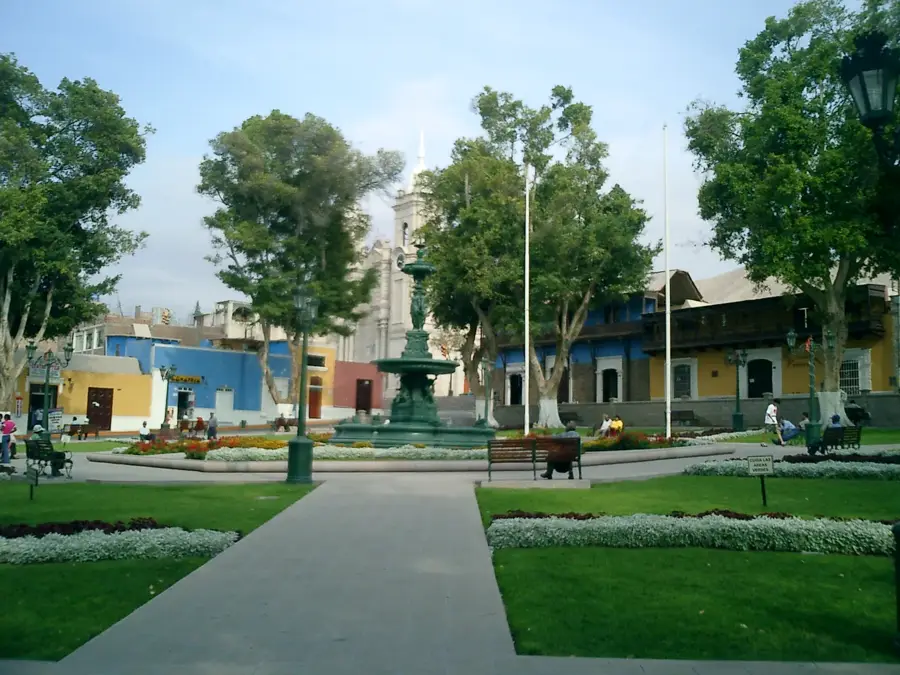
- Experience the patriotic vibe; the main square (Paseo Cívico) is especially lively during Sunday morning flag-raising ceremonies.
- Tacna is a free-trade zone (ZofraTacna), making electronics and clothes cheaper. Just be mindful of customs limits if crossing borders.
- Use 'colectivos' (shared taxis) near the international bus terminal; they are the cheapest and most common way to travel across the border to Arica, Chile.
- The sun is very intense in this desert region; always wear sunscreen and a hat, even on cloudy days.
🍽 Food
A spicy stew made of tripe, potatoes, and chili peppers. A must-try in the traditional 'picanterías' on the city outskirts.
A hearty corn pie with a meat filling, commonly found in traditional bakeries and local restaurants.
At bars near the Paseo Cívico, order a Pisco Sour infused with local fruit macerates (like apricot).
🛍 Shopping · 🧘 Quiet spots
Popular duty-free markets where you can find cheap imported clothes, electronics, and shoes.
Tacna produces some of the best olives in Peru. Buy fresh olives or high-quality oil at the local food markets.
A long, palm-lined pedestrian avenue; a nice, shaded spot for an afternoon walk.
A small, historic park featuring a 19th-century British locomotive, handy for a short rest amidst greenery.
Water temperature…
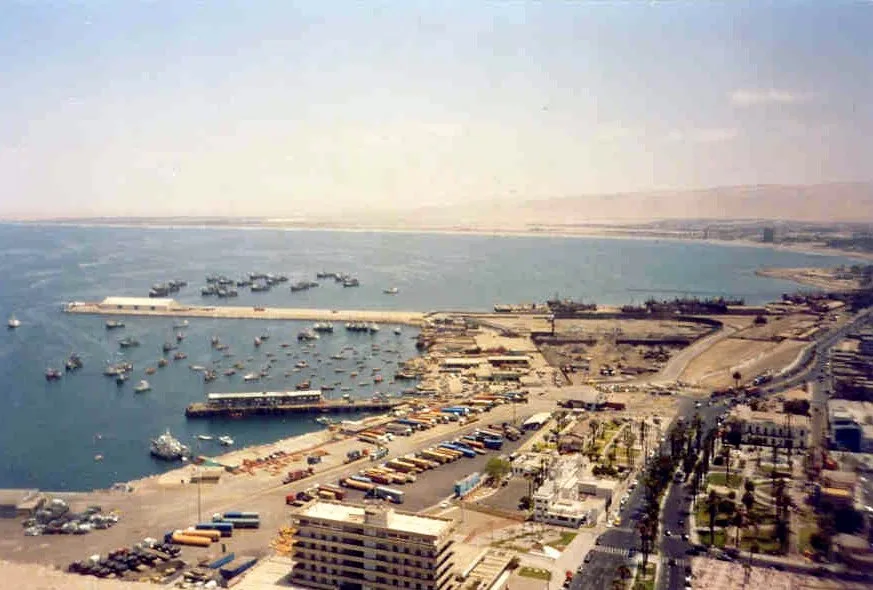
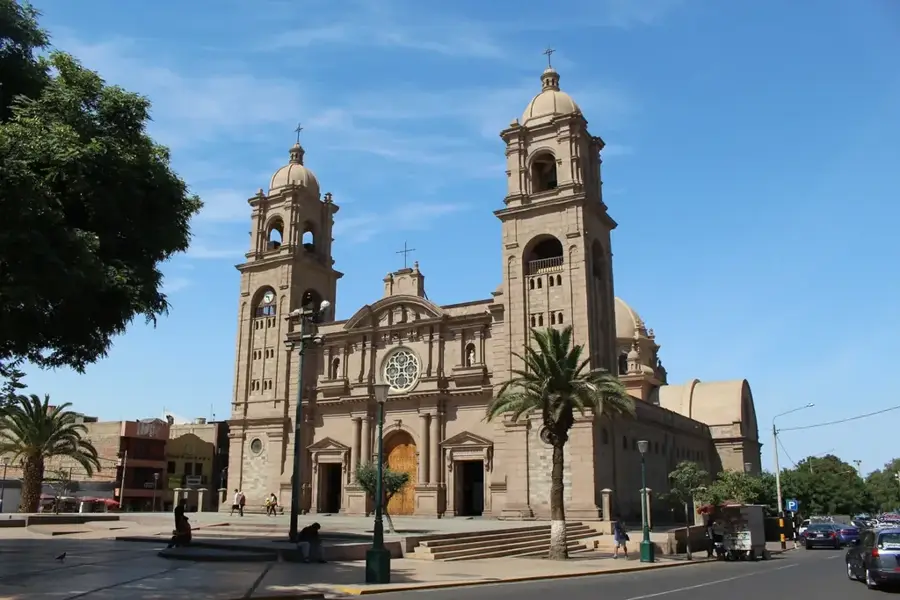
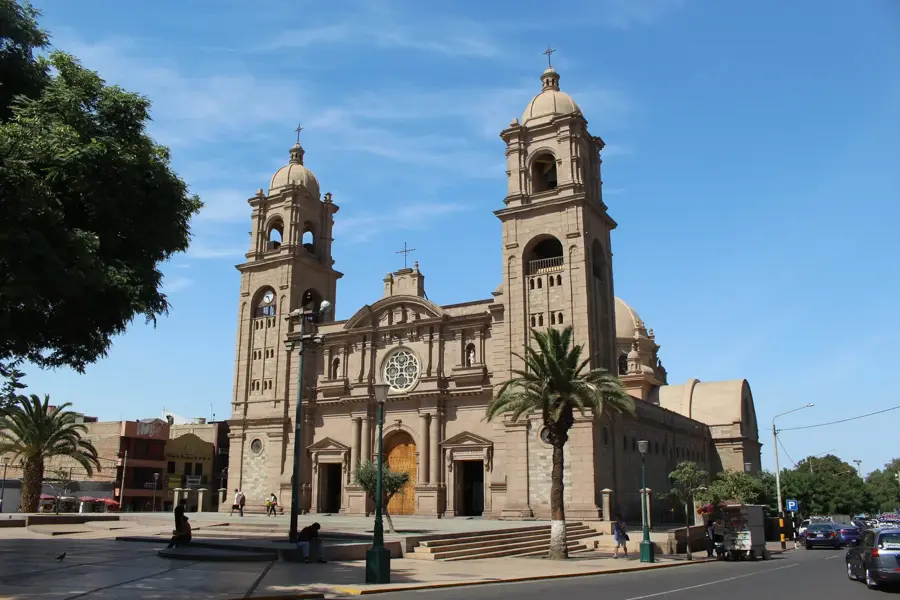
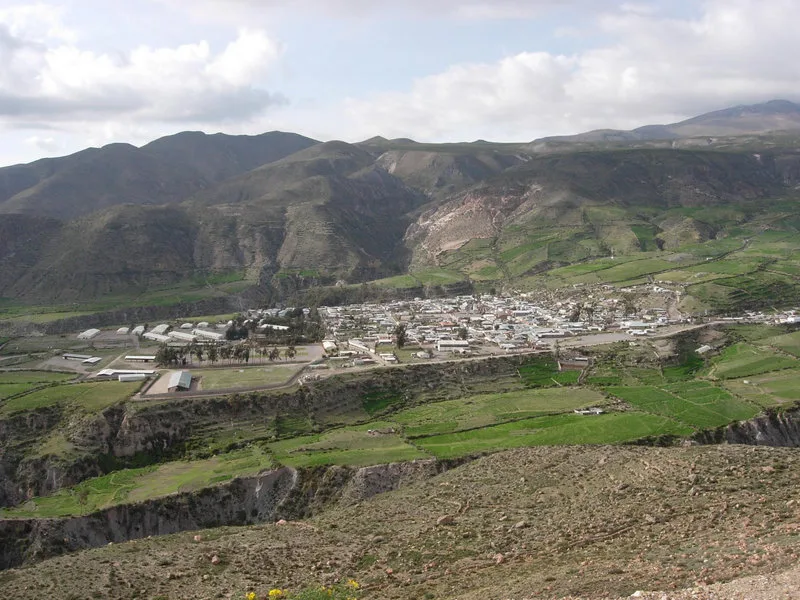
Tacna, located at the southernmost tip of Peru, is a city of profound historical significance and economic vitality. Known as the 'Heroic City' (Ciudad Heroica), Tacna serves as a powerful symbol of Peruvian patriotism due to its 50-year resistance under Chilean occupation following the War of the Pacific. The city was finally returned to Peru in 1929, and this historical legacy is celebrated every August with the 'Procession of the Flag,' a deeply emotional event for the entire nation. Situated in an oasis in the middle of the Caplina River valley, Tacna is surrounded by the stark beauty of the Atacama Desert, making it a critical border town just 35 kilometers from Chile. Economically, Tacna is one of Peru's most prosperous cities, largely thanks to its status as a Free Trade Zone (Zotac). This status has turned the city into a bustling commercial center, attracting thousands of shoppers and medical tourists across the border every day. The urban landscape is dominated by the Arco Parabólico, a monument honoring war heroes Miguel Grau and Francisco Bolognesi, and the memorable Tacna Cathedral, which was designed by Gustave Eiffel’s firm and built with distinct pink quarried stone. The city’s Paseo Cívico is noted for its cleanliness and orderly design, often cited as one of the best-maintained public spaces in Peru. Agriculture also plays a vital role in the region, with Tacna being the primary producer of olives and olive oil in the country, as well as a significant producer of pisco grapes. Local culture is a mix of historical reverence and modern commerce, with a cuisine that features unique regional dishes like 'Picante a la Tacneña.' For history enthusiasts and shoppers alike, Tacna gives a unique blend of nationalistic pride and international trade, standing as the southern gate to the Peruvian Republic.
- Location: Peru
- Top sights: Museo Ferroviario Nacional de Tacna · Museo Histórico Regional · Casa de Zela
- Nearby: Moquegua (82 km)
- Population: ~286.240 (2026)
Best time to visit & climate
The most pleasant time to visit is Mar, Apr, Dec.
| Jan | Feb | Mar | Apr | May | Jun | Jul | Aug | Sep | Oct | Nov | Dec | |
|---|---|---|---|---|---|---|---|---|---|---|---|---|
| Avg °C | 22 | 23 | 22 | 20 | 18 | 17 | 16 | 16 | 16 | 17 | 19 | 21 |
| Rain mm | 7 | 7 | 4 | 1 | 0 | 1 | 4 | 2 | 2 | 1 | 1 | 4 |
Geography
Facts
- Tacna is located at an altitude of 562 meters above sea level.
- The city’s official anniversary of its return to Peru is celebrated on August 28th.
- Tacna accounts for over 70% of Peru's olive production.
- The Arco Parabólico honors Miguel Grau and Francisco Bolognesi, Peru's national heroes.
- The city’s cathedral is built in a Neo-Renaissance style and features a massive bronze bell.
- Tacna was the site of the Battle of the Intiorko Hill in 1880.
- The Miculla Petroglyphs are spread across a desert area of 20 square kilometers.
- Tacna serves as a vital transit point for the Pan-American Highway entering Peru from the south.
Explore nearby
Notable places around
Route planner — Car & Motorhome
Where do you start? We build the route here, with stops and country notes along the way.
© OpenStreetMap contributors · OpenRouteService
Sights in the town Tacna (12)
Frequently asked questions
How many days for Tacna?
Is Tacna safe for travelers?
What is the best local dish?
When is the weather best?
What is the best way to get to Tacna?
Tacna: where is it located?
Tacna: what is there to see?
Tacna: when is the best time to visit?
Tacna: why is it worth visiting?
Nearby cities
More places