Plizio Visual Lab
Finschhafen
ℹ️Practical info — Finschhafen
▾
🌤 Weather — 5 days
📍 Nearby
Sights nearby
💡 Tips
- Seek out a local guide to point out the fading remnants of German colonial architecture and WWII historical sites around the peninsula.
- The climate here on the Huon Peninsula is notably humid and wet; pack quick-drying clothes and reliable rain gear.
- Traveling by small "banana boats" along the coast is often faster and more reliable than navigating the rugged inland roads.
- There are few tourist facilities, so arrange your accommodation and transport well in advance through local contacts.
🍽 Food
Try the local coastal specialty where fresh fish is gently simmered in rich, freshly squeezed coconut milk.
A traditional sweet or savory dish made from sago palm starch, often served at local gatherings.
Snack on sweet locally grown bananas, pineapple, and pawpaw purchased from village vendors.
🛍 Shopping · 🧘 Quiet spots
Check the town market for small, hand-carved wooden items and simple jewelry.
Purchase a uniquely patterned bilum bag; each region has its own specific weaving style.
Find a high vantage point along the coast to quietly watch the ships navigating the historic Vitiaz Strait.
Take a peaceful walk into the lush tropical rainforest that closely borders the town.
Water temperature…
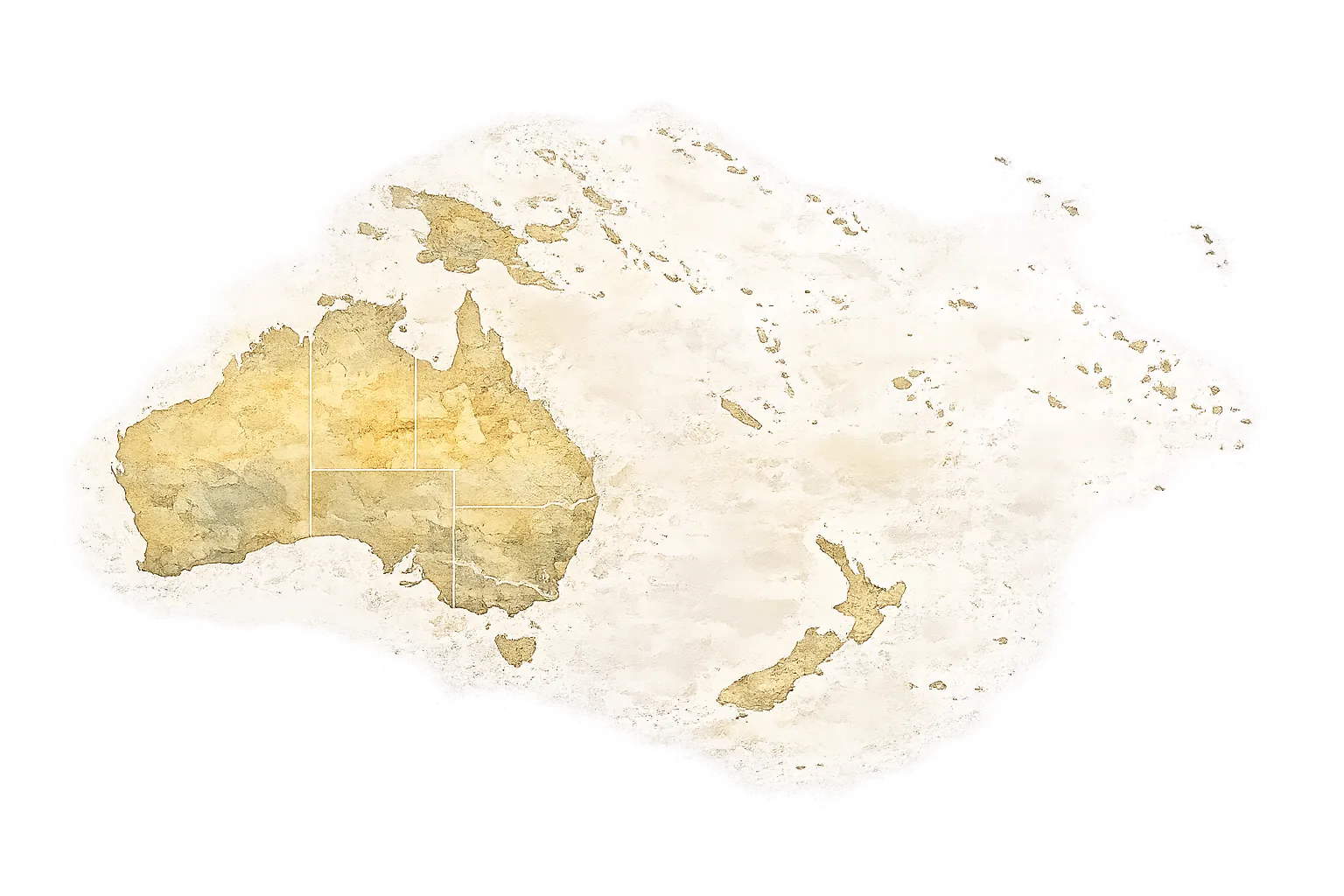
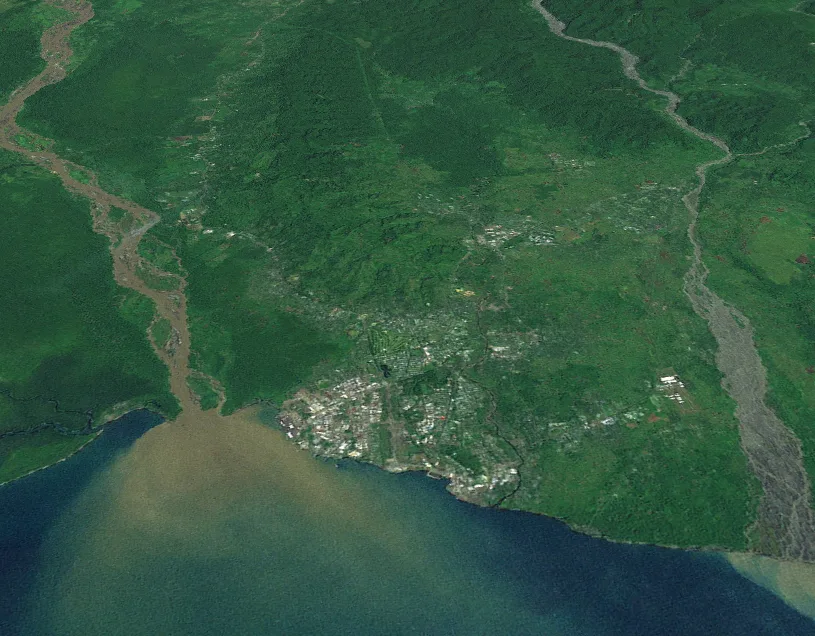
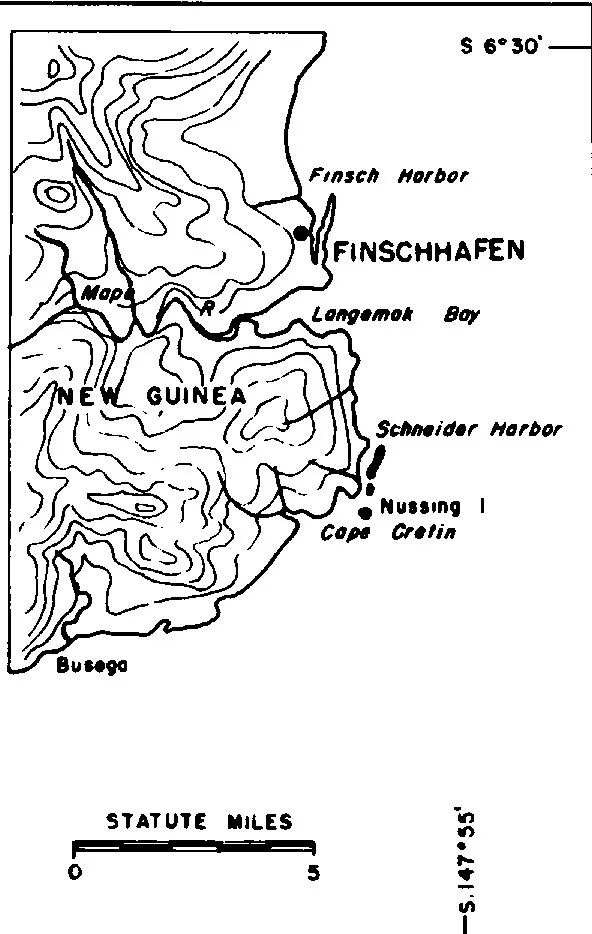
Located on the rugged Huon Peninsula, Finschhafen is a town where the jungle meets the sea. It was originally established in the late 19th century as a major port and settlement for the German New Guinea Company. The coastline is defined by dramatic coral reefs and lush coastal vegetation, making it an appealing spot for adventurous coastal exploration, though it lacks the broad white sandy beaches of other regions. The area is steeped in history. Beyond its colonial past, Finschhafen was a strategic objective during World War II, and visitors can explore remnants of the conflict scattered in the dense undergrowth. Today, the town serves as a hub for the surrounding rural communities, facilitating trade in coffee, copra, and fresh produce. Access to Finschhafen is typically by boat from Lae or by small aircraft, as road connections are extremely limited due to the challenging terrain. The local gastronomy relies heavily on fresh fish, bananas, sweet potatoes, and coconut milk. Visitors to Finschhafen experience a profound sense of isolation and a deep connection to Papua New Guinea's multifaceted history.
- Location: Papua New Guinea
- Population: ~10.377
Geography
Facts
- Located on the Huon Peninsula
- Former German colonial settlement
- WWII historical significance
- Surrounded by coral reefs
- Accessible mostly by boat or air
- Trade hub for coffee and copra
- Lush tropical coastal vegetation
- Diet features sweet potatoes and fish
Route planner — Car & Motorhome
Where do you start? We build the route here, with stops and country notes along the way.
© OpenStreetMap contributors · OpenRouteService
Sights in the town Finschhafen (1)
Frequently asked questions
Finschhafen: where is it located?
Finschhafen: why is it worth visiting?