Plizio Visual Lab
Angoram
ℹ️Practical info — Angoram
▾
🌤 Weather — 5 days
📍 Nearby
Sights nearby
💡 Tips
- Arrange a motorized canoe trip on the Sepik River to truly experience the region and visit nearby villages.
- Always ask for permission and respect local customs before entering a Haus Tambaran (Spirit House).
- Bring ample cash (Kina) in small denominations, as credit cards and ATMs are virtually non-existent here.
- Malaria precautions are essential; bring high-quality mosquito repellent and take prescribed prophylactics.
🍽 Food
Try this starchy staple extracted from palm trees, often served at village homestays.
Look for locally caught fish from the Sepik River, usually grilled or smoked over a fire.
Buy fresh bananas, pawpaw, and coconuts directly from vendors at the riverside.
🛍 Shopping · 🧘 Quiet spots
Angoram is famous for intricate masks and shields; buy directly from local artisans for the best prices.
Purchase these traditional, colorful string bags at the local market.
Watch the sun set over the massive river, a deeply peaceful experience away from the town center.
Visit right at dawn before the crowds arrive to quietly observe the morning trade.
Water temperature…
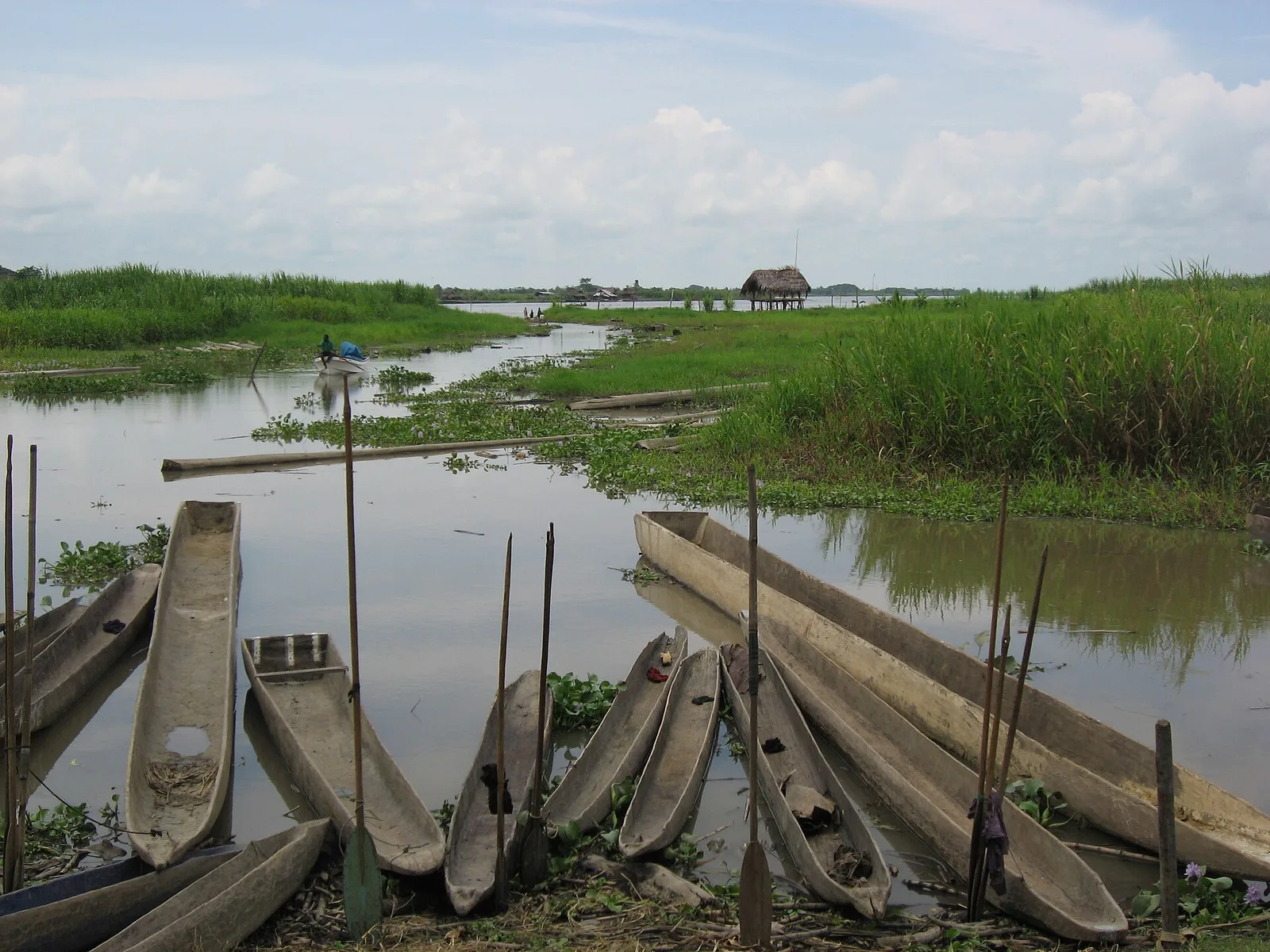
Located along the mighty Sepik River in the East Sepik Province, Angoram serves as a major gateway for exploring one of the most culturally intact regions of Papua New Guinea. The town is surrounded by dense tropical rainforests and vast wetland ecosystems, offering a completely unique riverine environment. Visitors usually come here to begin boat expeditions deep into the Sepik basin. The area is globally renowned for the extraordinary artistry of the local tribes, particularly their intricate wooden masks, ancestral figures, and elaborately decorated spirit houses (Haus Tambaran). These cultural artifacts are central to the spiritual life of the Sepik people. While there are no ocean beaches here, the river dictates daily life, providing fish and serving as the primary transport route. Access to Angoram is primarily by road from Wewak or by river vessels. The local diet heavily features river fish, sago, and tropical fruits gathered from the surrounding jungles. Traveling here requires careful planning, but it rewards adventurous visitors with an unforgettable glimpse into ancient traditions.
- Location: Papua New Guinea
- Top sights: Angoram SDA Church · Angoram Foursquare Church
- Nearby: Wewak (67 km)
- Population: ~10.387
Geography
Facts
- Located on the Sepik River
- Part of East Sepik Province
- Famous for wood carvings
- Gateway to Haus Tambaran
- No ocean beaches nearby
- Diet based on fish and sago
- Tropical rainforest climate
- Accessible by road from Wewak
Explore nearby
Notable places around


Route planner — Car & Motorhome
Where do you start? We build the route here, with stops and country notes along the way.
© OpenStreetMap contributors · OpenRouteService
Sights in the town Angoram (2)
Frequently asked questions
Angoram: where is it located?
Angoram: what is there to see?
Angoram: why is it worth visiting?