Plizio Visual Lab
Nueva Guinea
ℹ️Practical info — Nueva Guinea
▾
🌤 Weather — 5 days
📍 Nearby
Sights nearby
💡 Tips
- Nueva Guinea is the 'Pineapple Capital'; stop at the stalls around Kilometer 274 for the sweetest local variety.
- Prepare for a hot, humid, and rainy tropical climate-breathable clothing and a raincoat are essentials.
- Visit in early March to experience the bustling parades and agricultural fairs for the city's anniversary.
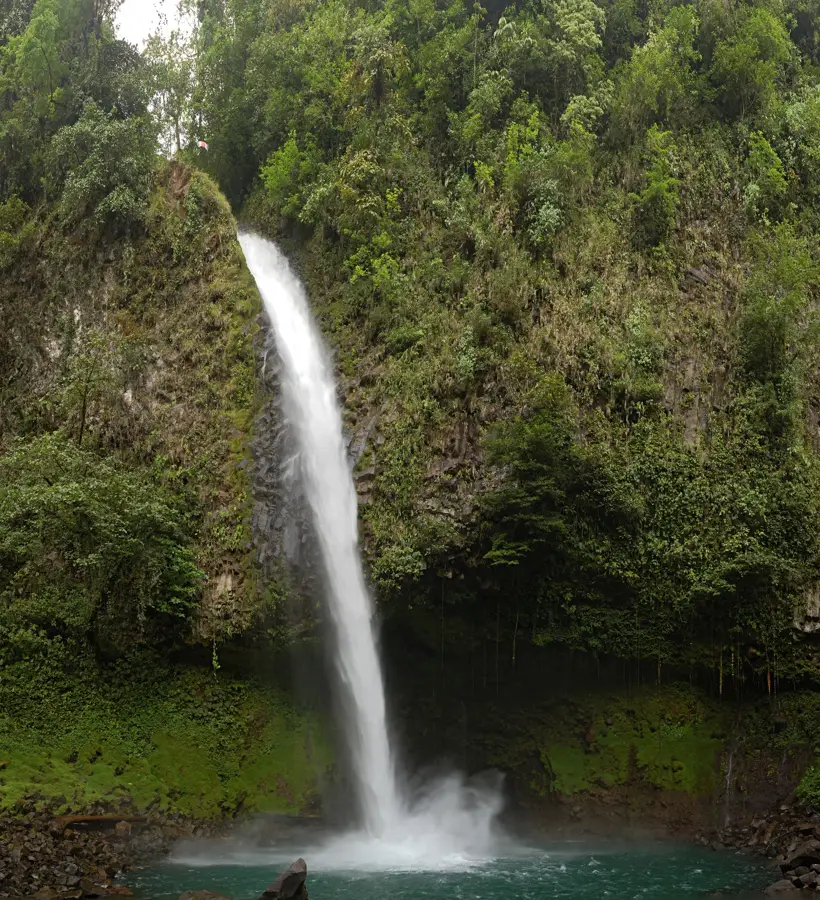
- Take a hike to the El Zapote waterfall for a refreshing escape into the humid tropical forest.
- Budget around 6-7 hours for the bus ride from Managua's Mercado Mayoreo to reach this agricultural hub.
🍽 Food
The local specialty is incredibly sweet; enjoy it fresh from roadside stands throughout the area.
A hearty potato stew that is a beloved staple of the local 'Mestizo' cuisine.
A coconut milk stew showing the Caribbean influence on this inland agricultural town.
🛍 Shopping · 🧘 Quiet spots
The prime spot for fresh pineapples, cacao, and ginger directly from the farmers.
The best place to find fresh tropical tubers like yuca and quequisque.
A scenic and quiet spot well-suited for a refreshing dip and enjoying nature.
A peaceful garden and recreation area first-rate for a quiet walk in nature.
Water temperature…
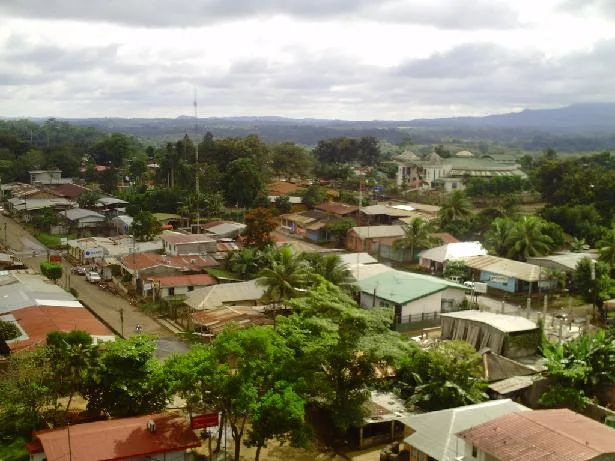
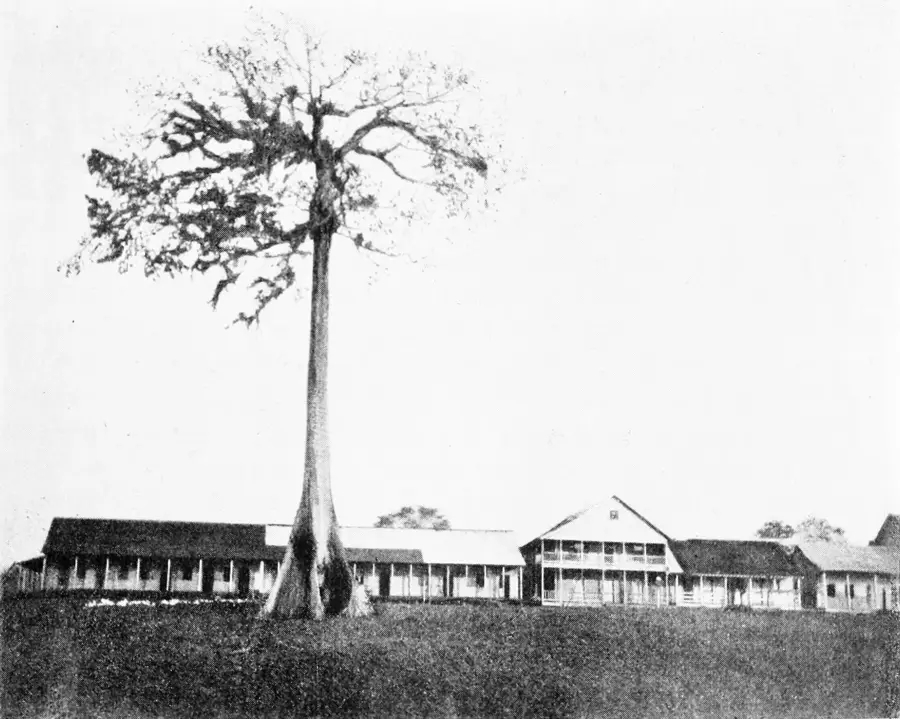
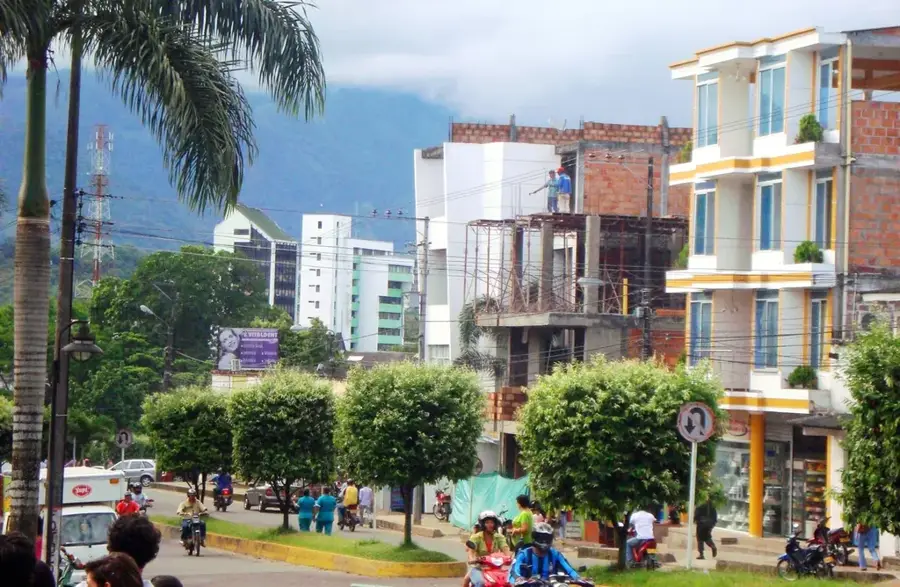
Nueva Guinea is a relatively young city in the South Caribbean Coast Autonomous Region, founded in the 1960s as an agricultural settlement project. Originally known as "Luz en la Selva" (Light in the Jungle), the settlement was populated by farmers from other parts of Nicaragua seeking to cultivate the undeveloped tropical rainforest. Today, Nueva Guinea has evolved into one of the country's most productive agricultural hubs, particularly renowned for cocoa, grains, root vegetables, and intensive livestock farming. The city is characterized by a humid tropical climate, which ensures lush greenery and high rainfall throughout the year. The rapid expansion of the settlement led to Nueva Guinea achieving municipality status as early as 1981, and it now plays a major role in regional supply chains. Despite its location in a high-humidity zone, the city features growing infrastructure and is connected to the rest of the country by modern highways. The city's history is deeply intertwined with the 20th-century migration movements and land development efforts.
- Location: Nicaragua
- Top sights: El Rótulo · Central Monument
- Nearby: El Castillo (10 km)
- Population: ~52.929 (2026)
Best time to visit & climate
The most pleasant time to visit is Jan, Feb, Dec.
| Jan | Feb | Mar | Apr | May | Jun | Jul | Aug | Sep | Oct | Nov | Dec | |
|---|---|---|---|---|---|---|---|---|---|---|---|---|
| Avg °C | 24 | 25 | 26 | 27 | 27 | 26 | 26 | 26 | 25 | 25 | 25 | 24 |
| Rain mm | 38 | 22 | 23 | 47 | 192 | 190 | 162 | 192 | 247 | 310 | 191 | 57 |
Geography
Facts
- Nueva Guinea was officially founded on March 5, 1965.
- The settlement's original name was 'Luz en la Selva'.
- The town was granted municipality status in 1981.
- Nueva Guinea is a top national producer of cocoa and various grains.
- The area experiences some of the highest annual rainfall levels in Nicaragua.
- It is located within the South Caribbean Coast Autonomous Region (RACCS).
Explore nearby
Notable places around

Route planner — Car & Motorhome
Where do you start? We build the route here, with stops and country notes along the way.
© OpenStreetMap contributors · OpenRouteService
Sights in the town Nueva Guinea (2)
Frequently asked questions
What is Nueva Guinea?
Is it touristy?
How is the infrastructure?
How to reach it?
Are there hotels?
Nueva Guinea: where is it located?
Nueva Guinea: what is there to see?
Nueva Guinea: when is the best time to visit?
Nueva Guinea: why is it worth visiting?

Nearby cities

History & landmarks
Nature
More places