Plizio Visual Lab

Bagan Archaeological Zone
Plizio editorial teamData Sources
ruin
—°11
Bagan Archaeological Zone (Myanmar (Burma))

Weather…

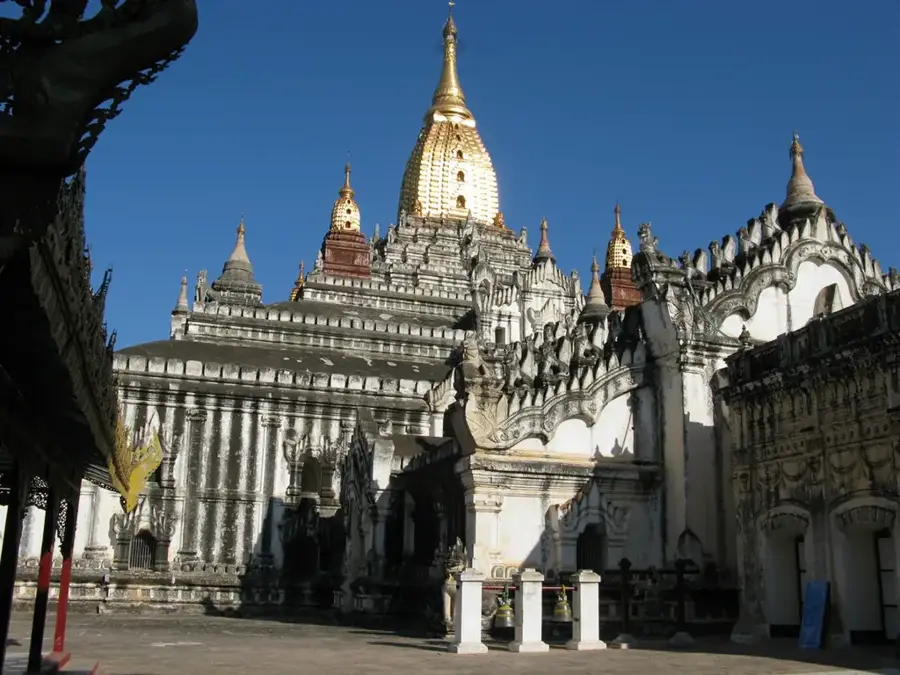
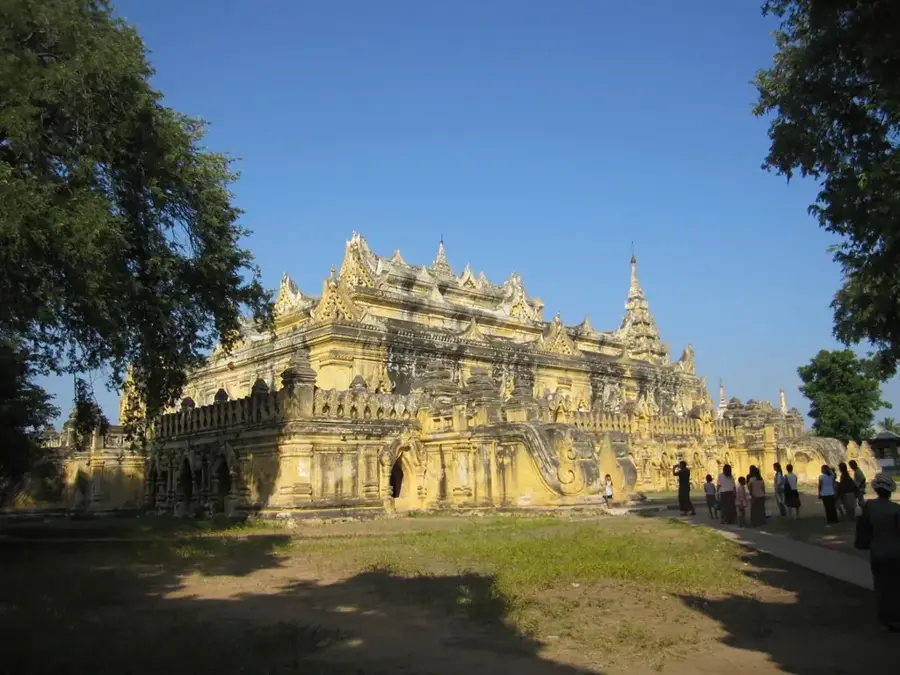
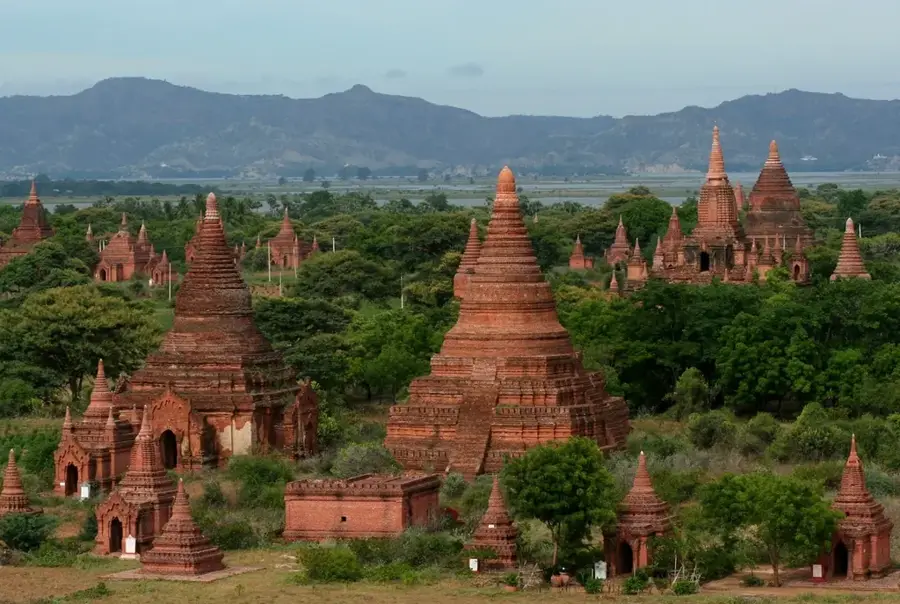
The Bagan Archaeological Zone in the Mandalay Region is one of Asia's most significant historical centers and a UNESCO World Heritage site. Between the 9th and 13th centuries, Bagan served as the capital of the first Burmese kingdom, during which Theravada Buddhism became the state religion. Across an area of about 42 square kilometers on the eastern bank of the Ayeyarwady River lie the remains of over 2,000 temples, pagodas, and monasteries. The architecture showcases the evolution of Burmese building arts, from early Mon influences to the monumental structures of the classical period, such as the Ananda Temple. Bagan was a hub for scholarship and religious studies before declining in importance following the Mongol invasions in the late 13th century. Despite numerous earthquakes, most recently in 2016, many structures have been meticulously restored. Today, the zone stands as an outstanding example of the link between spiritual heritage and landscape beauty.

Best time to visit & climate

The most pleasant time to visit is Jan, Feb, Dec.

JanFebMarAprMayJunJulAugSepOctNovDec
Avg °C222428323230292929282623
Rain mm71916486971645362107

📋 Practical info

🚪
Visiting
Visitors can explore an immense plain dotted with thousands of centuries-old brick temples, stupas, and monasteries. While some interiors feature preserved ancient frescoes, the primary draw is the panoramic exterior landscape of the countless monuments.
🕒
Typical hours
The archaeological zone is accessible from sunrise to sunset, with the most magical views occurring during the golden hours of early morning and late afternoon. Most major pagodas within the zone typically keep their inner sanctums open during daylight hours.
📷
Photography
The area is an absolute paradise for photography, particularly at sunrise when hot air balloons float over the mist-covered temples. Climbing onto the designated viewing mounds provides excellent vantage points for capturing the vastness of the plains.
⏱️
Time needed
Dedicate at least two to three full days to truly appreciate the scale and diversity of the architectural sites without rushing. Exploring the main temples takes a full day, while venturing out to the smaller, quieter ruins requires additional time.
Combine with
A trip here combines beautifully with a visit to traditional lacquerware workshops in nearby New Bagan, where ancient crafting techniques are still practiced. A sunset boat cruise on the adjacent Irrawaddy River is also a highly popular relaxing activity.
🧭
Getting there
The zone is most conveniently explored by renting an e-bike, which allows you to navigate the sandy, unpaved paths at your own pace. The area is well-connected by domestic flights, buses, and trains to major cities like Yangon and Mandalay.
💡
Insider tip
Remember to dress modestly, ensuring shoulders and knees are covered, and be prepared to remove your shoes and socks before entering any temple grounds. Carrying wet wipes to clean your feet after walking on dusty temple floors is extremely helpful.

Geography

Coordinates
21.17170, 94.86240

Facts

  • During its peak, Bagan contained over 10,000 religious structures.
  • The Ananda Temple is widely considered the architectural masterpiece of Bagan.
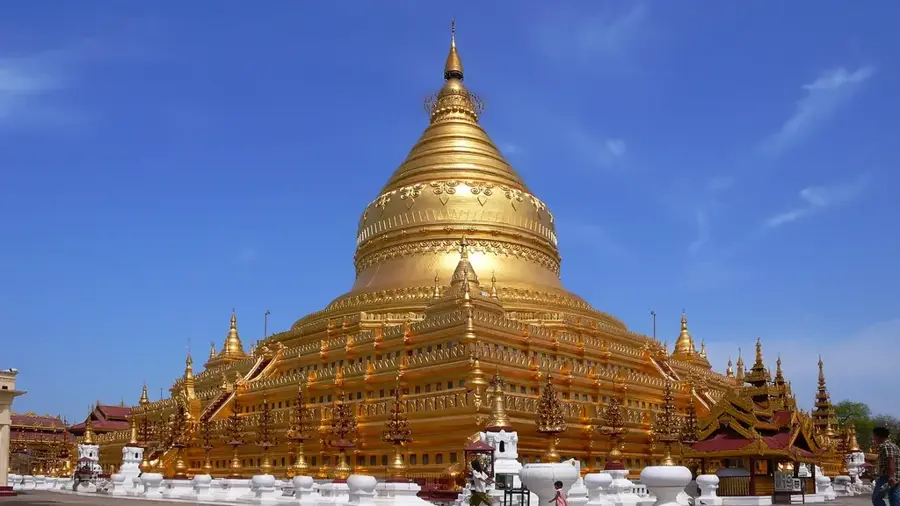
  • The Shwezigon Pagoda served as a prototype for later Burmese-style stupas.
  • Bagan was officially inscribed as a UNESCO World Heritage site in 2019.
  • The zone spans a plain on the eastern bank of the Ayeyarwady River.
  • King Anawrahta unified the empire and established Bagan as a religious hub.

Explore nearby

Notable places around

Route planner — Car & Motorhome

Where do you start? We build the route here, with stops and country notes along the way.

Vehicle
Only stops with (optional):

© OpenStreetMap contributors · OpenRouteService

Sights in the town Bagan Archaeological Zone (11)

Nathlaung Kyaung Temple🏺 historical

The only surviving Hindu temple in Bagan is dedicated to Vishnu and features fine stone carvings.

Tant Kyi Taung Pagoda⛪ religious

This hilltop pagoda features sweeping views across the Irrawaddy River toward ancient Bagan.

Abeyadana Pahto⛪ religious

This 11th-century temple is famous for its well-preserved interior frescoes depicting Mahayana themes.

Mahabodhi Temple⛪ religious

The architecture of this temple is modeled after the famous Mahabodhi Temple in India, featuring a pyramidal tower.

Nanpaya📍 landmark

This early stone temple is noted for its intricate reliefs of the god Brahma on the interior pillars.

Tharaba Gate📍 landmark

Built in 1020, this gate is the last surviving entrance of the ancient city walls of Bagan.

Lawkananda Paya - a big golden stupa📍 landmark

This prominent golden stupa stands on a cliff directly on the banks of the Irrawaddy River.

Bagan Archaeological Museum🏛 museum

The museum displays a major collection of stone inscriptions, terracotta votive tablets, and Buddha images from the Bagan era.

Lacquerware Museum🏛 museum

This specialized museum is dedicated to the centuries-old tradition of Bagan lacquerware and its complex manufacturing processes.

🕒 Mo-Su 09:30-16:00

1445🏺 historical

A numbered ruin of an ancient brick temple within the vast Bagan archaeological zone.

1611🏺 historical

Remains of a historical brick stupa, recorded as object 1611 in the Bagan archaeological register.

Sights nearby

Frequently asked questions

How much time should I spend in Bagan?
At least 3 full days are good to explore the most important temples at a relaxed pace.
When is the best time to visit Bagan?
The best time is between November and February, as the weather is pleasantly cool and dry.
Can you visit the temples by bicycle?
Yes, bicycles and e-bikes are very popular and are the best way to move between the ruins.
Is there a dress code in Bagan?
Yes, shoulders and knees must be covered. Also, wear footwear that is easy to remove.
Is Bagan a family-friendly destination?
Bagan is very educational, but can be exhausting for small children due to heat and uneven paths.
Bagan Archaeological Zone: where is it located?
Bagan Archaeological Zone is located in Myanmar (Burma).
Bagan Archaeological Zone: what is there to see?
Highlights include Nathlaung Kyaung Temple, Tant Kyi Taung Pagoda, Abeyadana Pahto.
Bagan Archaeological Zone: when is the best time to visit?
The most pleasant time to visit is Jan, Feb, Dec.
Bagan Archaeological Zone: why is it worth visiting?

The Bagan Archaeological Zone in the Mandalay Region is one of Asia's most significant historical centers and a UNESCO World Heritage site.
View on map → The Top 50 Attractions → OpenStreetMap →
Asia
Explore with Plizio Discover more places in Asia
More places in Myanmar (Burma) →

Nearby cities

History & landmarks

More places