Plizio Visual Lab
Villahermosa
ℹ️Practical info — Villahermosa
▾
🌤 Weather — 5 days
📍 Nearby
Sights nearby
💡 Tips
- Visit the outdoor Parque Museo La Venta in the early morning to see the Olmec heads before the midday heat and humidity peak.
- Taxis are very affordable, but they generally don't use meters; always agree on the fare before getting in.
- Tabasco is the heart of Mexican cacao culture; take time to explore the local chocolate-making traditions.
- Bring strong insect repellent, especially if you are visiting parks or walking near the lagoons in the evening.
🍽 Food
A prehistoric-looking local freshwater fish roasted over wood; find it at traditional riverside restaurants.
A refreshing, thick drink made from corn and cacao, great for the hot climate. Buy it fresh in the local markets.
High-quality artisanal chocolate, available at dedicated chocolateries in the city center.
🛍 Shopping · 🧘 Quiet spots
A bustling, massive market well-suited for buying local spices, hot sauces, and traditional crafts.
The pedestrian streets in the historic center offer a mix of clothing boutiques and souvenir shops.
A beautifully landscaped park by the Laguna de las Ilusiones, great for a relaxing walk.
A large nature reserve on the city's outskirts offering peaceful trails to observe local flora and fauna.
Water temperature…
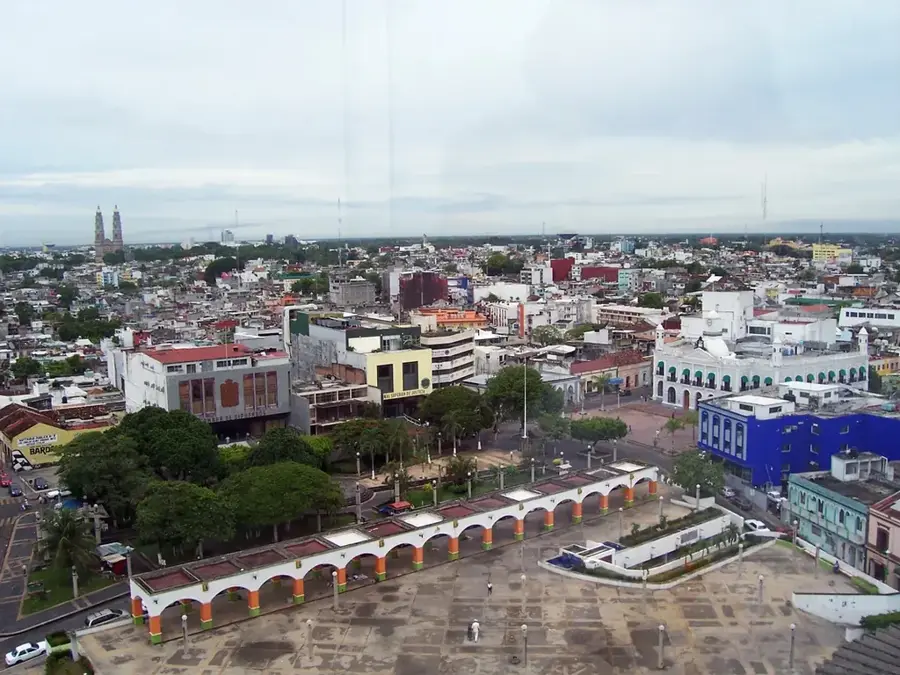
Villahermosa, the bustling capital of Tabasco state, is often called the 'Emerald of the Southeast' due to its lush tropical surroundings and the abundance of water that defines its landscape. Strategically positioned on the banks of the Grijalva River, the city is a vital hub for Mexico's oil industry, blending modern industrial prowess with a deep-seated cultural heritage. Founded in 1564, Villahermosa has grown into a sophisticated metropolis where high-rise buildings and modern shopping centers coexist with verdant parks and lagoons. The city's primary attraction is the Parque-Museo La Venta, an extraordinary open-air museum designed by poet Carlos Pellicer Cámara, which houses monumental basalt heads and altars from the Olmec civilization, the mother culture of Mesoamerica. These artifacts were relocated from their original site to protect them from industrial development, creating a unique sanctuary within the city. The 'Zona Luz' or historic center gives a pedestrian-friendly experience with colorful colonial buildings and museums like the Regional Anthropology Museum 'Carlos Pellicer Cámara,' which is home to one of the nation's finest archaeological collections. Nature is an integral part of Villahermosa, centered around the memorable Laguna de las Ilusiones and the expansive Tomás Garrido Canabal Park. The local economy is bolstered by trade and its role as a regional educational center. Tabasco’s culinary traditions are showcased here, featuring a unique fusion of indigenous and Spanish influences, with a heavy emphasis on chocolate, as the region is a world-renowned producer of cacao. The humid, tropical climate ensures year-round greenery, but visitors should prepare for high temperatures. As a major transportation link, Villahermosa provides the most convenient access to the majestic Maya ruins of Palenque and the vast wetlands of the Centla Biosphere Reserve.
- Location: Mexico
- Top sights: MUSEVI Museo Elevado de Villahermosa · Parque museo La Venta · Casa de la Tierra
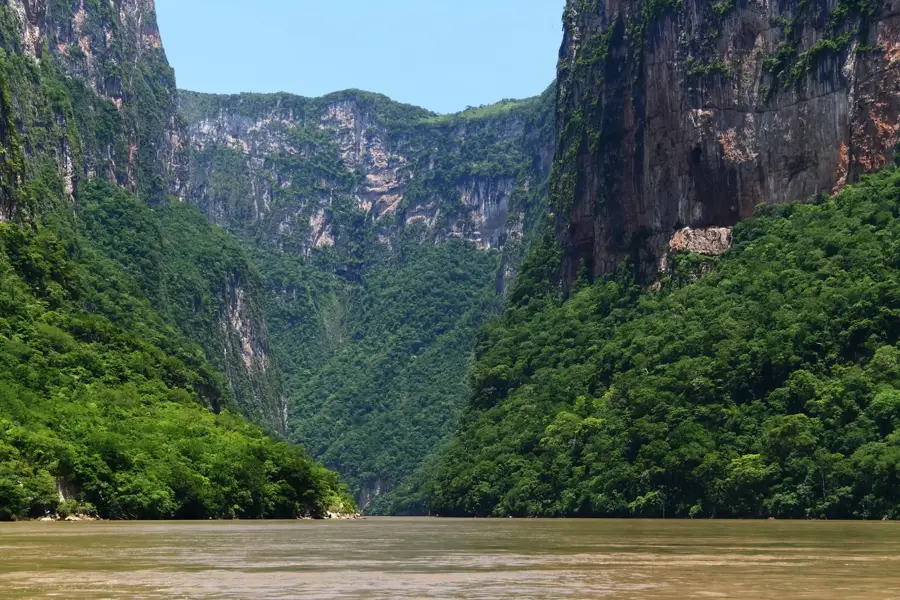
- Nearby: Sumidero Canyon (19 km)
- Population: ~353.577 (2026)
Best time to visit & climate
The most pleasant time to visit is Jan–Mar.
| Jan | Feb | Mar | Apr | May | Jun | Jul | Aug | Sep | Oct | Nov | Dec | |
|---|---|---|---|---|---|---|---|---|---|---|---|---|
| Avg °C | 22 | 23 | 25 | 28 | 30 | 28 | 28 | 27 | 27 | 26 | 24 | 22 |
| Rain mm | 149 | 86 | 60 | 47 | 114 | 233 | 169 | 253 | 338 | 351 | 232 | 140 |
Geography
Facts
- Villahermosa was founded by Spanish explorers in 1564 on the Grijalva River.
- The city is home to the world-renowned La Venta Olmec archaeological site/museum.
- It serves as the main operations base for the Mexican oil industry in the southeast.
- The Carlos Pellicer Cámara Regional Museum of Anthropology is the largest in the region.
- The city's elevation is just 10 meters, making it prone to tropical flooding.
- Villahermosa is a major hub for the 'Ruta del Cacao' (Chocolate Route) tourism.
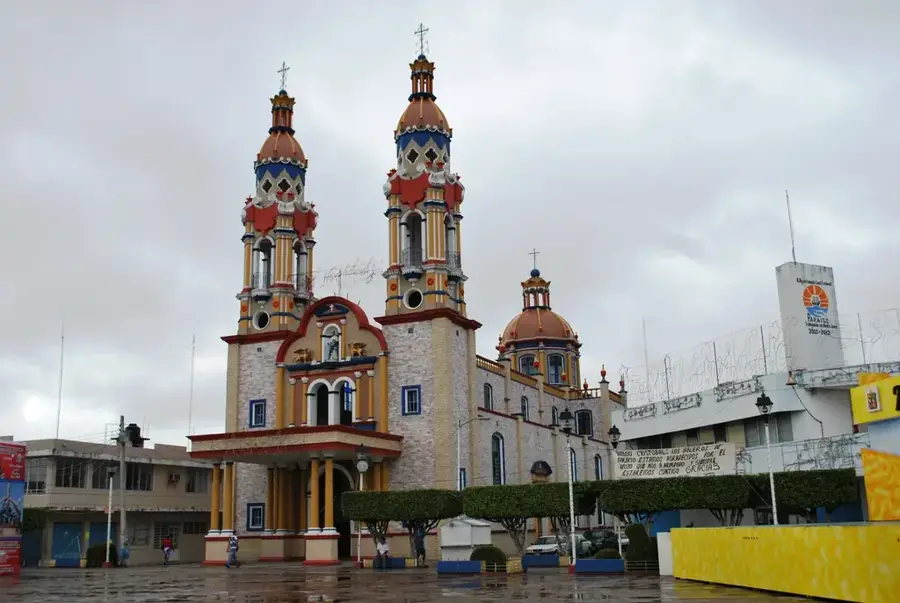
- The Metropolitan Cathedral of the Lord of Tabasco is the city's main religious site.
- Tomas Garrido Canabal Park features a 50-meter observation tower called 'El Mirador'.
Explore nearby
Notable places around
Route planner — Car & Motorhome
Where do you start? We build the route here, with stops and country notes along the way.
© OpenStreetMap contributors · OpenRouteService
Morning: Start your day near the historic core, walking from the iconic three-faced clock to the impressive statues celebrating Mexican roots. The gentle morning light is perfect for admiring these urban monuments. Midday: As the day warms up, head towards the modern and airy MUSEVI to enjoy elevated views of the cityscape and lagoon, taking in contemporary art while enjoying a cool breeze. Afternoon: Dive deep into ancient history by exploring the monumental Olmec heads nestled in the lush tropical setting of Parque museo La Venta. The shaded paths offer a welcome respite from the sun. Evening: Conclude your walking tour by relaxing near the park's exit, reflecting on a journey that connected the city's modern rhythm with its profound prehistoric heritage.
Reloj de las Tres Caras
Cuauhtémoc
Monumento a la Mujer Ceiba
MUSEVI Museo Elevado de Villahermosa
Colossal Head (Monument 1)
Parque museo La Venta
In the morning, we find shelter under the historic center's overhangs to avoid the tropical showers. At noon, the MUSEVI elevated bridge serves as a perfect dry sanctuary with lake views. Afternoon brings a mystical vibe to the Olmec heads in La Venta Park under the rain. The evening concludes in a cozy cafe, listening to the rain drumming on the roofs.
Reloj de las Tres Caras
Cuauhtémoc
Monumento a la Mujer Ceiba
MUSEVI Museo Elevado de Villahermosa
Colossal Head (Monument 1)
Parque museo La Venta
The winter morning in Villahermosa is refreshingly cool, ideal for a long stroll through the center. At noon, the mild sun warms the monuments pleasantly without the scorching heat. Afternoon is perfect for exploring La Venta Park in comfortable temperatures. Since it gets dark by 5 PM, we finish the tour with a warm local drink.
Reloj de las Tres Caras
Cuauhtémoc
Monumento a la Mujer Ceiba
MUSEVI Museo Elevado de Villahermosa
Colossal Head (Monument 1)
Parque museo La Venta
Morning: Pedal off through the quiet streets to the athlete's statue, warming up before cycling over to the historic monument of Sánchez Magallanes. Midday: Continue your ride to the inspiring VAMOS a RODAR landmark, a perfect nod to cycling, before immersing yourself in the ecological exhibits at Casa de la Tierra. Afternoon: Glide towards the intriguing Old Warrior monument, where the ancient past meets your two-wheeled adventure in a serene, leafy environment. Evening: Wind down with a final stretch to the Diana Cazadora roundabout, appreciating the glowing sunset as you safely lock up your bike for a well-deserved rest.
Estatua del atleta
Monumento a Sánchez Magallanes
VAMOS a RODAR / VAR
Casa de la Tierra
The Old Warrior (Monument 4)
Diana Cazadora
In the morning, we pedal carefully on wet asphalt towards the athlete statue. At noon, we seek shelter at Casa de la Tierra, where bikes can be parked safely. Afternoon air is fresh after the rain, but watch out for mud in the turns. The evening ends under the safety of illuminated monuments.
Estatua del atleta
Monumento a Sánchez Magallanes
VAMOS a RODAR / VAR
Casa de la Tierra
The Old Warrior (Monument 4)
Diana Cazadora
Morning is perfect for a refreshing ride without the usual humid heat. At noon, we cycle along the lake where the breeze is pleasantly cool and invigorating. Afternoon visibility is excellent for photographing monuments in the clear winter light. Evening cools down quickly, so plan to finish before dark.
Estatua del atleta
Monumento a Sánchez Magallanes
VAMOS a RODAR / VAR
Casa de la Tierra
The Old Warrior (Monument 4)
Diana Cazadora
Morning: Drive easily to the city's central square to admire the classic Tres Caras clock before taking a short, scenic ride over to the monumental Cuauhtémoc statue. Midday: Navigate smoothly towards the renowned Parque museo La Venta, where parking is convenient and you can comfortably explore the sprawling archaeological park. Afternoon: Take a very short drive to see The Governor monument, a hidden ancient gem, allowing you to quickly appreciate Olmec history without missing a beat. Evening: Finish your driving itinerary at the interactive Papagayo Museum, where ample parking and engaging late-afternoon activities perfectly cap off your day trip.
Reloj de las Tres Caras
Cuauhtémoc
Parque museo La Venta
The Governor (Monument 77)
Museo Interactivo Papagayo
In the morning, we arrive comfortably dry at the clock. At noon, visiting La Venta Park is flexible; we can quickly retreat to the car if the rain turns heavy. Afternoon's highlight is the Papagayo Museum, fully indoor and perfect for storms. The evening features city lights through the rain from the car's warmth.
Reloj de las Tres Caras
Cuauhtémoc
Parque museo La Venta
The Governor (Monument 77)
Museo Interactivo Papagayo
The winter morning starts relaxed with a drive through the clear city air. At noon, the light in La Venta Park is perfect for nature photography, and the drive is pleasant without the heat. Afternoon is for Papagayo Museum as outdoor temperatures dip. We finish the evening with a scenic drive.
Reloj de las Tres Caras
Cuauhtémoc
Parque museo La Venta
The Governor (Monument 77)
Museo Interactivo Papagayo
Sights in the town Villahermosa (7)
Frequently asked questions
What is the highlight in Villahermosa?
How long is a visit enough for?
When is the weather best?
How to get there?
Is there nature nearby?
Villahermosa: where is it located?
Villahermosa: what is there to see?
Villahermosa: when is the best time to visit?
Villahermosa: why is it worth visiting?

Nearby cities
More places