Plizio Visual Lab

Batu Caves
Plizio editorial teamData Sources
historical-site
—°11
Batu Caves (Malaysia)

Weather…

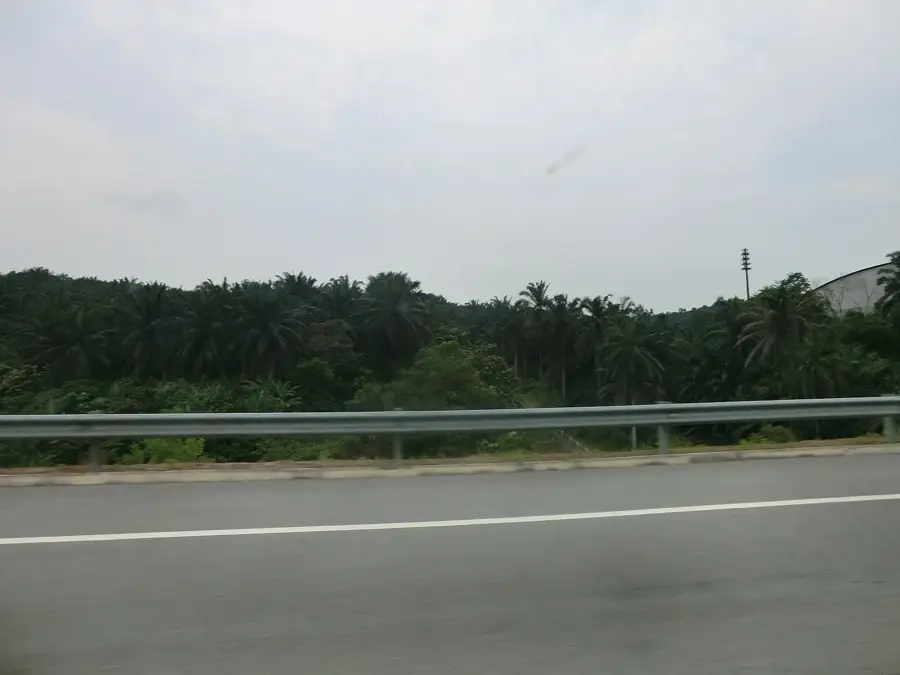
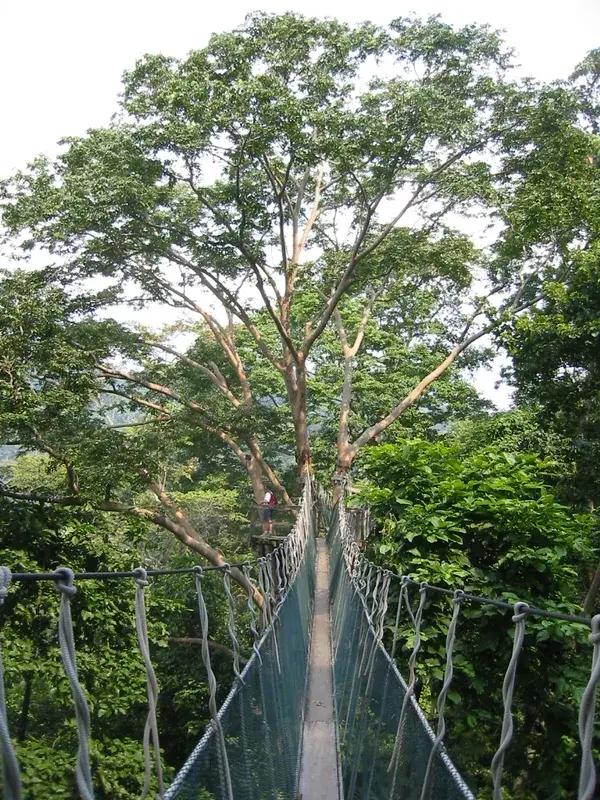
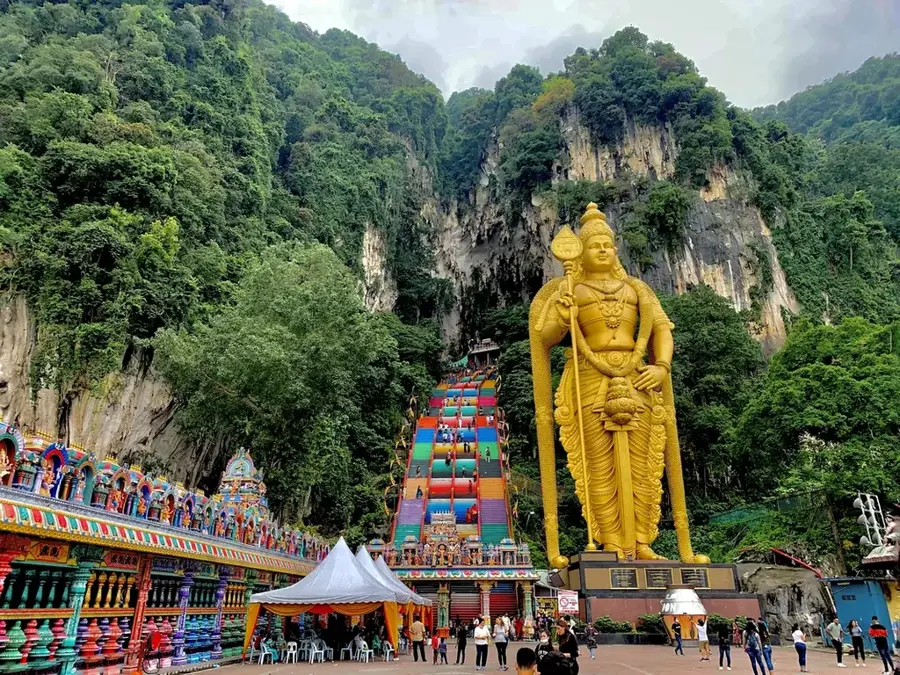
Batu Caves is a remarkable feature of the geography and culture of Malaysia. A limestone hill that has a series of caves and cave temples in Gombak, Selangor. It is one of the most popular Hindu shrines outside India. The shrine is dedicated to Lord Murugan. It hosts the Thaipusam festival, which attracts thousands of devotees. A large statue of Lord Murugan stands at the entrance. This site holds particular significance in the history of Malaysia, from the Malacca Sultanate through British colonial rule to independence in 1957. Like many notable places in Malaysia, it combines regional character with the legacy of the multicultural Malay-Chinese-Indian society and the tropics. Thus, this place contributes to the diverse profile of Malaysia, between Kuala Lumpur, Borneo, palm oil plantations and tropical rainforest.

Best time to visit & climate

The most pleasant time to visit is Feb, Jun, Jul.

JanFebMarAprMayJunJulAugSepOctNovDec
Avg °C272828282928282828282827
Rain mm209160214267190154174180206276324276

📋 Practical info

🚪
Visiting
The Batu Caves are a major Hindu pilgrimage site, open to all visitors daily. You can climb the 272 steps to the main cave temple and explore the various shrine caves.
🕒
Typical hours
The cave temple is typically open from early morning until late evening, especially during festivals. Exact hours vary by season, but most areas are accessible from 7 am to 7 pm.
📷
Photography
Photography is welcome inside the main cave, but be respectful of worshippers and avoid using flash near statues. The golden statue of Lord Murugan at the entrance is a popular photo spot.
⏱️
Time needed
A typical visit takes about two to three hours including the climb and exploring the cave complex. If you want to see the Dark Cave or Ramayana Cave, budget extra time.
Combine with
Combine your trip with a visit to the nearby Temple of Sri Kandaswamy or the Batu Caves trail. The national bat sanctuary and the limestone cliffs also offer hiking opportunities.
🧭
Getting there
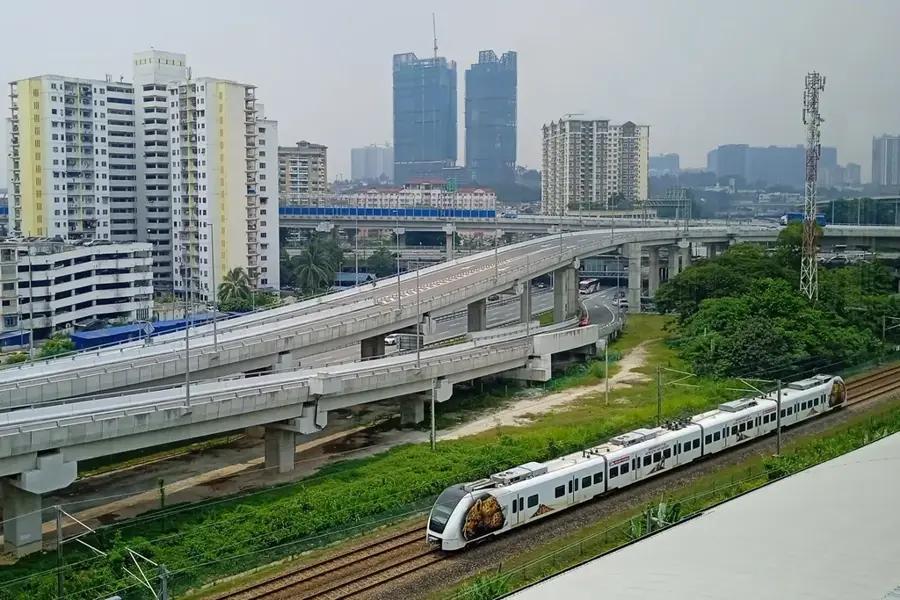
Batu Caves is easily accessible by KTM commuter train from KL Sentral, with a station right at the foot of the caves. Buses from Pudu Sentral also serve the site, and taxis are available.
💡
Insider tip
Visit early in the morning on weekdays to avoid the massive crowds, especially if you are not comfortable with steep stairs. Monkeys are abundant, so secure your belongings.

Geography

Coordinates
3.23790, 101.68410

Facts

  • A limestone hill that has a series of caves and cave temples in Gombak, Selangor. It is one of the most popular Hindu shrines outside India.
  • Located within the Federation of Malaysia.
  • Shaped by the tropical monsoon climate of Southeast Asia.
  • Linked to the heritage of the Malacca Sultanate and the British colonial era.

Explore nearby

Notable places around
Route planner — Car & Motorhome

Where do you start? We build the route here, with stops and country notes along the way.

Vehicle
Only stops with (optional):

© OpenStreetMap contributors · OpenRouteService

Sights in the town Batu Caves (11)

Al-Amaniah Mosque⛪ religious

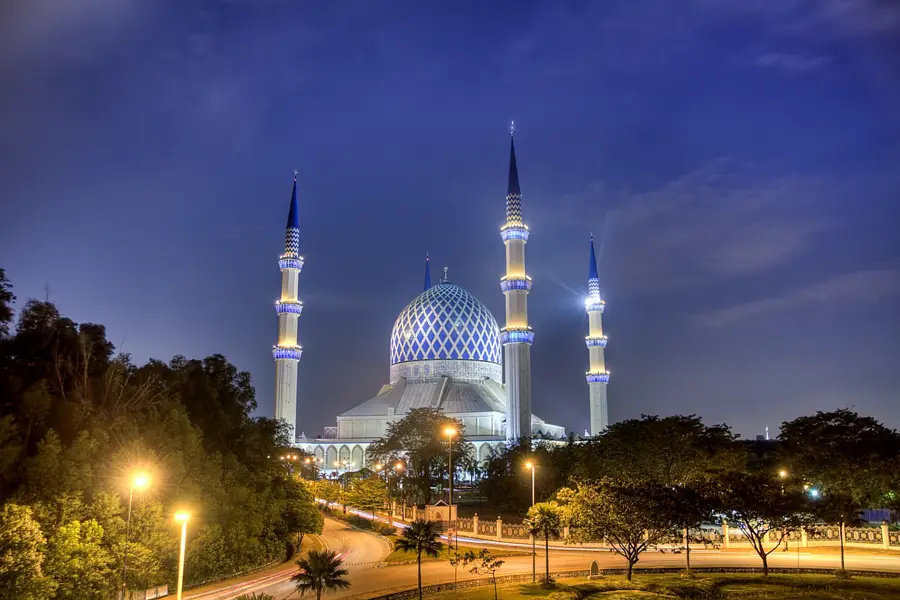
The Masjid Jamek Al-Amaniah is an architecturally distinct Muslim place of worship situated near the famous Batu Caves.

Eagle🏺 historical

This eagle monument in the Batu Caves region serves as a symbol of strength, welcoming arriving visitors.

Lord Murugan Statue🏺 historical

This colossal, gold-painted statue of Lord Murugan at the base of the Batu Caves is the tallest of its kind in the world.

IIUM Keris Monument🏺 historical

The Keris Monument on the International Islamic University campus near Batu Caves honors the traditional Malay dagger as a cultural symbol.

Selangor Culture Cove🎭 culture

The Selangor Culture Cove near the Batu Caves promotes local handicrafts and provides glimpses into Malaysia's diverse art scene.

Madrasah Al-Rahmaniah⛪ religious

Madrasah Al-Rahmaniah serves as an Islamic learning center and local mosque in the neighborhood surrounding the Batu Caves.

Pasar Tani Kekal Selayang🎭 culture

Pasar Tani Kekal Selayang near Batu Caves is a permanent farmers' market offering fresh agricultural produce directly from growers.

Kompleks Muhibbah Selayang🎭 culture

This indoor market complex in Selayang provides a wide range of groceries and everyday goods for residents near the Batu Caves.

Pasar Borong Kuala Lumpur📍 landmark

The wholesale market near Batu Caves is a massive distribution hub that supplies fresh fish and vegetables to the entire city starting at midnight.

🕒 03:00-09:00

Al Firdaus Mosque📍 landmark

The Al Firdaus Mosque is an Islamic house of prayer serving the local Muslim community near the Batu Caves for spiritual reflection.

Surau Al-Furqan📍 landmark

This local surau provides the neighborhood around the Batu Caves with a quiet Islamic prayer space for daily observances.

Sights nearby

Frequently asked questions

When are the Batu Caves open?
They are usually accessible daily from 7 am to 9 pm.
How many steps are there?
The ascent is via 272 colorful steps.
What to consider regarding clothing?
Shoulders and knees must be covered; sarongs can be rented.
How long does a visit take?
One should plan for about 2 to 3 hours.
Are the caves suitable for children?
Yes, but the steep steps and monkeys require caution.
Batu Caves: where is it located?
Batu Caves is located in Malaysia.
Batu Caves: what is there to see?
Highlights include Al-Amaniah Mosque, Eagle, Lord Murugan Statue.
Batu Caves: when is the best time to visit?
The most pleasant time to visit is Feb, Jun, Jul.
Batu Caves: why is it worth visiting?
Batu Caves is a remarkable feature of the geography and culture of Malaysia.
View on map → The Top 50 Attractions → OpenStreetMap →
Asia
Explore with Plizio Discover more places in Asia
More places in Malaysia →

Nearby cities

More places