Plizio Visual Lab
Tibesti Foothills
Weather…
Water temperature…
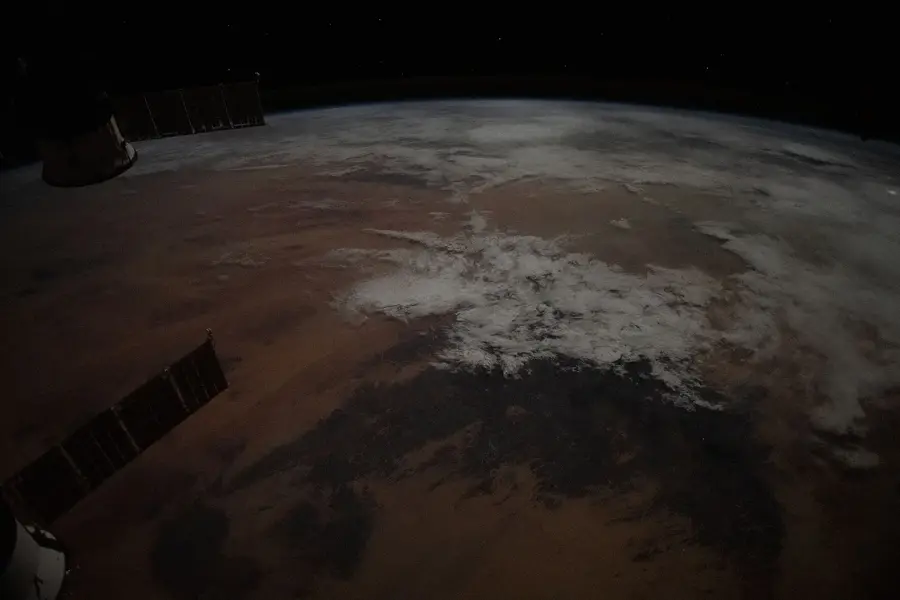
The Tibesti foothills in the far south of Libya form the northern edge of the massive Tibesti Mountains, which are mostly located in Chad. This region is characterized by dramatic volcanic formations, solidified lava flows, and steep basalt cliffs rising from the desert sand. Located in this area is Bikku Bitti, the highest point in Libya at 2,267 meters. The landscape is extremely rugged and difficult to access, making it one of the most pristine areas of the Sahara. Geologically, the foothills are witnesses to a time of intense tectonic activity, with volcanic vents and calderas dominating the scenery. In protected valleys and canyons, rock paintings are often found, pointing to a long settlement history by ancestors of today's Tubu nomads. Ecological conditions are extreme, yet after rare rains, gueltas (natural rock pools) fill with water and provide habitat for specialized desert fauna such as gazelles and Barbary sheep. For geoscientists, the region gives valuable data on crustal formation and the volcanic history of the African continent.
Best time to visit & climate
The most pleasant time to visit is Mar, Oct, Nov.
| Jan | Feb | Mar | Apr | May | Jun | Jul | Aug | Sep | Oct | Nov | Dec | |
|---|---|---|---|---|---|---|---|---|---|---|---|---|
| Avg °C | 12 | 15 | 20 | 25 | 29 | 32 | 31 | 31 | 30 | 25 | 19 | 14 |
| Rain mm | 1 | 1 | 0 | 0 | 1 | 1 | 0 | 2 | 0 | 1 | 0 | 1 |
📋 Practical info
Geography
Facts
- Bikku Bitti is the highest mountain in Libya at 2,267 meters.
- The rock is predominantly of volcanic origin (basalt and trachyte).
- The region is traditionally inhabited by the Tubu nomads.
- There are numerous undiscovered rock art sites in the canyons.
- The climate is hyper-arid with less than 20 mm of rainfall per year.
- Wadi Wour is one of the main drainage systems of the northern foothills.
Route planner — Car & Motorhome
Where do you start? We build the route here, with stops and country notes along the way.
© OpenStreetMap contributors · OpenRouteService
Sights nearby
Frequently asked questions
Are the Tibesti foothills of volcanic origin?
How is the security situation for visitors?
Which nomadic tribes live here?
How do you reach the foothills?
What is a must-pack for the trip?
Tibesti Foothills: where is it located?
Tibesti Foothills: when is the best time to visit?
Tibesti Foothills: why is it worth visiting?
