Plizio Visual Lab
Yakushima Forest
Weather…
Water temperature…
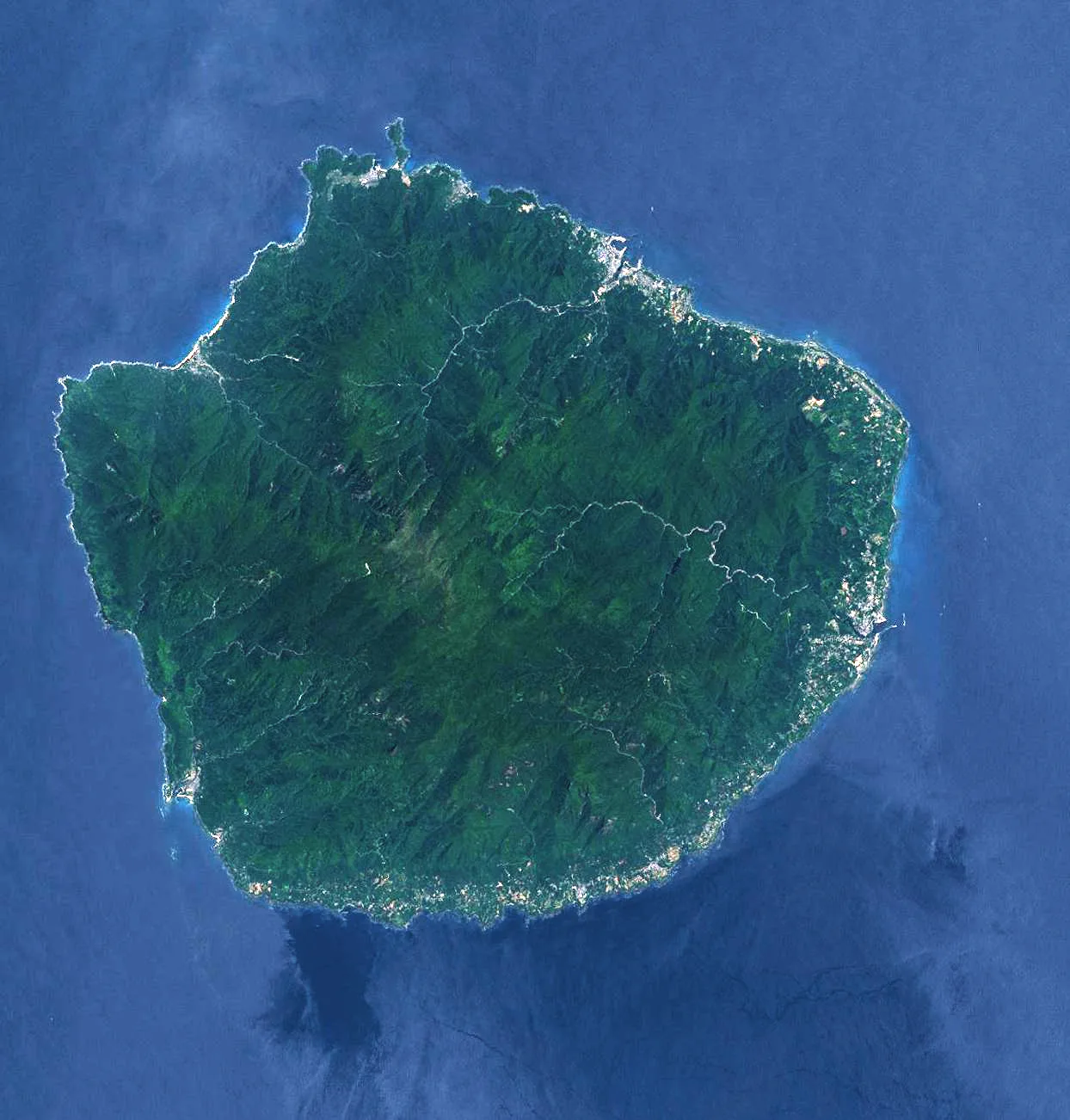
The Yakushima Forest, located on the island of Yakushima in Kagoshima Prefecture, is a primeval temperate rainforest recognized as a UNESCO World Heritage site since 1993. The island's subtropical climate and exceptionally high rainfall create a lush environment where ancient Japanese cedars, known as Yaku Sugi, thrive for thousands of years. The most legendary of these trees is the Jomon Sugi, estimated to be between 2,170 and 7,200 years old, standing as one of the oldest living organisms on Earth. The forest's ethereal, moss-covered landscapes famously inspired the visual direction of Studio Ghibli's masterpiece 'Princess Mononoke.' Yakushima is also home to endemic wildlife, such as the Yakushima macaque and the Yaku sika deer, which roam freely within the protected zones. The island's dramatic topography features mountains rising nearly 2,000 meters above sea level, resulting in distinct vertical climate zones ranging from subtropical to subalpine. Hiking trails through the forest often follow old logging railway tracks, leading visitors deep into the heart of the wilderness while minimizing human impact on the terrain. It remains a global benchmark for forest conservation and the study of ancient ecosystems.
- Location: Japan
- Top sights: Mt. Taiko · Mt. Kuniwari · Yoggo Valley
- Nearby: Yakushima (17 km)
Best time to visit & climate
The most pleasant time to visit is Apr, Nov, Dec.
| Jan | Feb | Mar | Apr | May | Jun | Jul | Aug | Sep | Oct | Nov | Dec | |
|---|---|---|---|---|---|---|---|---|---|---|---|---|
| Avg °C | 14 | 15 | 16 | 19 | 22 | 25 | 28 | 29 | 27 | 24 | 20 | 16 |
| Rain mm | 137 | 160 | 196 | 220 | 277 | 588 | 352 | 219 | 310 | 201 | 170 | 152 |
📋 Practical info
Geography
Facts
- Yakushima was designated a UNESCO World Heritage site in 1993.
- The Jomon Sugi cedar was discovered by officials in 1966.
- The island receives more rainfall than almost any other place in Japan.
- The Yaku sika deer is a smaller subspecies found only on this island.
- Cedars younger than 1,000 years are called 'Ko-sugi' instead of 'Yaku-sugi'.
- The island’s ecosystem spans from sea level to nearly 2,000 meters in altitude.
Explore nearby
Notable places around
Route planner — Car & Motorhome
Where do you start? We build the route here, with stops and country notes along the way.
© OpenStreetMap contributors · OpenRouteService
Sights in the town Yakushima Forest (7)
Sights nearby
Frequently asked questions
Why is the forest of Yakushima famous?
How old is the oldest cedar?
Does it rain often there?
How long is the hike to Jomon Sugi?
Are there wild animals in the forest?
Yakushima Forest: where is it located?
Yakushima Forest: what is there to see?
Yakushima Forest: when is the best time to visit?
Yakushima Forest: why is it worth visiting?

Nearby cities