Plizio Visual Lab
Palu
ℹ️Practical info — Palu
▾
🌤 Weather — 5 days
📍 Nearby
Sights nearby
💡 Tips
- Use ride-hailing apps like Grab or Gojek for easy transport.
- The climate is very hot and humid; plan outdoor activities for early morning or late afternoon.
- Be respectful of the coastal areas, which are still recovering from the 2018 tsunami.
- Enjoy the spectacular sunset views over Palu Bay from the coastline.
🍽 Food
Spicy cow's trotter soup, a local specialty found in traditional warungs.
Smoked fish or chicken cooked in spicy coconut milk, typically served in local eateries.
Crispy fried shallots; a famous Palu condiment you can find in markets to sprinkle on meals.
🛍 Shopping · 🧘 Quiet spots
Traditional market first-rate for buying local spices and Bawang Goreng (fried shallots).
The main modern shopping center for clothes, electronics, and air-conditioned comfort.
The central beach area, good for an evening walk while reflecting on the city's resilience.
The Peace Monument on a hill offering panoramic views of the bay and city.
Water temperature…
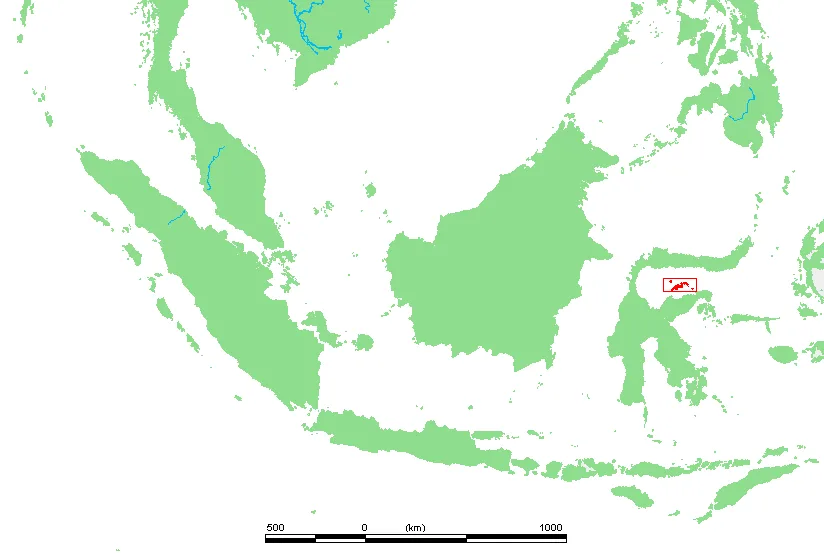
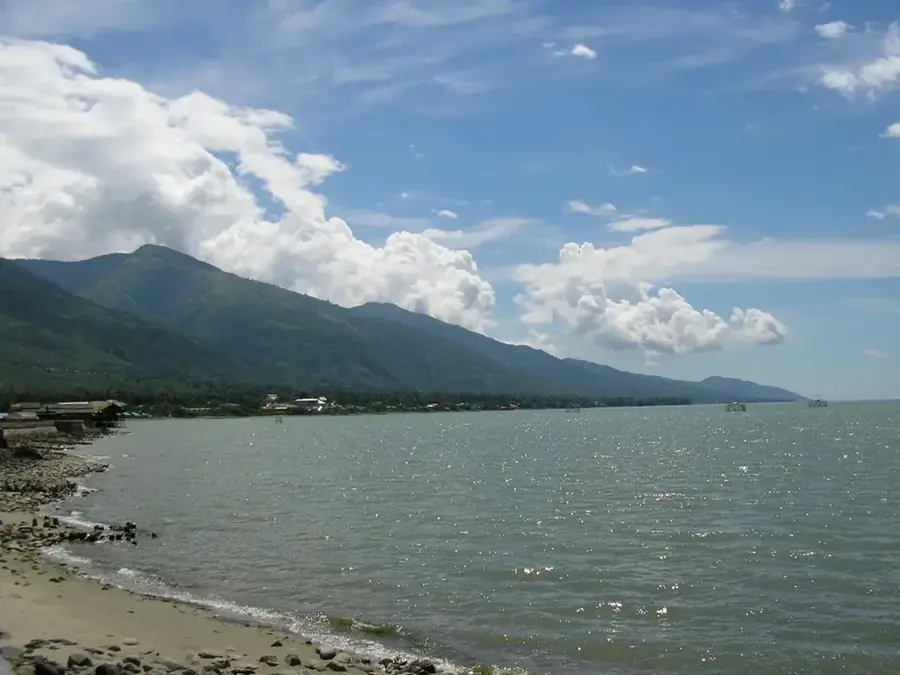
Palu, the capital city of Central Sulawesi, is uniquely positioned at the head of a 10-kilometer-long bay, flanked by towering mountain ranges that reach heights of nearly 2,500 meters. This unique topography results in a rain shadow effect, making Palu one of the driest places in Indonesia, a stark contrast to the country's typical tropical rainforest climate. The city is the cultural home of the Kaili people, who have inhabited the Palu Valley for generations, maintaining distinct linguistic dialects and traditional customs. On September 28, 2018, Palu was struck by a powerful 7.5 magnitude earthquake and a subsequent tsunami, an event that reshaped the city's coastline and led to catastrophic soil liquefaction in areas like Balaroa and Petobo. The disaster destroyed the iconic Palu IV Yellow Bridge, once a landmark of regional pride. Today, Palu is in the midst of a sophisticated recovery effort, focused on building disaster-resilient infrastructure and relocating vulnerable communities. Economically, the city thrives as a logistical gateway for the eastern Indonesian region, supported by the deep-sea port of Pantoloan. It is also an agricultural hub, famous for its high-quality fried shallots (Bawang Goreng) and as a departure point for explorers visiting the Lore Lindu National Park, a UNESCO Biosphere Reserve. The city's social fabric is a mosaic of ethnic groups, including Kaili, Bugis, and Javanese, contributing to a diverse culinary and cultural landscape. Educational institutions like Tadulako University play a crucial role in the city's intellectual life, driving research into geological safety and environmental sustainability. As Palu rebuilds, it remains a city of dramatic contrasts, where the calm waters of the bay meet the rugged mountains, and ancient traditions blend with a modern commitment to survival and growth.
- Location: Indonesia
- Top sights: Gereja Santa Maria, Palu · Gereja Santo Paulus, Palu · Museum Senjata Tradisional Guma
- Population: ~389.959 (2026)
Best time to visit & climate
The most pleasant time to visit is Jan, Aug, Sep.
| Jan | Feb | Mar | Apr | May | Jun | Jul | Aug | Sep | Oct | Nov | Dec | |
|---|---|---|---|---|---|---|---|---|---|---|---|---|
| Avg °C | 23 | 23 | 23 | 23 | 24 | 23 | 23 | 23 | 23 | 24 | 23 | 23 |
| Rain mm | 118 | 117 | 156 | 187 | 182 | 216 | 148 | 108 | 103 | 130 | 135 | 134 |
Geography
Facts
- Palu is situated directly on the Palu-Koro fault, which moves at about 30-40 mm per year.
- The city's bay is extremely deep, reaching depths of over 500 meters.
- The 2018 disaster was the first time soil liquefaction was recorded on such a massive urban scale.
- Palu is a major center for the production of high-quality ebony wood crafts.
- The city hosts the annual Nomoni Festival to celebrate Kaili culture.
- Mutiara SIS Al-Jufrie Airport was significantly damaged but quickly repaired after the 2018 quake.
- The city's population grew by over 20% in the decade leading up to 2020.
- Surrounding the city are several 'Gongs of Peace' installed to promote communal harmony.
Route planner — Car & Motorhome
Where do you start? We build the route here, with stops and country notes along the way.
© OpenStreetMap contributors · OpenRouteService
Start your morning delving into the rich martial history at the Guma Traditional Weapon Museum. Midday is perfect for exploring the nearby Gereja Santo Paulus and the fascinating provincial museum, absorbing the cultural depth of Central Sulawesi. By afternoon, transition into the lively atmosphere of Pasar Inpres Manonda for some authentic market vibes. Your walk concludes smoothly as evening approaches near the historic Christ Church.
Guma Traditional Weapons Museum
St. Paul's Church Palu
Central Sulawesi State Museum
Pasar Inpres Manonda Market
Christ Church
Start your morning sheltered in Palu's museums as the rain drums on the roof. At noon, the covered market alleys provide a dry escape from the tropical downpours. In the afternoon, walk carefully between the churches, as the paths can become quite slippery. End your day cozily indoors, watching the city lights sparkle on the wet pavement.
Guma Traditional Weapons Museum
St. Paul's Church Palu
Central Sulawesi State Museum
Pasar Inpres Manonda Market
Christ Church
Take advantage of the cooler morning for museum visits in layers. At noon, the sun warms the sidewalks pleasantly. Since it gets dark around 17:00, visit the markets early. In the evening, heated indoor spaces are inviting as the tropical air cools significantly after sunset.
Guma Traditional Weapons Museum
St. Paul's Church Palu
Central Sulawesi State Museum
Pasar Inpres Manonda Market
Christ Church
Pedal out early to the historic Kantor building to witness Palu's colonial traces. As midday rolls in, you'll glide over to the provincial museum and the vibrant alleys of Pasar Inpres Manonda. In the afternoon, cycle southeast to observe the daily activities around Gereja Santo Paulus and Pasar Masomba. The ride gently ends in the evening with the serene atmosphere of Masjid Ainun Jaariyah.
Historic Office (Kantor)
Christ Church
Central Sulawesi State Museum
Pasar Inpres Manonda Market
St. Paul's Church Palu
Pasar Masomba Market
Ainun Jaariyah Mosque
Cycle carefully on the wet streets and use museums as rest stops. At noon, covered markets provide space for a dry break. In the afternoon, watch out for aquaplaning and reduce your speed. Finish the tour early, as visibility is severely limited during heavy rain.
Historic Office (Kantor)
Christ Church
Central Sulawesi State Museum
Pasar Inpres Manonda Market
St. Paul's Church Palu
Pasar Masomba Market
Ainun Jaariyah Mosque
Start the bike tour in the cooler morning with a windproof vest. At noon, the sun's warmth is ideal for riding between sights. Due to the 17:00 sunset, make sure you have lights on your bike. End the day in a warm mosque or church before the evening chill sets in.
Historic Office (Kantor)
Christ Church
Central Sulawesi State Museum
Pasar Inpres Manonda Market
St. Paul's Church Palu
Pasar Masomba Market
Ainun Jaariyah Mosque
Drive out to the imposing Tugu Perdamaian in the morning for spectacular panoramic sights of Palu. Spend midday navigating through the local flavors at Pasar Lasoani and visiting charming suburban mosques and churches. Your afternoon drive takes you further south to the bustling regional hubs of Pasar Petobo. Complete this comprehensive tour by evening at the vibrant Ranggulalo Biromaru market.
Peace Monument (Tugu Perdamaian)
Pasar Lasoani Market
Nurul Muqarrabin Mosque
St. Mary's Church Palu
Pasar Petobo Market
Pasar Ranggulalo Market
Enjoy the comfort of the car during tropical rain. At noon, park close to the market entrances to stay dry. In the afternoon, watch out for poor visibility due to fogged windows and use the climate control. End the day with a relaxing drive through rainy but atmospherically lit Palu.
Peace Monument (Tugu Perdamaian)
Pasar Lasoani Market
Nurul Muqarrabin Mosque
St. Mary's Church Palu
Pasar Petobo Market
Pasar Ranggulalo Market
Use the car for trips in the cool morning with the heater on. At noon, the sun warms the interior pleasantly. Since it gets dark at 17:00, visit the markets in time. End the day comfortably in the vehicle as the tropical evening chill noticeably moves into the city after sunset.
Peace Monument (Tugu Perdamaian)
Pasar Lasoani Market
Nurul Muqarrabin Mosque
St. Mary's Church Palu
Pasar Petobo Market
Pasar Ranggulalo Market
Sights in the town Palu (13)
Frequently asked questions
How is the geography of Palu?
What is a local specialty?
Are there beaches nearby?
Is the climate very dry?
How to reach Palu?
Palu: where is it located?
Palu: what is there to see?
Palu: when is the best time to visit?
Palu: why is it worth visiting?