Plizio Visual Lab

Cul-de-Sac Plain
Plizio editorial teamData Sources
Relief
—°2
Cul-de-Sac Plain (Haiti)

Weather…

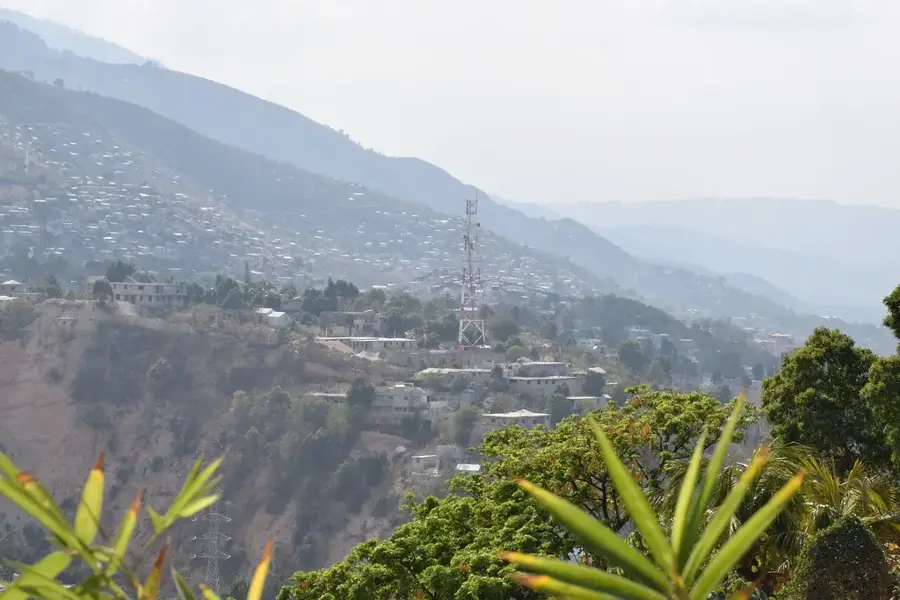
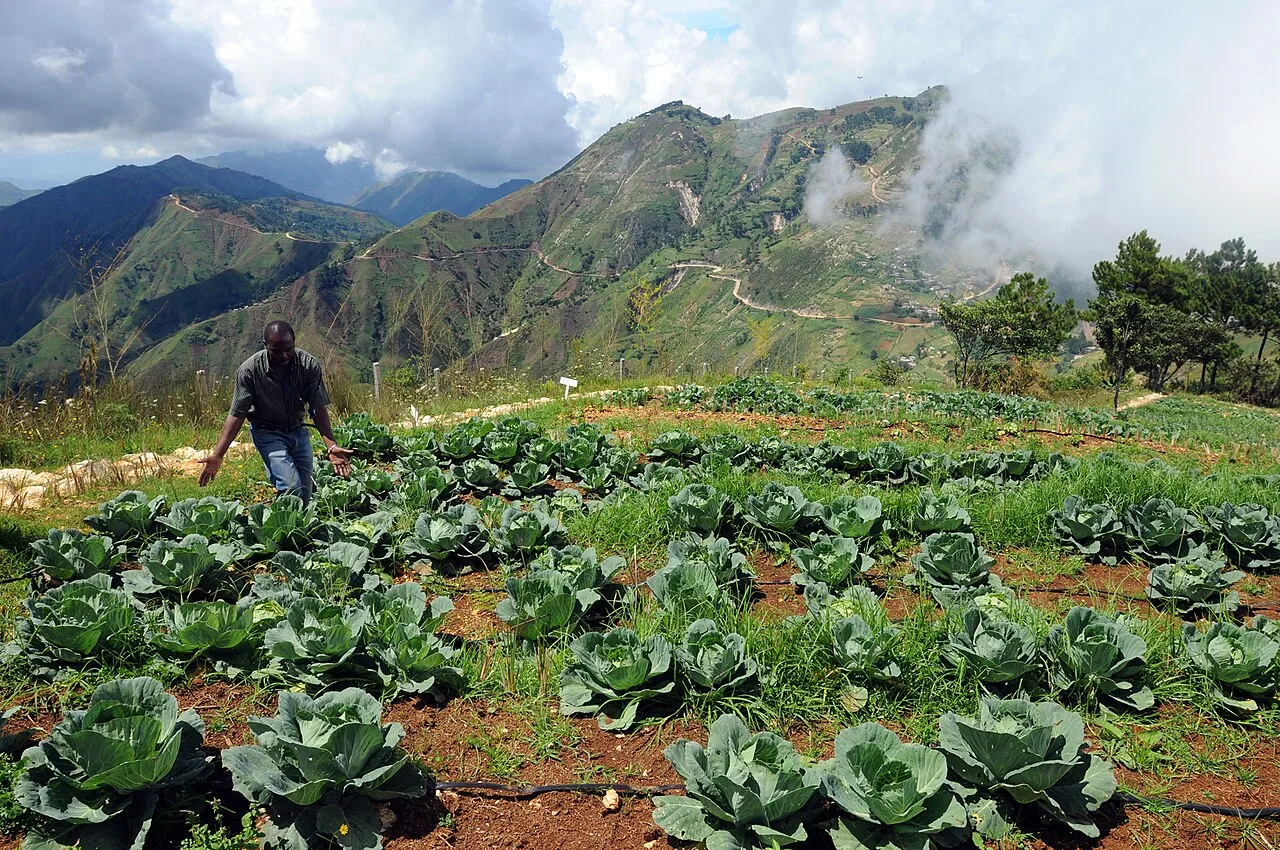
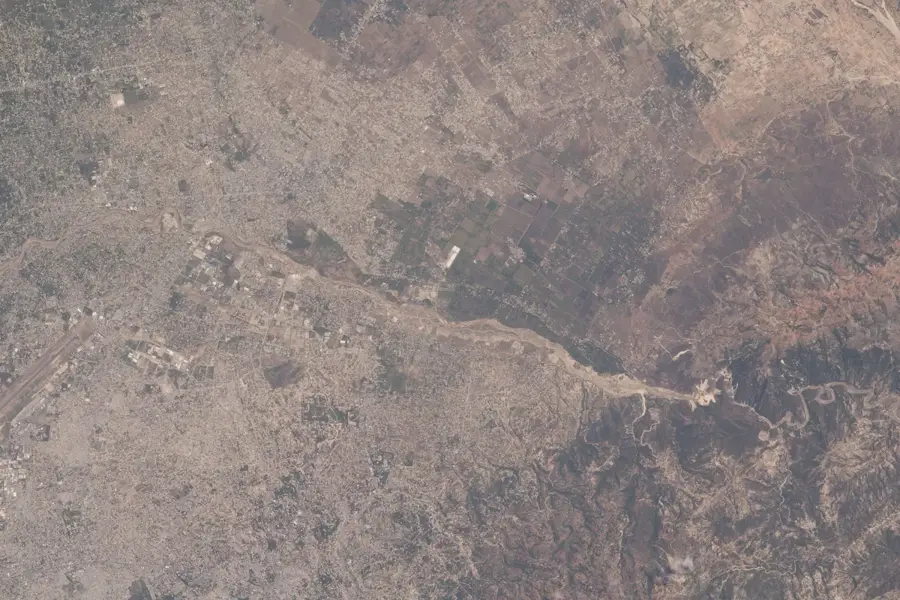
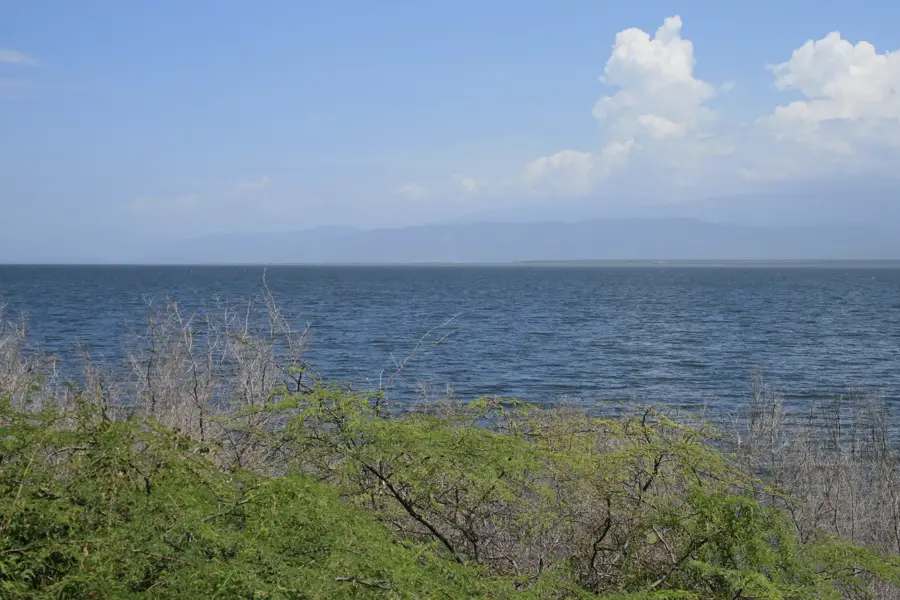
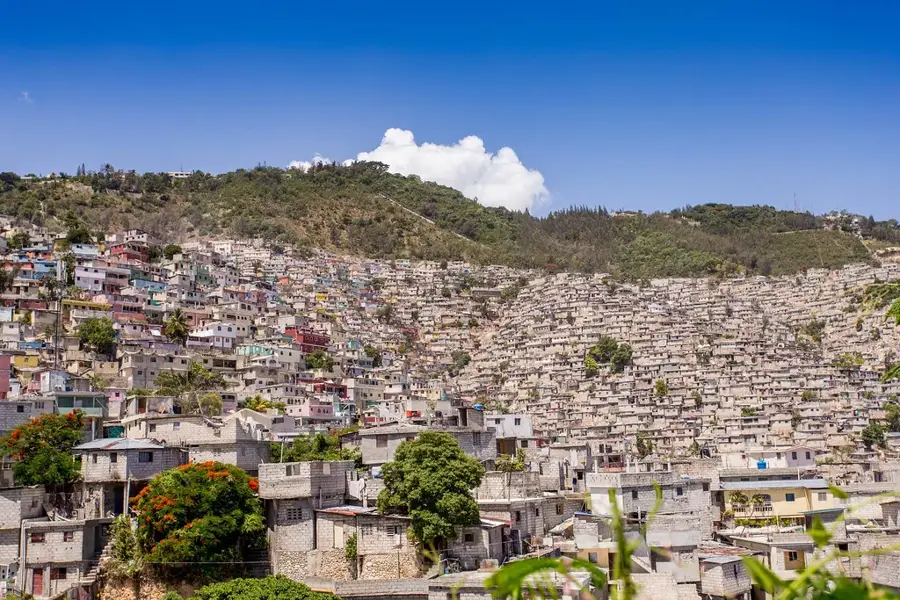
The Plaine du Cul-de-Sac is a prominent tectonic depression extending from the Gulf of Gonâve in the west to the Dominican Republic border in the east. In prehistoric times, this geological formation was a marine strait that divided the island of Hispaniola into two separate landmasses. Today, the plain is characterized by fertile alluvial soils, which were historically dominated by vast sugarcane plantations. It is bordered by the Massif de la Selle to the south and the Chaîne des Matheux to the north. Due to its flat topography and proximity to the capital, Port-au-Prince, it serves as the economic heart of Haiti, while also hosting ecologically sensitive areas like the brackish lakes of Trou Caïman and Lac Azuéi. Geologically, it is part of the Enriquillo-Plantain Garden fault zone, making the region highly susceptible to seismic activity. The plain also plays a critical role in the metropolitan area's water supply through its extensive underground aquifers.

Best time to visit & climate

The most pleasant time to visit is Jan, Feb, Dec.

JanFebMarAprMayJunJulAugSepOctNovDec
Avg °C232425262626272727262524
Rain mm191726406441386645766229

📋 Practical info

🧭
Getting there
This prominent low-lying plain is typically efficiently accessed simply by heading directly east from the dense Port-au-Prince metropolitan area, purposefully following the primary major routes that stretch purposefully towards the active Dominican Republic border crossing.
📅
Best season
The overall operational period clearly running from December through to April generally reliably provides the most reliably stable weather, actively avoiding the intense peak hurricane season and the very heavy, intense daily thunderstorms typical of the humid tropical summer.
⛰️
Terrain & paths
The broader natural environment prominently consists of entirely flat, sometimes heavily arid lowlands that visually transition quite dramatically into productive agricultural zones and bustling local settlements, broadly featuring a standard mix of paved highways and rougher local tracks.
🎒
What to bring
Standard breathable tropical travel wear is usually entirely sufficient for most daily activities, with a very strong, unyielding emphasis on comprehensive sun protection and constant hydration, as the low-lying plain can easily experience extremely high daytime temperatures.
🅿️
Parking
In the much more densely populated commercial areas, standard edge street parking is definitively the norm, whereas out in the distinctly more rural stretches heading steadily toward the national border, carefully pulling completely and safely off the main thoroughfare is usually absolutely required.
⚠️
Safety
Regional vehicular traffic can be exceptionally chaotic and unpredictable near the sprawling capital, and all international travelers should definitively stay well informed about the highly current security situation and the specific border crossing conditions before venturing far east.
⏱️
Time needed
Most transient travelers usually experience this specific geographic plain primarily as part of a longer transit route, typically spending roughly an hour or two briskly driving across it, though stopping to properly explore specific local sites can certainly take a solid half-day.

Geography

Coordinates
18.60000, -72.20000

Facts

  • The plain extends for a length of approximately 32 kilometers.
  • Lac Azuéi at the eastern end is Haiti's largest lake, covering 170 km².
  • The average elevation of the plain is only 30 to 50 meters above sea level.
  • Historically, the plain was the epicenter of French colonial sugar production.
  • The region features a semi-arid climate with distinct cacti vegetation.
  • The Toussaint Louverture International Airport is located within this plain.

Explore nearby

Notable places around
Route planner — Car & Motorhome

Where do you start? We build the route here, with stops and country notes along the way.

Vehicle
Only stops with (optional):

© OpenStreetMap contributors · OpenRouteService

Sights in the town Cul-de-Sac Plain (2)

Dieuron📍 landmark

Dieuron is a location in Haiti, a landmark in the Cul-de-Sac Plain.

Dessources📍 landmark

Dessources is a location in Haiti, another landmark in the Cul-de-Sac Plain.

Sights nearby

Frequently asked questions

What is the Plaine du Cul-de-Sac?
It is a fertile lowland plain stretching from Port-au-Prince to the border.
Why is the plain agriculturally important?
It is the primary cultivation area for sugarcane and vegetables in this region.
What is the geology of the plain?
The plain lies in a rift valley and is surrounded by mountains.
Are there lakes there?
Yes, Trou Caïman and Etang Saumâtre are located in this plain.
Is the plain easy to travel through?
National Road 8 runs through it, connecting Haiti to the Dominican Republic.
Cul-de-Sac Plain: where is it located?
Cul-de-Sac Plain is located in Haiti.
Cul-de-Sac Plain: what is there to see?
Highlights include Dieuron, Dessources.
Cul-de-Sac Plain: when is the best time to visit?
The most pleasant time to visit is Jan, Feb, Dec.
Cul-de-Sac Plain: why is it worth visiting?

The Plaine du Cul-de-Sac is a prominent tectonic depression extending from the Gulf of Gonâve in the west to the Dominican Republic border in the east.
View on map → The Top 50 Attractions → OpenStreetMap →
North America
Explore with Plizio Discover more places in North America
More places in Haiti →

More places