Plizio Visual Lab
Saint-Michel Ruins
Weather…
Water temperature…
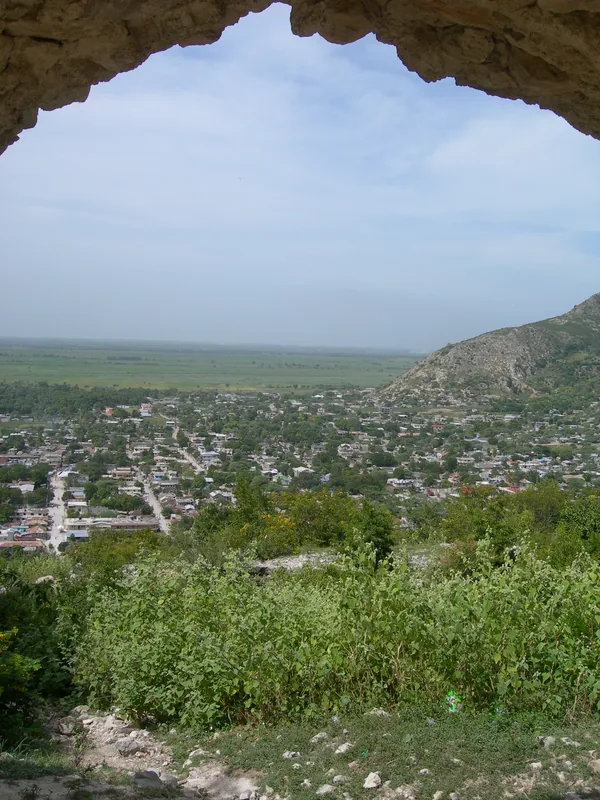
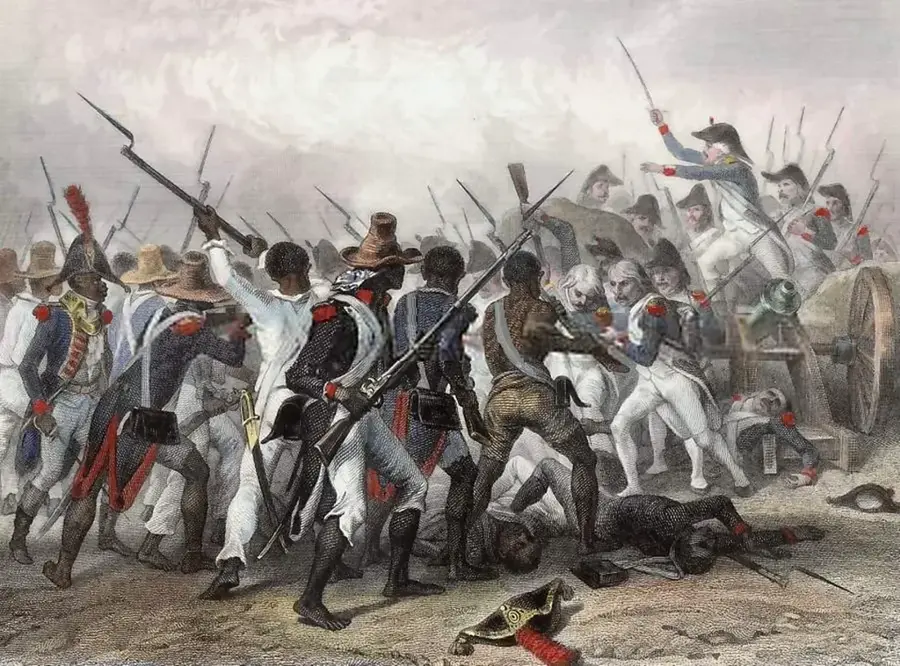
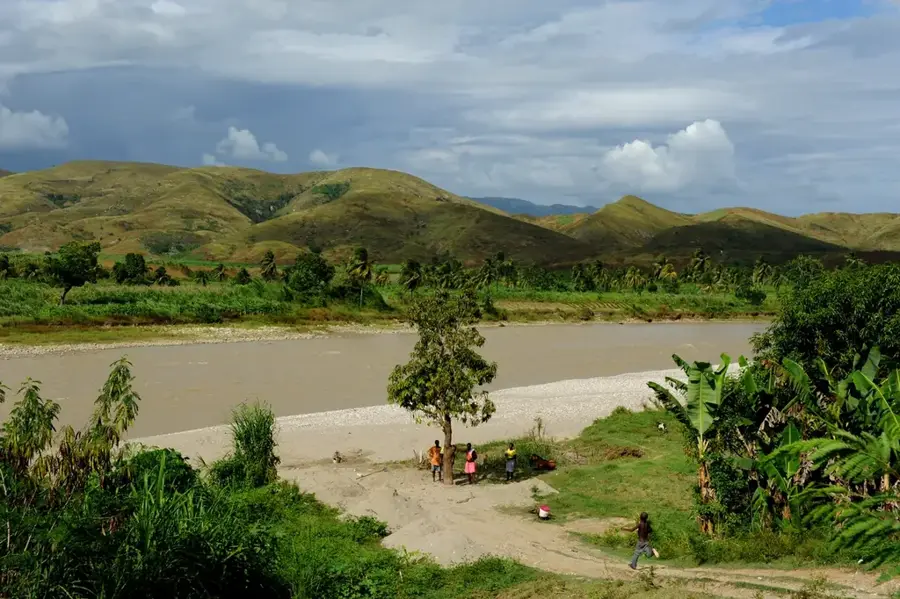
The Saint-Michel Ruins are located in northeastern Haiti, near Fort-Liberté, and stand as a significant testament to colonial architecture and the plantation economy. Originally constructed in the 18th century by French settlers, the complex served both as an agricultural center and a strategic outpost. The massive stone walls and the remains of industrial sugar processing facilities illustrate the immense wealth generated through enslaved labor during the colonial era. During the Haitian Revolution, many of these buildings were damaged or abandoned, as they were viewed as symbols of oppression. Today, the ruins are overgrown with tropical vegetation, lending them a melancholic and historical atmosphere. The archaeological importance of the site lies in the preservation of foundations that provide insight into the construction techniques and social fabric of Saint-Domingue prior to 1804. Visitors can physically experience the connection between military defense and colonial exploitation through these enduring structures.
- Location: Haiti
- Nearby: Cap-Haïtien (23 km)
Best time to visit & climate
The most pleasant time to visit is Jan, Feb, Dec.
| Jan | Feb | Mar | Apr | May | Jun | Jul | Aug | Sep | Oct | Nov | Dec | |
|---|---|---|---|---|---|---|---|---|---|---|---|---|
| Avg °C | 23 | 24 | 24 | 26 | 26 | 27 | 28 | 28 | 27 | 26 | 25 | 24 |
| Rain mm | 35 | 21 | 29 | 34 | 58 | 39 | 33 | 49 | 55 | 79 | 72 | 38 |
📋 Practical info
Geography
Facts
- The complex dates back to the mid-18th century.
- It is located in the Nord-Est department of Haiti.
- The walls are constructed from local limestone and bricks.
- The site was a center for indigo and sugar production.
- It is situated near the strategic Bay of Fort-Liberté.
- The ruins were designated as protected heritage in 1995.
Explore nearby
Notable places around


Route planner — Car & Motorhome
Where do you start? We build the route here, with stops and country notes along the way.
© OpenStreetMap contributors · OpenRouteService
Sights nearby
Frequently asked questions
What are the Saint-Michel ruins?
Where exactly are the ruins located?
Are the ruins wheelchair accessible?
When is the best time of day for photos?
Are there information boards?
Saint-Michel Ruins: where is it located?
Saint-Michel Ruins: when is the best time to visit?
Saint-Michel Ruins: why is it worth visiting?

History & landmarks
Nature
More places