Plizio Visual Lab
Idiofa (1964 Rebellion Site)
Weather…
Water temperature…
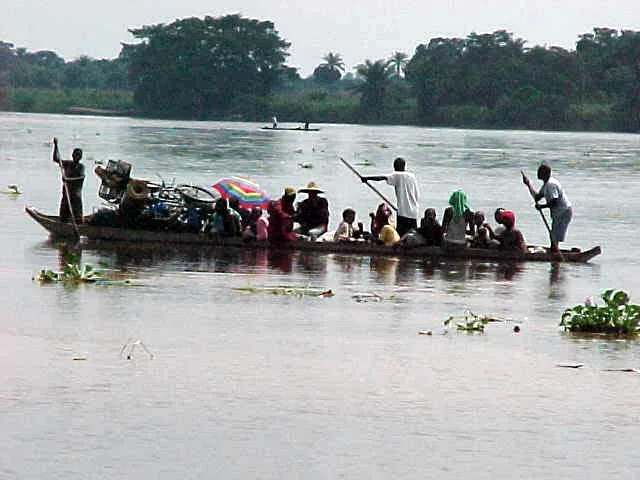
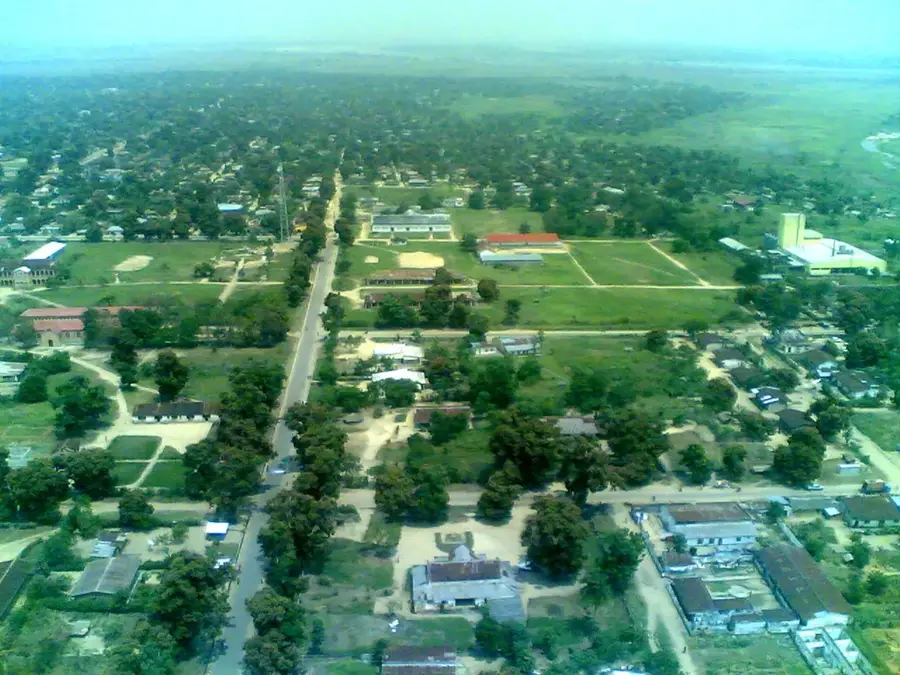
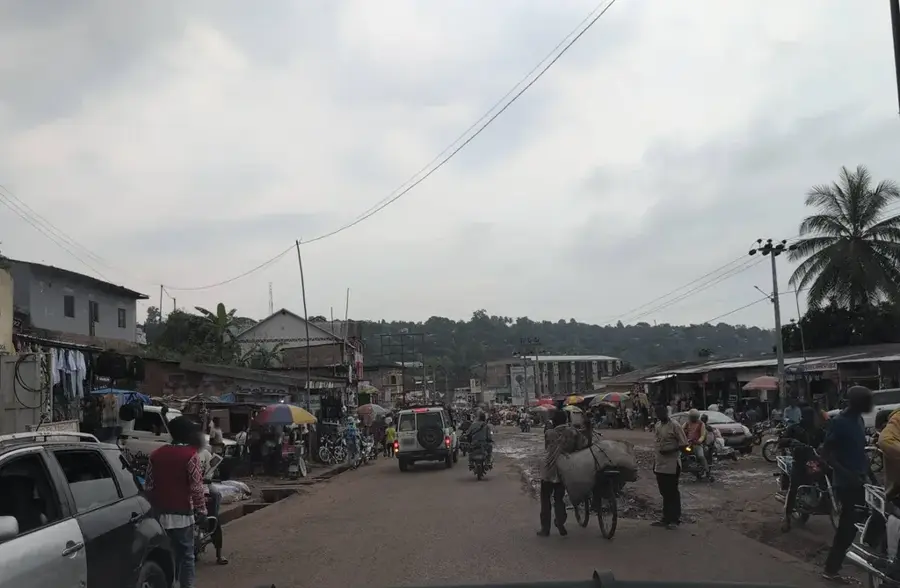
Idiofa, located in the Kwilu province, is historically significant as one of the primary theaters of the 1964 Mulele Rebellion that swept through the Democratic Republic of the Congo. Led by Pierre Mulele, a former minister in Patrice Lumumba's government, Idiofa became a center for armed resistance against the central government in Léopoldville. The rebellion was characterized by Maoist ideologies and aimed at a radical restructuring of rural Congolese society. Intense combat took place within and around Idiofa between the insurgents, often associated with the 'Simba' movement, and the Congolese National Army. The events of 1964 led to widespread displacement and left a lasting impact on the region's social fabric. Despite the rebellion's eventual violent suppression, Pierre Mulele remains a controversial yet pivotal figure in local collective memory. Since those turbulent times, Idiofa has evolved into a vital agricultural and religious hub, with the Diocese of Idiofa playing a leading role in community development. The site now serves as a quiet reminder of the complex ideological struggles that defined Congo's early years of independence.
- Location: Congo - Kinshasa
- Top sights: Idiofa Territory · Idiofa · Diocese of Idiofa
- Nearby: Kikwit (86 km)
Best time to visit & climate
The most pleasant time to visit is May–Jul.
| Jan | Feb | Mar | Apr | May | Jun | Jul | Aug | Sep | Oct | Nov | Dec | |
|---|---|---|---|---|---|---|---|---|---|---|---|---|
| Avg °C | 25 | 25 | 25 | 25 | 25 | 26 | 27 | 27 | 26 | 25 | 24 | 24 |
| Rain mm | 119 | 126 | 160 | 139 | 70 | 15 | 12 | 62 | 124 | 157 | 169 | 144 |
📋 Practical info
Geography
Facts
- Idiofa served as the heart of the Maoist Mulele Rebellion in 1964.
- Pierre Mulele established his revolutionary headquarters in this district.
- The 1964 conflict resulted in thousands of casualties across the region.
- Idiofa is the seat of a prominent Catholic diocese founded in 1959.
- The town is located approximately 500 kilometers east of Kinshasa.
- The surrounding Kwilu region is a major producer of agricultural goods.
Explore nearby
Notable places around


Route planner — Car & Motorhome
Where do you start? We build the route here, with stops and country notes along the way.
© OpenStreetMap contributors · OpenRouteService
Sights in the town Idiofa (1964 Rebellion Site) (3)
Sights nearby
Frequently asked questions
What rebellion took place in Idiofa in 1964?
Who was Pierre Mulele?
Are there monuments from that time in Idiofa?
Can the historical sites be visited?
Where is Idiofa located?
Idiofa (1964 Rebellion Site): where is it located?
Idiofa (1964 Rebellion Site): what is there to see?
Idiofa (1964 Rebellion Site): when is the best time to visit?
Idiofa (1964 Rebellion Site): why is it worth visiting?

Nearby cities

More places