Plizio Visual Lab
Jiuzhaigou Valley
Weather…
Water temperature…
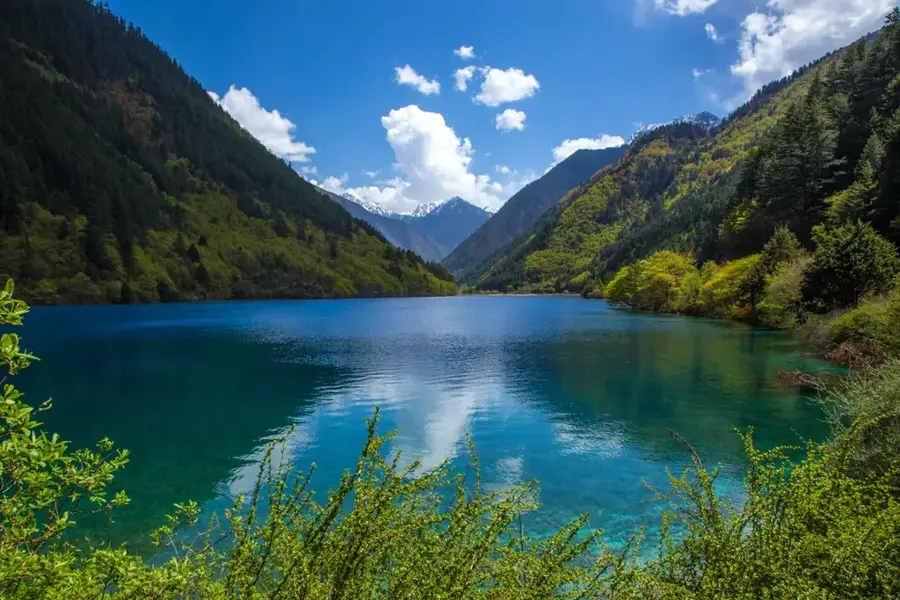
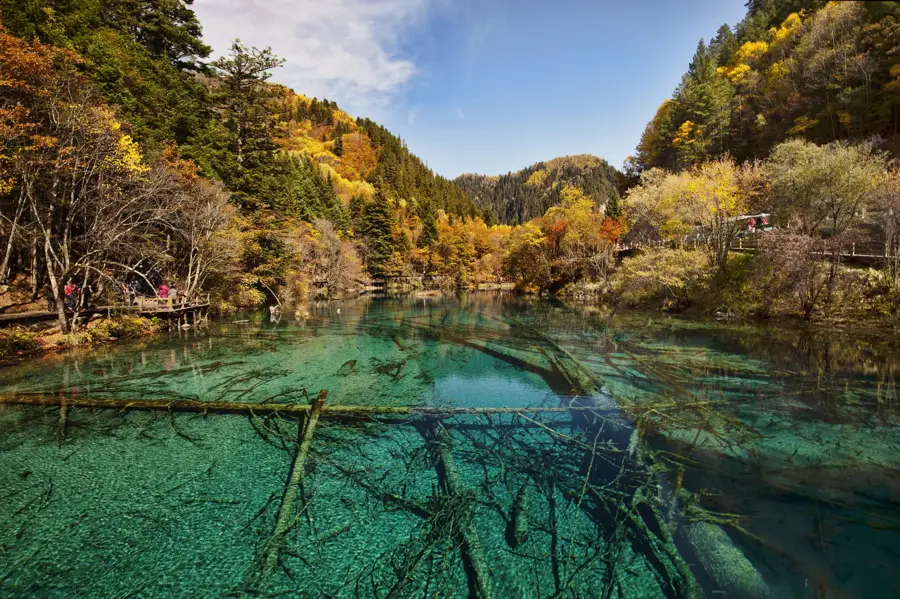
Jiuzhaigou Valley in Sichuan Province is a UNESCO World Heritage site renowned for its multi-level waterfalls, vibrantly colored lakes, and snow-capped peaks. Its name translates to "Valley of Nine Villages," referring to the traditional Tibetan settlements that have long inhabited the area. A geographical highlight is Five Flower Lake, where the water shimmers in various shades of blue and green due to algae and calcium carbonate deposits. The Nuorilang Waterfall, at approximately 270 meters wide, is one of the most majestic and widest natural waterfalls in China. The valley sits at an elevation between 2,000 and 4,500 meters, serving as a protected habitat for endangered species like the giant panda and the golden snub-nosed monkey. Following a significant earthquake in 2017, extensive restoration efforts were undertaken to preserve the park's natural splendor and geological formations. The valley is considered a sacred place by the local population and attracts nature enthusiasts globally for its pristine karst landscapes.
- Location: China
- Top sights: Bonsail Shoals · Jiuzhaigou National Park · Reed Lake
- Nearby: Jiuzhaigou Huanglong (27 km)
Best time to visit & climate
The most pleasant time to visit is Jun–Aug.
| Jan | Feb | Mar | Apr | May | Jun | Jul | Aug | Sep | Oct | Nov | Dec | |
|---|---|---|---|---|---|---|---|---|---|---|---|---|
| Avg °C | -6 | -4 | 0 | 4 | 7 | 11 | 13 | 12 | 9 | 4 | -1 | -5 |
| Rain mm | 4 | 9 | 23 | 45 | 93 | 104 | 117 | 100 | 102 | 57 | 12 | 3 |
📋 Practical info
Geography
Facts
- Designated a UNESCO World Heritage site in 1992
- Width of the Nuorilang Waterfall is 270 meters
- Contains a total of 108 high-altitude lakes
- Elevation ranges between 2,000 and 4,500 meters
- Name refers to 9 historical Tibetan villages
- Home to the endangered giant panda population
Explore nearby
Notable places around
Route planner — Car & Motorhome
Where do you start? We build the route here, with stops and country notes along the way.
© OpenStreetMap contributors · OpenRouteService
Sights in the town Jiuzhaigou Valley (3)
Sights nearby
Frequently asked questions
Why is the water so colorful?
How do you get around the park?
Is there a visitor limit?
When is the best time to visit?
What is the altitude?
Jiuzhaigou Valley: where is it located?
Jiuzhaigou Valley: what is there to see?
Jiuzhaigou Valley: when is the best time to visit?
Jiuzhaigou Valley: why is it worth visiting?

Nearby cities
More places