Plizio Visual Lab
Whitehorse
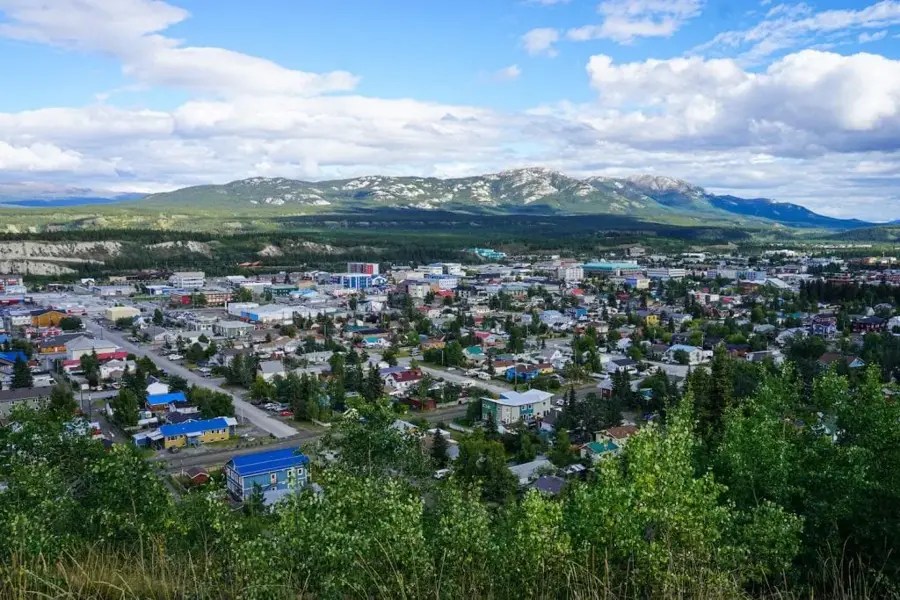
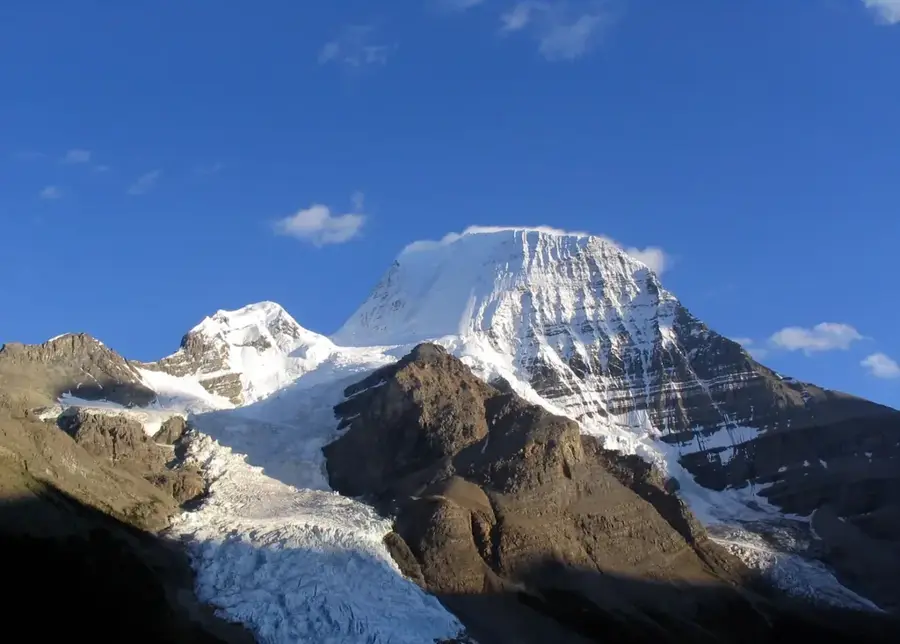
Whitehorse is the capital of Yukon and the largest city in Northern Canada, positioned in the scenic Yukon River valley and surrounded by majestic mountains. The city's name is derived from the White Horse Rapids, which were said to look like the manes of charging white horses before they were submerged by a hydroelectric dam. Historically, Whitehorse gained prominence during the Klondike Gold Rush as a vital transportation hub where prospectors transferred from the railway to riverboats heading toward Dawson City. Today, it serves as the territory's administrative and commercial center, offering a base for exploration of the vast subarctic wilderness. Key historical sites include the SS Klondike National Historic Site, a preserved sternwheeler, and the Yukon Beringia Interpretive Centre, which details the region's prehistoric ice-age past. Due to its location under the auroral oval, Whitehorse is a world-class destination for viewing the Northern Lights, particularly during the crisp winter months. The economy is primarily driven by government services, tourism, and mining exploration, while the community is enriched by a strong indigenous presence and an animated arts scene. Its proximity to Miles Canyon and numerous pristine lakes makes it a premier location for outdoor enthusiasts seeking hiking, paddling, and wildlife viewing in the Great North.
- Location: Canada
- Top sights: DC-3 Airplane Weathervane · Wooly Mammoth Family · Arts Underground
Best time to visit & climate
The most pleasant time to visit is Jun–Aug.
| Jan | Feb | Mar | Apr | May | Jun | Jul | Aug | Sep | Oct | Nov | Dec | |
|---|---|---|---|---|---|---|---|---|---|---|---|---|
| Avg °C | -17 | -15 | -13 | -5 | 3 | 9 | 11 | 9 | 4 | -4 | -14 | -16 |
| Rain mm | 42 | 27 | 31 | 28 | 39 | 70 | 73 | 70 | 61 | 57 | 42 | 41 |
📋 Practical info
History & landmarks
Gold Rush Era
1898
Geography
Facts
- Capital of Yukon territory
- Largest city in Northern Canada
- Founded around 1900
- Population of approx. 28,000
- Located on the Yukon River
- Gateway to the Arctic
Route planner — Car & Motorhome
Where do you start? We build the route here, with stops and country notes along the way.
© OpenStreetMap contributors · OpenRouteService
Sights in the town Whitehorse (10)
Arts Underground🏛 museum
Arts Underground is an art gallery in Whitehorse.
Sights nearby
Frequently asked questions
Can you see the Northern Lights in Whitehorse?
What is the most famous historical monument?
How do you get to Whitehorse?
What can you do in winter?
How long are the days in summer?
Whitehorse: where is it located?
Whitehorse: what is there to see?
Whitehorse: when is the best time to visit?
Whitehorse: why is it worth visiting?
History & landmarks
Nature
More places