Plizio Visual Lab
Campo Grande
ℹ️Practical info — Campo Grande
▾
🌤 Weather — 5 days
📍 Nearby
Sights nearby
💡 Tips
- Renting a car is recommended due to the city's wide layout and long distances.
- Try sharing a cold Tereré with locals to beat the intense afternoon heat.
- Keep an eye out for free-roaming wildlife, like capybaras, in the urban parks.
- Use the city as a well-stocked supply base before heading into the Pantanal.
🍽 Food
An Okinawan noodle soup deeply ingrained in local culture, best eaten at the Feira Central.
A traditional cheesy bread of Paraguayan origin found in almost every local bakery.
Experience authentic regional barbecue at the traditional steakhouses across the city.
🛍 Shopping · 🧘 Quiet spots
Great for tasting local street food and buying regional crafts in the evening.
The go-to place for indigenous herbs, spices, and specialized mate gourds.
A massive urban park offering peaceful lakes and great birdwatching.
A quiet square featuring a striking macaw monument, well-suited for a short rest.
Water temperature…
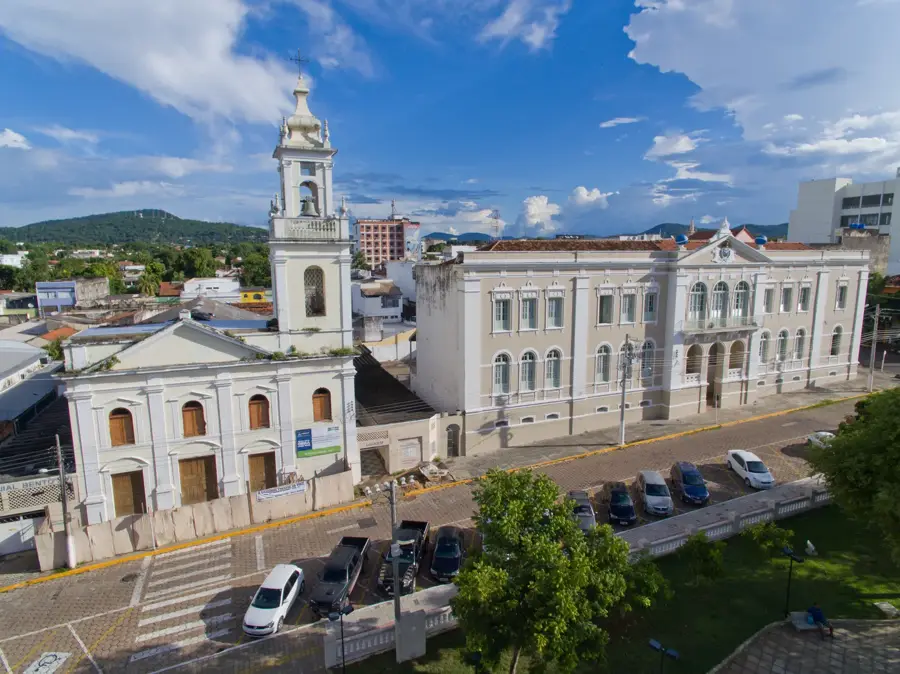
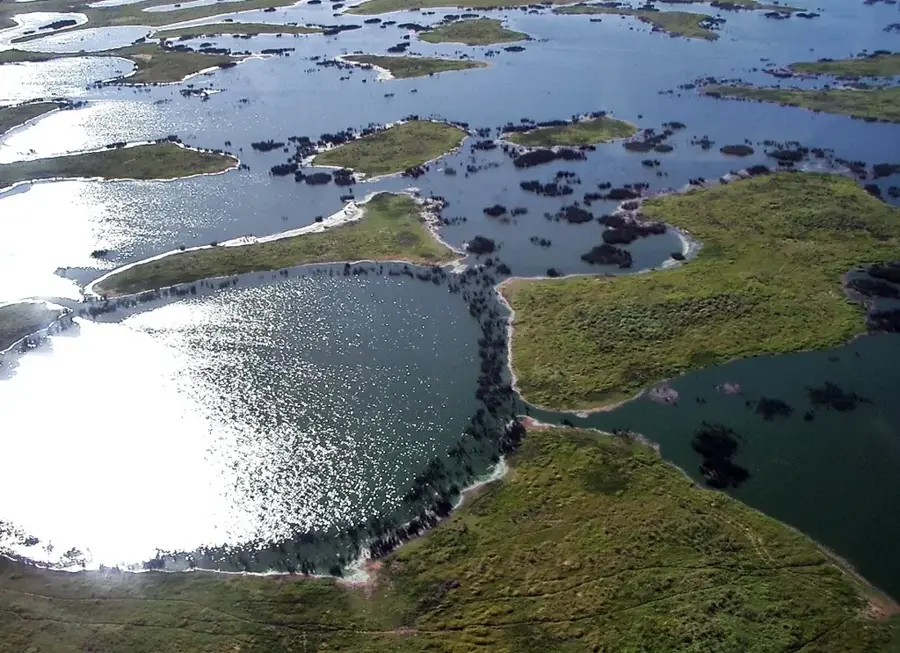
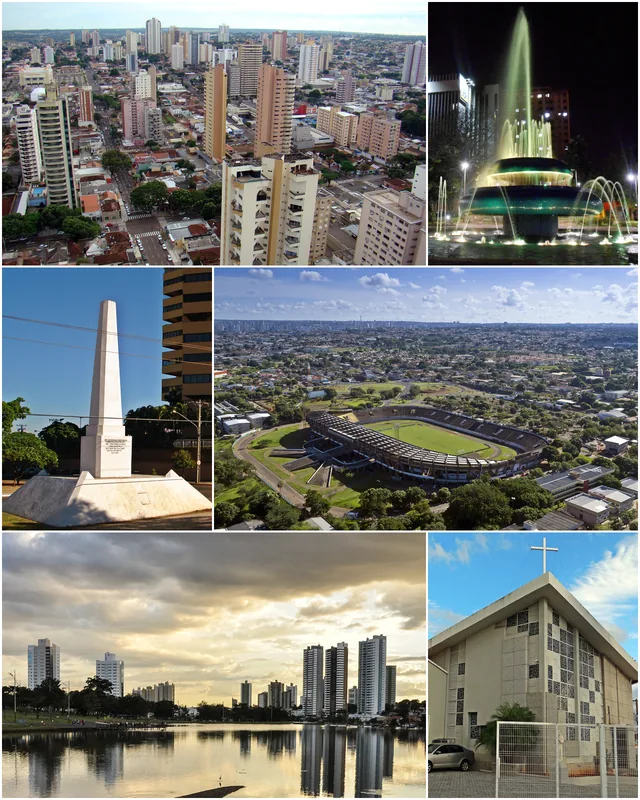
Campo Grande, the capital of Mato Grosso do Sul, is affectionately known as the 'Cidade Morena' (Cinnamon City) due to its distinct reddish-brown soil. Established in 1899, the city’s growth was supercharged by the arrival of the Noroeste do Brasil railroad in 1914, which transformed it from a remote outpost into a bustling commercial hub. This link brought a diverse wave of immigrants, including Japanese, Lebanese, Syrian, and Portuguese settlers, creating a unique multicultural environment that still defines the city today. Campo Grande is widely recognized as one of Brazil's greenest and most orderly capitals, featuring wide, tree-lined avenues and an impressive ratio of parkland per inhabitant. It serves as the vital gateway to the Southern Pantanal, providing the necessary logistics and infrastructure for eco-tourism and environmental research in the world's largest tropical wetland. The local economy is a powerhouse of Brazilian agribusiness, particularly cattle ranching and soybean production, while also hosting a robust service sector and several prominent universities. Cultural landmarks like the Indigenous Nations Park reflect the region’s deep respect for its native heritage, while the Central Market features a taste of the city’s famous Japanese-influenced Sobá noodles, a culinary tradition unique to this part of Brazil. The city is also a major railway hub, historically connecting the port of Santos to the borders of Bolivia and Paraguay. With its high standard of living, safe streets, and lively cultural festivals, Campo Grande exemplifies the successful modernization of the Brazilian interior. The climate is tropical, with a marked dry season that highlights the city’s status as a lush oasis in the heart of the central-western plains.
- Location: Brazil
- Top sights: Morada dos Baís · Mercado Municipal Antônio Valente · Bioparque Pantanal
- Population: ~906.092 (2026)
Best time to visit & climate
The most pleasant time to visit is Jun–Aug.
| Jan | Feb | Mar | Apr | May | Jun | Jul | Aug | Sep | Oct | Nov | Dec | |
|---|---|---|---|---|---|---|---|---|---|---|---|---|
| Avg °C | 25 | 25 | 25 | 23 | 20 | 19 | 19 | 22 | 24 | 25 | 25 | 26 |
| Rain mm | 197 | 143 | 129 | 83 | 85 | 46 | 32 | 38 | 75 | 128 | 149 | 176 |
Live webcam – Campo Grande
See what it looks like near Campo Grande right now.
Campo Grande › West: Sesc Camillo Boni - Hospital Geral El Kadri · 2.8 km · Open webcam on Windy · Webcams provided by Windy.com
Geography
Facts
- Campo Grande was officially founded on June 21, 1899, by pioneers.
- The city is located at an average altitude of 532 meters (1,745 ft).
- It is the second major urban center in the Central-West region after Brasilia.
- The Japanese community in the city is one of the largest in Brazil outside Sao Paulo.
- The city's airport is a key hub for regional flights to the Pantanal.
- Campo Grande's territory covers over 8,000 square kilometers.
- The Monument to the Immigrants honors the 30+ nationalities that built the city.
- The city consistently ranks as one of the best state capitals to live in Brazil.
Route planner — Car & Motorhome
Where do you start? We build the route here, with stops and country notes along the way.
© OpenStreetMap contributors · OpenRouteService
Sights in the town Campo Grande (17)
Frequently asked questions
Why is Campo Grande called 'Cidade Morena'?
Is it a gateway to the Pantanal?
What is the Pantanal Aquarium?
Are there parks in the city?
What should I eat?
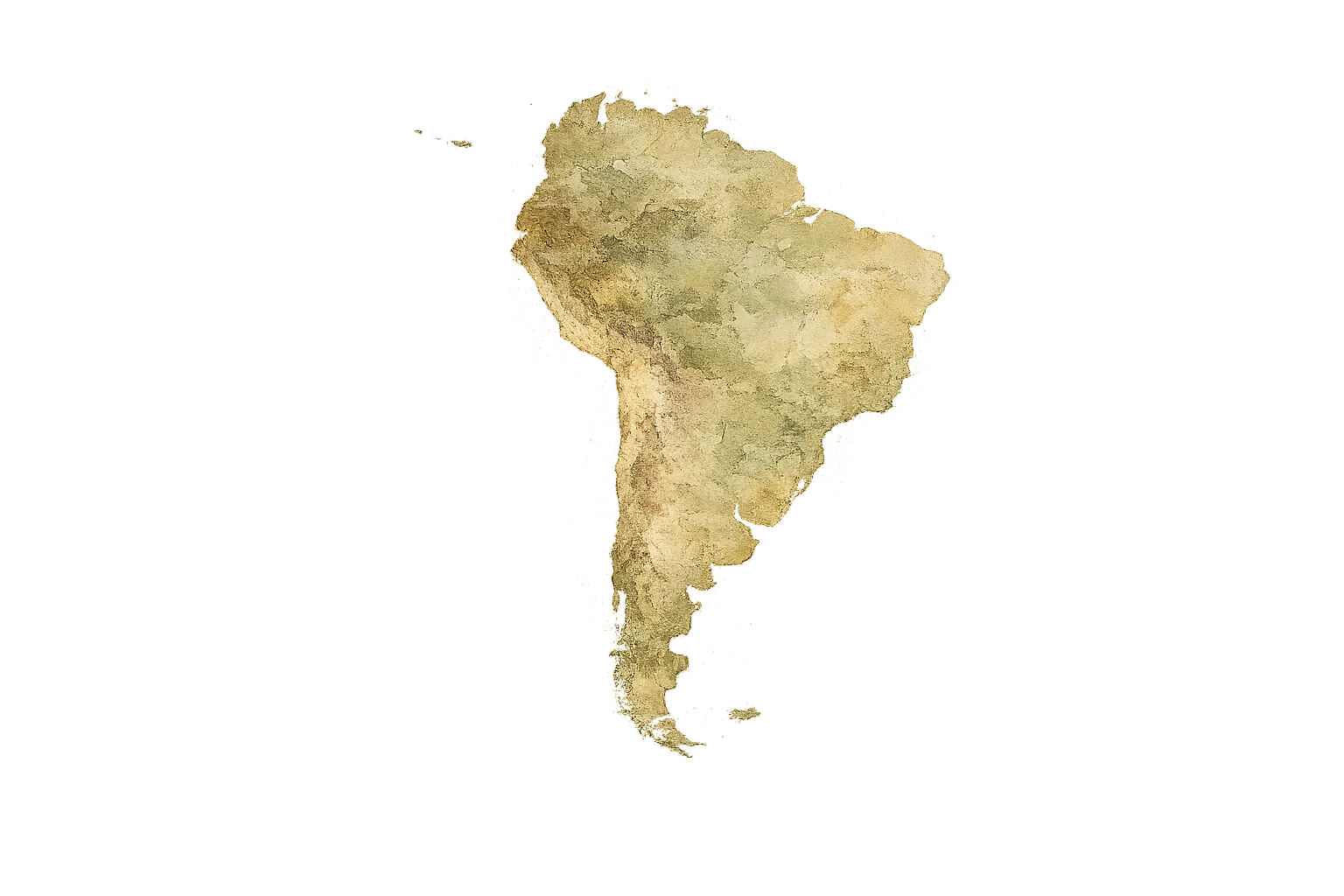
Campo Grande: where is it located?
Campo Grande: what is there to see?
Campo Grande: when is the best time to visit?
Campo Grande: why is it worth visiting?